Biosensor

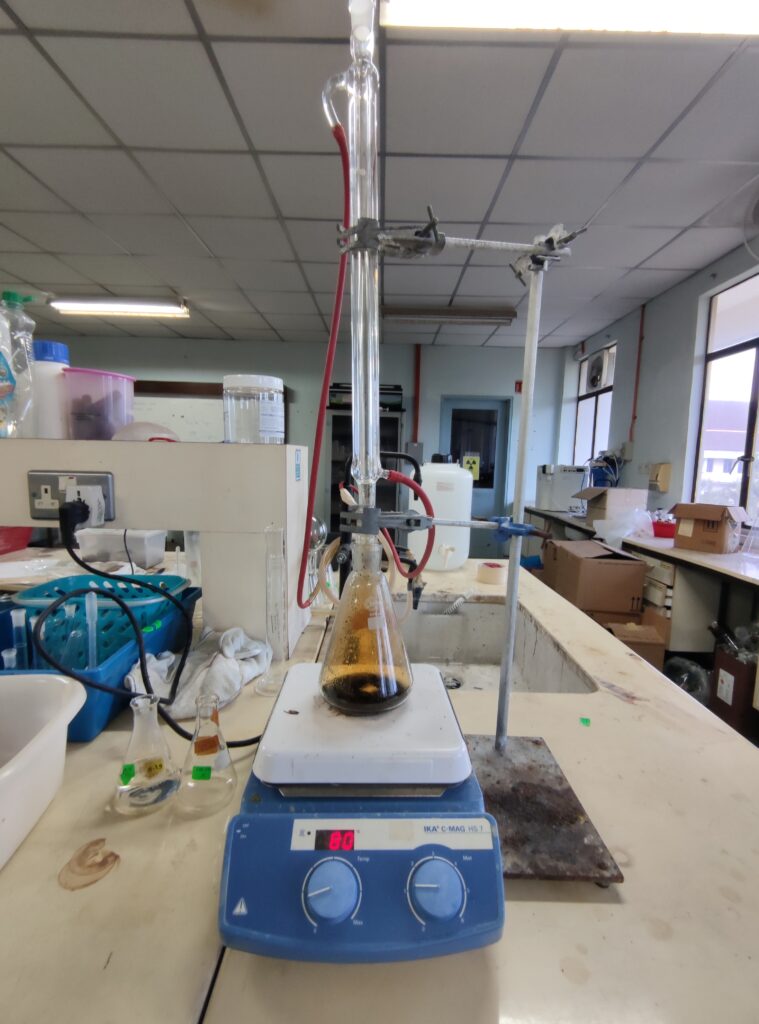
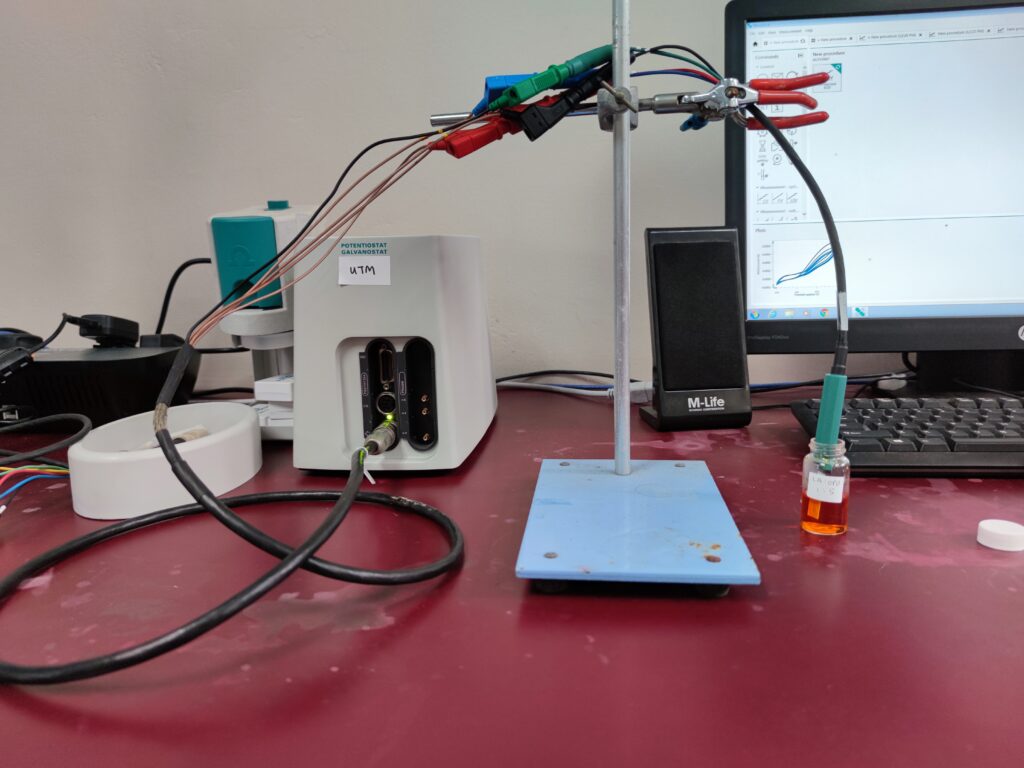
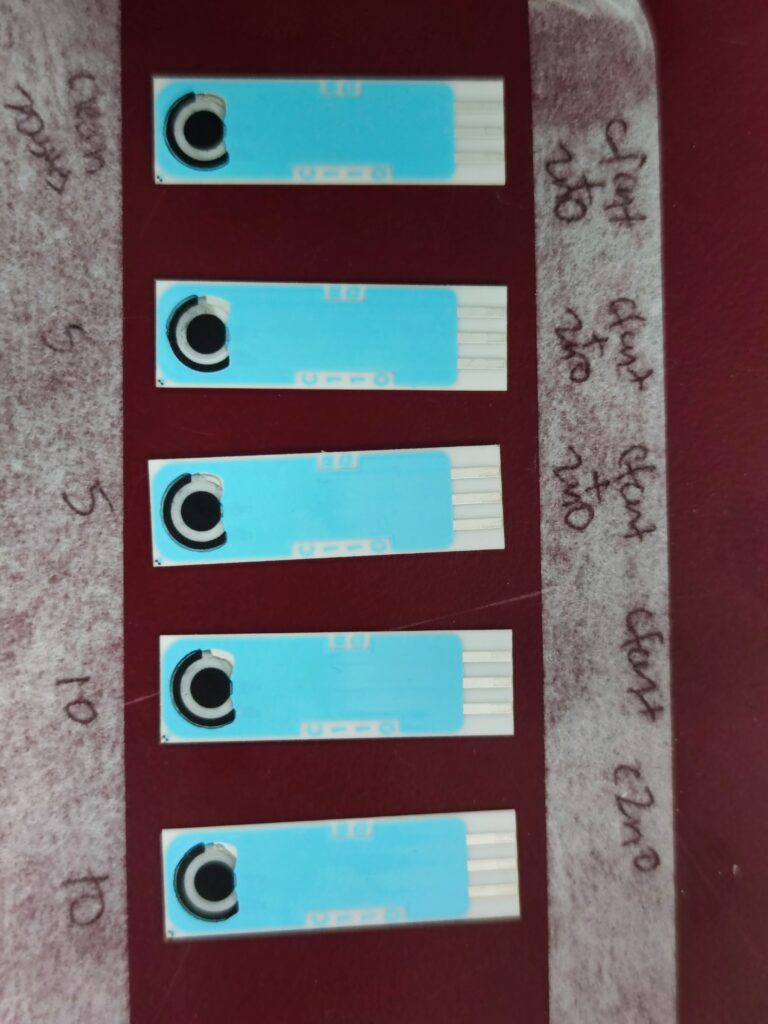
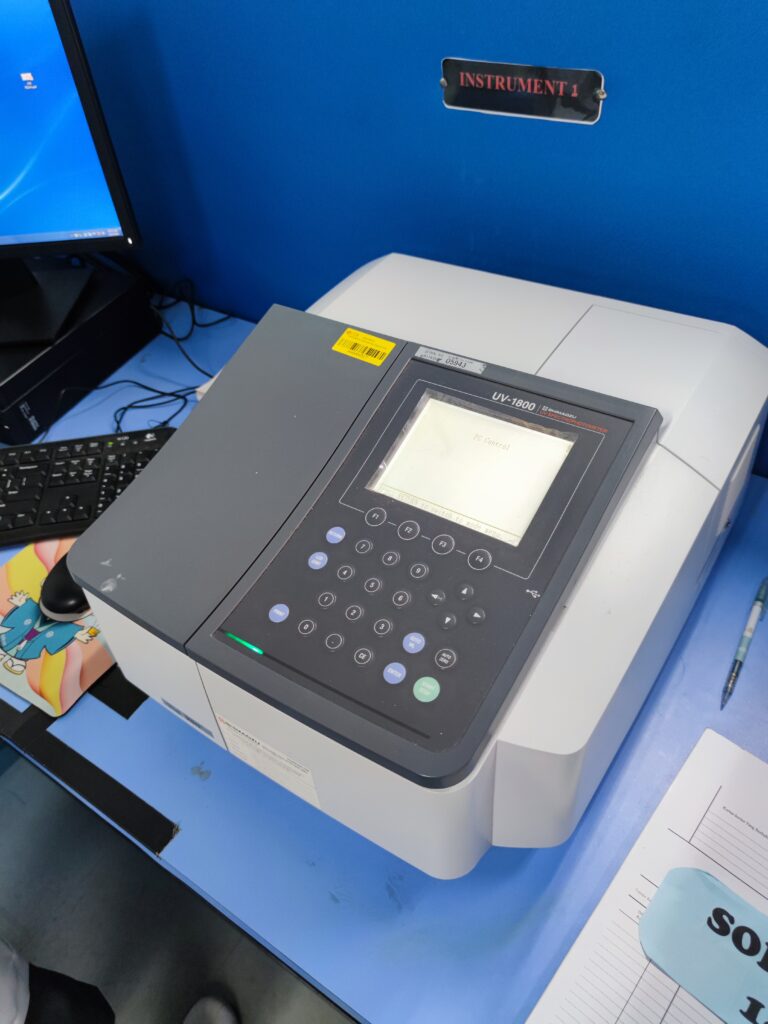
Electrochemical biosensing represents one of the most promising approaches for real-time and non-invasive detection of biomarkers in biomedical applications. My research primarily focuses on the development and analytical evaluation of electrochemical sensors designed to monitor physiological analytes with high precision and reliability.
The core of this work involves modifying electrode surfaces to improve sensitivity, selectivity, and stability. Surface modification techniques are employed to enhance electron transfer properties and enable specific molecular recognition, forming the foundation for accurate electrochemical detection.
To assess the electrochemical performance of the fabricated sensors, a series of electrochemical analyses were conducted, including:
-
Cyclic Voltammetry (CV) – to investigate redox behavior and evaluate surface modification effectiveness
-
Electrochemical Impedance Spectroscopy (EIS) – to characterize charge transfer dynamics and interfacial properties
-
Differential Pulse Voltammetry (DPV) – for precise quantitative detection of target analytes
In addition to electrochemical testing, material characterization plays a crucial role in understanding sensor performance. Various techniques such as microscopy, spectroscopy, and surface charge analysis are used to examine surface morphology, elemental composition, and nanostructural features that influence the electrochemical response.
To ensure optimal performance, statistical optimization and experimental design techniques are applied to identify key parameters affecting sensor response, enabling systematic refinement of fabrication and testing processes.
Contact Details
V01, Department of Biomedical Engineering & Health Sciences, Faculty of Electrical Engineering, Universiti Teknologi Malaysia, Skudai, 81310, Johor
mfaizms@utm.my
+60139818751
