
Research today is no longer measured solely by the number of publications or grants obtained. In an increasingly interconnected and rapidly evolving world, researchers are expected to become innovators, leaders, mentors, and changemakers who generate knowledge while delivering meaningful solutions to society. Future-ready research leadership is therefore about developing researchers who not only excel academically but also possess the vision, resilience, and collaborative mindset required to address complex global challenges.
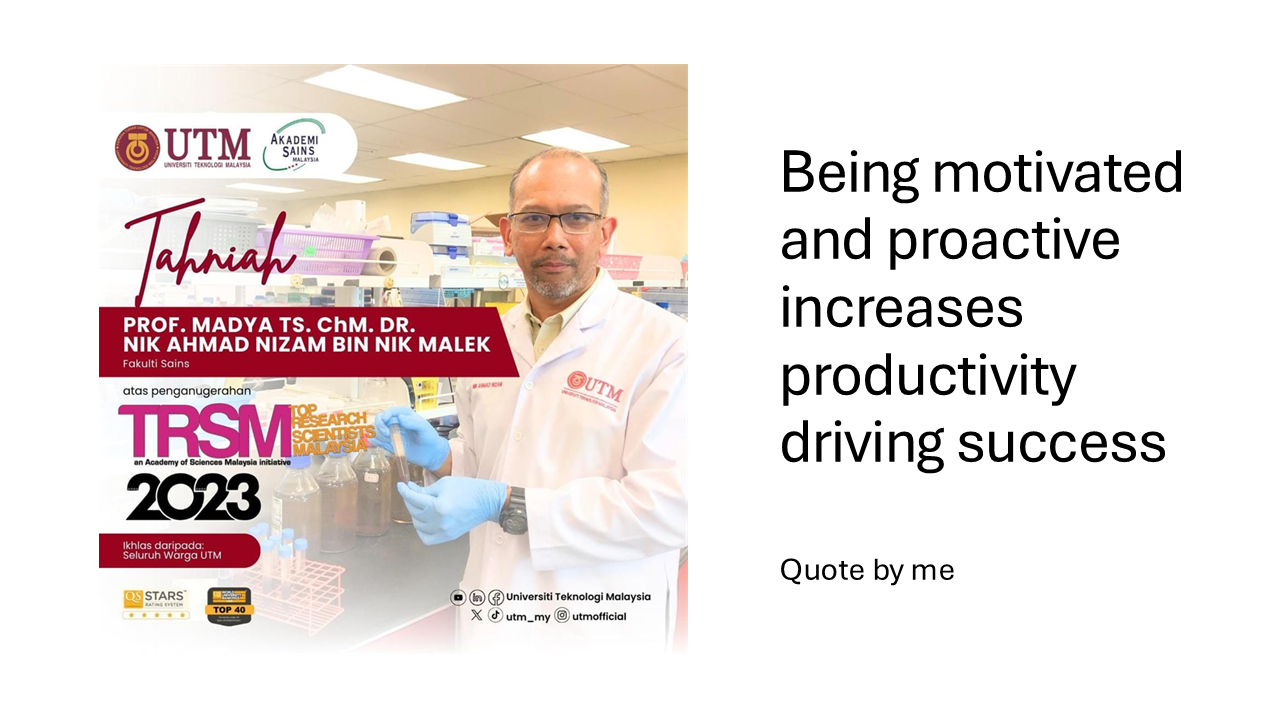
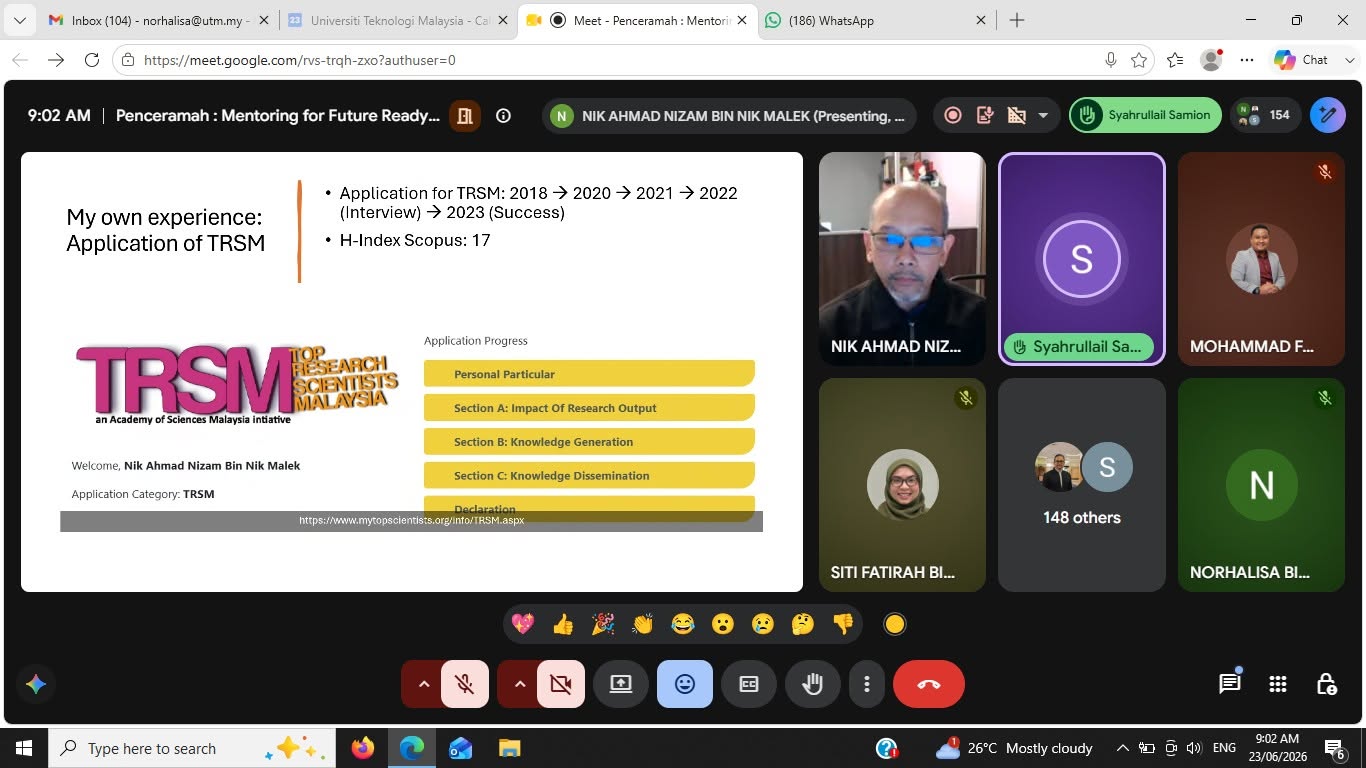
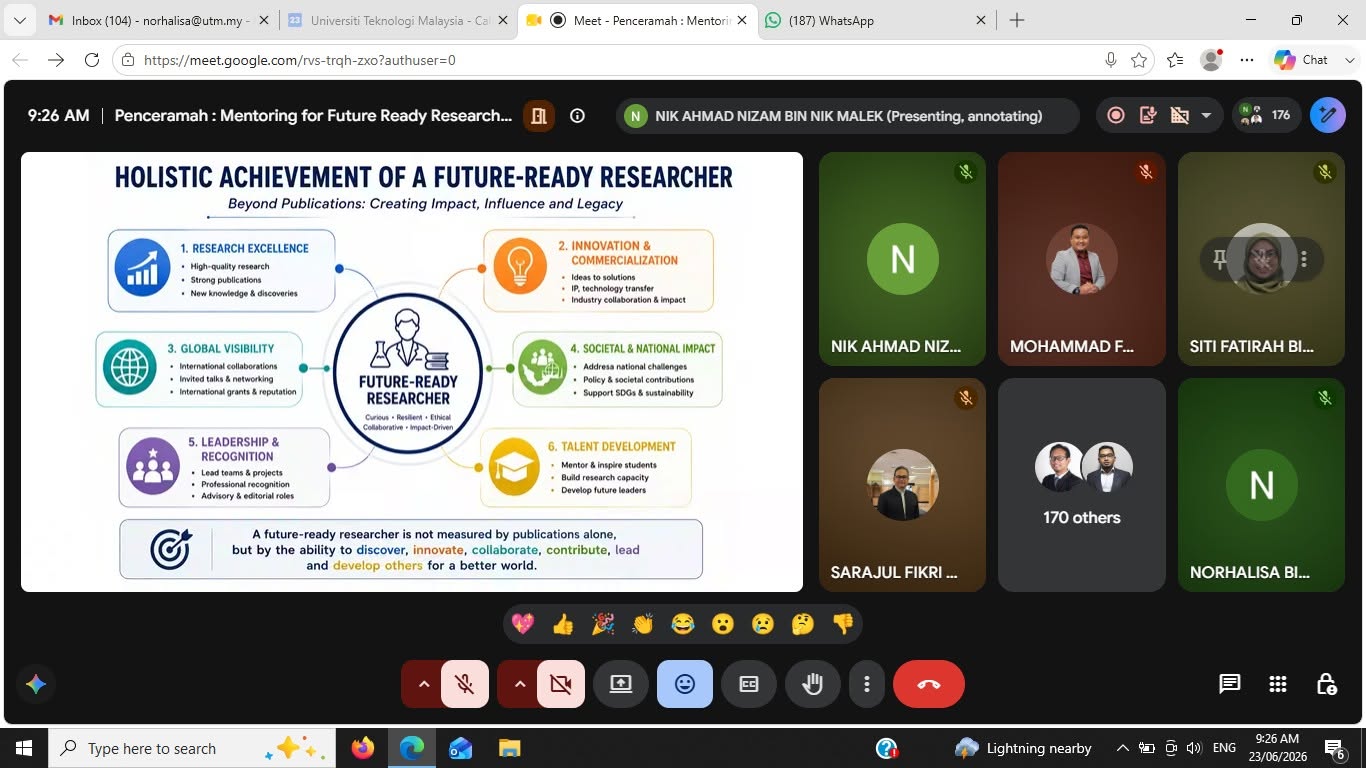
The concept of Future-Ready Research Leadership aligns closely with the Top Research Scientists Malaysia (TRSM) framework introduced by the Academy of Sciences Malaysia (ASM). The framework recognises researchers who have demonstrated outstanding achievements across six key dimensions: research impact, leadership and recognition, innovation and commercialisation, contributions to national science, technology, innovation and economy (STIE), international visibility, and talent development. Rather than serving merely as an award criterion, these pillars provide a practical roadmap for researchers seeking to build sustainable and impactful academic careers.
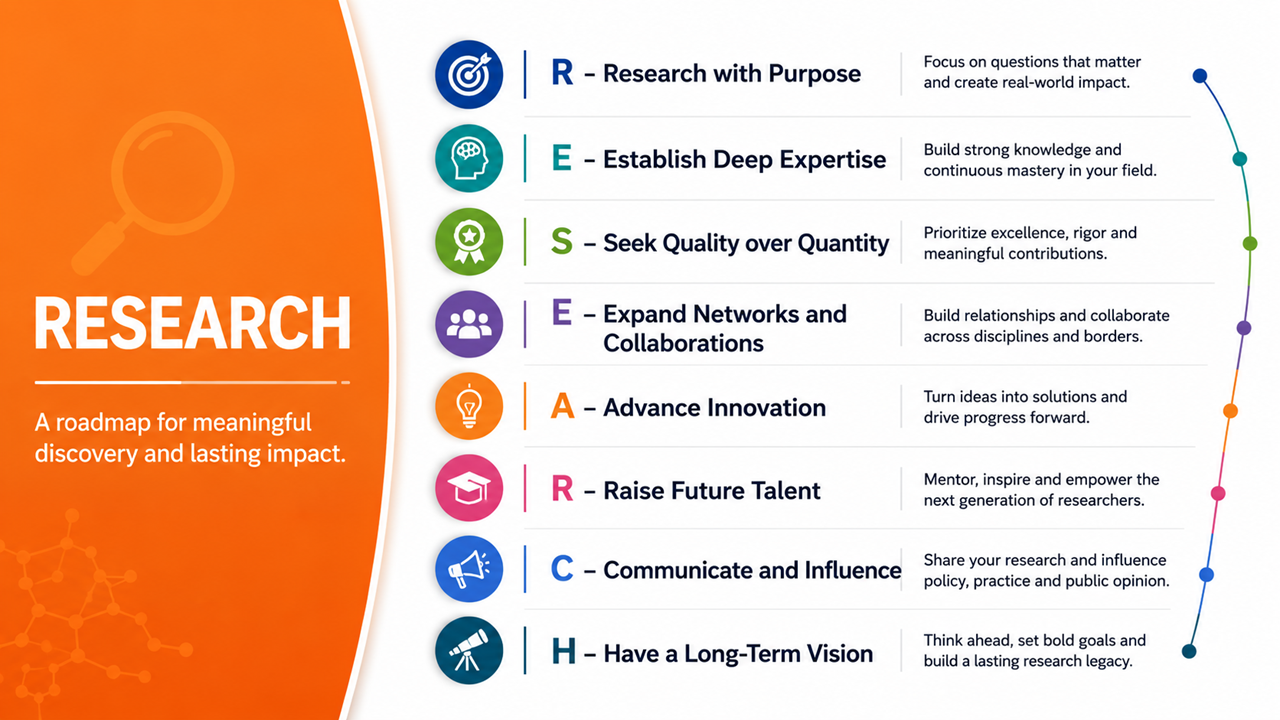
Research with Purpose
Every successful research journey begins with a meaningful purpose. Future-ready researchers do not simply conduct experiments; they identify real-world challenges, formulate innovative research questions, and develop solutions that create tangible societal impact. This requires strategic planning from the earliest stages of proposal development, including understanding funding priorities, identifying research gaps, establishing clear objectives, and designing comprehensive methodologies that align with long-term research goals.
A strong research proposal extends beyond technical content. It demonstrates novelty, integrates multidisciplinary collaboration, considers future commercialisation opportunities, and presents a convincing case for why the proposed research deserves investment. Careful planning using SMART objectives, realistic budgeting, well-defined timelines, and measurable outcomes significantly improves the likelihood of securing competitive research funding.
Establishing Deep Research Expertise
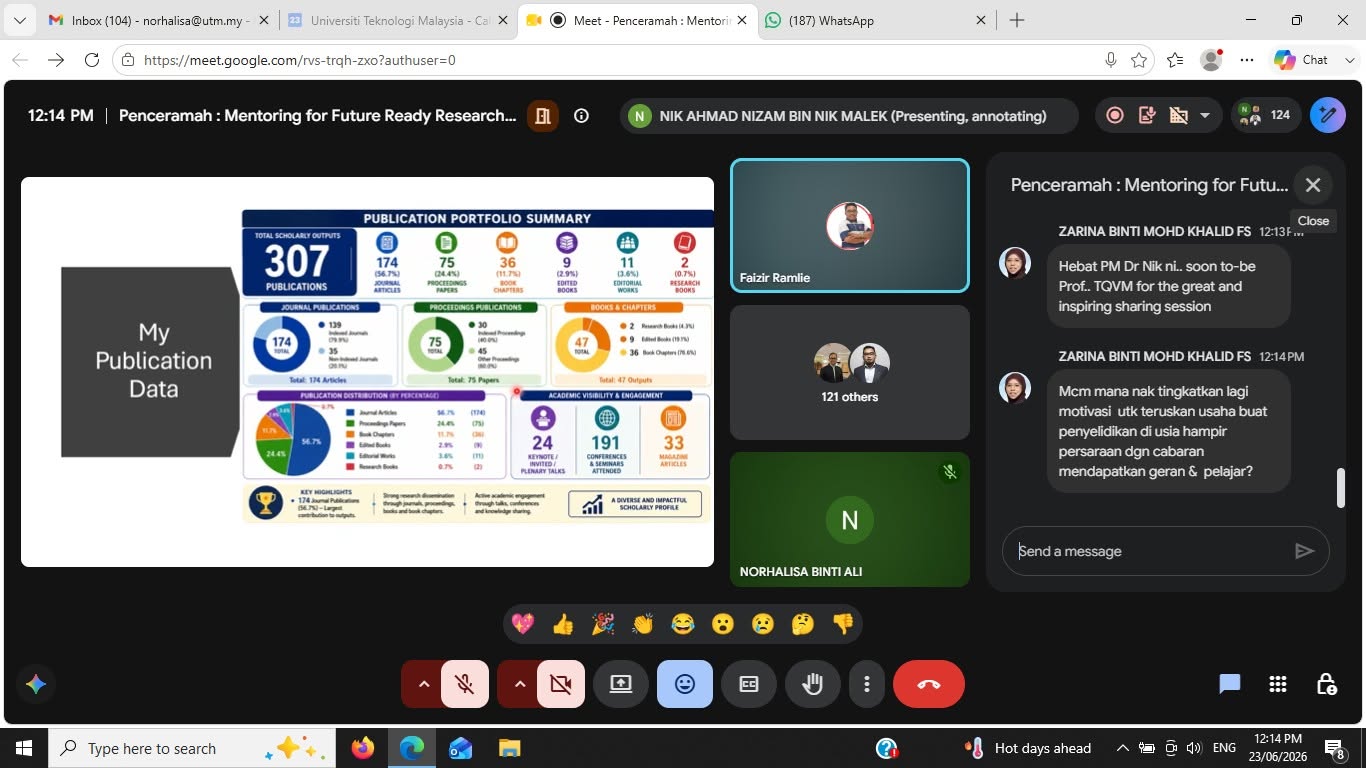
Developing expertise requires more than publishing journal articles. Researchers should strive to become recognised authorities within their specialised fields by contributing original knowledge through research books, academic modules, invited lectures, keynote presentations, and scientific leadership. These activities strengthen academic reputation while expanding opportunities for collaboration and influence within the global research community.
Equally important is the commitment to publishing high-quality research. Publishing in internationally recognised journals with rigorous peer-review processes not only enhances scientific visibility but also improves the quality of research itself. The demanding review process encourages researchers to refine methodologies, strengthen critical analysis, improve scientific communication, and produce work that withstands international scrutiny. Quality publications therefore become an essential component of research excellence rather than simply an academic requirement.
Building Meaningful Collaborations
Modern scientific discoveries increasingly depend on collaboration across institutions, disciplines, and countries. Successful research leaders understand that sustainable partnerships are built on mutual trust, shared objectives, and long-term commitment. Collaborative grant applications, joint publications, student mobility programmes, industrial partnerships, and international research networks provide opportunities to combine complementary expertise while expanding research impact beyond institutional boundaries.
Strong collaborations also create pathways for knowledge exchange, access to advanced research facilities, and increased opportunities for innovation. Researchers who actively engage with diverse partners are better positioned to address multidisciplinary challenges while strengthening the international visibility of their research.
Transforming Research into Innovation
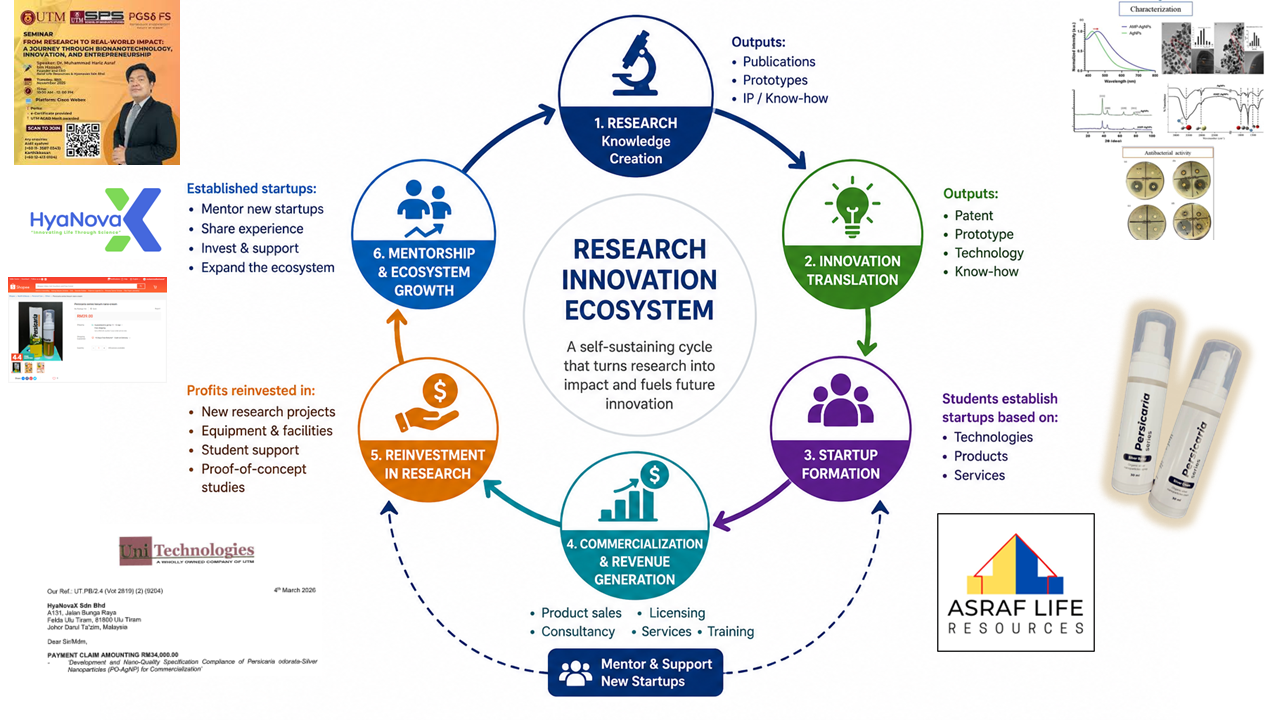
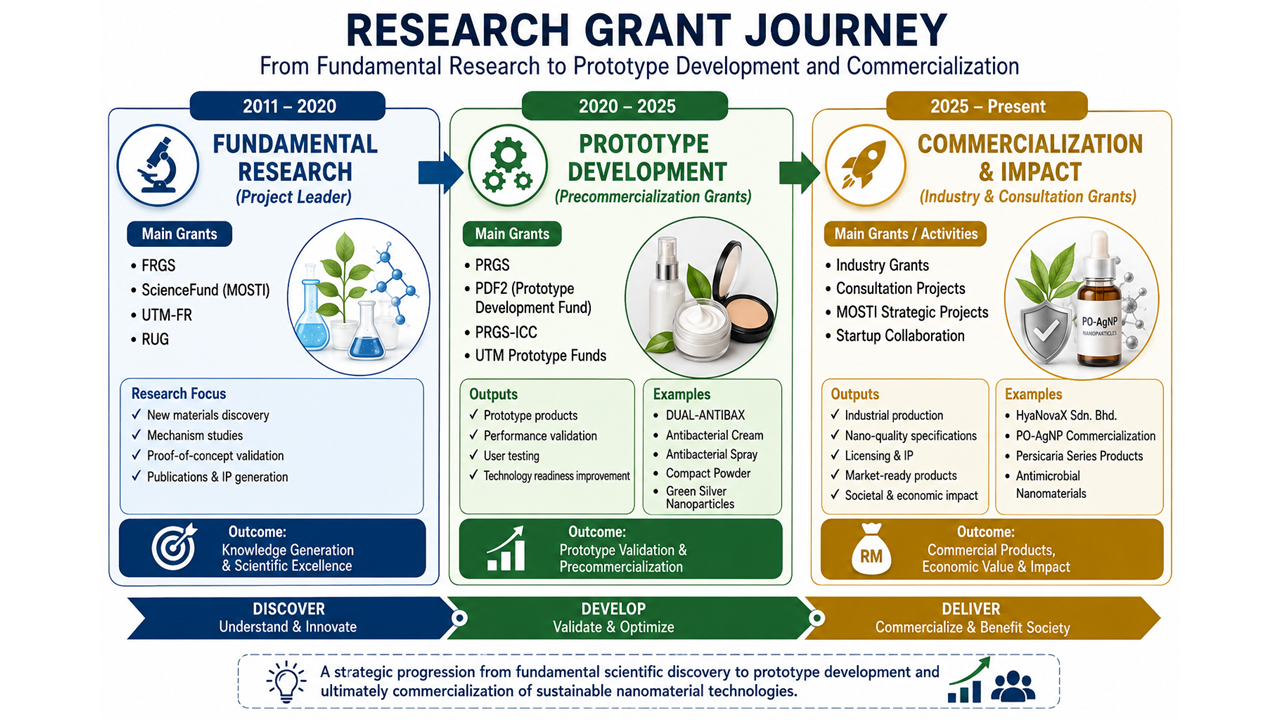
Future-ready research leadership extends beyond scientific discovery to include innovation and commercialisation. Fundamental research forms the foundation for technological advancement, but successful translation requires strategic planning throughout the entire innovation lifecycle. Researchers should consider intellectual property protection, prototype development, Technology Readiness Levels (TRL), industrial engagement, manufacturing feasibility, regulatory compliance, and market needs from the early stages of research.
By integrating innovation planning with scientific research, laboratory discoveries can evolve into technologies, products, and services that generate economic value while addressing societal challenges. Such translation ensures that publicly funded research delivers measurable benefits beyond academic publications.
Developing Future Researchers
Research leadership is ultimately measured not only by personal achievements but also by the ability to develop future generations of researchers. Postgraduate students, research assistants, and early-career academics represent the next generation of scientific leaders. Effective mentoring involves providing technical guidance, encouraging independent thinking, fostering ethical research practices, and creating collaborative research environments where young researchers can thrive.
A healthy research ecosystem promotes continuous learning, interdisciplinary collaboration, and professional development. By investing in people, experienced researchers create a lasting legacy that extends well beyond their own research outputs.
Communicating Research for Greater Influence
Excellent research creates value only when it reaches the wider community. Future-ready researchers therefore actively communicate their work through conferences, seminars, public engagement activities, professional societies, institutional websites, and digital platforms. Effective communication increases research visibility, strengthens collaborations, attracts funding opportunities, and enhances public understanding of scientific advances.
Researchers are also encouraged to contribute as reviewers, editors, panel members, evaluators, and scientific advisors. These roles expand professional networks while enabling researchers to shape the future direction of their disciplines.
Creating a Long-Term Research Legacy
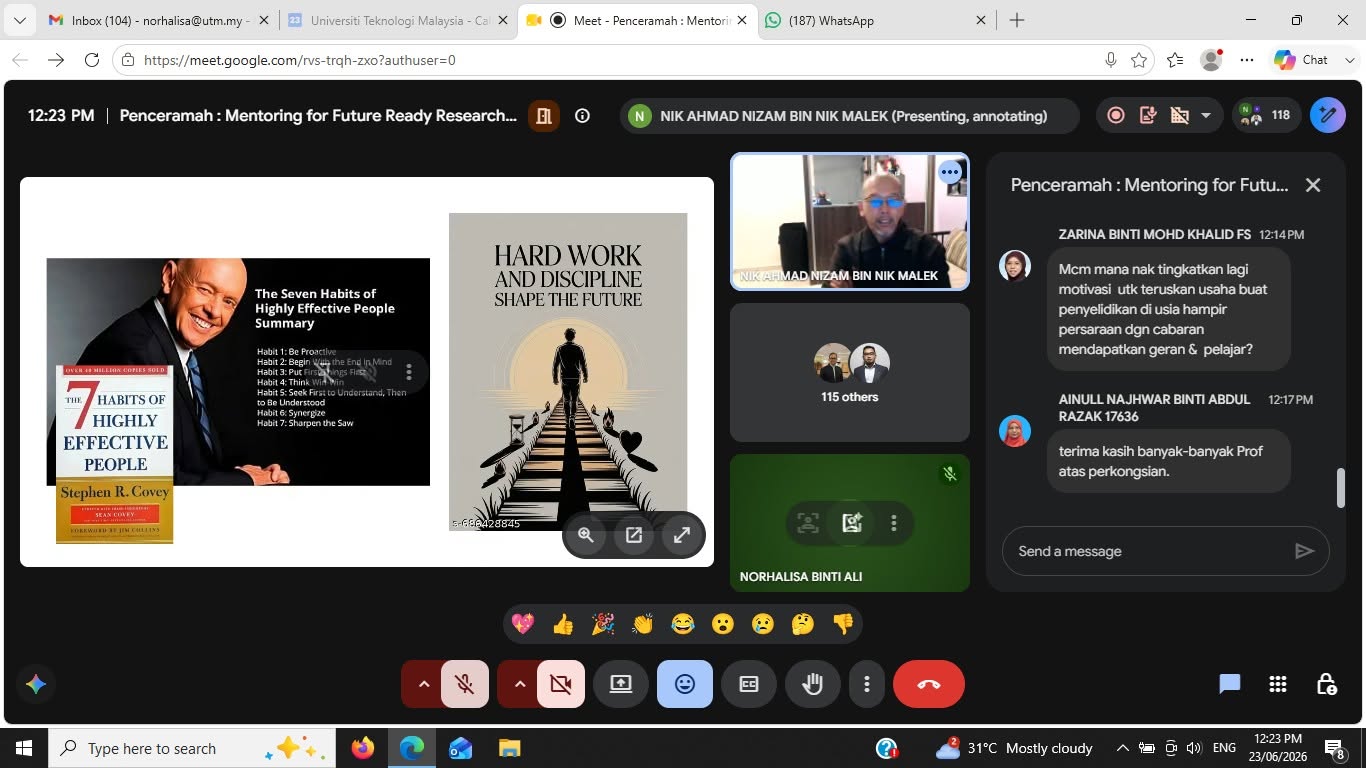
Research leadership is not built overnight. It develops through years of consistent effort, strategic planning, continuous improvement, and meaningful contributions to science and society. The most successful researchers view their careers as long-term journeys where every project contributes to a broader vision of advancing knowledge, nurturing talent, and delivering sustainable innovation.
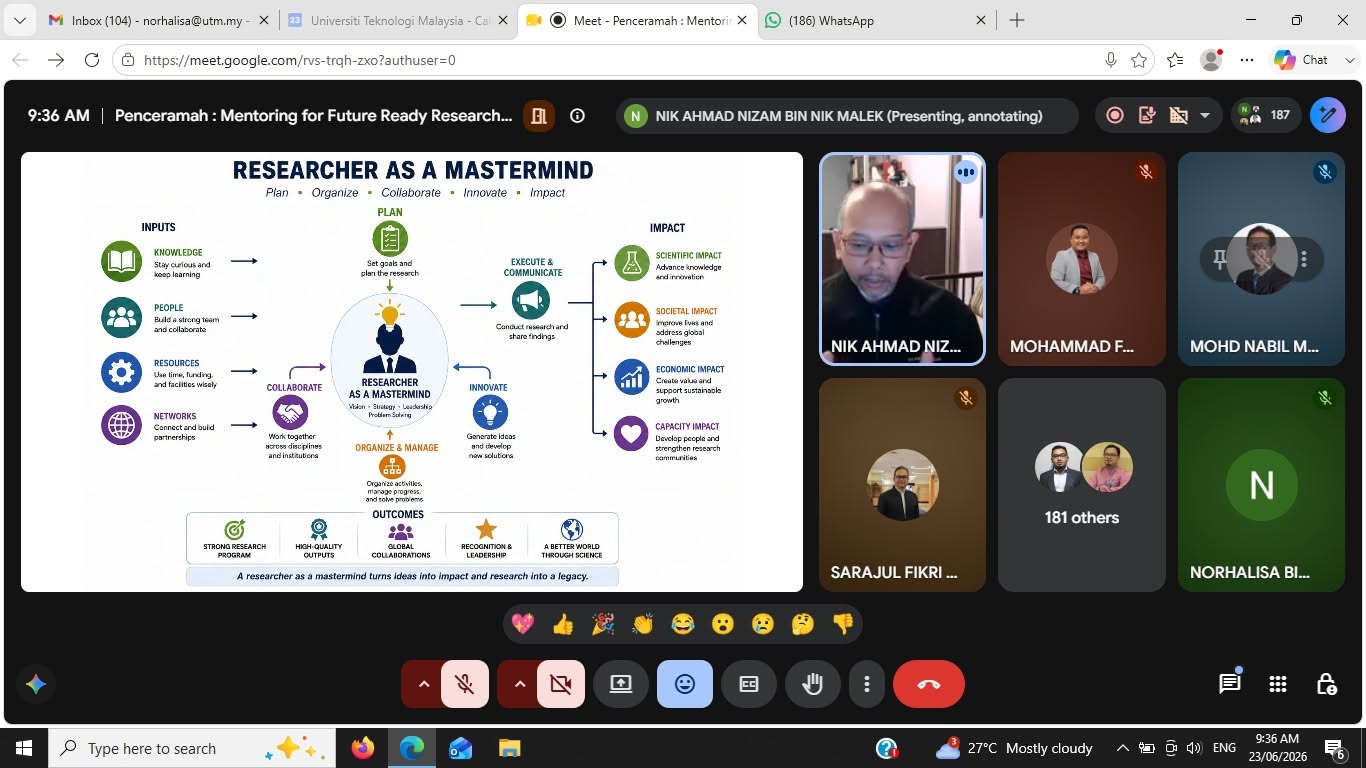
Ultimately, future-ready research leaders are those who continuously evolve beyond being successful researchers. They become mentors, innovators, collaborators, and visionaries who inspire others while creating solutions that improve lives. As the research landscape continues to evolve, cultivating these qualities will be essential in developing globally competitive researchers capable of shaping the future of science, technology, and innovation.
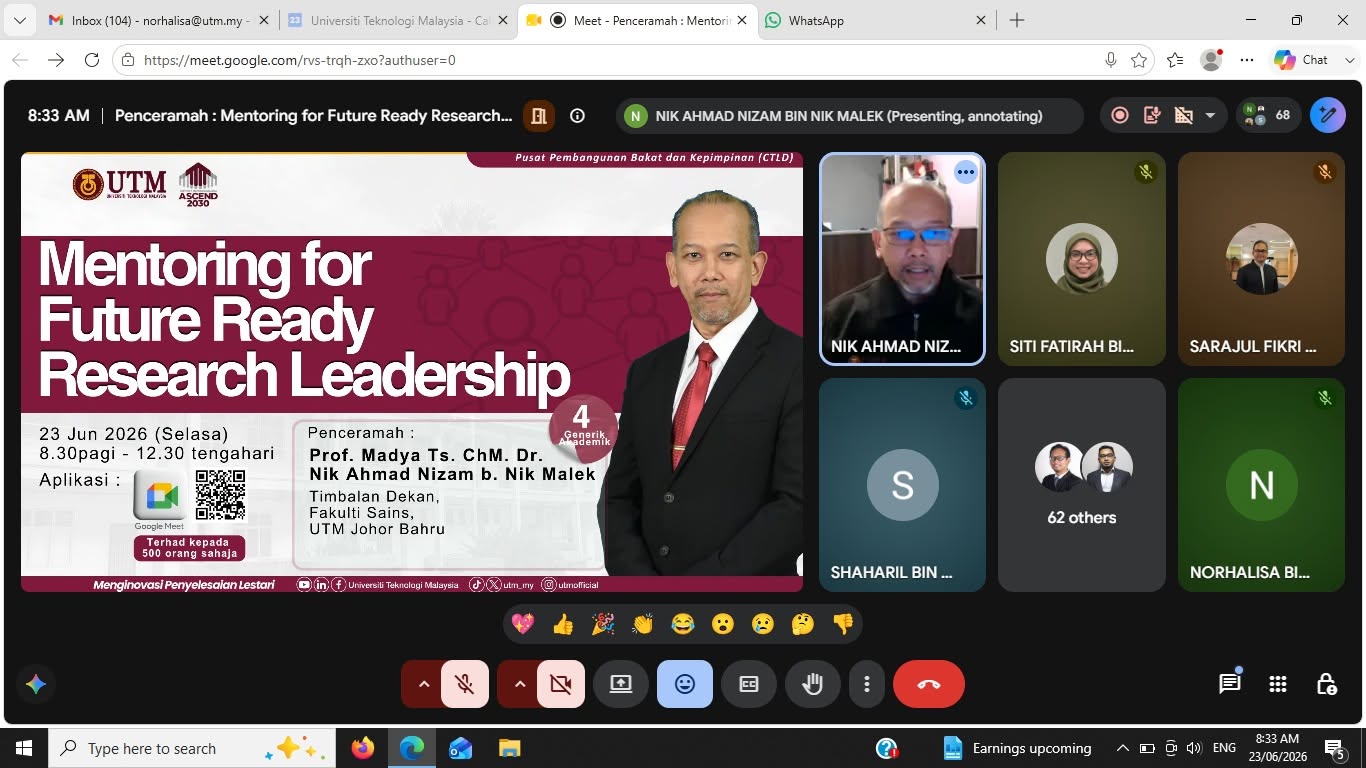
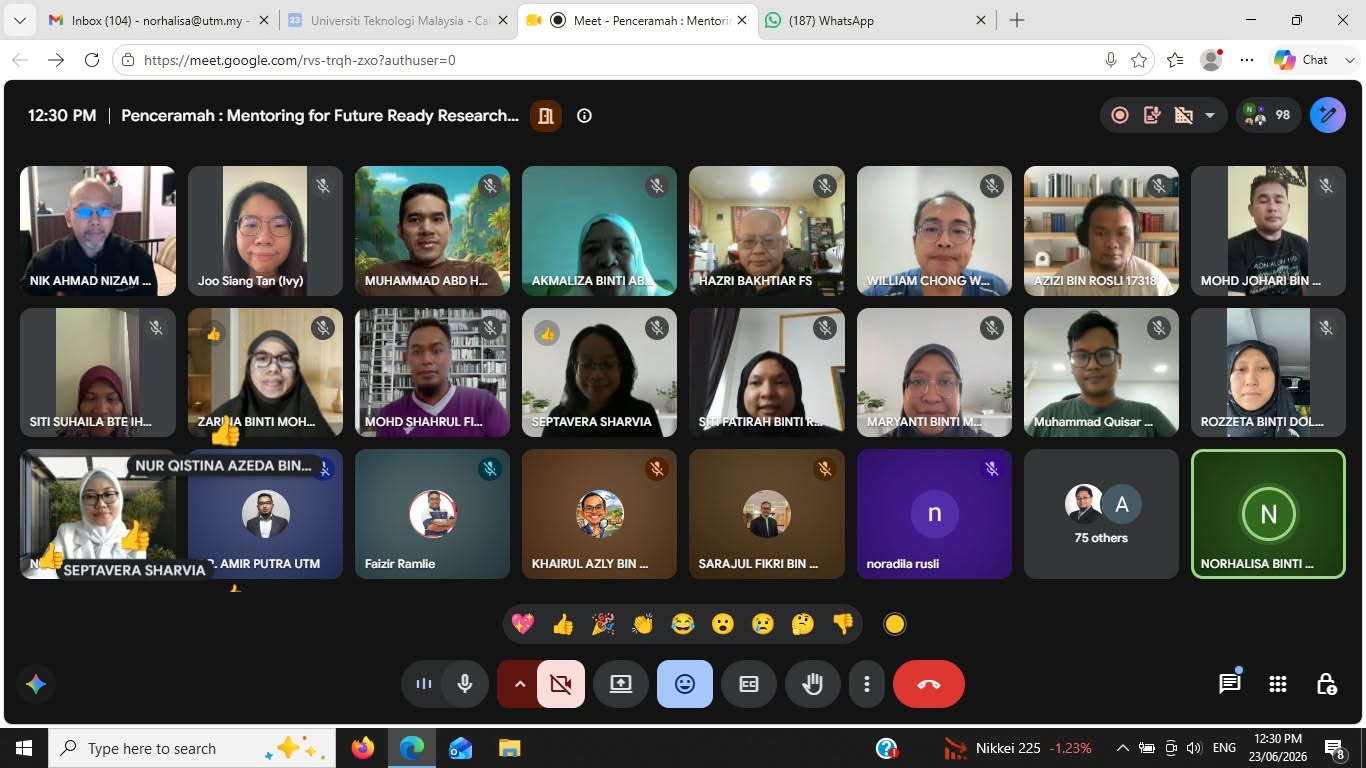
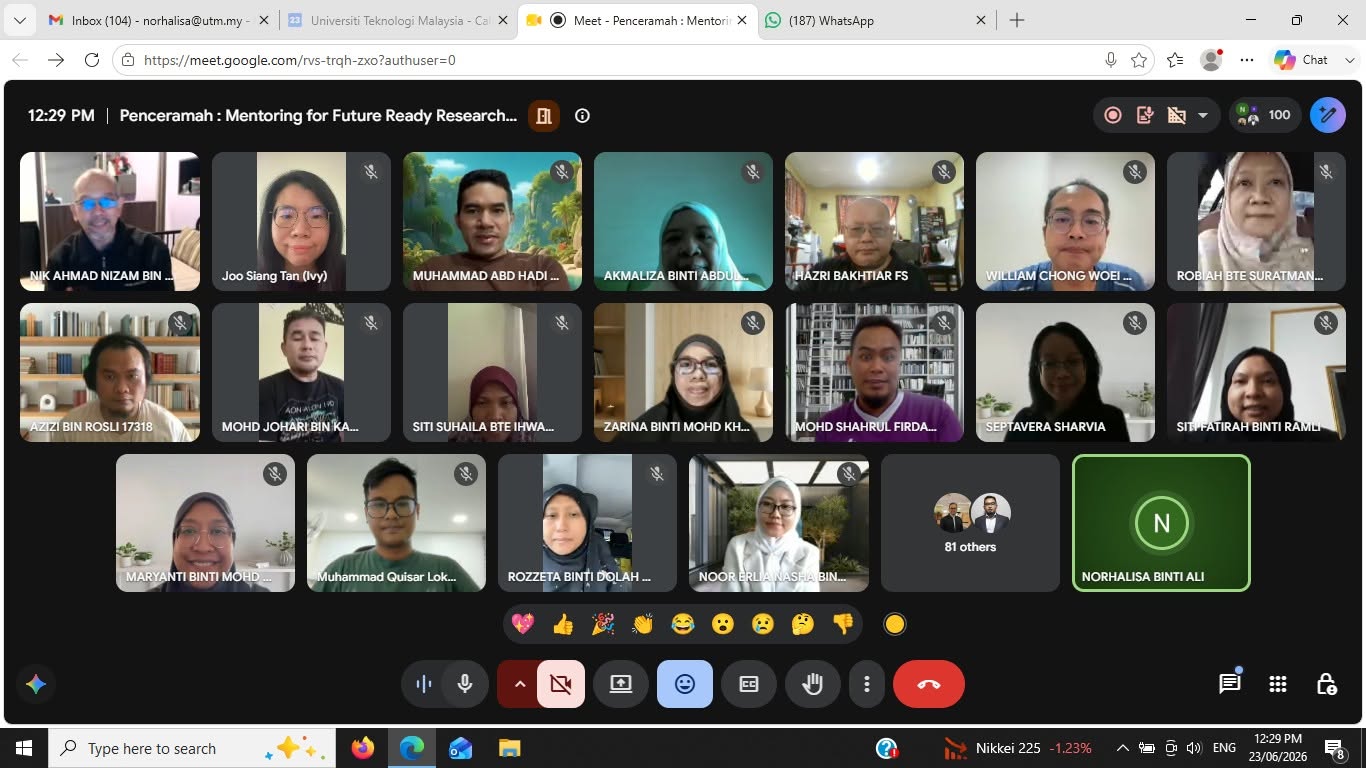
This article is adapted from a sharing session entitled “Mentoring for Future-Ready Research Leadership”, delivered by Assoc. Prof. Ts. ChM. Dr. Nik Ahmad Nizam Nik Malek, Deputy Dean (Research, Innovation and Development), Faculty of Science, Universiti Teknologi Malaysia (UTM), during the Mentoring for Future-Ready Research Leadership Sharing Session 2026. The session highlighted practical strategies for developing impactful researchers by integrating research excellence, innovation, commercialization, leadership, international collaboration, and talent development. Drawing upon the Top Research Scientists Malaysia (TRSM) framework of the Academy of Sciences Malaysia (ASM) and the author’s own academic journey, this article presents key principles and best practices for cultivating research leaders who are equipped to address future scientific and societal challenges.