Hat Yai, Thailand | 26–28 August 2026
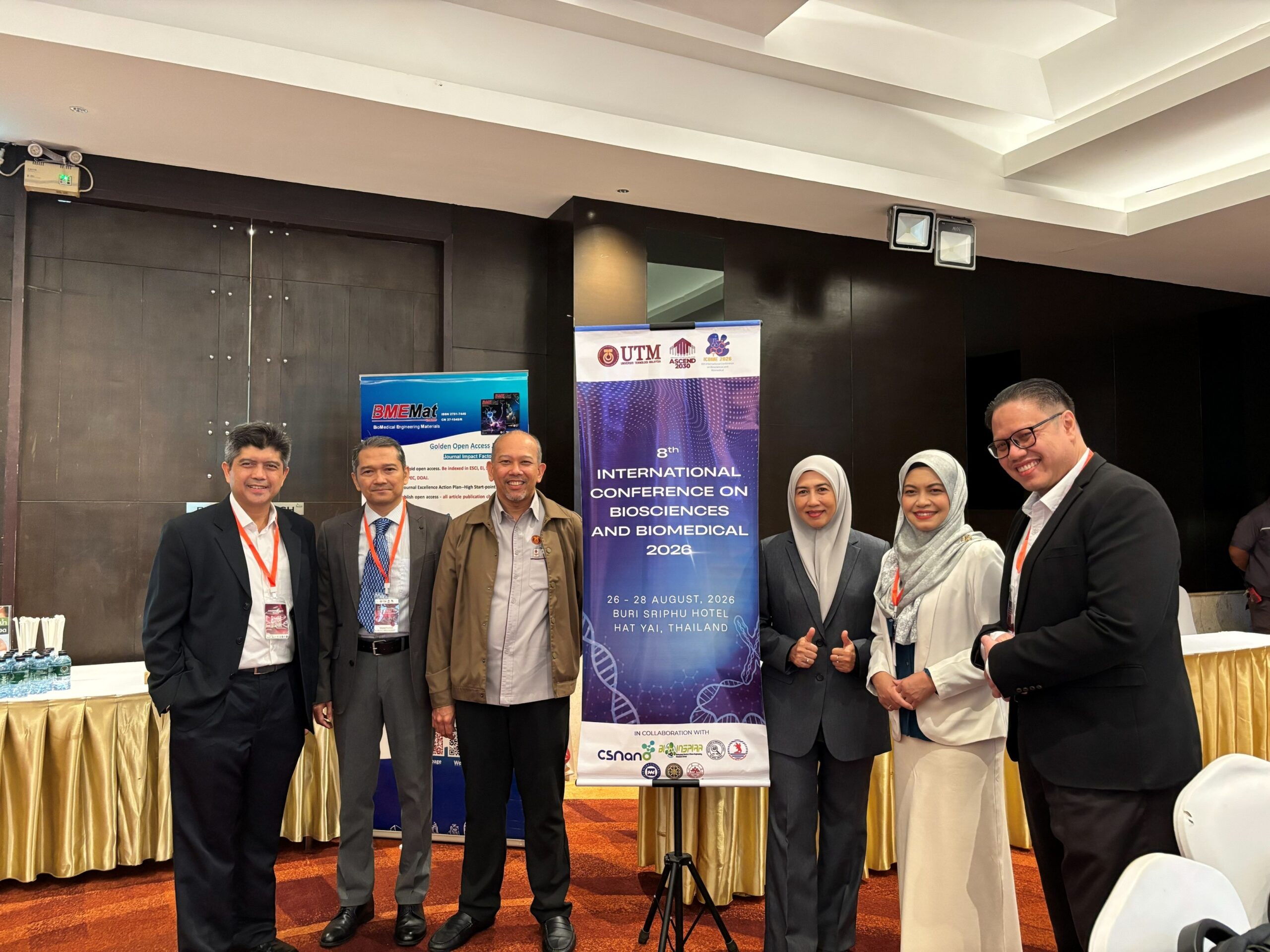
I had the opportunity to participate in the 8th International Conference on Biosciences and Medical Engineering (ICBME 2026), held from 26 to 28 August 2026 at Buri Sriphu Hotel, Hat Yai, Thailand. Organised by the Department of Biosciences, Faculty of Science, Universiti Teknologi Malaysia (UTM), the conference brought together researchers, academics, postgraduate students and international collaborators to exchange ideas and explore emerging developments in biosciences and biomedical research.
The theme of ICBME 2026, “Emerging Technologies in Biosciences & Biomedical Research,” reflected the growing importance of multidisciplinary approaches involving biosciences, biomedical engineering, nanotechnology, advanced materials and related technologies. More importantly, the conference provided an excellent environment for developing new professional connections and strengthening existing research collaborations across institutions and countries.
Representing the Faculty of Science, UTM
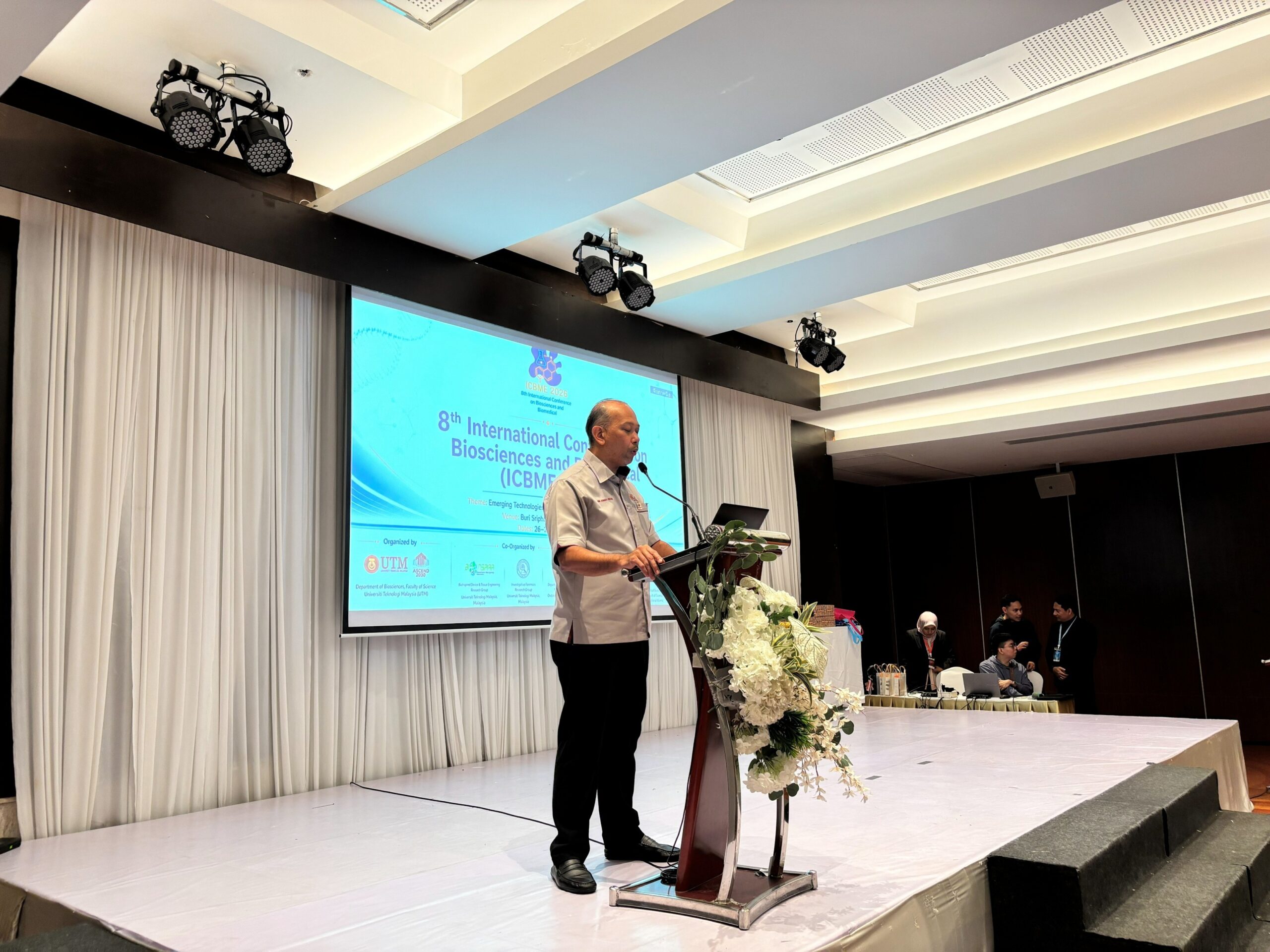
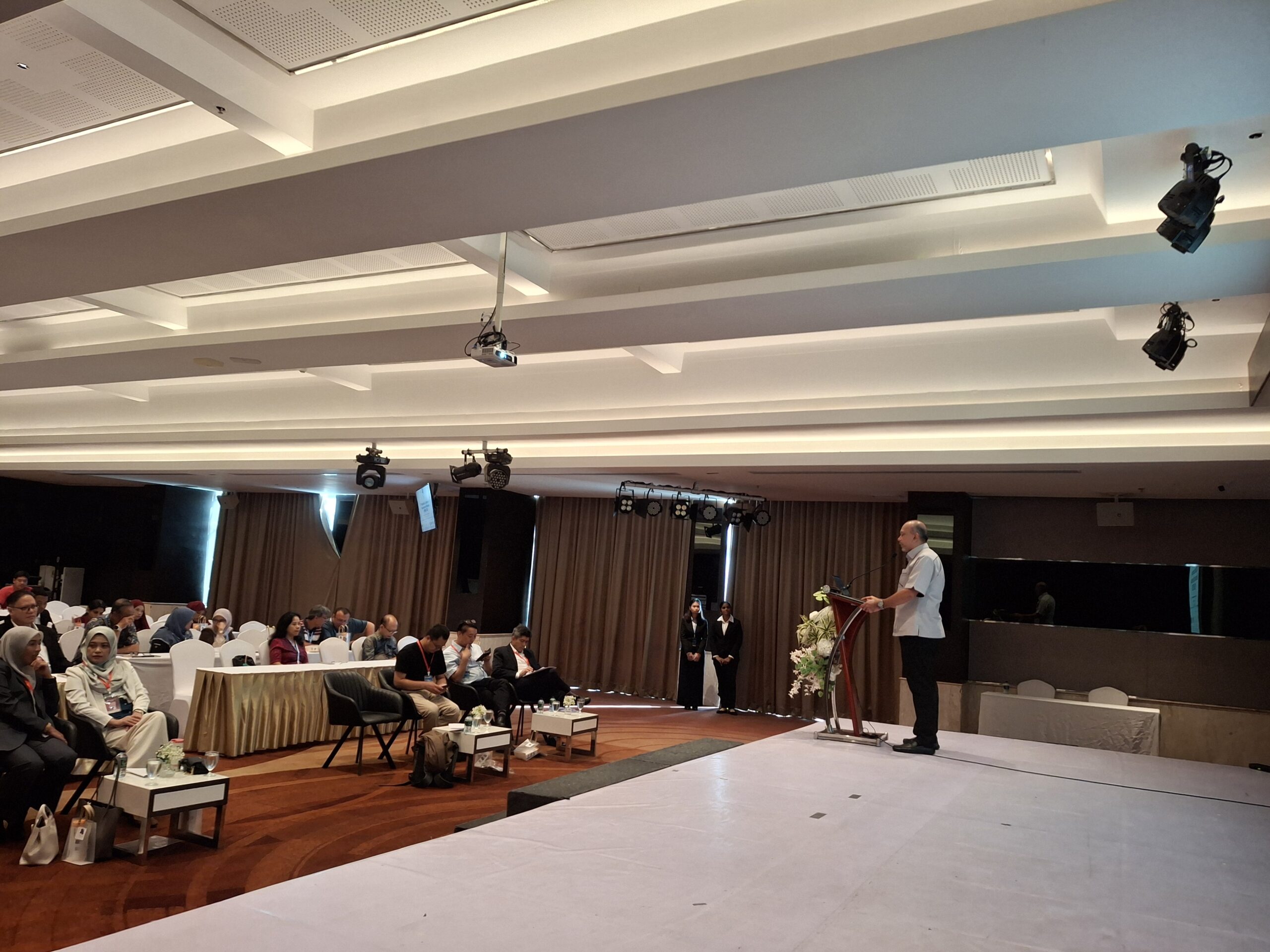
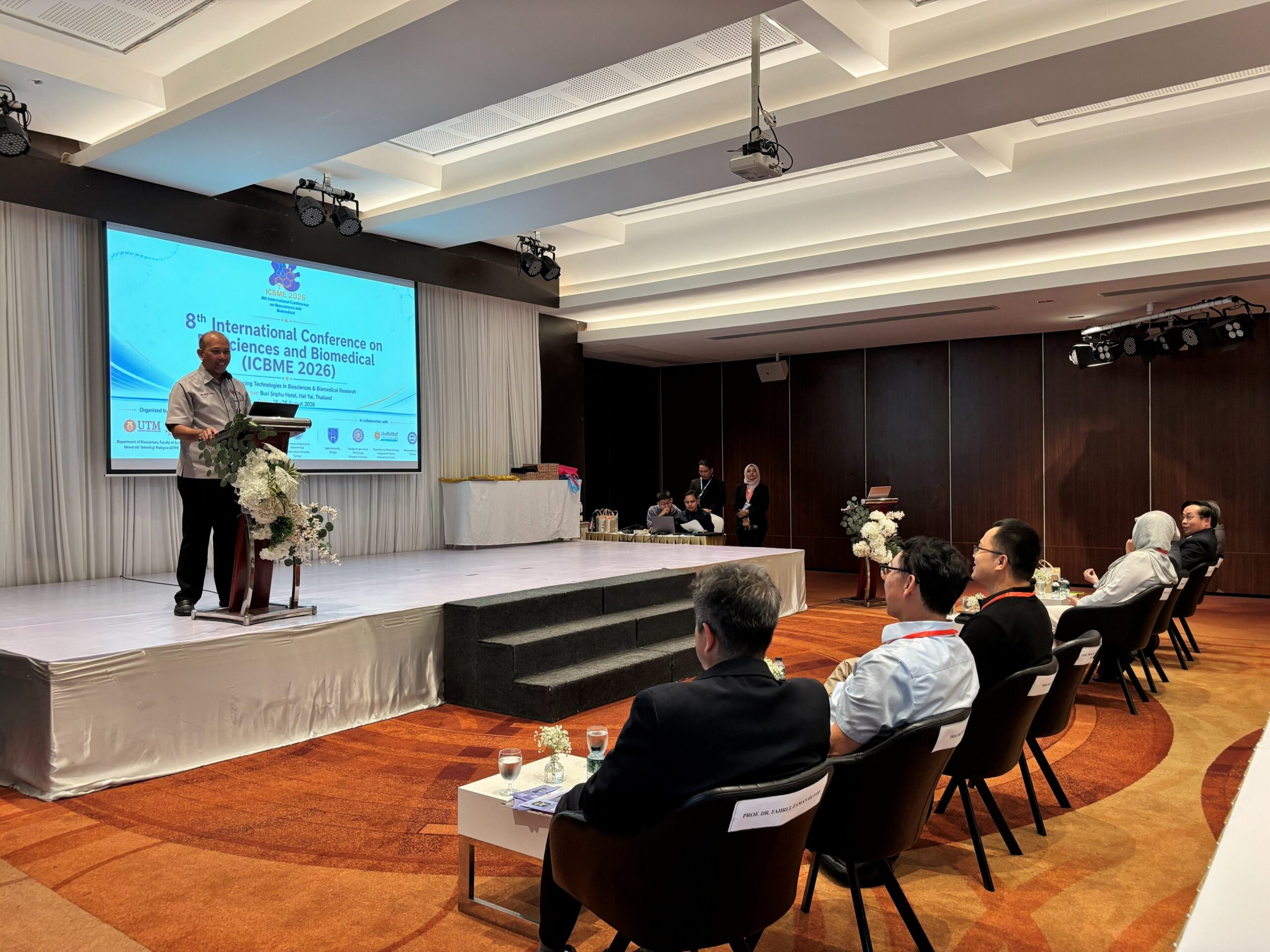
During ICBME 2026, I represented the Dean of the Faculty of Science, UTM, in my capacity as Deputy Dean (Research, Innovation and Development) and advisor to the conference. I delivered the opening remarks and had the honour of officially opening the conference.
In my welcoming address, I highlighted that an international conference should be more than a platform for presenting research findings. It should also create opportunities to meet researchers from different backgrounds, exchange experiences, build trust and establish collaborations that continue beyond the conference. Hosting ICBME 2026 in Hat Yai further reflected the growing international character of the conference and its commitment to strengthening scientific partnerships across borders.
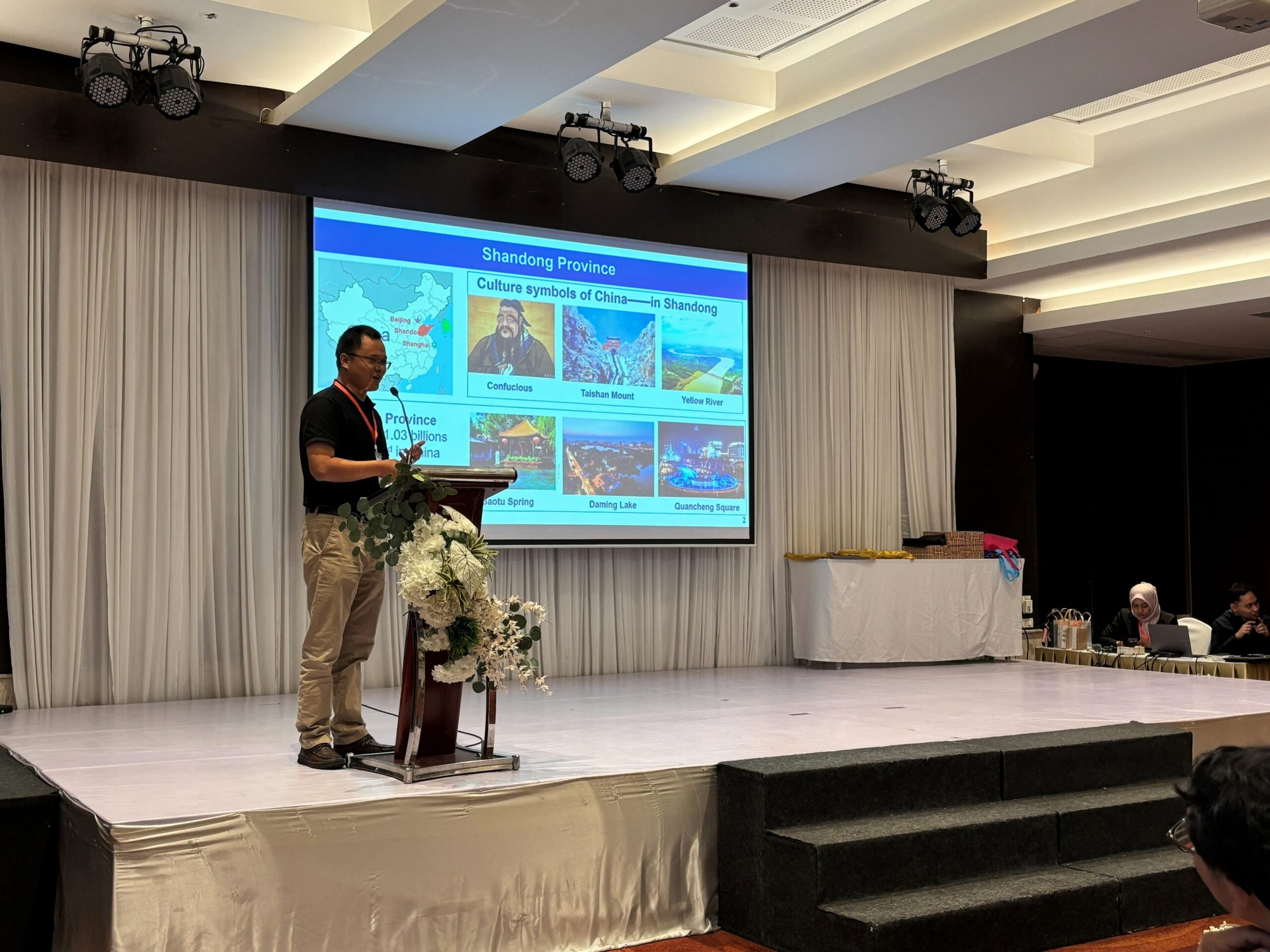
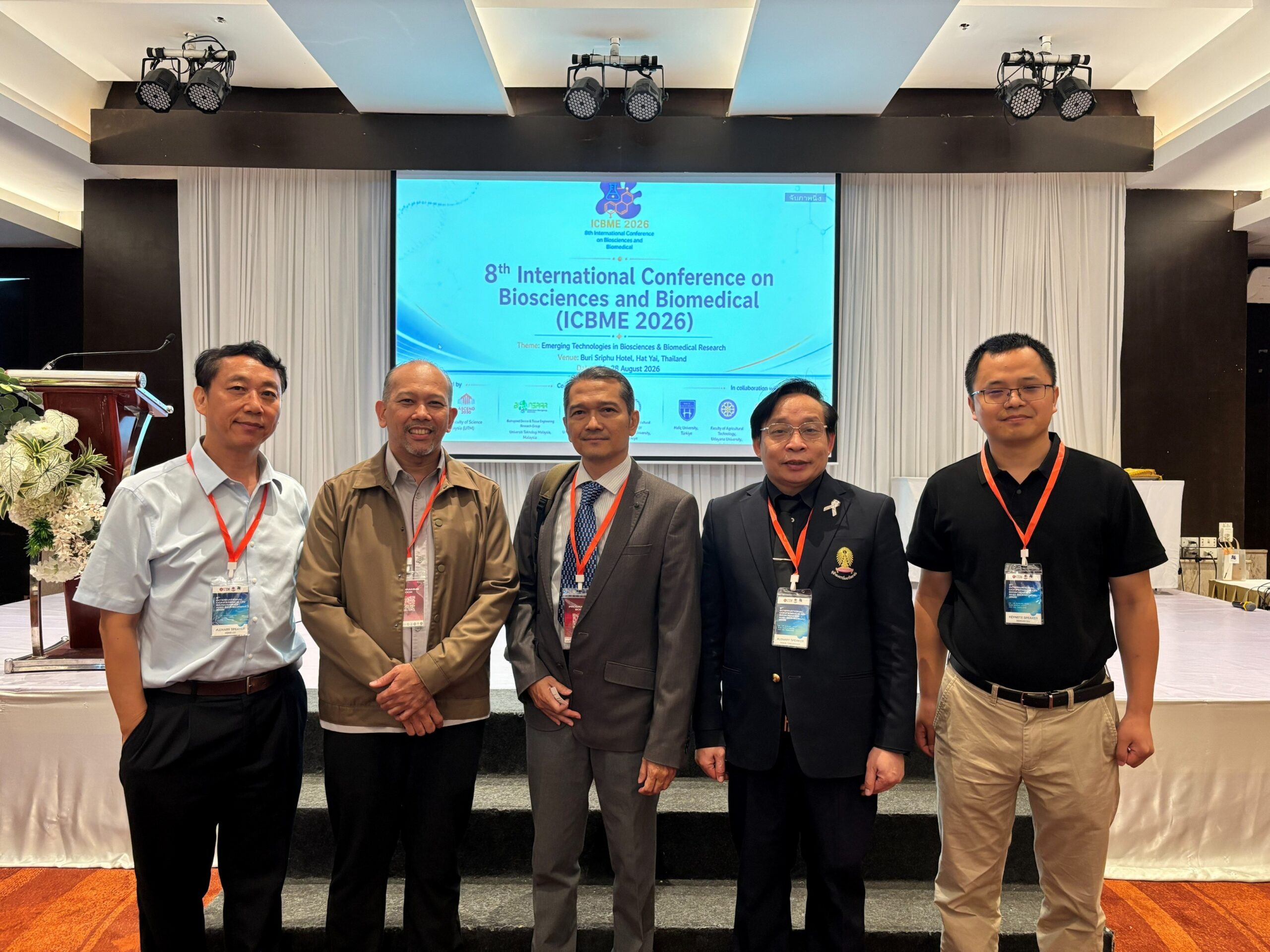
The conference featured distinguished keynote and plenary speakers, including Prof. Dr. Zafarina Zainuddin from Universiti Teknologi Malaysia, Prof. Dr. Jichuan Qiu and Prof. Dr. Hong Liu from Shandong University, China, and Prof. Dr. Tewin Tencomnao from Chulalongkorn University, Thailand.
Research Presentation and Academic Contribution
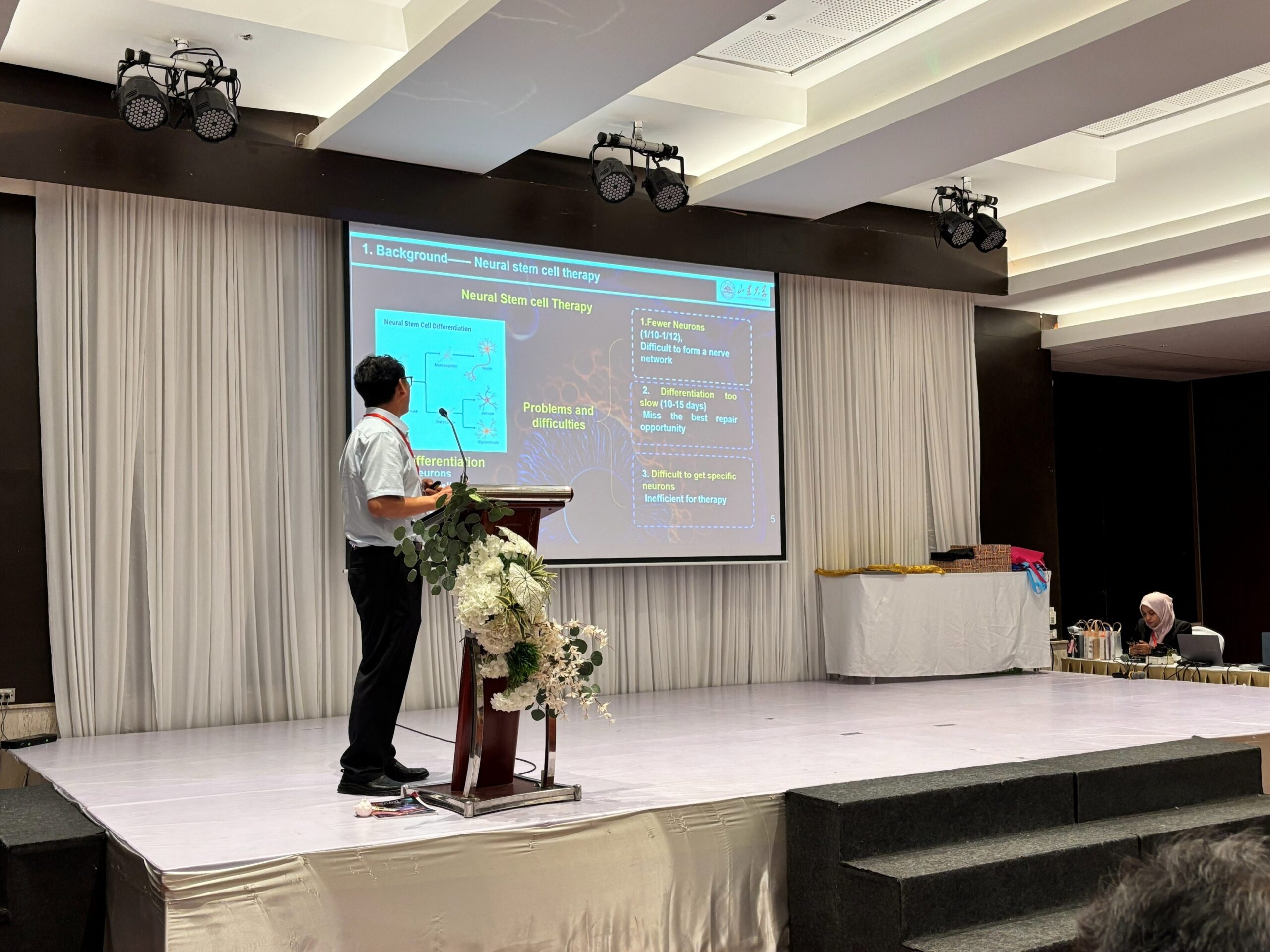
Apart from my role in the opening ceremony, I also served as moderator for the keynote presentation by Prof. Dr. Jichuan Qiu of Shandong University, entitled “Tuning the Material-Cell Interactions for Advanced Stem Cell Therapy of Brain Injuries.”
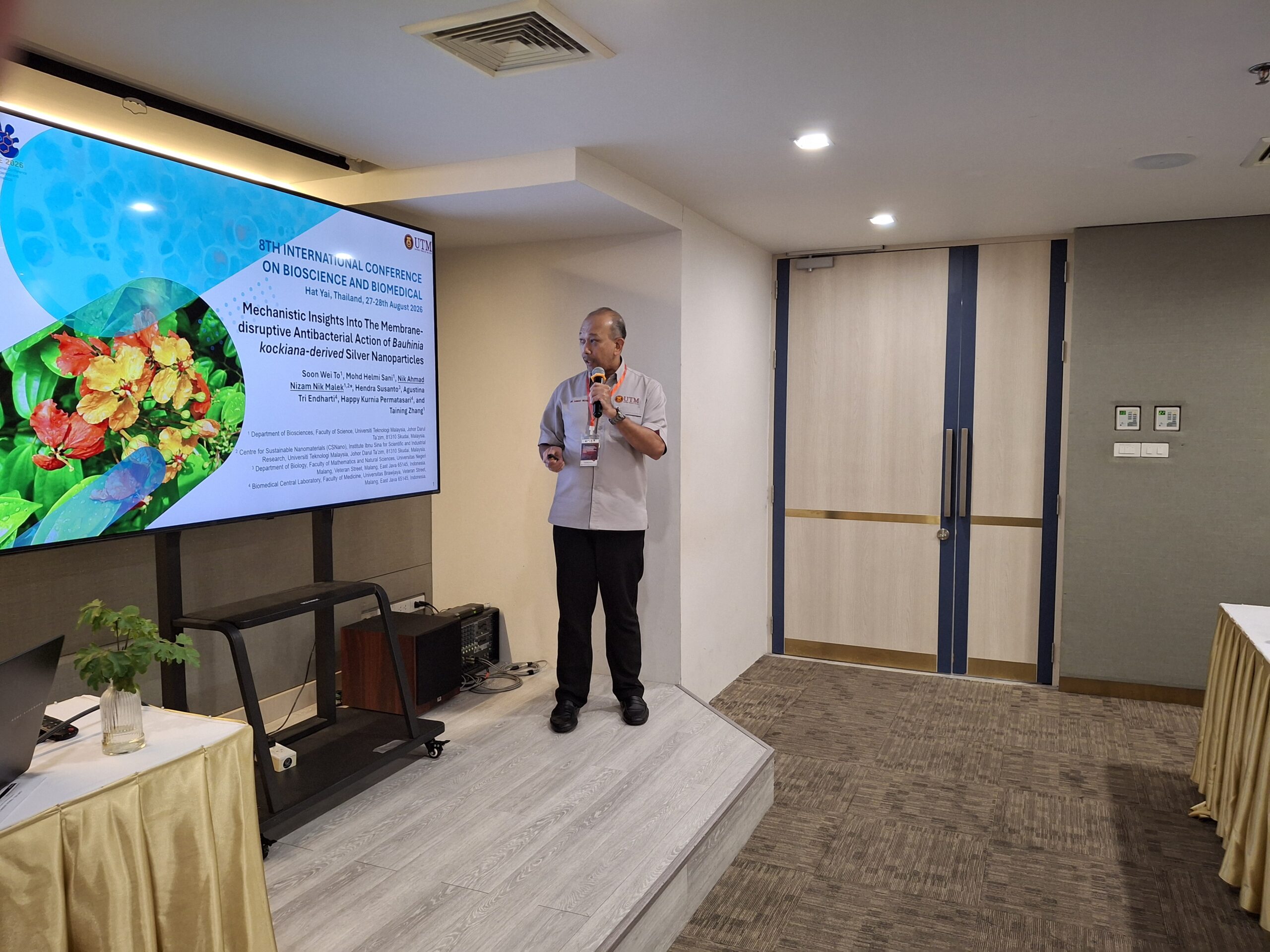
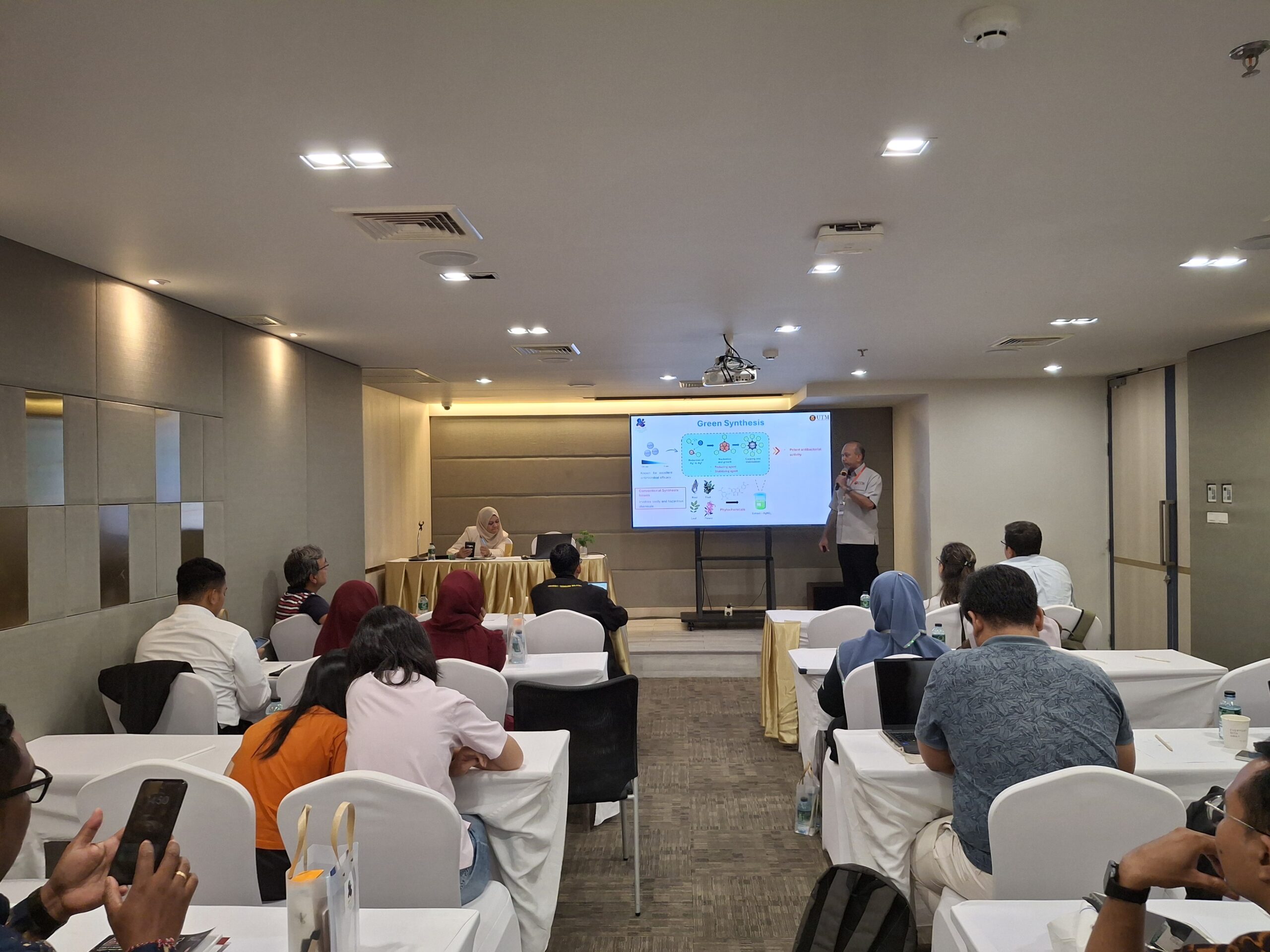
I also presented our research entitled:
“Mechanistic Insights into the Membrane-disruptive Antibacterial Action of Bauhinia kockiana-derived Silver Nanoparticles.”
The conference provided an important opportunity to communicate our findings on plant-mediated silver nanoparticles and their antibacterial mechanisms to an international audience, while also receiving perspectives and feedback from researchers working in related areas.
Our research group was further represented through several postgraduate research presentations for which I served as co-author:
- A Preliminary Cytocompatibility Assessment of Barium Titanate and Zinc Oxide Nanowires Against Human Skin Fibroblast Cells in Vitro, presented by PhD student Naseem Danish.
- Antibacterial Comparison between Gallic Acid and Gallic Acid-Loaded Trigona Honey-Palm Olein Nanoemulsion against Drug-Resistant MRSA and E. coli, presented by Master’s student Amirah Amilin.
- Green-synthesized Bauhinia kockiana-Silver Nanoparticle/Chitosan Hydrogels for Antibacterial and Antibiofilm Wound Dressing Application, presented by PhD student To Soon Wei.
It was particularly encouraging to see our postgraduate students gaining international exposure through scientific presentations and contributing directly to the conference. Several of my students were also involved in organising ICBME 2026, particularly as members of the technical team.
Recognition at ICBME 2026
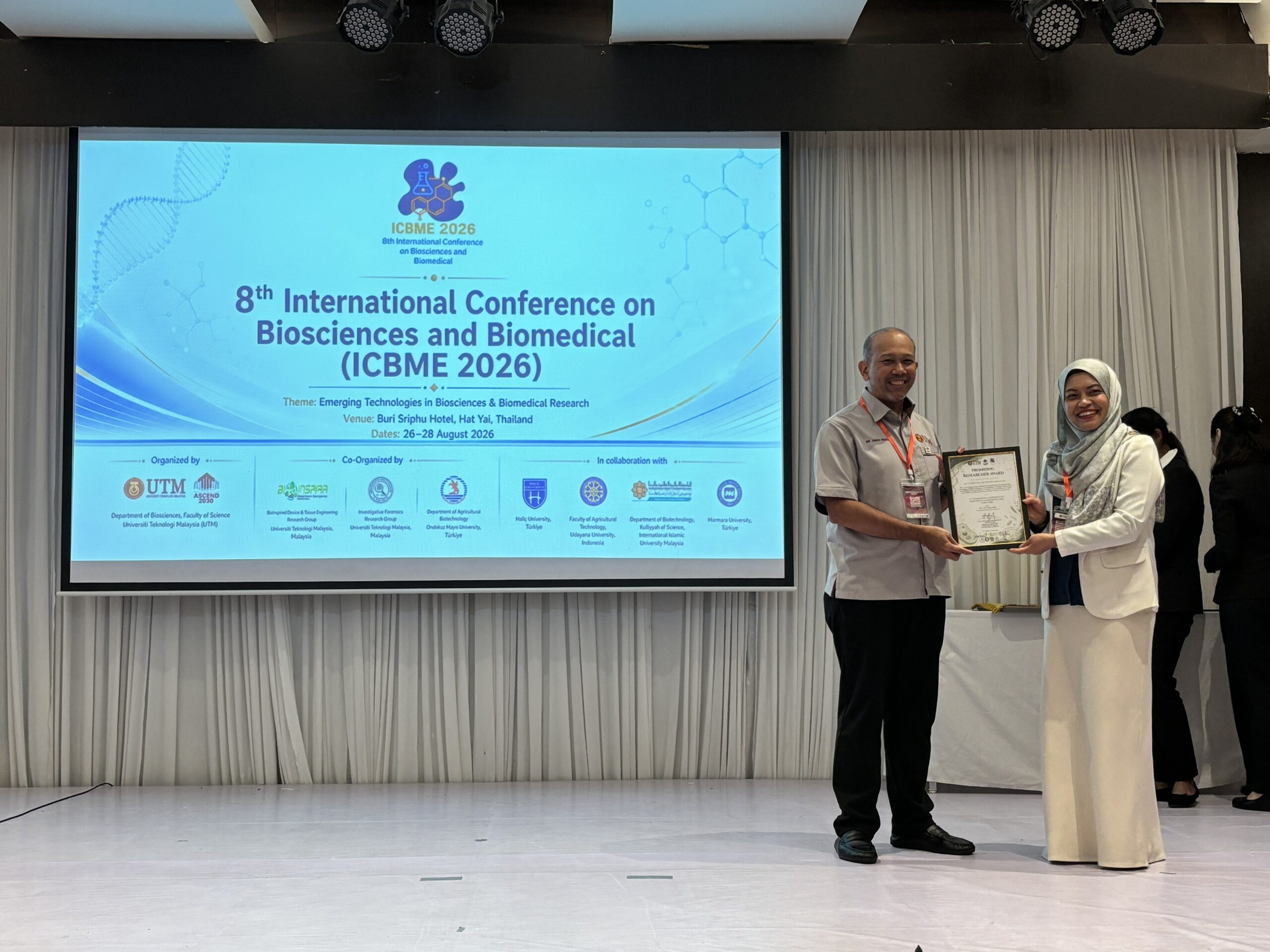
Another memorable aspect of the conference was receiving the Promising Researcher Award and Best Oral Presenter recognition. These achievements provided further encouragement to continue strengthening the quality, relevance and international visibility of our research activities.
Strengthening Collaboration with Shandong University
ICBME 2026 was also highly valuable for strengthening our ongoing research collaboration with Prof. Dr. Jichuan Qiu and Prof. Dr. Hong Liu from Shandong University, China.
During the conference, we continued discussions related to our collaborative work in 4D printing, particularly the integration of advanced functional materials with biological systems. The meeting provided another opportunity to strengthen communication between the research teams and discuss directions for future collaborative activities.
Having our collaborators participate as keynote and plenary speakers also added significant value to the conference and created opportunities for broader interaction between researchers from UTM, Shandong University and other participating institutions.
Beyond Scientific Presentations
One of the most valuable aspects of an international conference is often what happens outside the formal presentation sessions. Discussions during breaks, meals and informal meetings can lead to new ideas, joint publications, student mobility, research attachments and larger international collaborations.
This was also one of the messages I shared during the opening ceremony. Young researchers and postgraduate students should take advantage of such platforms not only to present their work, but also to introduce themselves, ask questions and develop their international research networks.
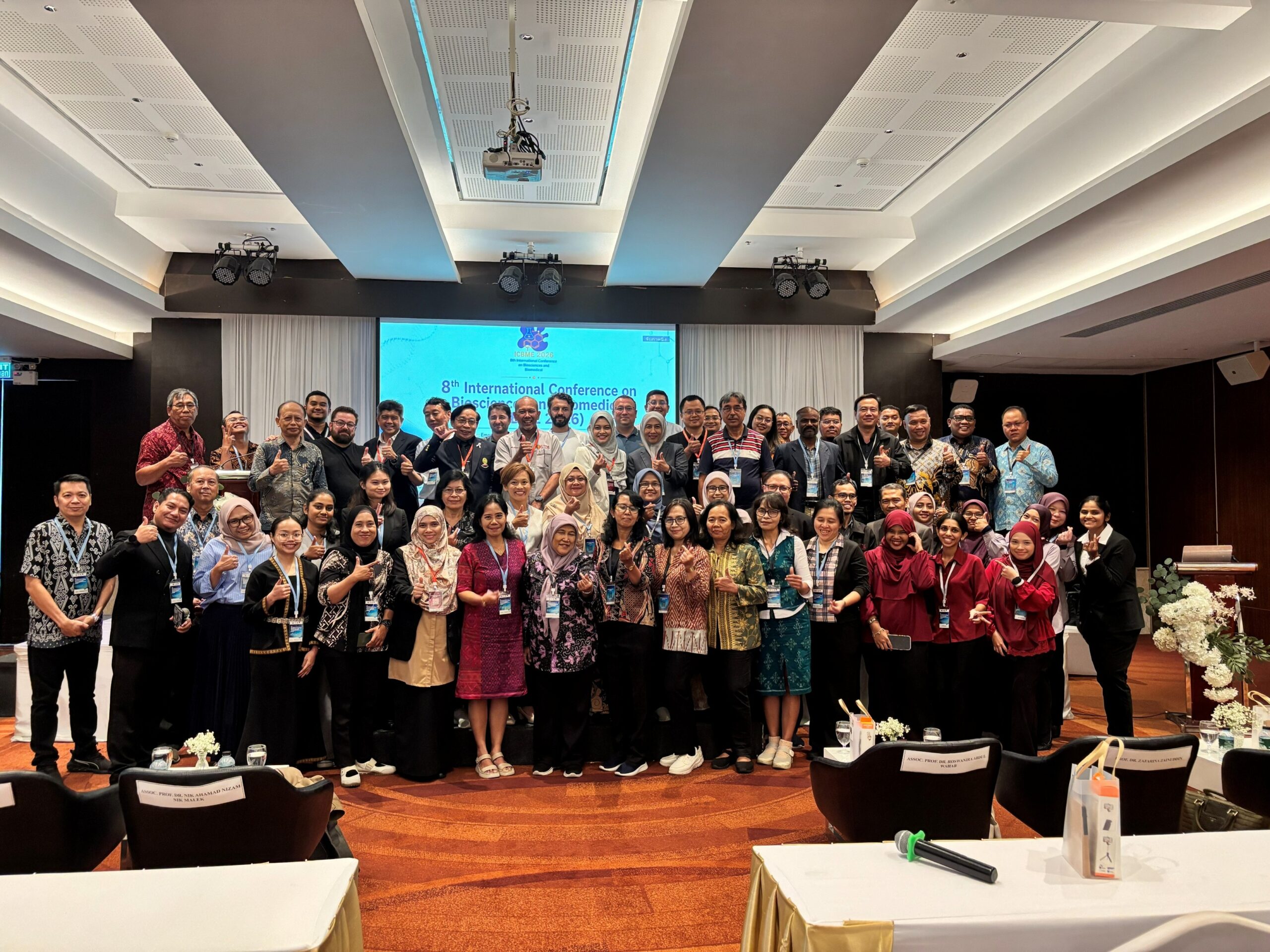
ICBME 2026 therefore represented more than a scientific meeting. It provided a valuable platform for research dissemination, postgraduate development, international networking and the strengthening of strategic collaborations.
I am grateful to the conference chairperson, organising committee, co-organisers, collaborating institutions, speakers, presenters, students and volunteers whose contributions made ICBME 2026 possible.
The experience in Hat Yai was both professionally rewarding and personally meaningful, and I look forward to translating the discussions and connections established during ICBME 2026 into further research activities, publications and international collaborations.