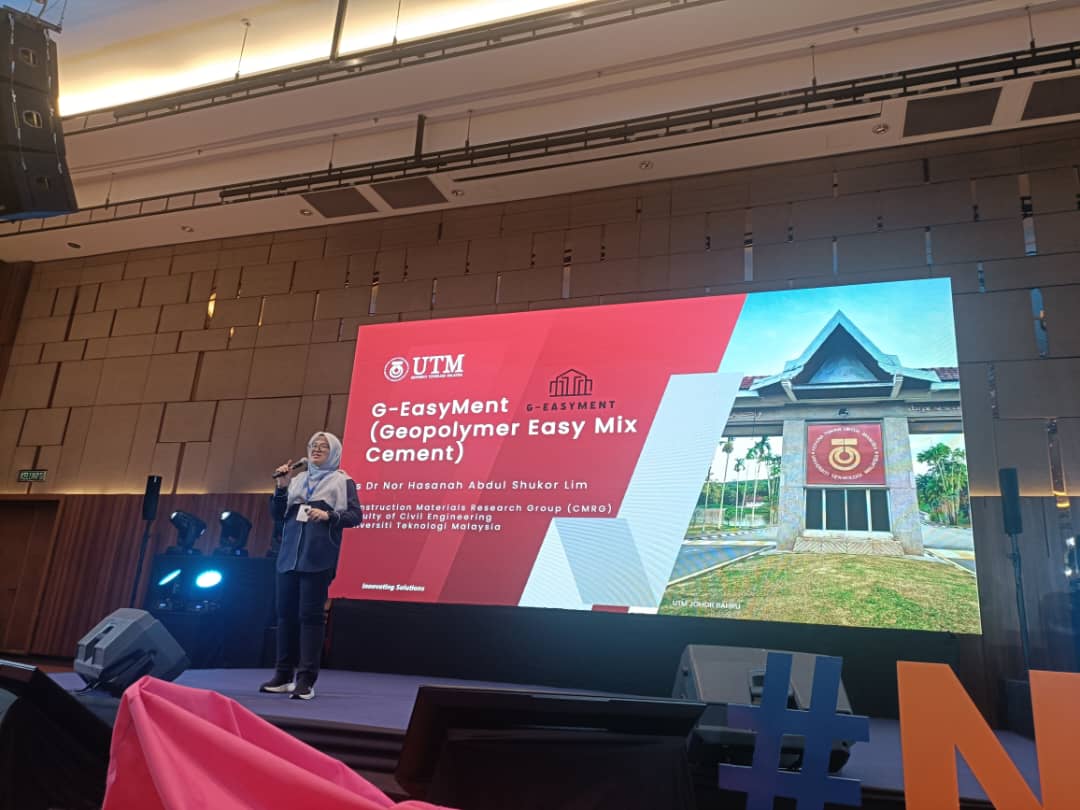
My Researches
What if we could build stronger, smarter structures while actually helping the planet? That's the question that drives my research. I transform industrial waste—fly ash, bottom ash, agricultural by-products—into high-performance concrete that's not just eco-friendly, but often outperforms traditional materials. From geopolymer concrete that eliminates cement entirely, to lightweight solutions that reduce structural weight and energy consumption, my work is about proving that sustainability and excellence aren't trade-offs—they're partners.
Research Areas
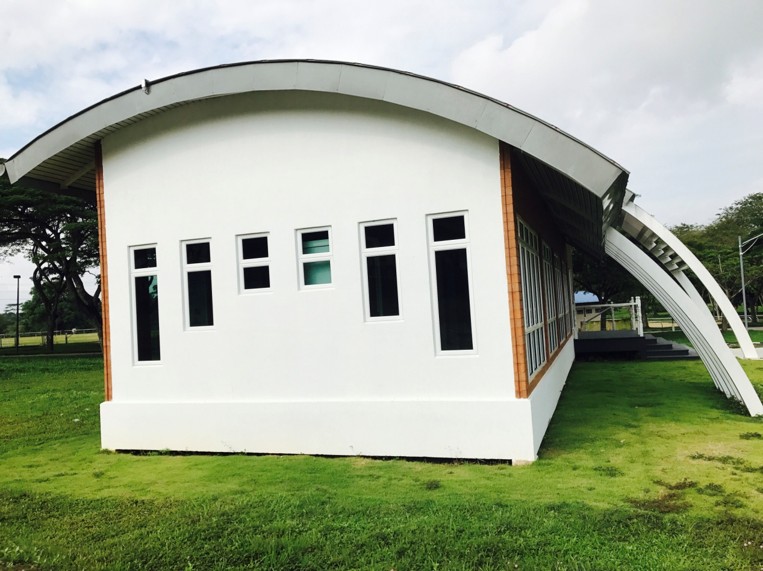
Fibrous Nano Biomass Concrete
Use more than 80% of waste from oil palm industries in producing nano-biomass concrete. Adopted in Eco Home UTM.
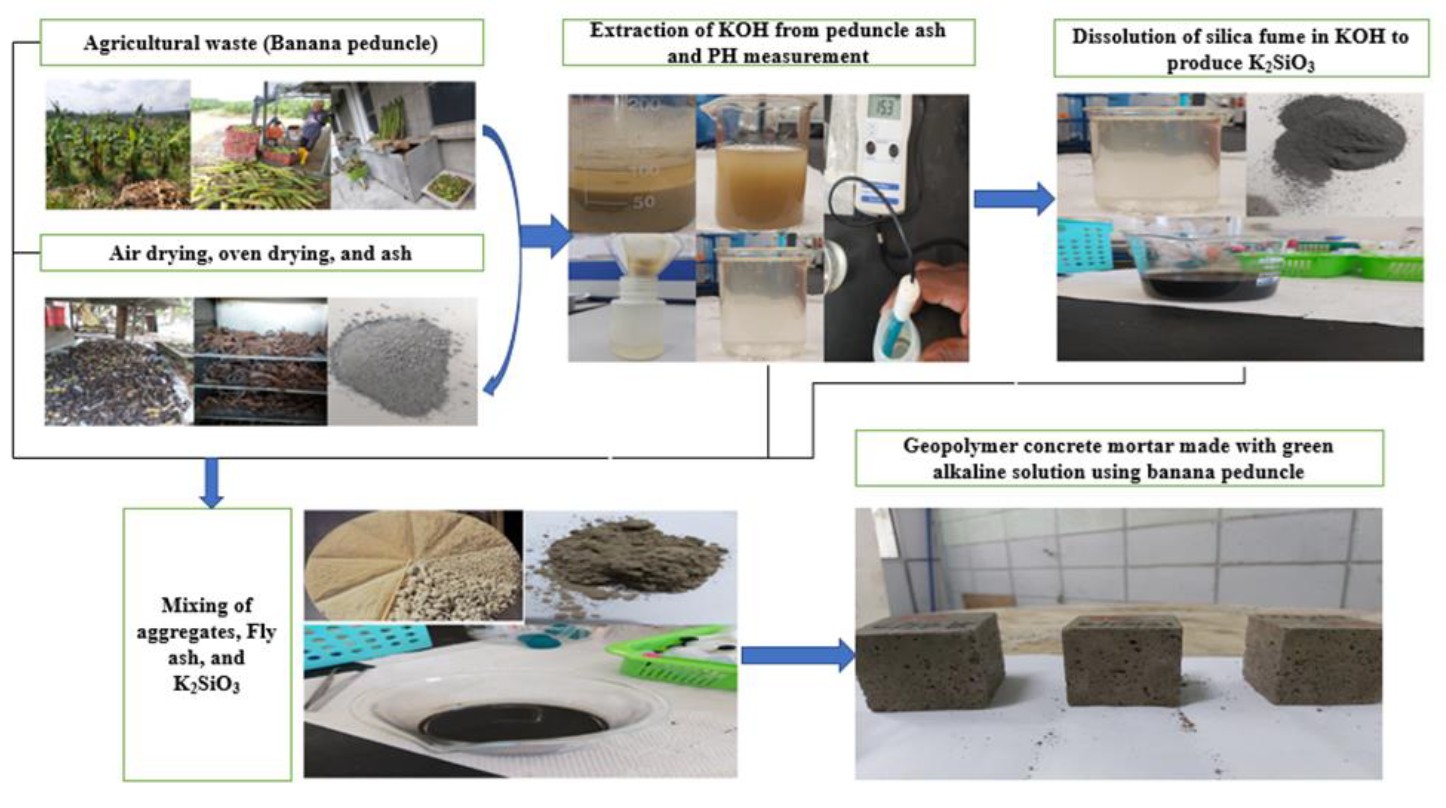
Green Alkaline Solution for Geopolymer Concrete
Development of an environmentally friendly alkaline activator for geopolymer concrete, reducing the environmental impact of traditional activators while maintaining or improving performance.
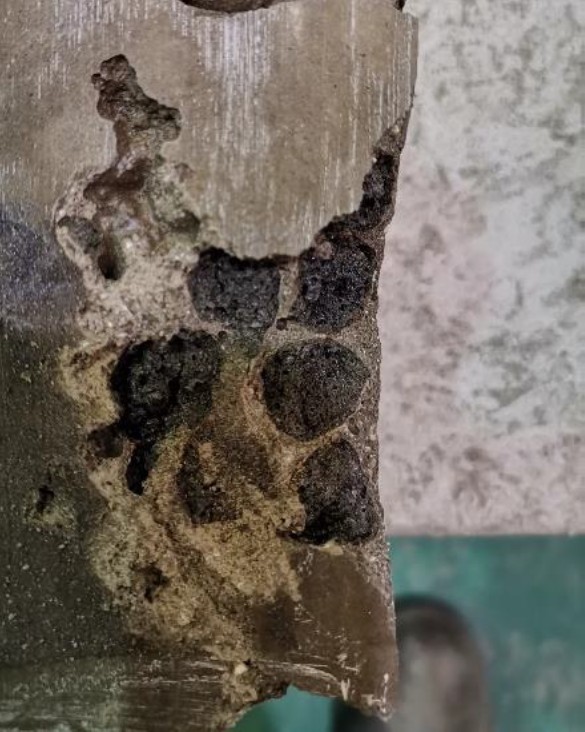
Lightweight Geopolymer Concrete
Integration of lightweight aggregates with geopolymer binders to create a sustainable lightweight concrete with reduced carbon footprint and improved thermal properties
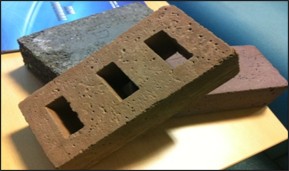
Eco Green Brick (EGB)
Eco Green Brick with environmental friendly concept with no cement and sand used.
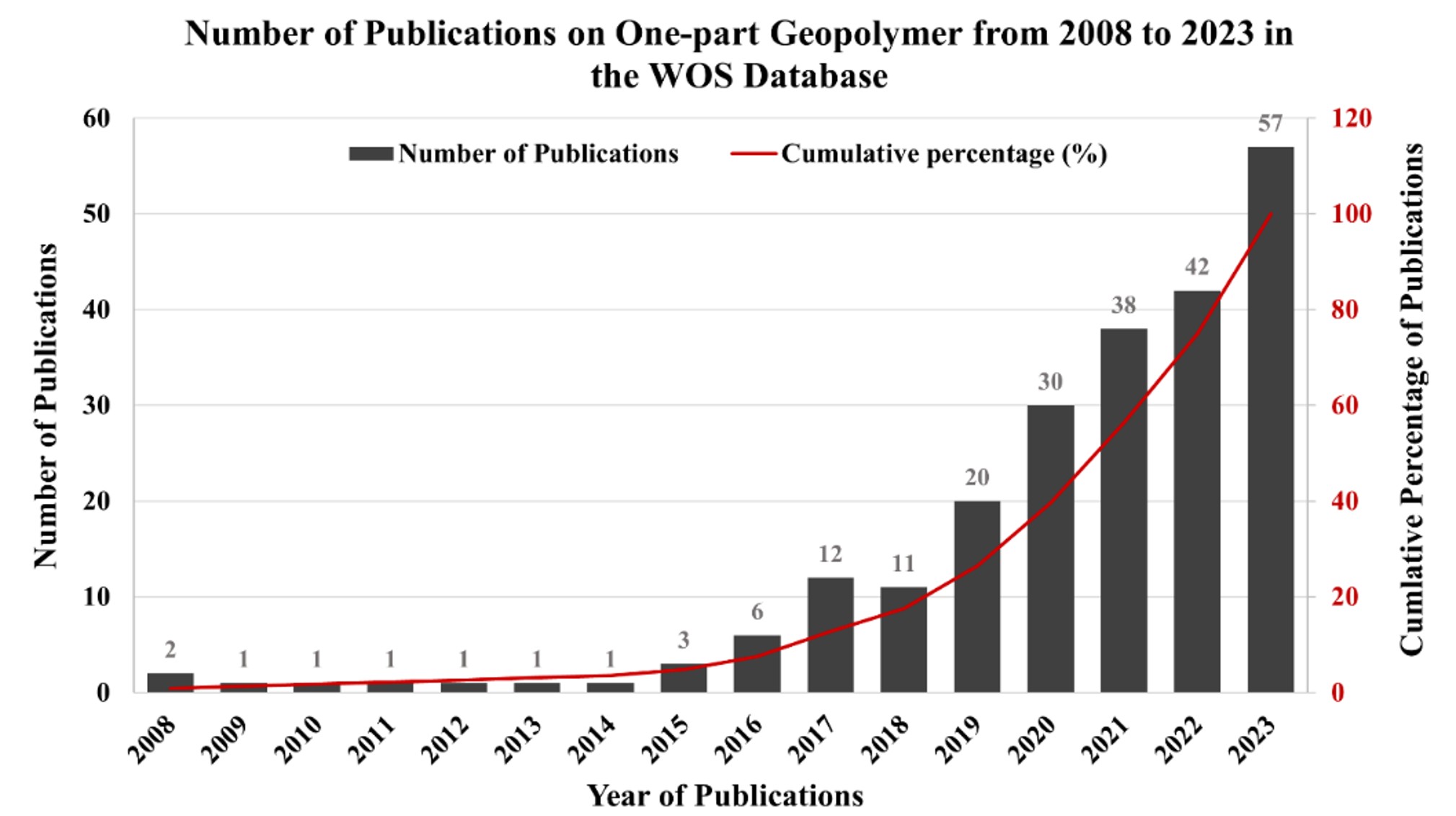
One-Part Geopolymer Concrete
Investigation into the development of one-part geopolymer concrete that can be mixed with water on-site, similar to ordinary Portland cement, facilitating easier adoption in the construction industry
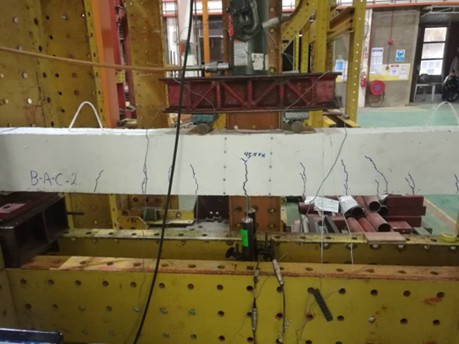
Ceramic Waste in Reinforced Concrete
Investigation of the flexural behavior of reinforced concrete beams incorporating ceramic waste as cement and aggregate replacement, demonstrating improved performance in certain applications

Lightweight Concrete Panel from Coal Bottom Ash
Development of lightweight concrete panels using coal bottom ash as a replacement for conventional aggregates, resulting in panels with excellent thermal and acoustic properties for sustainable building applications.
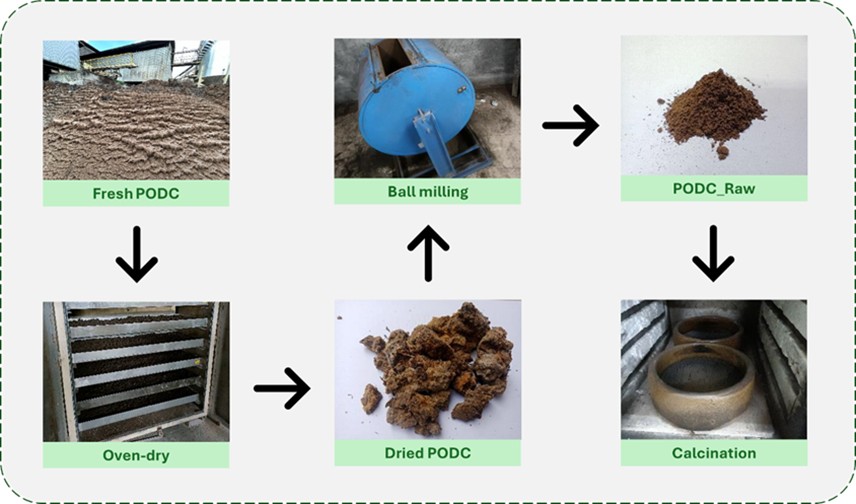
Biomass Waste in Geopolymer Concrete
Exploration of the reactivity and fire resistance properties of green materials from biomass waste in geopolymer concrete, creating a more sustainable and fire-resistant construction material
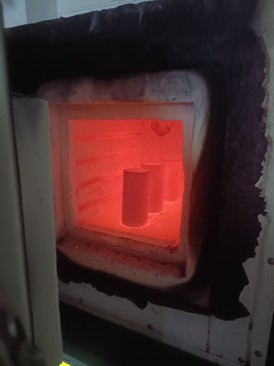
Fire Resistance of Geopolymer Concrete
Investigation of the fire resistance properties of geopolymer concrete compared to traditional concrete, with a focus on developing formulations with enhanced performance at elevated temperatures
Selected Publications
Patents & Innovations
High Performance Cement Free Brick from Agro-Industrial Waste
MY-178149-A
A method for producing high-performance bricks without cement, utilizing agro-industrial waste materials. This innovation reduces carbon emissions and provides a sustainable alternative to traditional brick manufacturing.
Granted: 2013
Binder And Strength Performance Of Fibre Reinforced Geopolymer PFA-POBA Mortar
MY-176128-A
A formulation for fiber-reinforced geopolymer mortar using pulverized fuel ash and palm oil boiler ash, offering enhanced strength and durability compared to conventional mortars.
Method Of Producing Fibrous Nano-Biomass Concrete From Biomass
MY-171721-A
A novel method for incorporating nano-scale biomass fibers into concrete, improving mechanical properties and sustainability through the utilization of agricultural waste.
Environmentally Friendly Concrete Material (CERA ECO BLOCK)
MY-180173-A
An eco-friendly concrete formulation incorporating ceramic waste, reducing the environmental impact of concrete production while maintaining or improving performance characteristics.
Geopolymer mortar for repairing works
MY-186371-A
A specialized geopolymer mortar formulation designed specifically for concrete repair applications, offering superior bonding, durability, and environmental benefits compared to traditional repair mortars.
High performance concrete with significantly reduced cement and sand
MY-186799-A
A high-performance concrete formulation with substantially reduced cement and sand content, achieved through the strategic incorporation of waste materials and optimized mix design.
High Performance Geopolymer Concrete Without Cement And Sand (GEO-CAST)
PI 2017700920
An innovative geopolymer concrete formulation that eliminates the need for both cement and natural sand, utilizing waste materials to create a high-performance, environmentally friendly construction material.
A Geopolymer Concrete Having Green Alkaline Solution And Method Of Preparation Thereof
PI2022007568
A novel geopolymer concrete formulation utilizing an environmentally friendly alkaline solution, reducing the environmental impact of traditional geopolymer activators while maintaining structural performance.
Collaborators

Hanyang University
Collaboration on microstructure and hydration models of POFA concrete and durability performance of concrete using agro-industrial waste.

Universiti Malaysia Pahang
Joint research on building maintenance practices and approaches to sustainable construction in Malaysian universities.

Universitas Sriwijaya
Joint research on structural behavior of composite connections in precast concrete and lightweight concrete applications.

Universiti Tun Hussein Onn Malaysia
Collaboration on the development of interlocking hollow brick systems and other innovative construction technologies.

Construction Research Institute of Malaysia (CREAM)
Collaboration on the development and implementation of Industrialized Building System (IBS) technologies and sustainable construction practices.

Industry Partners
Collaboration with various industry partners including MMHE, Alam Flora, and others on the practical application of research findings and technology transfer