
Automotive Electrical & Electronics Malaysia Summit 2025 (AEEMS2025)
AEEMS2025 took place on May 28–29, 2025, at Aloft Kuala Lumpur Sentral, Malaysia. The summit is expected to attract 200+ attendees from the automotive electrical and electronics ecosystem, bringing together representatives from government bodies, associations, OEMs, Tier 1 suppliers, and key industry players across batteries, e-motors, electrification, charging solutions (CPOs and charger providers), utilities, powertrain, testing, and related materials and services (e.g., adhesives, sealants, tapes, consultancy, and logistics).
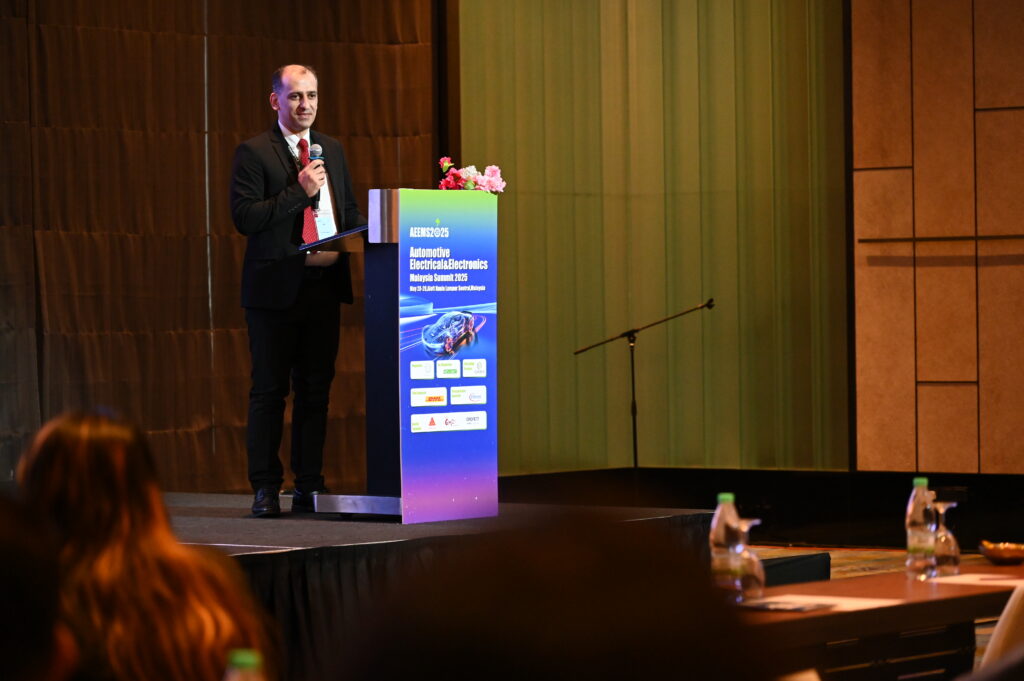
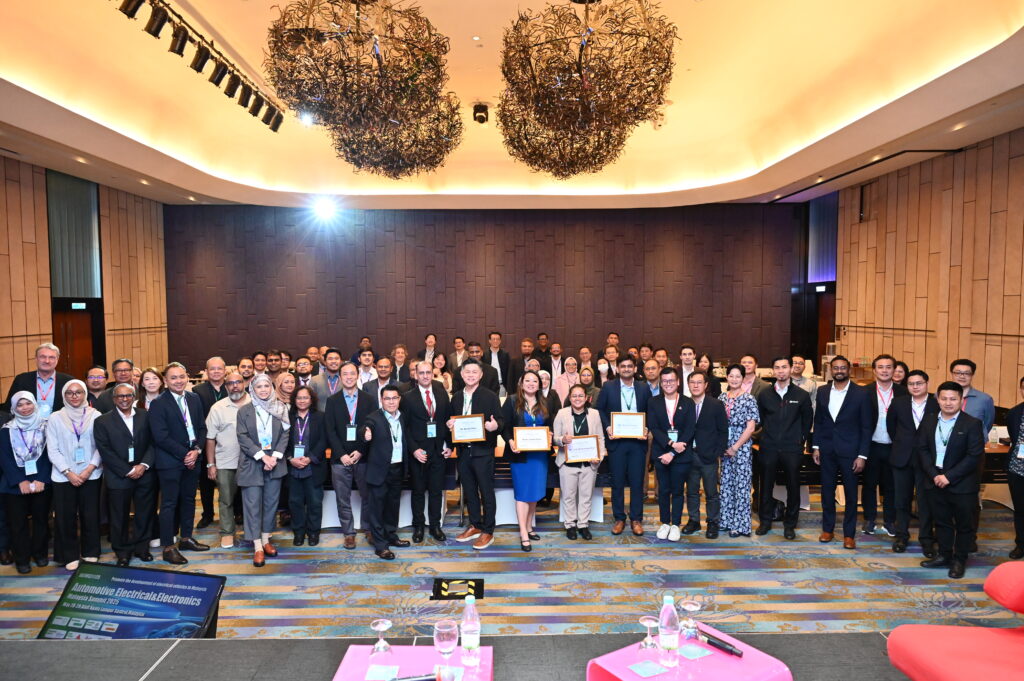
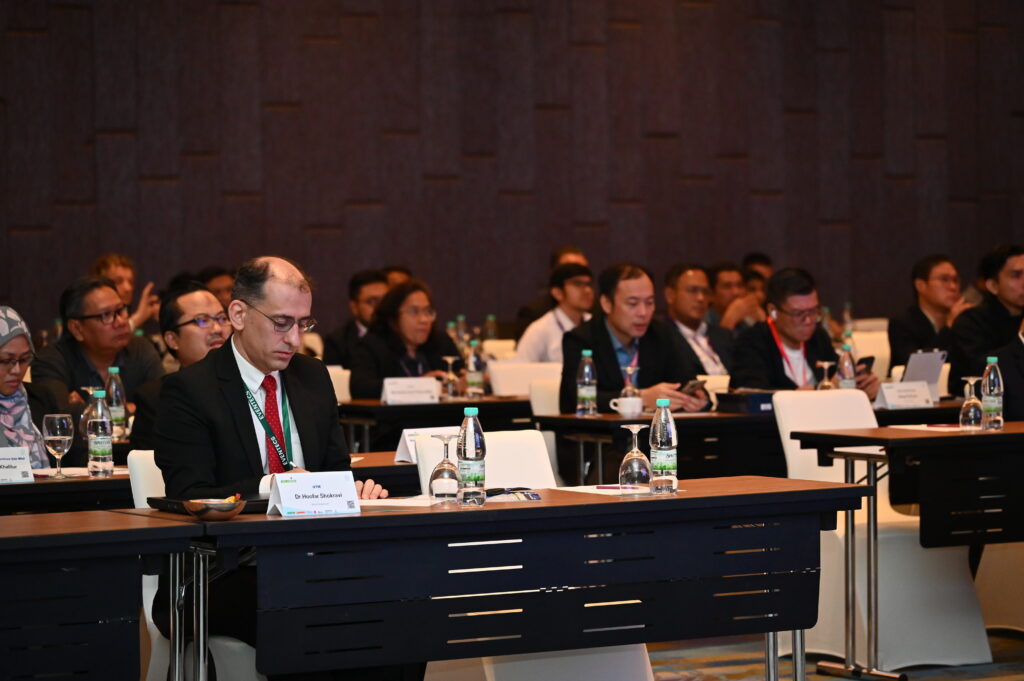
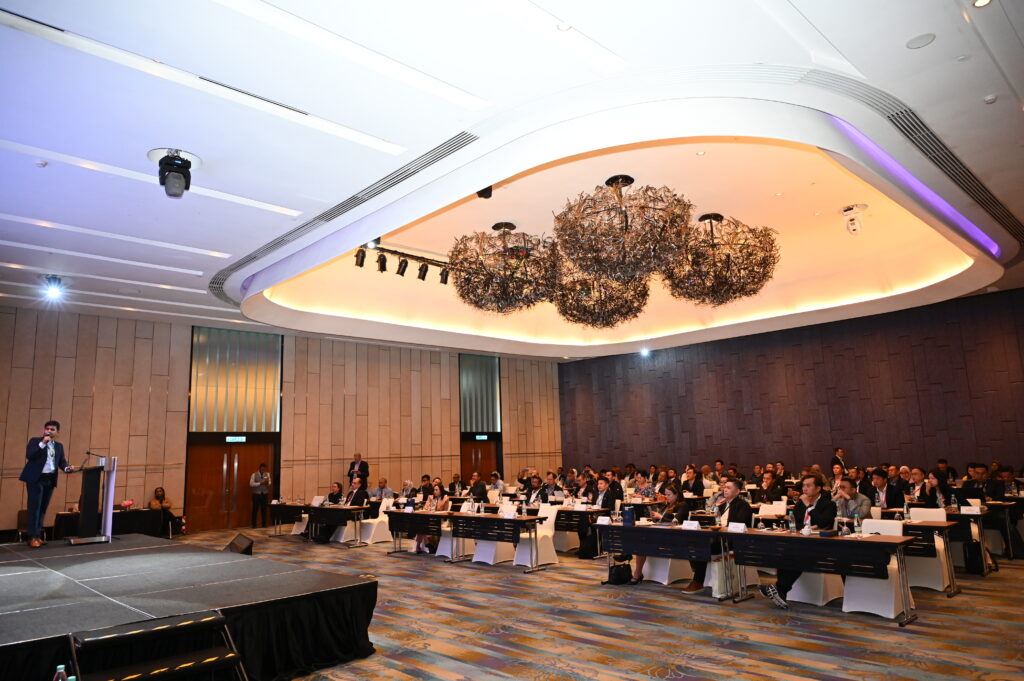
Dr Hoofar served as the Chairman of AEEMS2025 and delivered a presentation on the development of Connected and Automated Vehicles (CAVs) and their potential contributions to Intelligent Transportation Systems (ITS), including road and traffic monitoring/management—highlighting how vehicle connectivity, automation, and data can support safer, smarter, and more efficient mobility systems. AEEMS2025 (held May 28–29 at Aloft Kuala Lumpur Sentral, Malaysia) brought together stakeholders across policy, supply chains, batteries, automotive electronics, ADAS, charging infrastructure, and the broader e-mobility ecosystem. The agenda was structured into two days with focused sessions and panel discussions designed to connect strategy with deployment.
On Day 1 (May 28), the programme emphasized industry trends, policy frameworks, and investment readiness, including talks on EV supply-chain infrastructure, government incentives for NEV development, EV fleet management, localization readiness, and a panel on Malaysia’s EV supply-chain and manufacturing ambitions. The afternoon shifted to advanced battery technologies and manufacturing, covering compliance and ecosystem optimization, battery business opportunities, EV/battery logistics, automotive E&E strategies, ADAS assessment directions (including ASEAN NCAP), and a panel on overcoming barriers to battery innovation.
On Day 2 (May 29), the agenda aligned closely with Dr Hoofar’s theme by spotlighting automotive electronics and ADAS applications, including autonomous mobility pathways and commercialization, smart/dynamic charging and V2G, perception/AI applications, sensor fusion for ADAS, and a panel discussion on improving EV and ADAS development processes. The afternoon focused on charging infrastructure and the development of the mobility ecosystem, addressing battery testing capabilities, charging standards for light electric vehicles, integrating charging into urban planning, grid EV management, talent development, and a final panel on strengthening national ecosystem cooperation, followed by closing remarks.
