Social and ethical issues related to the planning, development, implementation and use of new media and information and communication technologies
* Journal of Information, Communication and Ethics in Society
CL: Business Intelligence and Big Data for Innovative and Sustainable Development of Organizations
* Information Systems Management Journal
CL: Negotiation, Leadership, and Technology Minitrack
* Group Decision and Negotiation (GDN)
CL: Social Media and e-Business Transformation Minitrack
* Internet Research
DA: Novel Uses, Opportunities, and Challenges of Blockchain for Digital Services
* Electronic Markets
DA: Smart City Digital Twins Minitrack
* Journal of Management in Engineering (JME), Special Issue on Engineering Smarter Cities with Smart City Digital Twins
DSM: Mediated Conversation Minitrack
* ACM Transaction on Social Computing
HC: Innovations in Health Equity Minitrack
* Information Technology for Development Journal (ITD)
HC: Personal Health and Wellness Management with Technologies Minitrack
* A Special Issue in Health and Technology published by Springer
IN: Behavioral Economics in the Digital Economy: Digital Nudging and Interface Design Minitrack
IN: Human-Computer Interaction in the Digital Economy MInitrack
*AIS Transactions on Human-Computer Interaction
IN: Innovative Behavioral IS Security and Privacy Research Minitrack
* European Journal of Information Systems (EJIS)
* Decision Sciences Journal (DS)
KS: Knowledge Innovation and Entrepreneurial Systems Track
* International Journal of Knowledge Management (IJKM)
KS: Innovation and Entrepreneurship Theory and Practice Minitrack
* Entrepreneurship Education and Pedagogy (EE&P)
OS: Managing Platforms and Ecosystems Minitrack
* Journal of Enterprise Transformation
OS: Practice-based IS Research Minitrack
* MIS Quarterly Executive (MISQE)
OS: Strategy, Information, Technology, Economics, and Society (SITES) Minitrack
* Journal of Management Information Systems (JMIS)
OS: The Transformational Impact of Blockchain
* A Special Issue on Blockchain in the Journal of Enterprise Information Management
ST: Cyber-Assurance for the Internet of Things, Software-Defined Networks and Fog Computing Architectures Minitrack
* International Journal of Internet of Things and Cyber-Assurance
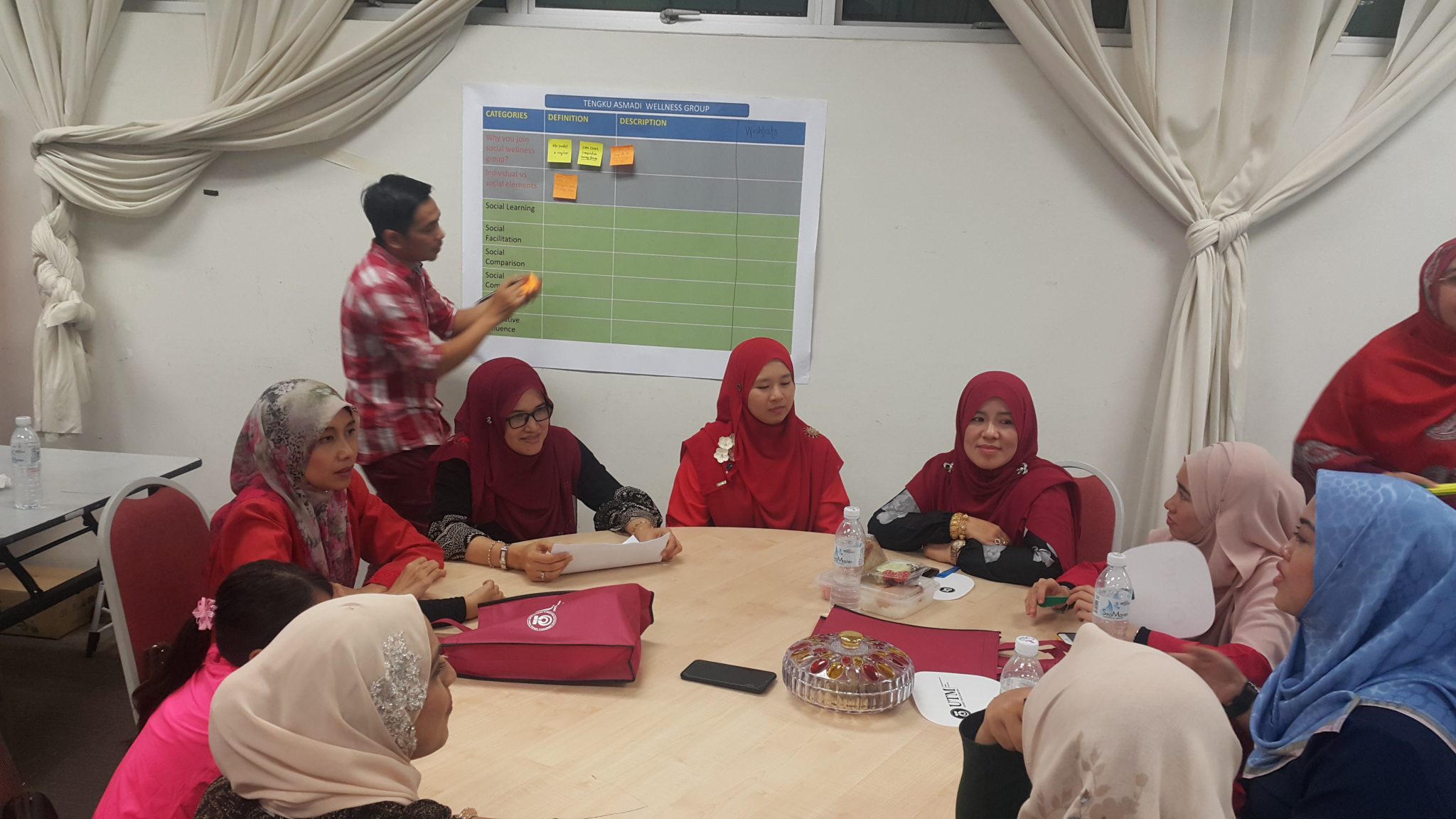
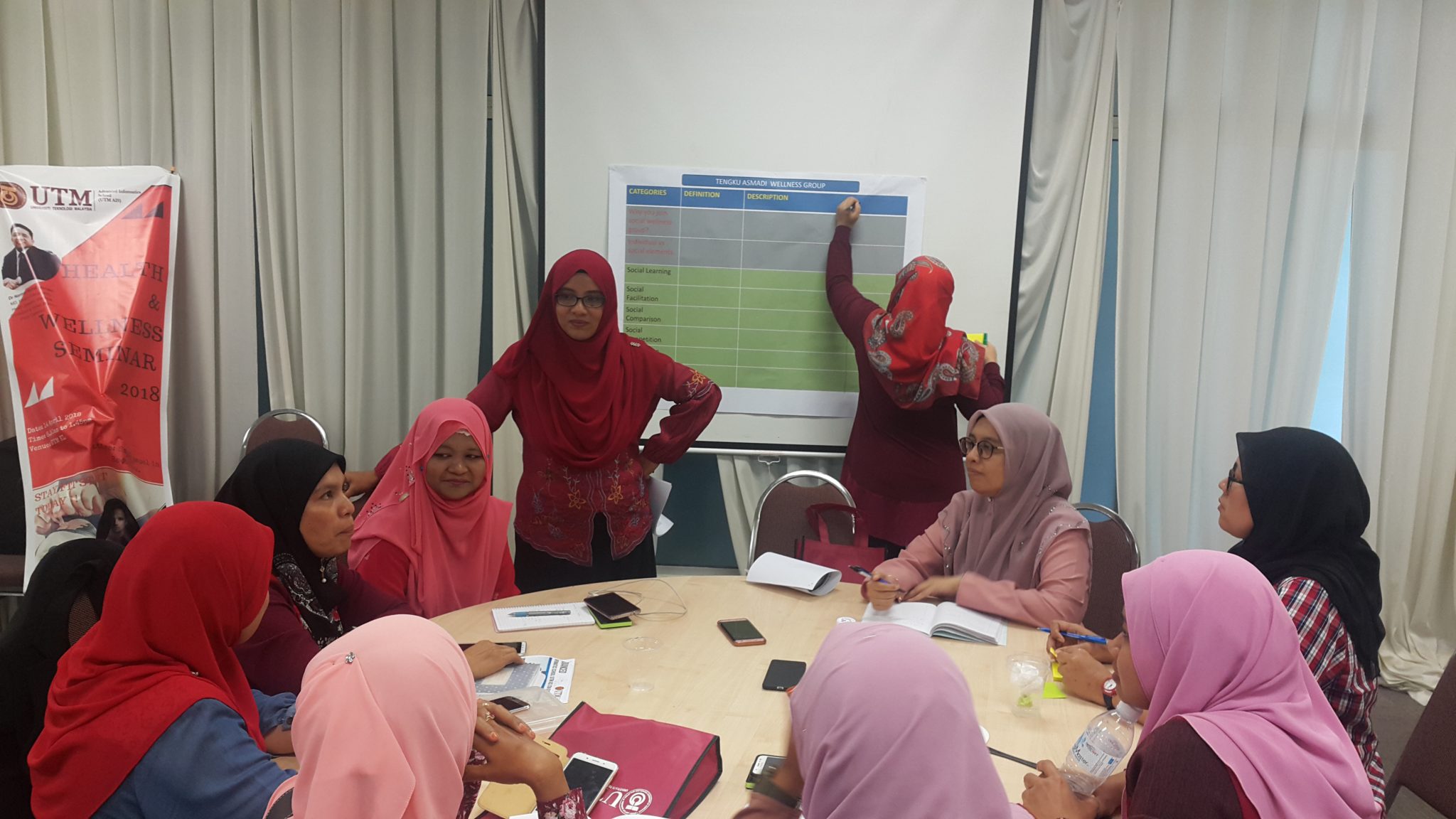
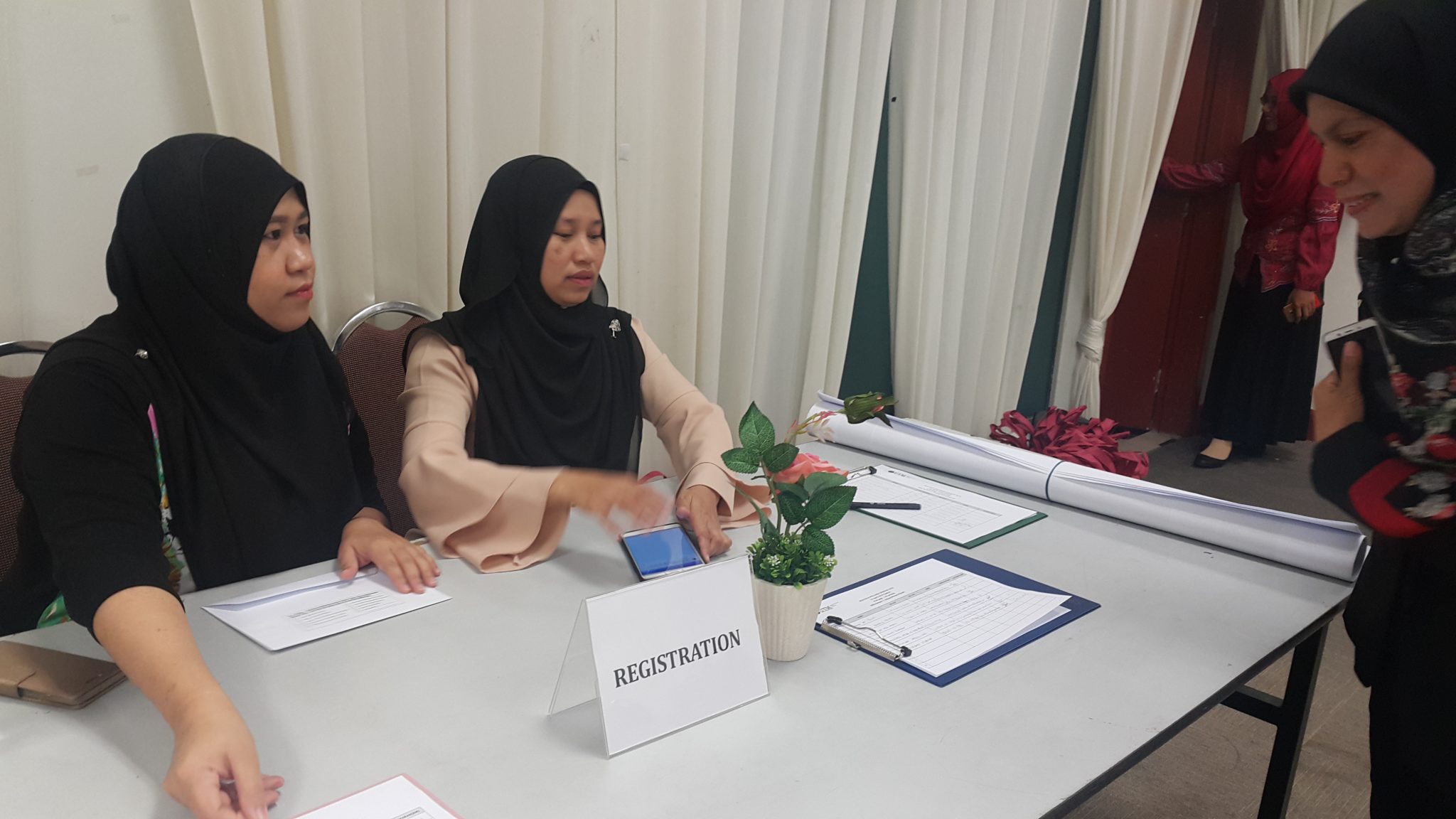
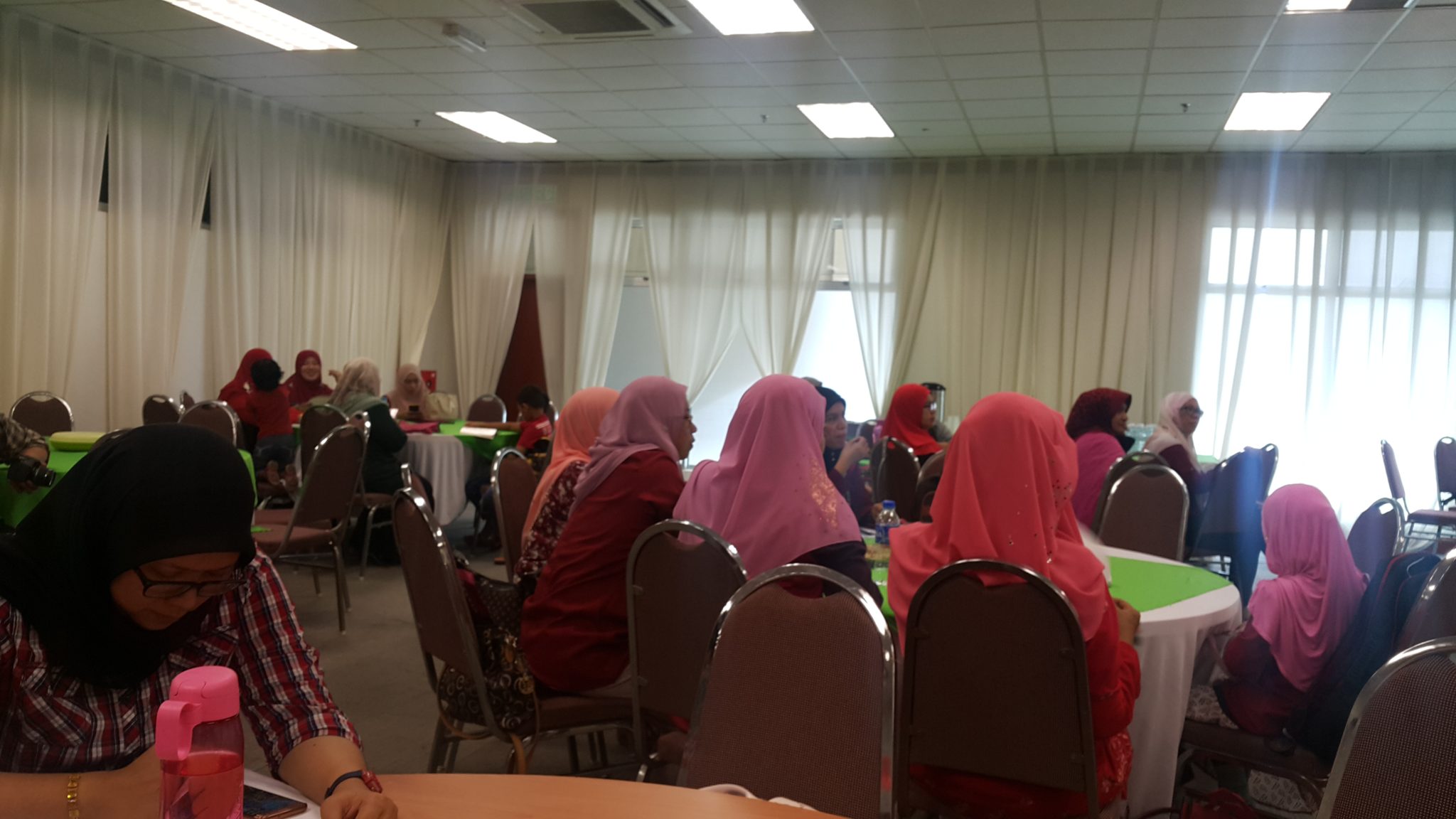
Being part of a working team for a workshop on the impact of social media on wellness conducted on 14th April 2018 by OBI Research Group. Invited the wellness participants from various background all over Malaysia and the Wellness Coach. Tg Asmadi. The researcher conducted the Focus Group Discussion (FGD) as part of the methodology in this research.
Self-confidence is extremely important in almost every aspect of our lives, yet so many people struggle to find it. Sadly, this can be a vicious circle: people who lack self-confidence can find it difficult to become successful.
Learn how to become more self-confident, with this video.
After all, most people are reluctant to back a project that’s being pitched by someone who was nervous, fumbling, and overly apologetic.
On the other hand, you might be persuaded by someone who speaks clearly, who holds his or her head high, who answers questions assuredly, and who readily admits when he or she does not know something.
Confident people inspire confidence in others: their audience, their peers, their bosses, their customers, and their friends. And gaining the confidence of others is one of the key ways in which a self-confident person finds success.
The good news is that self-confidence really can be learned and built on. And, whether you’re working on your own confidence or building the confidence of people around you, it’s well worth the effort!
How Confident Do You Seem to Others?
Your level of self-confidence can show in many ways: your behavior, your body language, how you speak, what you say, and so on. Look at the following comparisons of common confident behavior with behavior associated with low self-confidence. Which thoughts or actions do you recognize in yourself and people around you?
Confident Behavior
Behavior Associated With low Self-Confidence
Doing what you believe to be right, even if others mock or criticize you for it.
Governing your behavior based on what other people think.
Being willing to take risks and go the extra mile to achieve better things.
Staying in your comfort zone, fearing failure, and so avoid taking risks.
Admitting your mistakes, and learning from them.
Working hard to cover up mistakes and hoping that you can fix the problem before anyone notices.
Waiting for others to congratulate you on your accomplishments.
Extolling your own virtues as often as possible to as many people as possible.
Accepting compliments graciously. “Thanks, I really worked hard on that prospectus. I’m pleased you recognize my efforts.”
Dismissing compliments offhandedly. “Oh that prospectus was nothing really, anyone could have done it.”
As you can see from these examples, low self-confidence can be self-destructive, and it often manifests itself as negativity. Confident people are generally more positive – they believe in themselves and their abilities, and they also believe in living life to the full.
What Is Self-Confidence?
Two main things contribute to self-confidence: self-efficacy and self-esteem.
We gain a sense of self-efficacy when we see ourselves (and others similar to ourselves) mastering skills and achieving goals that matter in those skill areas. This is the confidence that, if we learn and work hard in a particular area, we’ll succeed; and it’s this type of confidence that leads people to accept difficult challenges, and persist in the face of setbacks.
This overlaps with the idea of self-esteem, which is a more general sense that we can cope with what’s going on in our lives, and that we have a right to be happy. Partly, this comes from a feeling that the people around us approve of us, which we may or may not be able to control. However, it also comes from the sense that we are behaving virtuously, that we’re competent at what we do, and that we can compete successfully when we put our minds to it.
Some people believe that self-confidence can be built with affirmations and positive thinking. At Mind Tools, we believe that there’s some truth in this, but that it’s just as important to build self-confidence by setting and achieving goals – thereby buildingcompetence. Without this underlying competence, you don’t have self-confidence: you have shallow over-confidence, with all of the issues, upset and failure that this brings.
Building Self-Confidence
So how do you build this sense of balanced self-confidence, founded on a firm appreciation of reality?
The bad news is that there’s no quick fix,or five-minute solution.
The good news is that becoming more confident is readily achievable, just as long as you have the focus and determination to carry things through. And what’s even better is that the things you’ll do to build your self-confidence will also build success – after all, your confidence will come from real, solid achievement. No-one can take this away from you!
So here are our three steps to self-confidence, for which we’ll use the metaphor of a journey: preparing for your journey; setting out; and accelerating towards success.
Step 1: Preparing for Your Journey
The first step involves getting yourself ready for your journey to self-confidence. You need to take stock of where you are, think about where you want to go, get yourself in the right mindset for your journey, and commit yourself to starting it and staying with it.
In preparing for your journey, do these five things:
Look at What You’ve Already Achieved
Think about your life so far, and list the ten best things you’ve achieved in an “Achievement Log.” Perhaps you came top in an important test or exam, played a key role in an important team, produced the best sales figures in a period, did something that made a key difference in someone else’s life, or delivered a project that meant a lot for your business.
Put these into a smartly formatted document, which you can look at often. And then spend a few minutes each week enjoying the success you’ve already had!
Think About Your Strengths
Next, use a technique like SWOT Analysis to take a look at who and where you are. Looking at your Achievement Log, and reflecting on your recent life, think about what your friends would consider to be your strengths and weaknesses. From these, think about the opportunities and threats you face.
Make sure that you enjoy a few minutes reflecting on your strengths!
Think About What’s Important to You, and Where You Want to Go
Next, think about the things that are really important to you, and what you want to achieve with your life.
Setting and achieving goals is a key part of this, and real confidence comes from this. Goal setting is the process you use to set yourself targets, and measure your successful hitting of those targets. See our article on goal setting to find out how to use this important technique, or use our Life Plan Workbook to think through your own goals in detail (see the “Tip” below).
Inform your goal setting with your SWOT Analysis. Set goals that exploit your strengths, minimize your weaknesses, realize your opportunities, and control the threats you face.
And having set the major goals in your life, identify the first step in each. Make sure it’s a very small step, perhaps taking no more than an hour to complete!
Start Managing Your Mind
At this stage, you need to start managing your mind. Learn to pick up and defeat the negative self-talk which can destroy your confidence. See our article on rational positive thinking to find out how to do this.
Further useful reading includes our article on imagery – this teaches you how to use and create strong mental images of what you’ll feel and experience as you achieve your major goals – there’s something about doing this that makes even major goals seem achievable!
And Then Commit Yourself to Success!
The final part of preparing for the journey is to make a clear and unequivocal promise to yourself that you are absolutely committed to your journey, and that you will do all in your power to achieve it.
If as you’re doing it, you find doubts starting to surface, write them down and challenge them calmly and rationally. If they dissolve under scrutiny, that’s great. However if they are based on genuine risks, make sure you set additional goals to manage these appropriately. For help with evaluating and managing the risks you face, read our Risk Analysis and Management article.
Either way, make that promise!
Tip:
Self-confidence is about balance. At one extreme, we have people with low self-confidence. At the other end, we have people who may be over-confident.
If you are under-confident, you’ll avoid taking risks and stretching yourself; and you might not try at all. And if you’re over-confident, you may take on too much risk, stretch yourself beyond your capabilities, and crash badly. You may also find that you’re so optimistic that you don’t try hard enough to truly succeed.
Getting this right is a matter of having the right amount of confidence, founded in reality and on your true ability. With the right amount of self-confidence, you will take informed risks, stretch yourself (but not beyond your abilities) and try hard.
So how self confident are you? Take our short quiz to find out how self-confident you are already, and start looking at specific strategies to improve your confidence level.
Step 2: Setting Out
This is where you start, ever so slowly, moving towards your goal. By doing the right things, and starting with small, easy wins, you’ll put yourself on the path to success – and start building the self-confidence that comes with this.
Build the Knowledge You Need to Succeed
Looking at your goals, identify the skills you’ll need to achieve them. And then look at how you can acquire these skills confidently and well. Don’t just accept a sketchy, just-good-enough solution – look for a solution, a program or a course that fully equips you to achieve what you want to achieve and, ideally, gives you a certificate or qualification you can be proud of.
Focus on the Basics
When you’re starting, don’t try to do anything clever or elaborate. And don’t reach for perfection – just enjoy doing simple things successfully and well.
Set Small Goals, and Achieve Them
Starting with the very small goals you identified in step 1, get in the habit of setting them, achieving them, and celebrating that achievement. Don’t make goals particularly challenging at this stage, just get into the habit of achieving them and celebrating them. And, little by little, start piling up the successes!
Keep Managing Your Mind
Stay on top of that positive thinking, keep celebrating and enjoying success, and keep those mental images strong. You can also use a technique like Treasure Mapping to make your visualizations even stronger!
And on the other side, learn to handle failure. Accept that mistakes happen when you’re trying something new. In fact, if you get into the habit of treating mistakes as learning experiences, you can (almost) start to see them in a positive light. After all, there’s a lot to be said for the saying “if it doesn’t kill you, it makes you stronger!”
Step 3: Accelerating Towards Success
By this stage, you’ll feel your self-confidence building. You’ll have completed some of the courses you started in step 2, and you’ll have plenty of success to celebrate!
This is the time to start stretching yourself. Make the goals a bit bigger, and the challenges a bit tougher. Increase the size of your commitment. And extend the skills you’ve proven into new, but closely related arenas.
Tip 1:
Keep yourself grounded – this is where people tend to get over-confident and over-stretch themselves. And make sure you don’t start enjoying cleverness for its own sake…
Tip 2:
If you haven’t already looked at it, use our How Self Confident Are You? quiz to find out how self-confident you are, and to identify specific strategies for building self-confidence.
As long as you keep on stretching yourself enough, but not too much, you’ll find your self-confidence building apace. What’s more, you’ll have earned your self-confidence – because you’ll have put in the hard graft necessary to be successful!
Goal setting is arguably the most important skill you can learn to improve your self-confidence. If you haven’t already read and applied our goal setting article, you can read it here.
Key Points
Self-confidence is extremely important in almost every aspect of our lives, and people who lack it can find it difficult to become successful.
Two main things contribute to self-confidence: self-efficacy and self-esteem. You can develop it with these three steps:
Prepare for your journey.
Set out on your journey.
Accelerate towards success.
Goal setting is probably the most important activity that you can learn in order to improve your self-confidence.











Recent Comments