
Teaching
portfolio
Philosophy

Self-Leadership in Higher Education
Introduction: The Purpose of Self-Leadership
My work as a new lecturer at UTM involves a demanding mix of teaching, research, and service. To succeed here, I rely on self-leadership: the ability to influence myself through my actions, thoughts, and motivation in order to achieve long-term professional goals.
In academia, self-leadership is not optional; it is the foundation of a sustainable career. It allows me to be a proactive self-starter rather than a reactive employee. This focused self-direction is essential for navigating the complexities of research rejection, balancing the heavy workload, and consciously building my identity from a new lecturer to a recognized scholar and academic leader.
Reflection: Strengths and Challenges
I have identified two primary strengths that enable me to excel in my current role:
- Concept Simplification and Problem-Based Learning (PBL) in Teaching: I possess a core strength in taking complex circuit concepts and delivering them in a simplified manner that is easy for students to grasp. I actively embrace UTM’s Outcome Based Education (OBE) model by utilizing Problem Based Learning (PBL) and contemporary industry case studies in my modules. This approach leads to positive student feedback and allows me to act effectively as an academic coach, ensuring foundational understanding.
- High Determination and Emerging Leadership: I possess high determination in exploring and completing research, especially in high impact areas such as Power Systems integrated with AI. Despite only serving for seven months, I have demonstrated significant early leadership initiative by serving as the Program Leader for the Organizing Committee of the ‘Bijak Tenaga’ Program on August 28th. Leading a diverse committee, which includes Professors and Associate Professors, has allowed me to rapidly build organizational and collaborative leadership skills.
Challenges: Areas for Scholarly Growth
My growth toward becoming an independent scholar is currently hampered by two critical shortcomings:
-
Time Management and Work-Life Balance:
Due to multiple responsibilities in teaching, research, and administration, my schedule often becomes unplanned and driven by immediate tasks. Urgent matters such as grading or meetings often take priority over important long-term work like writing research papers. I find it challenging to consistently set aside dedicated time for focused and meaningful research activities. -
Establishing an Independent Research Identity:
Although I collaborate effectively with colleagues, much of my current research still aligns closely with the interests of senior researchers. I am still developing my own distinct research direction that reflects my personal expertise and ideas. This limits my ability to demonstrate full academic independence and build a strong reputation in my specific area of study.
The 10-Year Vision: Becoming an Academic Leader
By 2035, my goal is not defined by a title, but by the depth of my contribution and the influence of my intellectual identity. My vision is structured around three core pillars:
- Career Purpose and Goals:
My main goal is to become globally recognized as an expert in my research area. I aim to build a strong academic identity in the field of Power Systems integrated with Artificial Intelligence (AI) by producing high-impact research that shapes future directions in this area.
– Success Metrics: To measure this progress, I plan to publish at least ten high-impact journal papers that are widely cited and influential. I also aim to lead and secure at least two major international research grants as the Principal Investigator and supervise a strong group of Ph.D. students under my guidance.
- Driving Transformative Teaching Practice:
I aspire to become an innovative academic leader who transforms the way complex engineering concepts are taught. I aim to demonstrate how circuit theory can be simplified and taught in ways that help students apply concepts more effectively.
– Success Metrics: I plan to present my Teaching and Learning (T&L) innovations at international teaching conferences, secure a national or university-level award in T&L.
- Creating Societal and Industrial Impact:
I aim for my research to go beyond academic publications and bring real value to society and industry. I want to encourage the practical use of my research findings in solving real engineering problems.
– Success Metrics: Successfully secure and deploy pilot projects with industry partners in Malaysia focused on applying AI for grid optimization and predictive maintenance; establish formal, active joint research agreements with key academic institutions across the ASEAN region, solidifying my global network and influence.
Applying Self-Leadership for Sustained Growth
I will apply specific self-leadership principles daily to overcome my weaknesses and sustain my strengths toward this 10 year goal.
1. Goal Setting (Behavioral Strategy): Managing Time
To overcome reactive time management, I will use Hierarchical Goal Setting to prioritize deep work.
-
-
- Action: I will block a fixed period each week dedicated solely to uninterrupted research time. During this period, no meetings or administrative tasks will be scheduled, treating it as a protected research appointment.
- Result: This structure ensures important research writing is consistently prioritized over urgent administrative demands.
-
2. Self-Reflection (Cognitive Strategy): Defining Scholarly Voice
To establish my independent voice, I will institutionalize Structured Self-Reflection focused on research impact.
-
-
- Action: Quarterly, I will spend a day reviewing my work, asking: “What is the unique intellectual contribution of this paper?” and “Does this fundamentally change the conversation in my niche of AI integrated Power Systems?”
- Result: This reflective practice will help me move beyond small, incremental collaborations and focus on producing high-impact, original research that clearly represents my own scholarly voice.
-
3. Self-Motivation (Natural Reward Strategy): Driving Innovation
To sustain my strength in teaching and leadership, I will apply Natural Reward Strategies to reinforce positive behavior.
-
-
- Action: I will maintain a ‘Pioneer Journal’ where I log small, daily wins in my research and teaching, explicitly linking each accomplishment (e.g., simplified concept delivery, a successful simulation run) back to my 10 year vision of becoming a thought leader.
-
Result: This continuous mental connection between micro efforts and macro impact strengthens my sense of purpose and sustains the high intrinsic drive needed to push through complex research failures and administrative fatigue.
-
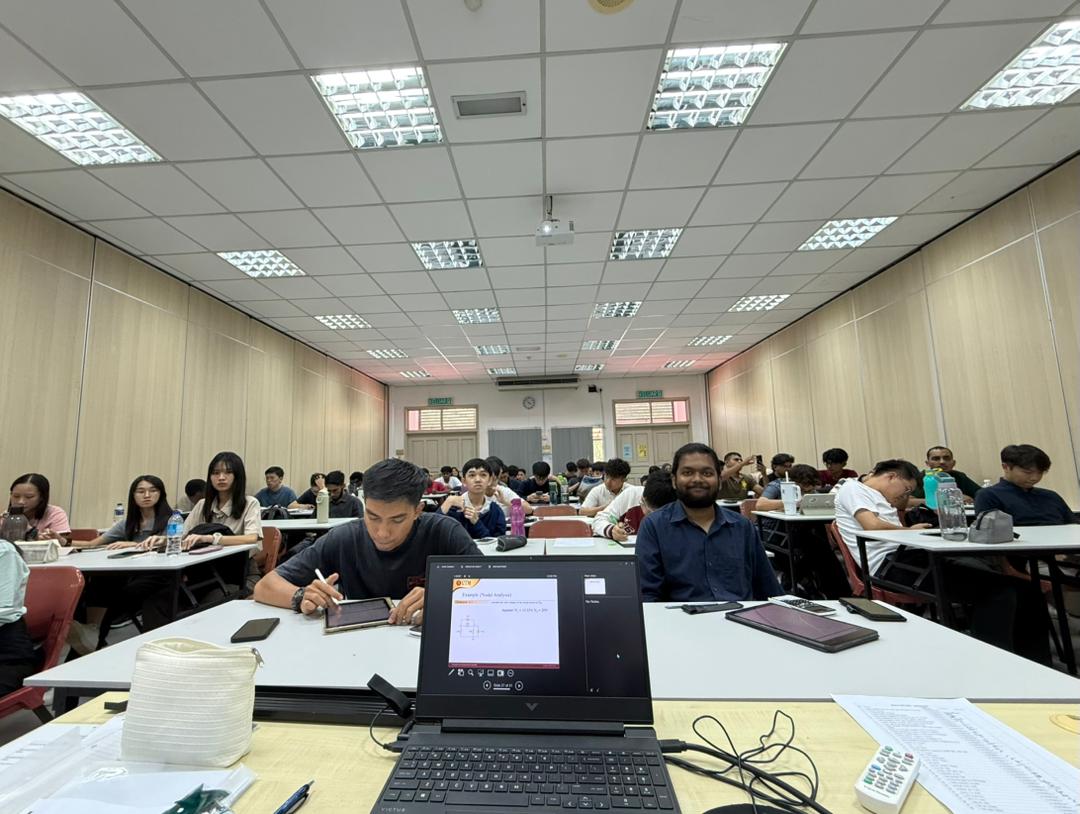
LECTURE
Learning Space
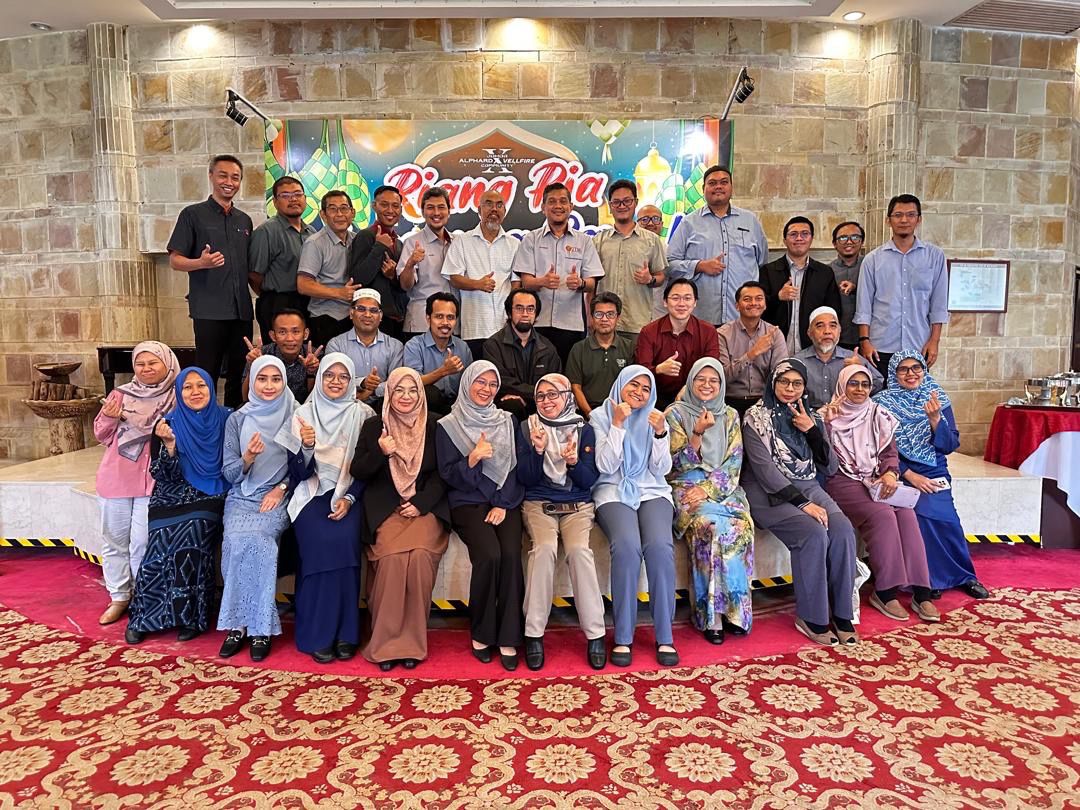
TEAM POWER
The Faces Behind POWER Department at UTM
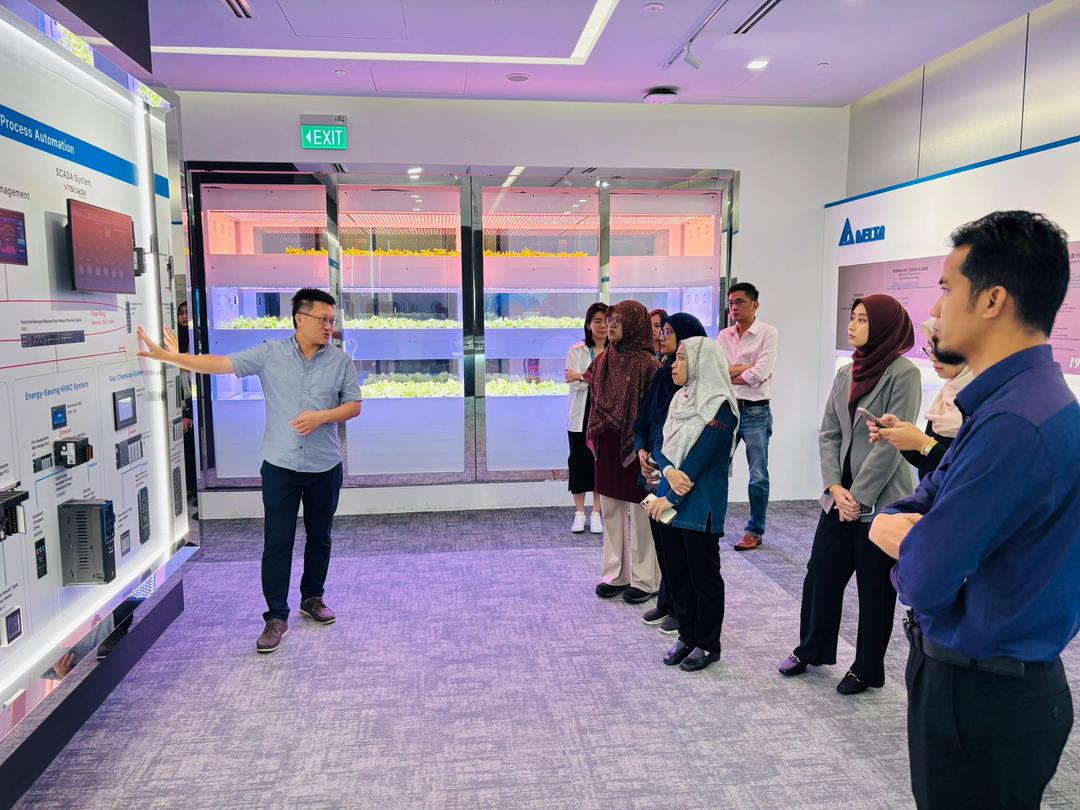
COLLABORATION
Industry Networking
Reflecting on Adab, Ethics, and Amanah in Higher Education
Introduction: The Mandate of Character
As a lecturer, my professional identity is defined not only by my expertise but also by my character. My role is a profound mandate that requires embodying the highest standards of adab (good conduct), ethics, and personal integrity. This section examines the essential nature of these ethical values, guided by the UTM Professional Code of Ethics, the Malaysian Public Service Ethics, and the UTM Educational Goals. Upholding these frameworks is the cornerstone of building a respected, authoritative, and impactful academic career.
The Role of Good Conduct in Communication
Good conduct (Sopan Santun) is essential for building effective professional relationships across the academic community. Verbal communication requires respectful language, active listening, and a constructive tone to create a safe learning climate for students and ensure colleagues debate issues constructively, upholding the ethic of Harmonious Teamwork. Similarly, written communication (emails, reports, feedback) must be clear, concise, and courteous. Providing empowering and directional feedback, which focuses on the work’s substance, demonstrates an ethical approach that preserves dignity and fosters the mutual trust vital for collaboration.
Appearance, Professionalism, and Authority
A lecturer’s physical appearance (Penampilan Berhemah) is a powerful non-verbal ethical statement. While intellectual depth earns expertise, appropriate and modest appearance reinforces professionalism and cultivates the necessary authority (kebitaraan) to lead.
Adherence to a thoughtful dress code demonstrates respect for the profession, the institution, and the audience. A presentable appearance eliminates potential distractions and focuses attention on the content being delivered. It visually affirms the lecturer’s commitment to the standards outlined in the UTM Professional Code of Ethics. In the classroom, this visible commitment strengthens the perception of authority, encouraging students to treat the learning process with equal seriousness. When representing UTM externally, a suitable appearance is crucial for projecting the university’s quality and professionalism on the international stage.
Manifesting Integrity, Professionalism, and Amanah
The core ethical triad of Integrity, Professionalism, and Amanah (Trust) must be actively integrated across all academic duties. In Teaching, this means maintaining integrity through fair, unbiased grading and professionalism via preparedness, while fulfilling the Amanah by delivering accurate, current knowledge that prioritizes student welfare. In Research and Publication, integrity is non-negotiable, strictly prohibiting plagiarism or data falsification. Professionalism requires responsible grant management and adherence to protocols, thereby fulfilling the Amanah to advance knowledge responsibly and obtain all ethical clearances. For Supervision, integrity ensures objective feedback, professionalism provides clear guidance, and the Amanah is realized by nurturing independent, ethical scholars and protecting their intellectual property. Finally, in Administration and Service, integrity demands transparency and avoiding conflicts of interest, professionalism entails efficiency and accountability, and the Amanah involves judicious management of university resources, aligning with the Public Service ethic of Responsible Stewardship.
Reflection: Challenges and Commitment
The demands of an academic career constantly test one’s ethical resilience.
Personal Challenges
-
-
- Pressure of Output vs. Integrity: The heavy emphasis on publications (KPIs) can create an ethical tension, tempting one toward shortcuts. Balancing the need for rapid research output with the slow, meticulous process required for true scholarly integrity is a continuous challenge.
-
Maintaining Boundaries: The blurring of work and personal life, especially in the digital realm, makes it difficult to maintain professional conduct when fatigued or stressed, potentially eroding professional boundaries.
-
The Courage of Accountability: While I strive for sopan santun, addressing issues of academic dishonesty with students, or holding colleagues accountable in administrative duties, requires moral courage. Exercising necessary firmness without compromising respect is a constant balancing act.
-
Steps for Reinforcement and Growth
To ensure these values are living practices, I commit to the following reinforcing steps:
-
-
- Implement an Ethical Audit Checklist: Before submitting any publication, I will implement a personal checklist to rigorously verify authorship contributions, data integrity, and citation ethics. This reinforces integrity as a proactive measure.
- Regular Peer Mentoring for Feedback: I will actively seek respected senior colleagues to periodically review my communication style and administrative decisions. This external check provides an objective assessment of my professionalism and adherence to adab.
-
Adopting the “Test of Amanah“: Before committing to any new administrative task or research collaboration, I will ask: “Does this commitment genuinely align with my primary duty to the university, my students, and the advancement of my field?” This simple self-reflection serves as a filter against overcommitment and protects the core amanah of my role.
-
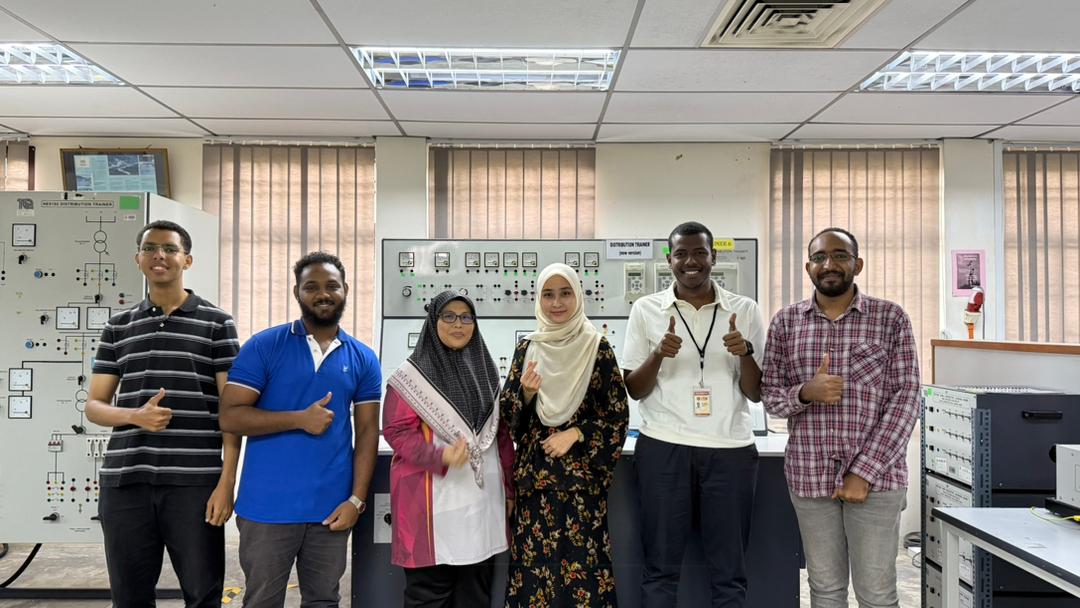
ADVANCE POWER LAB
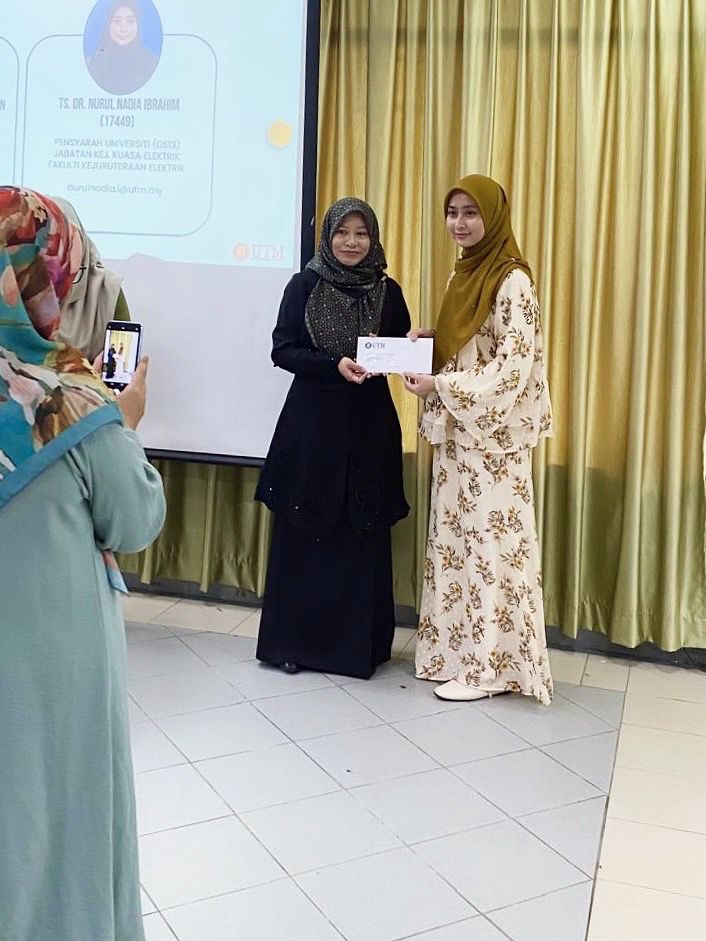
ATTENDED COURSES
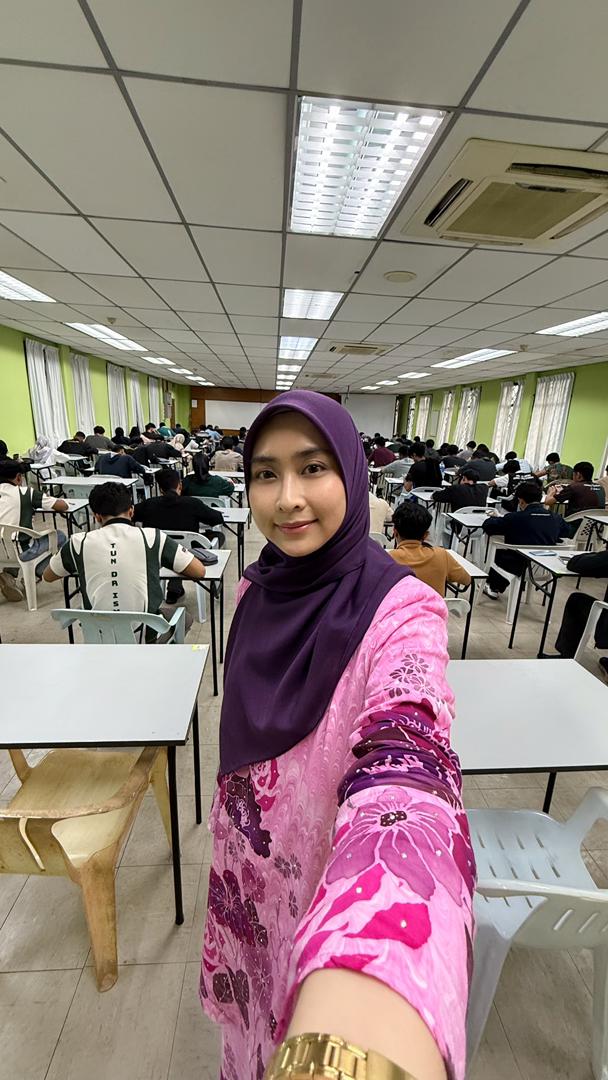
TEST FOR ELECTRICAL TECHNOLOGY SUBJECT
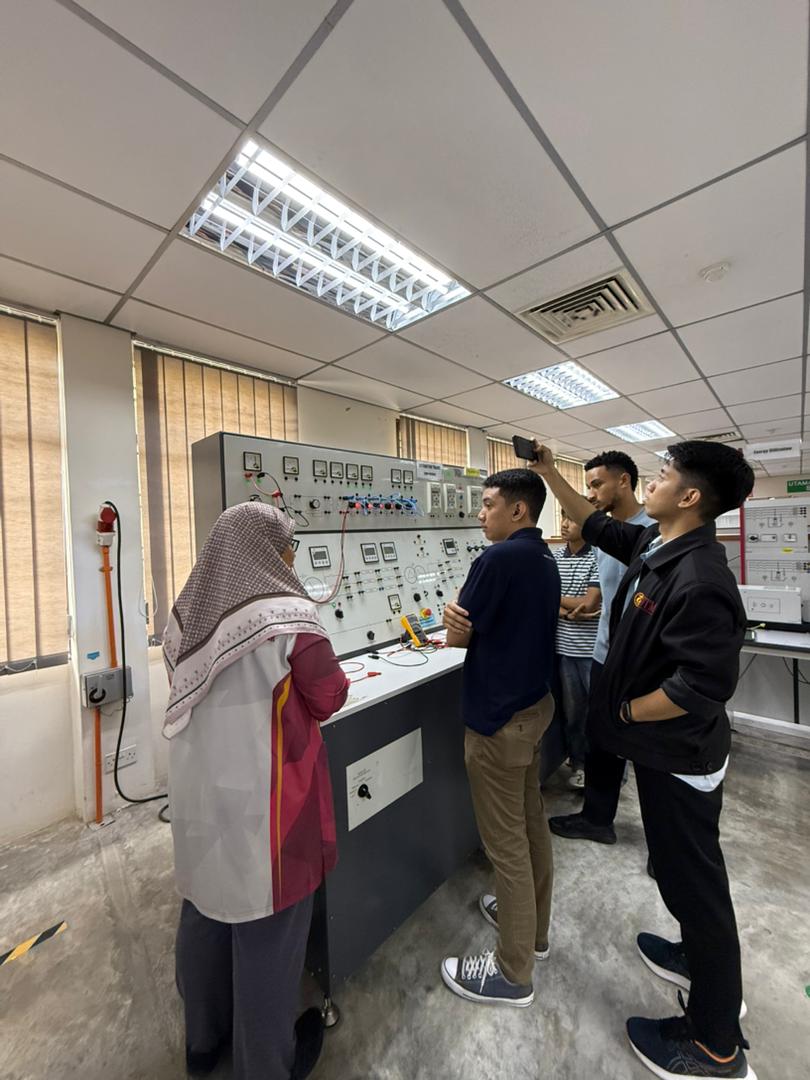
EXPERIMENT WORKS

