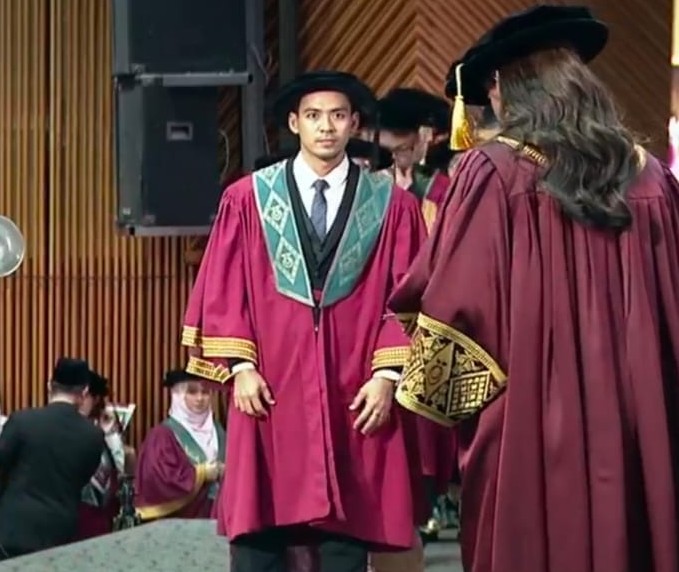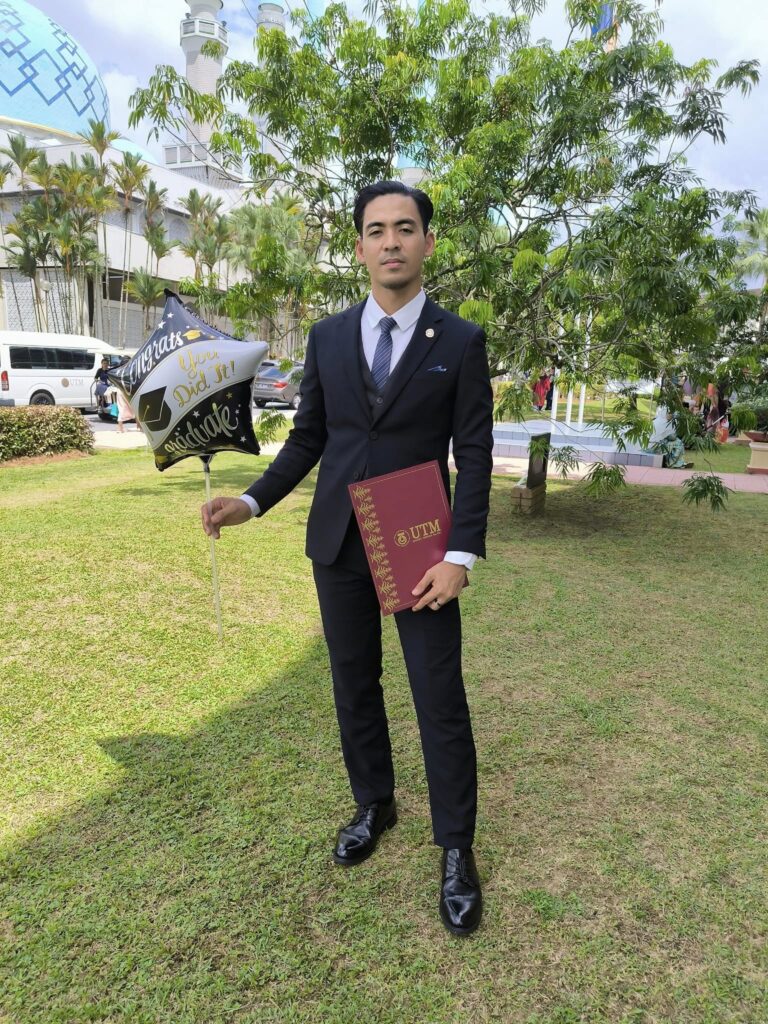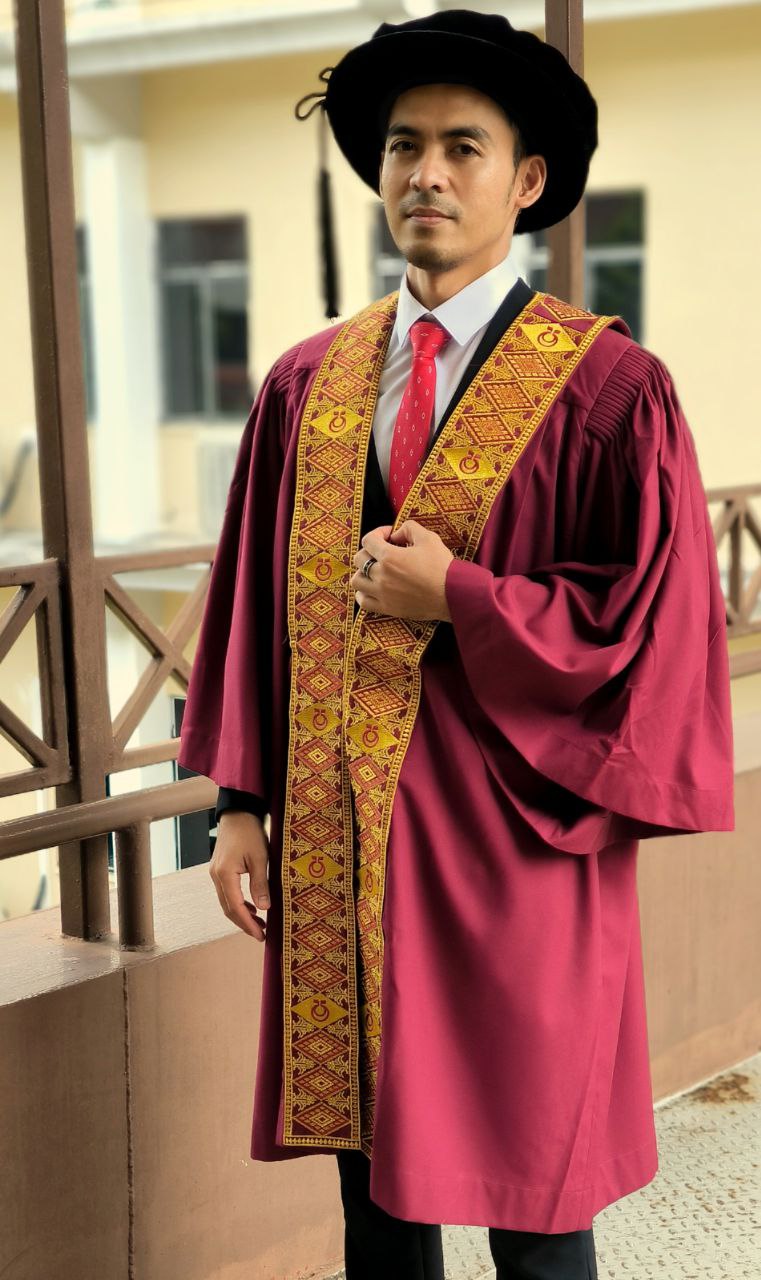
It has been three months since I started working at UTM.
Most mornings here don’t begin with urgency. They begin with space — a pause long enough to breathe, to think, to decide how the day should unfold. I didn’t realize how rare that was until I experienced it.
Before this, my days at JPNJ followed a familiar rhythm.
8:00 a.m. meant arrival.
5:00 p.m. meant release.
Between those hours, I did what I was supposed to do. I showed up, completed tasks, attended meetings. From the outside, everything looked functional. But inside, time felt tight — like a room with no windows. I watched the clock more than I watched my own thinking. Work became something to survive, not something to inhabit.
Somewhere along the way, I noticed myself doing a strange thing: looking for small ways to reclaim time. Not because I didn’t care about my work, but because the structure left no room to feel human within it. When time is owned by the system, the mind quietly begins to resist.
Here, things feel different.
No one stands over the hours. No one counts the minutes. The day opens instead of closing in. And in that openness, something unexpected happened — I started working harder. I stayed longer. I thought deeper. Not out of obligation, but out of willingness.
The work followed me home sometimes, but it didn’t feel like a burden. It felt like continuity. Like a conversation I didn’t want to cut short.
I’ve come to realize this: discipline doesn’t always come from control. Sometimes, it grows from trust. When people are given space, they don’t ask how little they can do. They ask what more they can give.
Perhaps, we misunderstand work.
It isn’t the hours that shape us, but how those hours are held.
When time is treated like a cage, we learn to escape.
When it is treated like a gift, we learn to honor it.
And maybe that’s the quiet truth —
freedom doesn’t make us careless.
It reminds us who we are responsible to.
20 years more to come and I will stop counting.
Because the time is not in the cage anymore.