
Research
our edited book
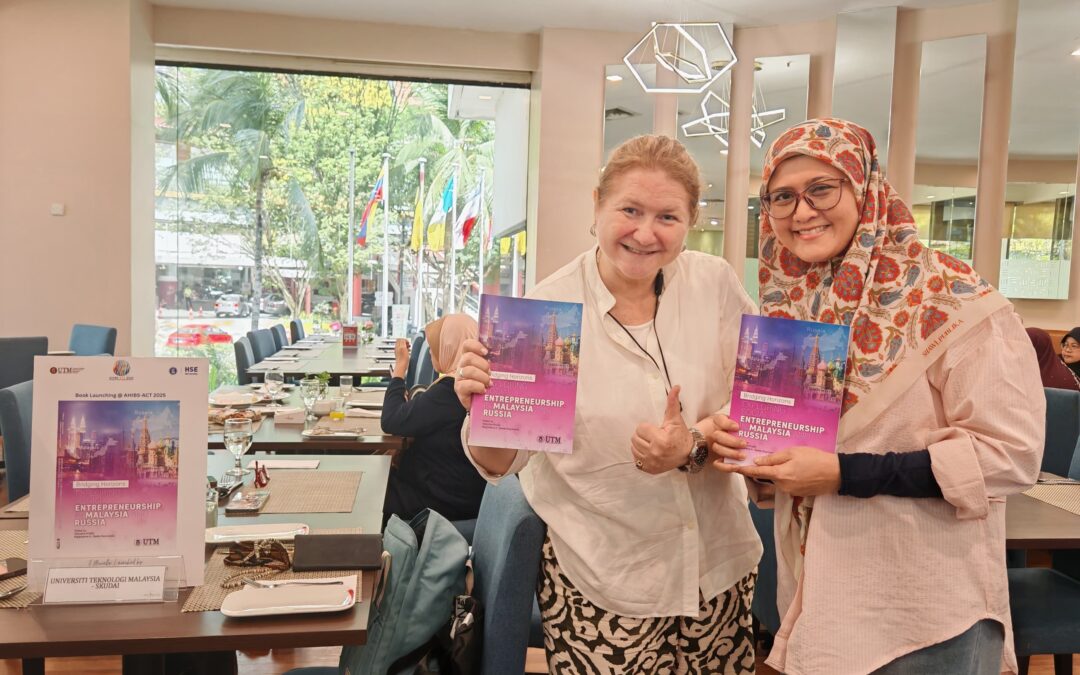
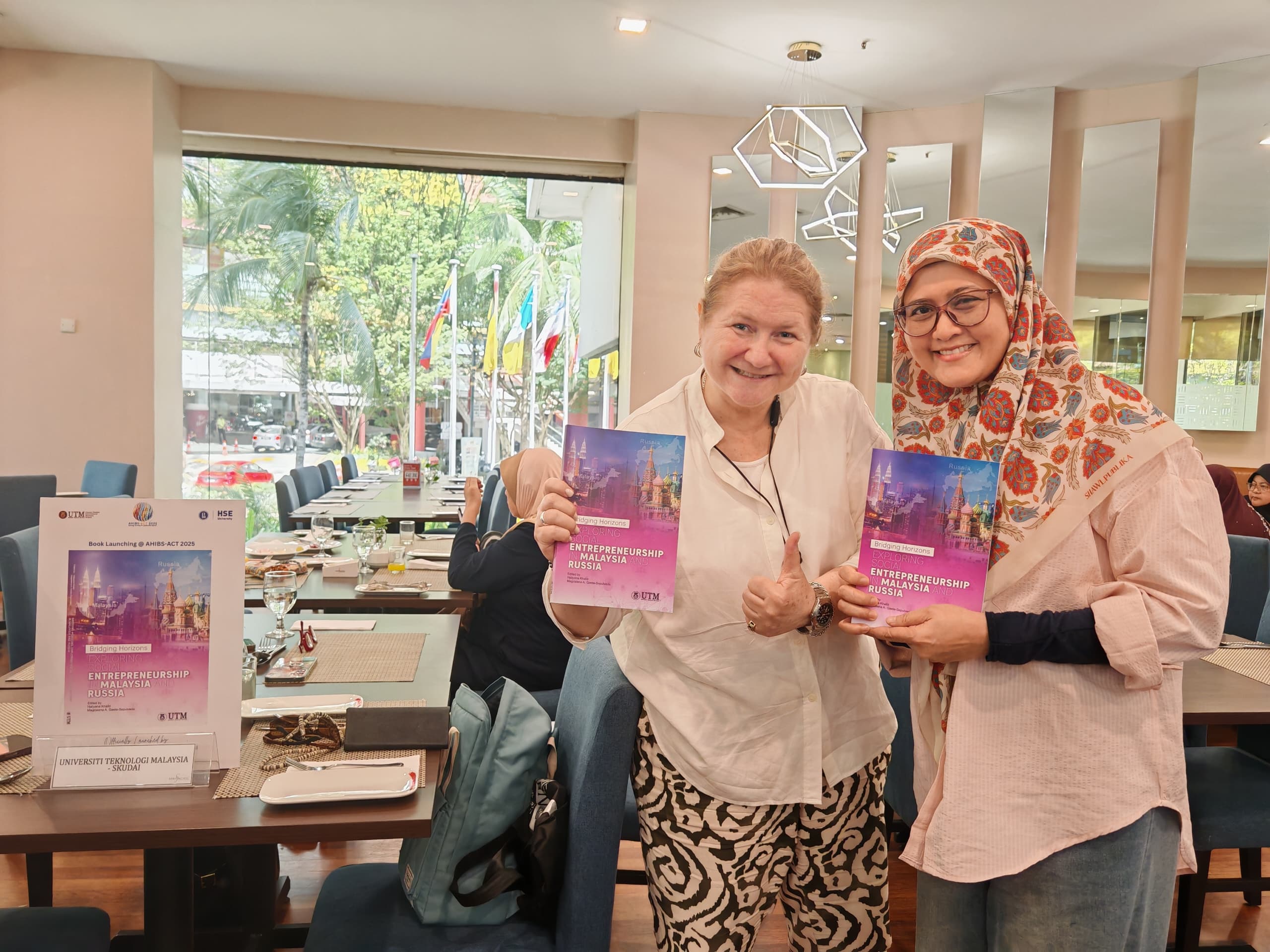
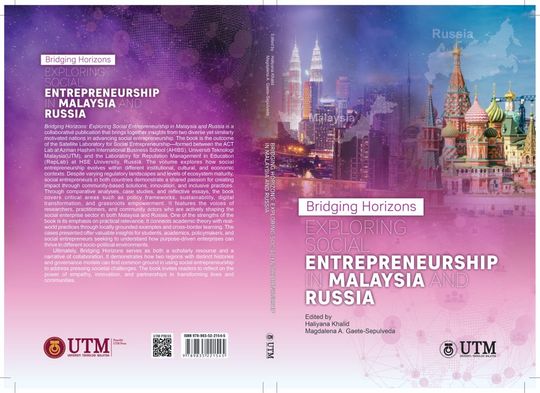
This is a story of about the social entrepreneurship book that Mag and I co-edited. It was thrilled and exciting, one that we have achieved together as a team- the Satellite Lab project. This project has been a journey of shared learning, cultural exchange and academic passion and we couldn’t be happier with the outcome.
Social entrepreneurship as a field is not new. Yet, what this book contributes is something fresh and deeply needed: a cross-border perspective that blends lived experiences, country contexts, and research insights into a single, coherent narrative. Through this work, we add to the global conversation by showcasing how international collaboration can enrich understanding, challenge assumptions, and open new pathways for impact.
Why This Book Matters
What makes Bridging Horizons truly meaningful is not just the research itself, but the spirit behind it.
It stands as proof that when countries collaborate, knowledge deepens and impact expands.
We are incredibly proud of this milestone. This book is more than a publication; it is a bridge between two nations, a contribution to global scholarship, and a celebration of the people and ideas pushing social entrepreneurship forward.
What the Book Offers
Across 12 chapters, Bridging Horizons highlights diverse stories, conceptual frameworks, community innovations, and comparative studies that reveal the evolving nature of social entrepreneurship in both Malaysia and Russia.
Chapter 1 — Satellite Labs & Cross-Border Research
Gaete & Khalid outline how Satellite Labs create spaces for global collaboration, shaping the future of social entrepreneurship research.
Chapter 2 — Knowledge Management for Impact
Khazeiva, Gaete & Khalid explore how social enterprises harness knowledge to move from intention to impact.
Chapter 3 — Bricolage for Impact
Adriana Mohd Rizal and team uncover how social entrepreneurs thrive despite resource limitations through creativity and improvisation.
Chapter 4 — A BRICS Perspective on Social Entrepreneurship
This chapter conceptualises social entrepreneurship in emerging markets, offering much-needed insights from developing regions.
Chapter 5 — Soul-Centric Futures & Humane AI
Rosmini Omar and colleagues propose a future-oriented model of leadership that integrates sustainability, ethics and humane technology.
Chapter 6 — Human-Centred Innovation in Russia
Case studies from Russia showcase human-centred approaches to tackling social challenges.
Chapter 7 — Bee Modular Farming for Empowerment
A Malaysian-based initiative demonstrating how social innovation uplifts communities through modular agriculture.
Chapter 8 — Educating Changemakers
A discussion on how higher education and service learning shape socially conscious leaders.
Chapter 9 — Fintech for Social Good
Insights from Malaysia and Russia on how financial technologies broaden social impact.
Chapter 10 — Social by Design: Malaysia’s Digital Pulse
An exploration of how digital platforms strengthen Malaysia’s social entrepreneurship ecosystem.
Chapter 11 — A Comparative SDG Lens
Malaysia and Russia’s social entrepreneurship trajectories analysed through the Sustainable Development Goals.
Chapter 12 — Beyond the Bridge
A heartfelt closing chapter reflecting on connection, collaboration, and a shared future of impact.
