

A Biochemical Study
Investigating the Antioxidant Potential of Coconut Oil (CO)

What’s Coconut Oil ?
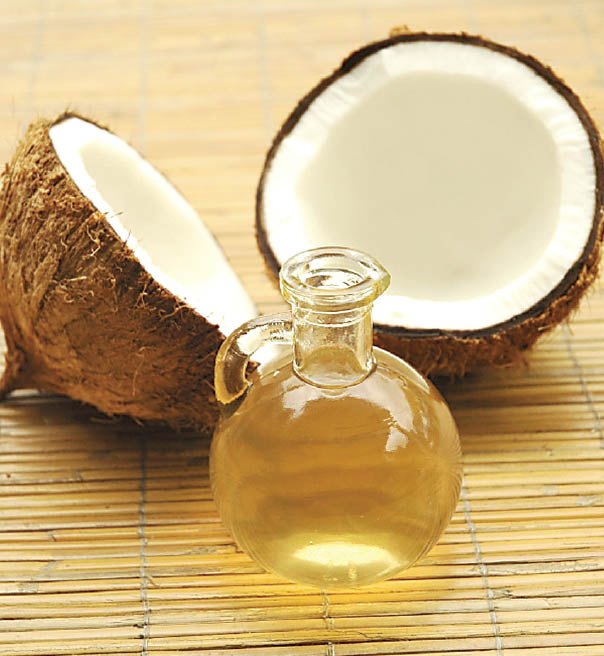
Millions of people in tropical regions rely on the coconut as an important tree crop that provides both food and shelter. Coconut trees are cultivated in over 93 countries worldwide, covering a total area of 11.95 million hectares and yielding a staggering 57,510 million coconuts each year. Towards the end of the 20th century, coconut oil (CO) emerged as a valuable commodity, being hailed as the most significant product obtained from fresh coconuts.
Due to its versatility, CO has gained immense popularity as a high-value coconut product in countries that cultivate coconuts. The widespread use of CO in medicine, food, cosmetics, and hair care
products has led to its global popularity.

Recently, research scientists have started searching for natural products to reduce chronic diseases
such as oxidative stress. As we know, reactive oxygen species (ROS) which include
superoxide anion (O-2, a free radical), the hydroxyl radical (.OH) and hydrogen peroxide (H2O2)
is a significant contributor to the development and progression of oxidative stress and its complications.
Oxidative stress has been linked to a variety of diseases, including cancer, diabetes, Alzheimer’s disease,
Parkinson’s disease, cardiovascular disease, and many others. Currently, available treatments for oxidative
stress have limitations, including side effects and toxicity for long-term usage.
Therefore, there is a need for natural antioxidant agents that are effective, safe, and affordable.
Importance Of Coconut Oil

Potential Natural Antioxidant Source
Coconut oil has gained attention for its potential antioxidant activity. It contains bioactive compounds such as polyphenols (e.g., ferulic acid, caffeic acid, syringic acid, and catechins), which may help enhance the body’s antioxidant defense system and combat oxidative stress.

Therapeutic & Health-related Properties
Coconut oil possesses various therapeutic properties, including antioxidant, antifungal, antibacterial, antiviral, and hepatoprotective effects. It has also been associated with immune system support and potential benefits in regulating blood glucose levels.

Wide Industrial Aplication
Coconut oil is widely used in the food, medicine, cosmetics, and hair care industries. Its versatility and functional properties have led to its recognition as a high-value coconut product with strong global demand.

Global Economic and Agricultural Importance
Coconut oil is derived from coconuts cultivated in over 93 countries worldwide, making it a significant agricultural commodity. As one of the most valuable products obtained from fresh coconuts, it contributes to the economy of many tropical regions and supports food and livelihood systems.
Exploring The Proximate Composition Of Coconut Oil
The proximate analysis serves as a critical quality control manifesto, ensuring the assessment of moisture content, protein, fat, fiber, carbohydrate, ash, and other components in food and food products. This analysis is pivotal for the development of food and product quality, regulatory compliance, and the establishment of the first line of branding (Eden et al., 2020). Furthermore, it plays an essential role in providing consumers with the necessary information to make informed decisions about their nutritional needs.
Coconut oil products are predominantly composed of crude fat, accounting for approximately 99% of the total composition. This high fat content contributes to the caloric value of the oil and reflects its characteristic profile as a lipid-based product. It is also recognised as a rich natural source of lauric acid and medium-chain fatty acids.
Coconut oil products contain a low amount of protein, which is consistent with the general understanding that coconut oil is predominantly composed of lipids and contains minimal protein content. According to Thaiphanit et al. (2016), fresh coconut meat contains approximately 2.6–4.4% protein on a wet basis (w/w). In addition, Ma et al. (2022) investigated the coconut meat proteome using shotgun proteomics and protein-based bioinformatic analysis, identifying 17 proteins with antioxidant properties.
Moisture content for the coconut oil products is low, indicating favourable keeping quality. Low moisture levels limit the growth of food-spoiling microflora, as microbial proliferation depends on the availability of water (Rolfe et al., 2020). Previous studies have shown that reduced moisture content enhances storage stability, whereas higher moisture levels promote microbial growth and accelerate food spoilage (Nowak et al., 2020).

About Us
Exploring the Functional Properties of Coconut Oil
This project investigates the physicochemical characteristics and potential health benefits of coconut oil. Through laboratory analyses such as proximate composition, particle size distribution, and antioxidant evaluation, the study aims to provide scientific insights into the functional properties of coconut oil. The findings may contribute to the development of natural strategies for managing oxidative stress and supporting health-related applications.
Health . Diet . Nutrition
Unveiling the Hidden Potential of Coconut Oil

Universiti Teknologi Malaysia
School of Chemical and Energy Engineering
EMAIL Me
leetinghun@utm.my
