Category Archives: Teaching and Learning

Connecting the Dots: Internship Evaluations in Geoinformatics

Evaluating our industrial training students is always one of the most fulfilling parts of academic life because it gives us a direct window into how classroom theories translate into real-world applications. For this round, since our four students are attached to four different companies in various locations, we took the evaluation sessions online. Each student presented their day-to-day scope of work, key project contributions, and the unique challenges they faced during their placement.
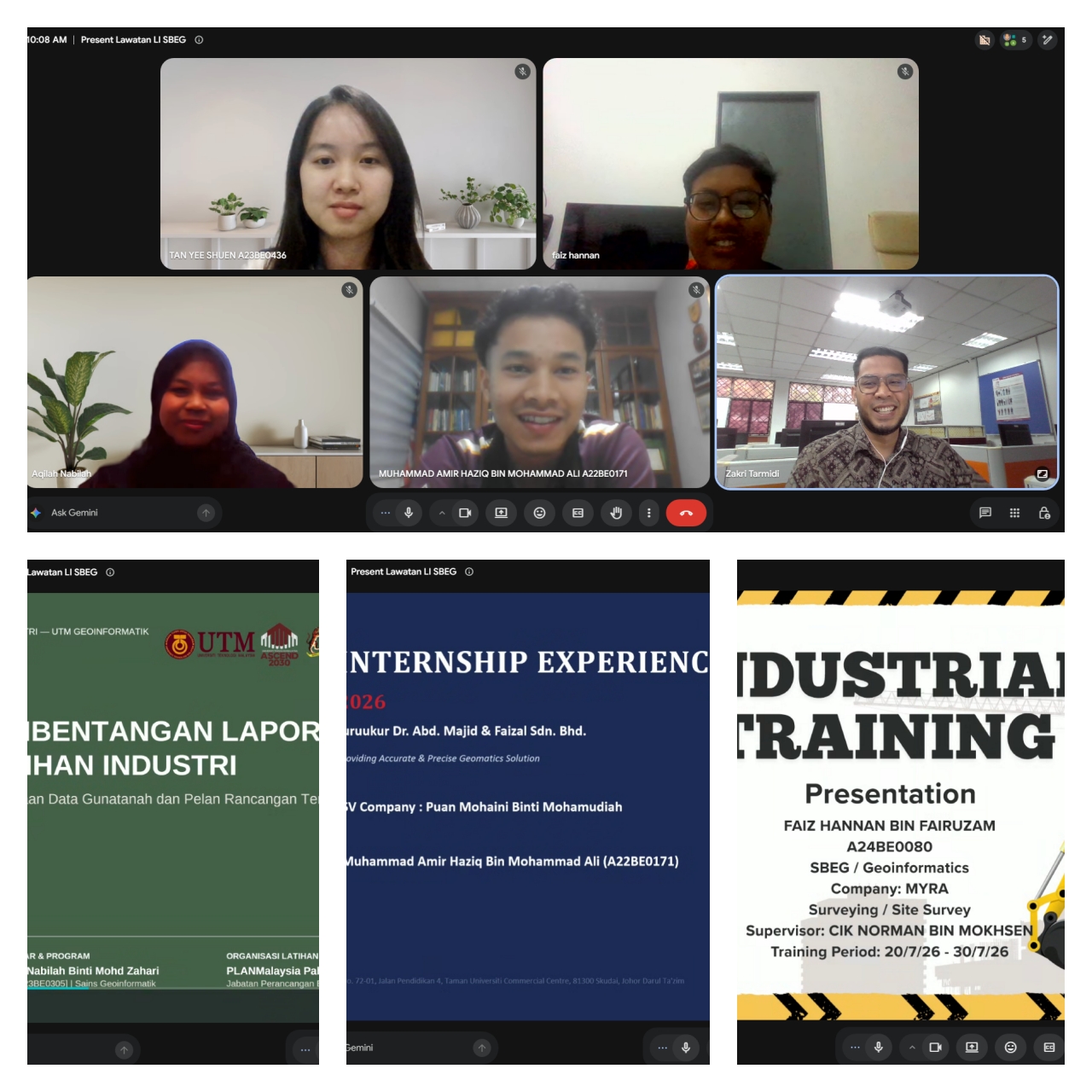
These sessions are crucial from an academic standpoint. They allow us to carefully assess whether the host companies provide a suitable learning environment and ensure that the scope of work truly aligns with the core principles of Geoinformatics. Seeing them handle real GIS workflows, spatial data management, and industry-grade tools confirms that they are getting the solid industry exposure they deserve.

I hope our students maximize this golden opportunity to absorb as much practical knowledge and technical skill as possible. More importantly, I look forward to having them bring these rich experiences back to UTM, sharing their insights and inspiring their peers. All the best to our interns as they complete their industry journey!

#IndustrialTraining #Geoinformatics #InternshipSupervision #UTM #FABU #HigherEducation #GIS #StudentDevelopment #AcademicLife #SpatialData
Empowering the Next Generation: ‘From Antarctica to Classroom’

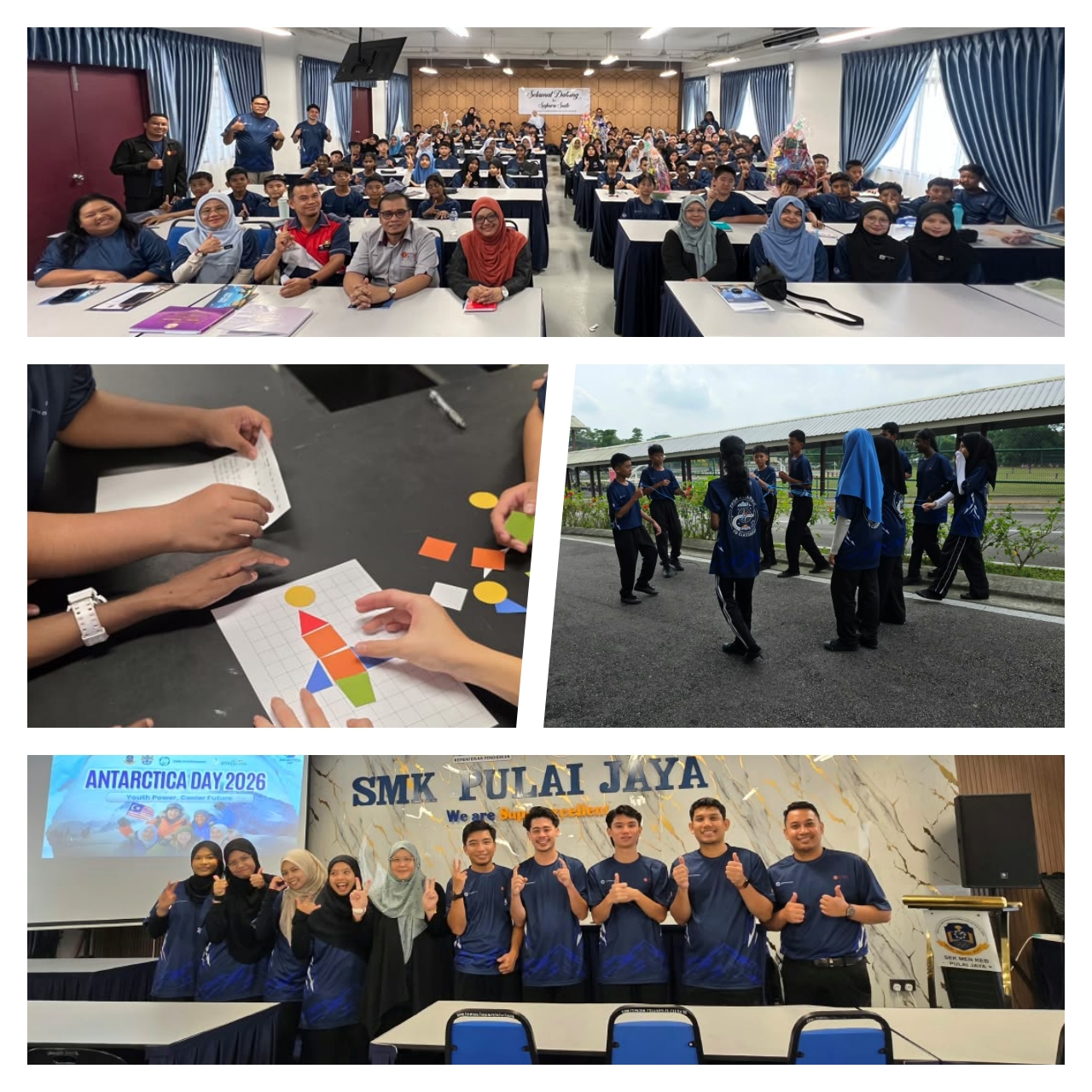
Bringing climate action directly to our youth! Last September, our team from Universiti Teknologi Malaysia (UTM) through the Faculty of Built Environment and Surveying (FABU), under the auspices of YPASM, successfully organized the ‘From Antarctica to Classroom’ outreach program at SMK Pulai Jaya.

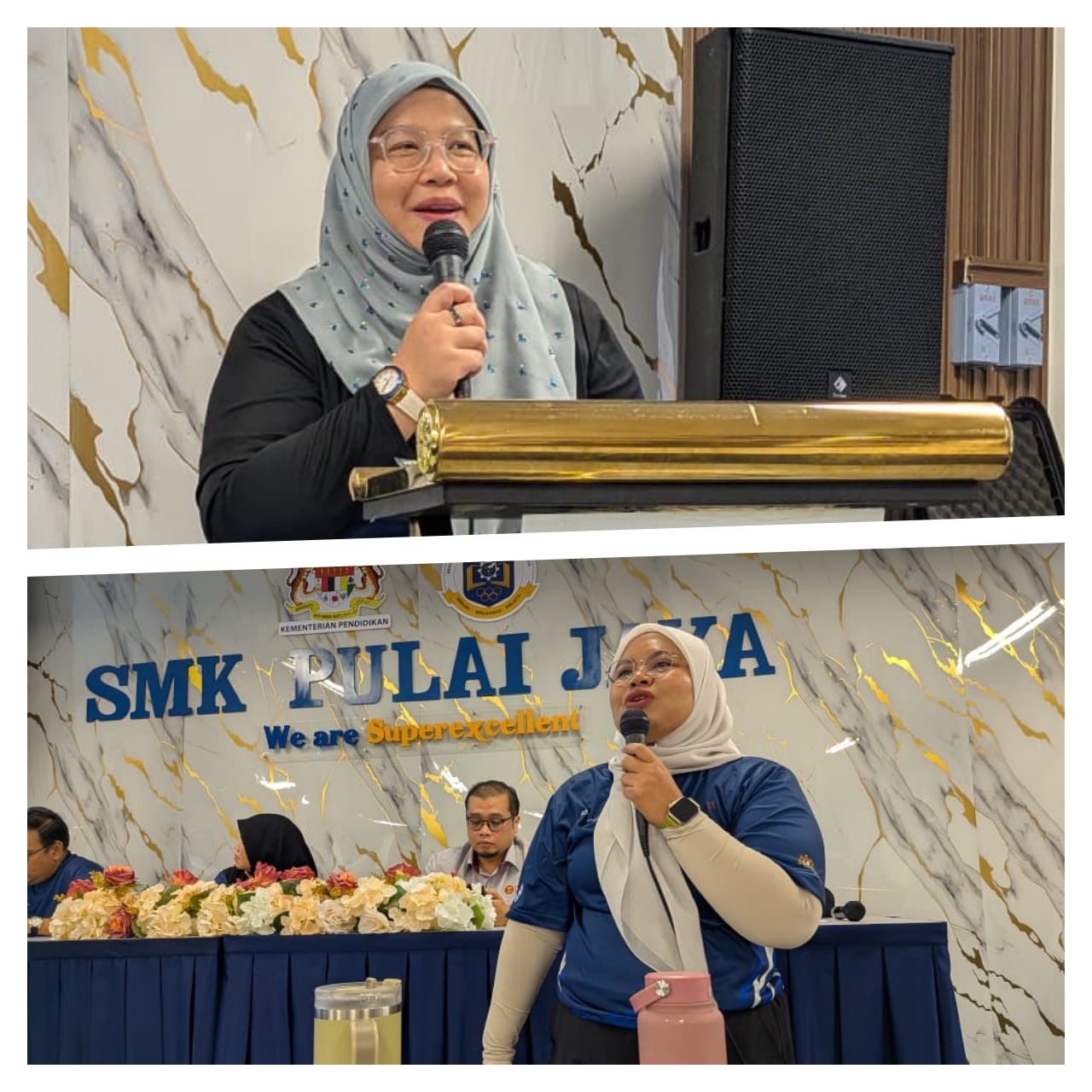
The event kicked off with an insightful sharing session on Antarctic science and climate realities by Dr Suzanna Azmy, setting the stage for an energetic 10-checkpoint “Climate Literacy” Explorace. Over 100 Form 1 students actively tackled hands-on environmental challenges designed to inspire real-world sustainability solutions. The impactful day concluded with a memorable closing and prize-giving ceremony officiated by the Dean of FABU, Prof. Sr. Dr. Kherun Nita binti Ali.

A special shoutout and huge appreciation to our Program Chair, Dr. Norhidayah Binti Md. Yunus, for her outstanding leadership in driving this initiative from vision to reality! Heartfelt thanks as well to our strategic partners—SWM Environment, MBIP, PPD Kulai, and SMK Pulai Jaya—for making this event a resounding success.

#HariAntartika2026 #FromAntarcticatoClassroom #ClimateAction #YPASM #UTMMalaysia #FABU #SWMEnvironment #MBIP #PPDKulai #CommunityEngagement #Sustainability

Life of an Academia: Navigating the Audit Season

Being an academic is often associated with delivering lectures, conducting groundbreaking research, and publishing in high-impact journals. However, every year around August and September, there is another critical ritual every lecturer knows all too well: the annual Teaching and Learning (T&L) audit preparation. Behind every successful semester lies a rigorous process of documentation that ensures our institutional quality standards remain top-notch and transparent.

During this peak time of the year, most of us are knee-deep in course files, tracking down assessment rubrics, scanning physical attendance records into digital formats, and compiling course learning outcomes for university system uploads. The reality is that most of these documents were already meticulously generated throughout the semester; it is simply a matter of taking the time to retrieve, recheck, and organize them properly for compliance.

While it requires patience and fine attention to detail amidst our regular academic duties, this quality assurance process plays a vital role in maintaining the integrity of higher education. To all my fellow academicians currently balancing teaching, research, and system uploads during this audit season—hang in there and all the best! We’ve got this.

#AcademicLife #LecturerLife #HigherEducation #TeachingAndLearning #QualityAssurance #AcademicAudit #UTM #HigherEdManagement #UniversityLife

Memperkenalkan Research-Led Teaching dalam Kursus Pengajaran

Pengajaran dan pembelajaran di peringkat tertier (universiti) perlu sentiasa berkembang dan ditambahbaik, seiring dengan penemuan dan kajian terkini yang telah didapati.

Akan tetapi, kebanyakan kaedah pengajaran dan pembelajaran masih kekal statik, dengan kaedah penyampaian kuliah dan amali sahaja. UTM dengan beberapa inisiatif di bawah New Academia Learning Innovation telah memperkenalkan dan meningkatkan kaedah pembelajaran yang lebih aktif dan berkesan sesuai dengan zaman yang semakin mencabar. 

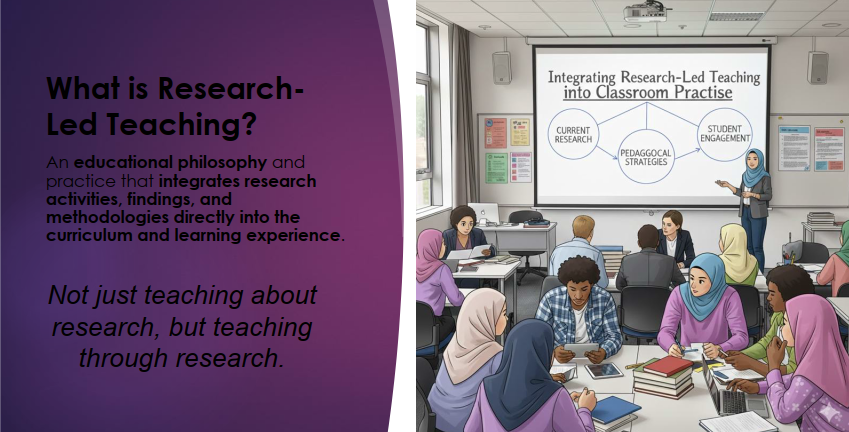
Salah satu kaedah pembelajaran dan pengajaran yang dapat mengaitkan pelajar dengan kajian dan penemuan terkini adalah dengan satu kaedah dikenali sebagai Research-Led Teaching. 

*Sumber: Nota Prof Ir. Ts. Dr. Sharifah Rafidah binti Wan Alwi

Research-Led Teaching bertujuan untuk mengintegrasikan pengajaran berasaskan aktiviti berasaskan kajian. Ianya menambah pengalaman melaksanakan kajian dalam kelas pengajaran kursus. 

Terdapat empat kaedah pelaksanaan Research-Led Teaching ini, iaitu: Research-based, Research-Oriented, Research-driven, dan Research-tutored. Boleh baca secara mendalam di laman web UTMCDeX: https://utmcdex.utm.my/research-led-teaching/ 

Bagi menambahbaik pelaksanaan kursus Spatial Data Management, kaedah Research-Tutored telah diimplementasikan dalam kelas. Ianya memberikan pelajar yang mengambil kursus ini untuk melaksanakan sebahagian cara melaksanakan kajian. 

Pelajar diberikan tajuk khusus, dan diminta mencari rujukan dalam laman sesawang jurnal, seperti WOS dan Scopus. Pelajar juga didedahkan kaedah menggunakan perisian Mendeley bagi mempercepatkan proses membuat rujukan kelak. Pelajar diminta untuk mencari sekurang-kurangnya 5 artikel jurnal dalam laman sesawang yang dinyatakan. 

Selepas mendapat artikel jurnal ini, pelajar kemudiannya dikehendaki membaca, dan mengenalpasti beberapa perkara utama, antaranya apa tujuan kajian, apa permasalahan, kaedah yang digunakan dalam kajian itu, serta data yang digunakan dalam kajian tersebut. Pelajar kemudiannya diminta untuk mengkelaskan kajian-kajian yang didapati. Kemudian dibentangkan dalam kelas. 

Sesi soal-jawab antara rakan sekelas seterusnya dibuat, untuk melihat, adakah betul hasil kerja dilaksanakan oleh kumpulan tersebut, dan seterusnya persoalan kritikal akan dilontarkan bagi meningkatkan kefahaman pelajar.

Kaedah Research-Led Teaching (Pembelajaran Terpandu-Kajian) ini sangat diperlukan bagi menambahbaik pekerjaan semasa. Lebih-lebih lagi kerajaan menetapkan Malaysia mencapai Negara Berpendapatan Tinggi, yang sangat memerlukan kepada inovasi dalam pelbagai bidang. Dan salah satu kaedahnya, adalah dengan mengkaji kajian terdahulu, serta mengkaji bagaimana penambahbaikan rekabentuk, produk, atau model itu boleh dilaksanakan.

A New Experience as Part of NALI 2025 Workshop Committee

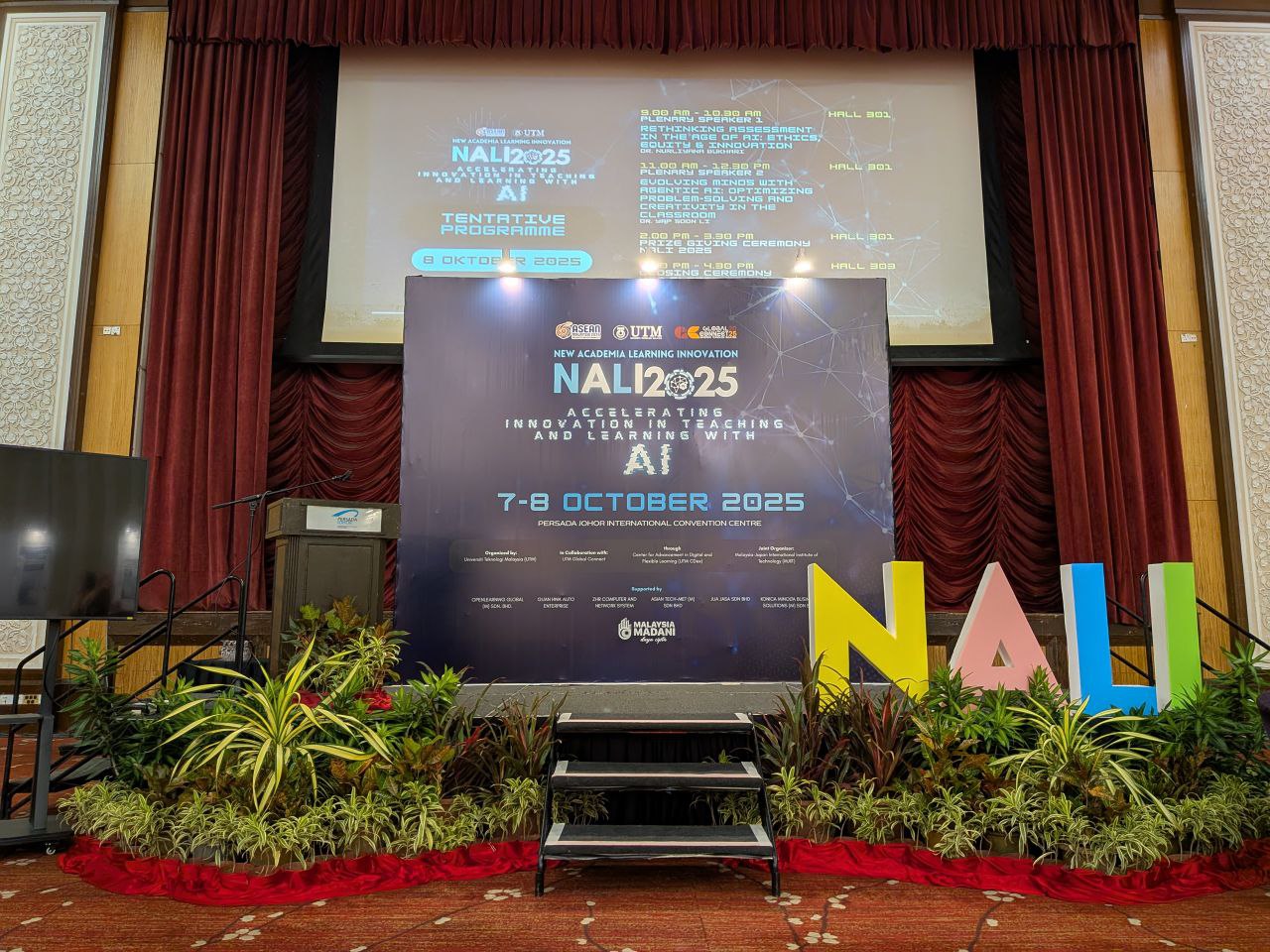
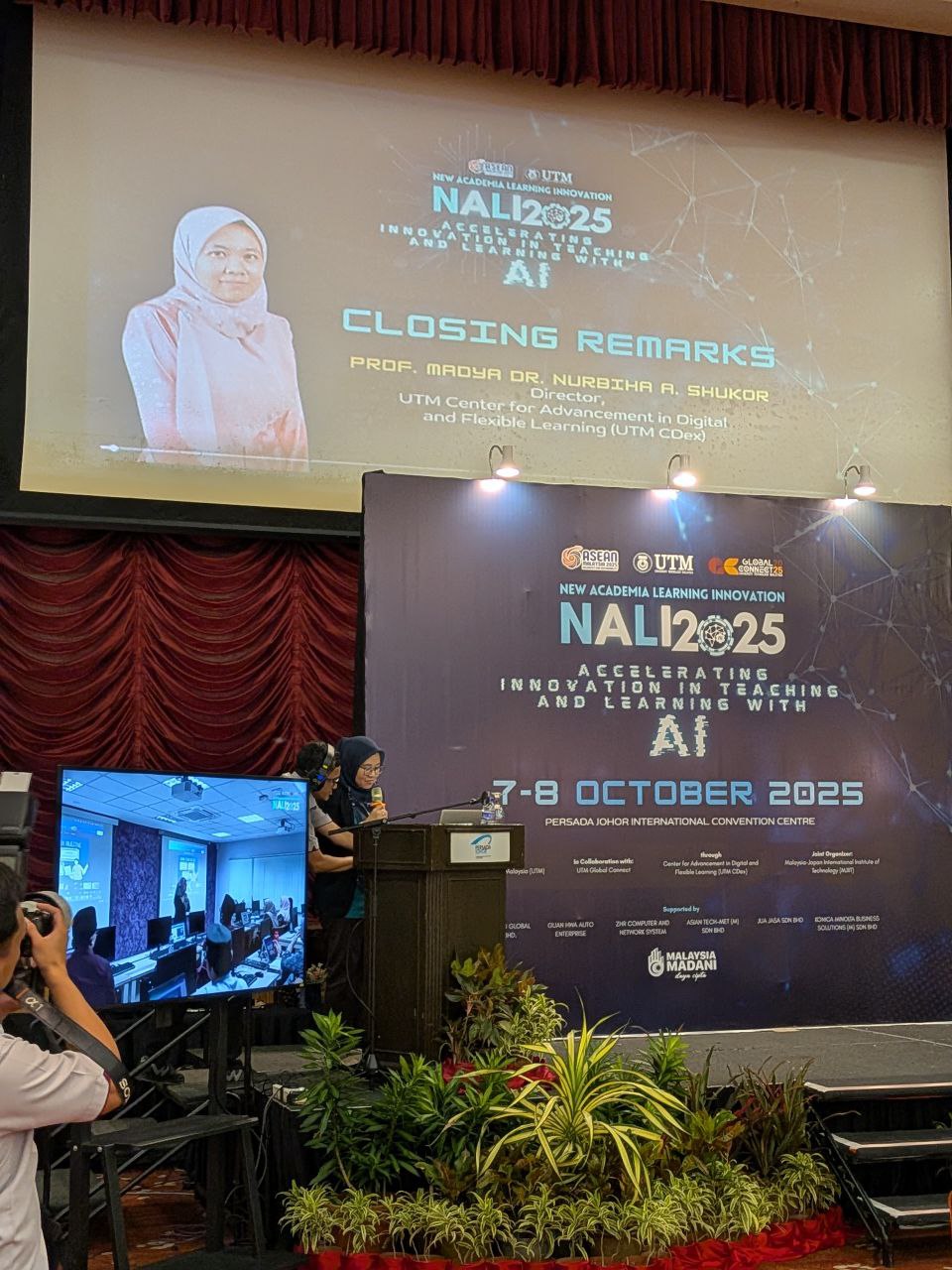
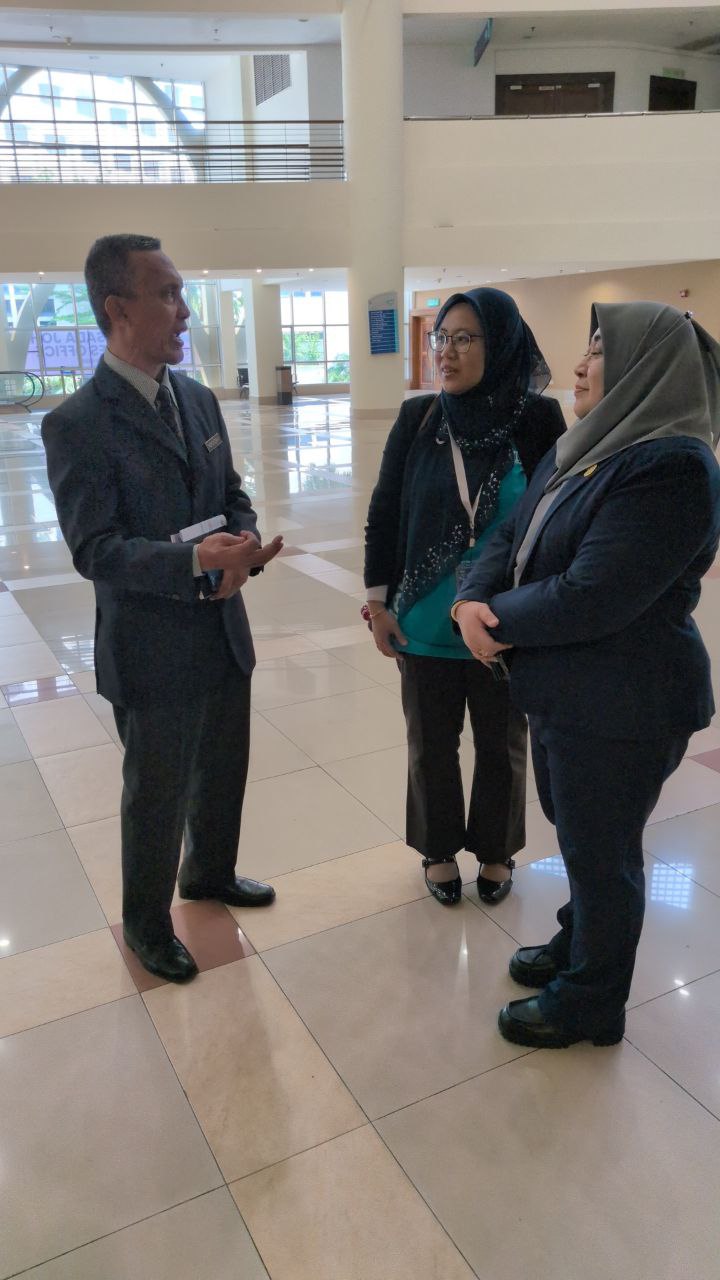
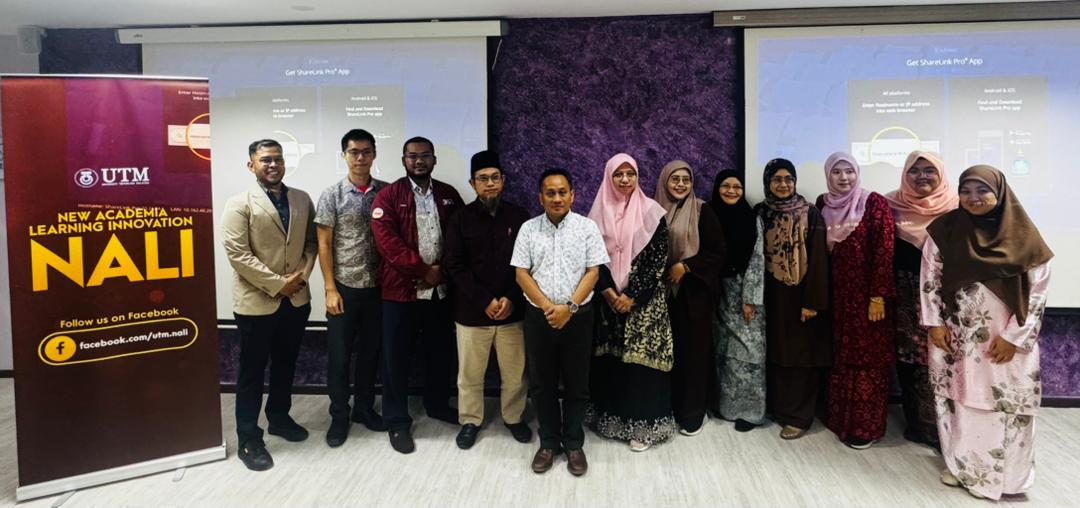
This year, I had the privilege to serve as a committee member for NALI 2025, under the Workshop Unit — and it has truly been a different experience from previous years.

This time, my role focused more on the management and execution of NALI pre-workshops, involving four invited speakers delivering insightful sessions on AI integration in teaching and learning. It was also my first time managing the NALI workshop series, as well as taking part in event protocol matters — preparing the emcee script, officiation speech, and coordinating the overall flow of the sessions.

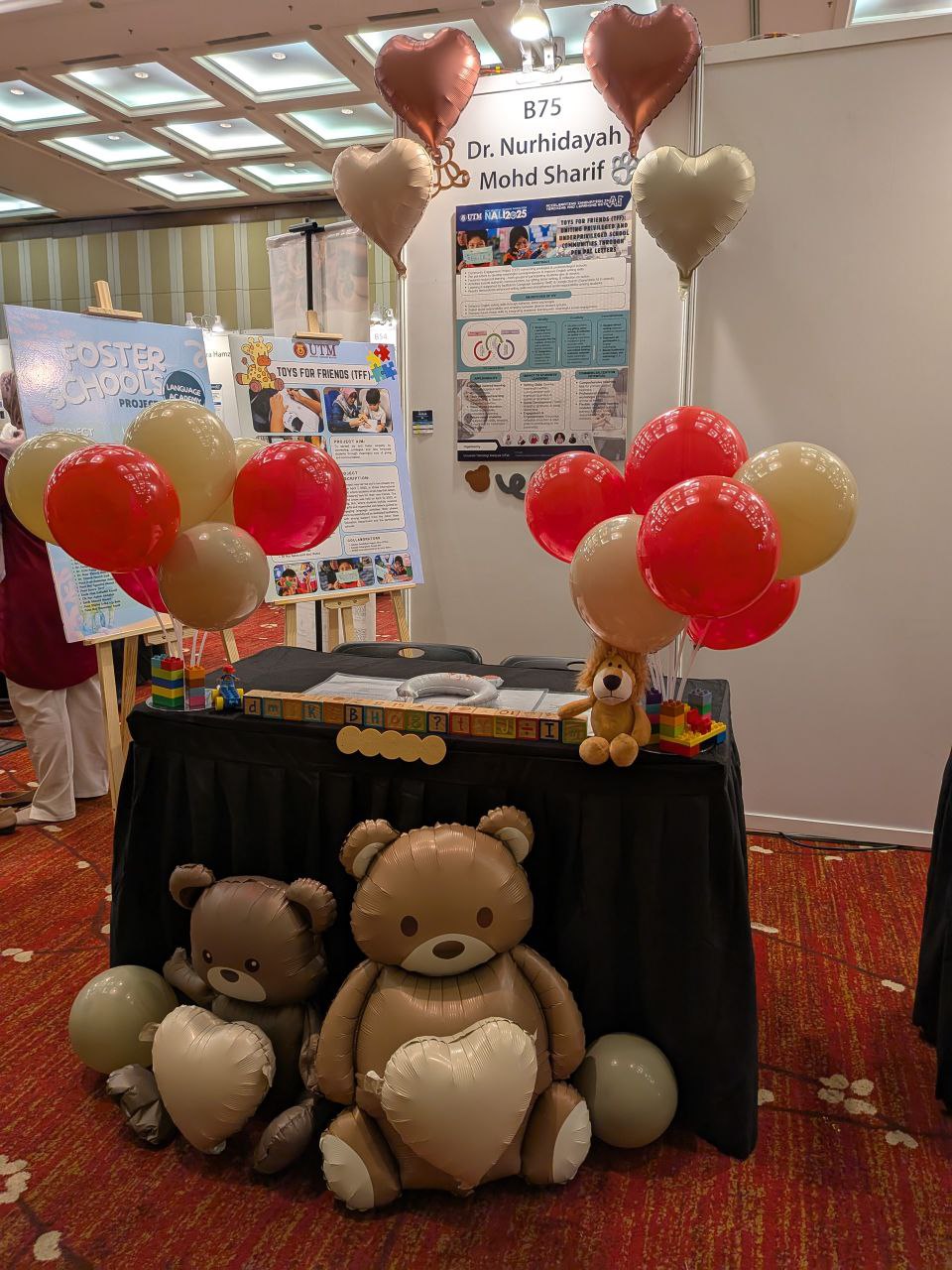
I was also impressed by the creativity shown through the participants’ posters — diverse, engaging, and full of innovative ideas. Of course, there are still many things to improve and learn, but the entire experience has been incredibly valuable.

Here’s to continuous growth, learning, and meaningful contribution to the education community.

hashtagNALI2025 hashtagAIinEducation hashtagTeachingAndLearning hashtagHigherEducation hashtagInnovationInEducation hashtagProfessionalDevelopment


NALI2025 Workshop 3 – Transforming Course Design with AI

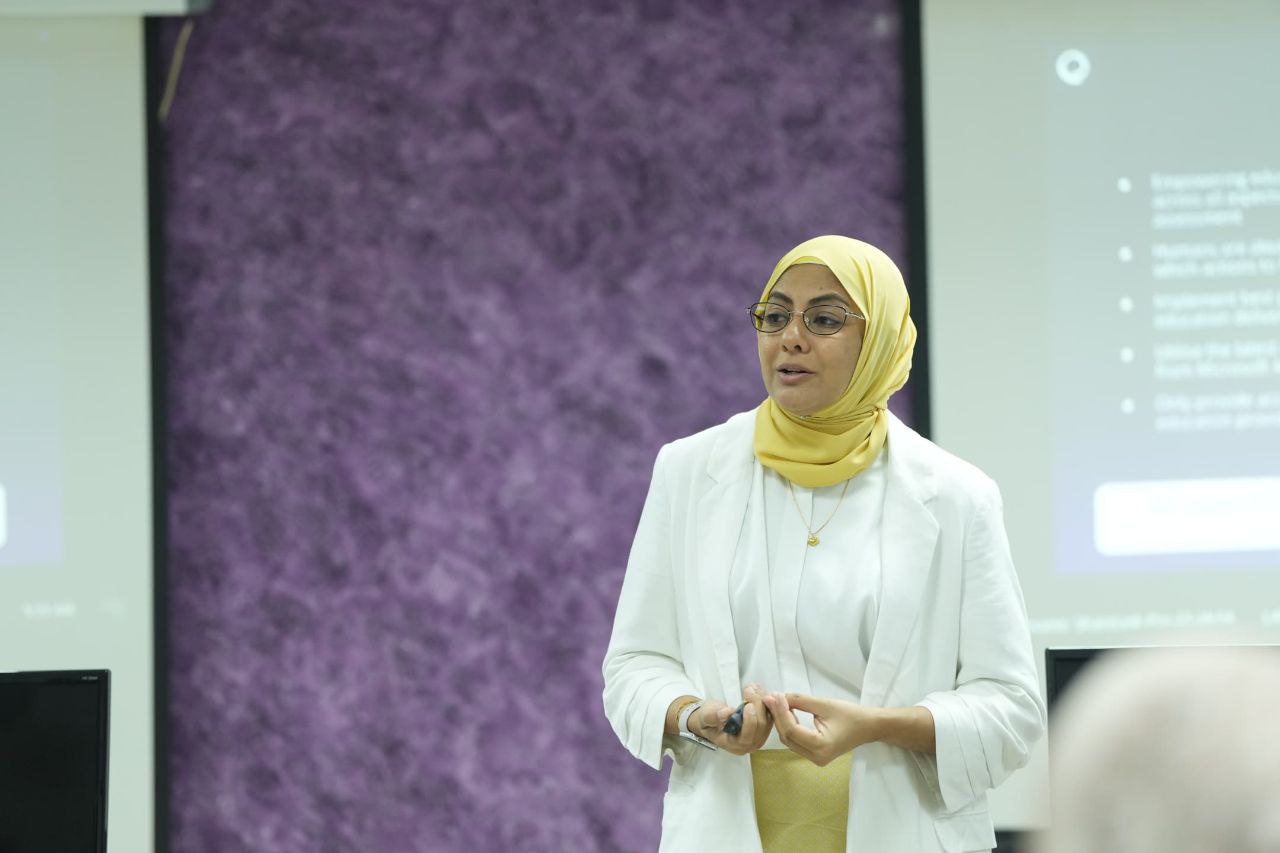
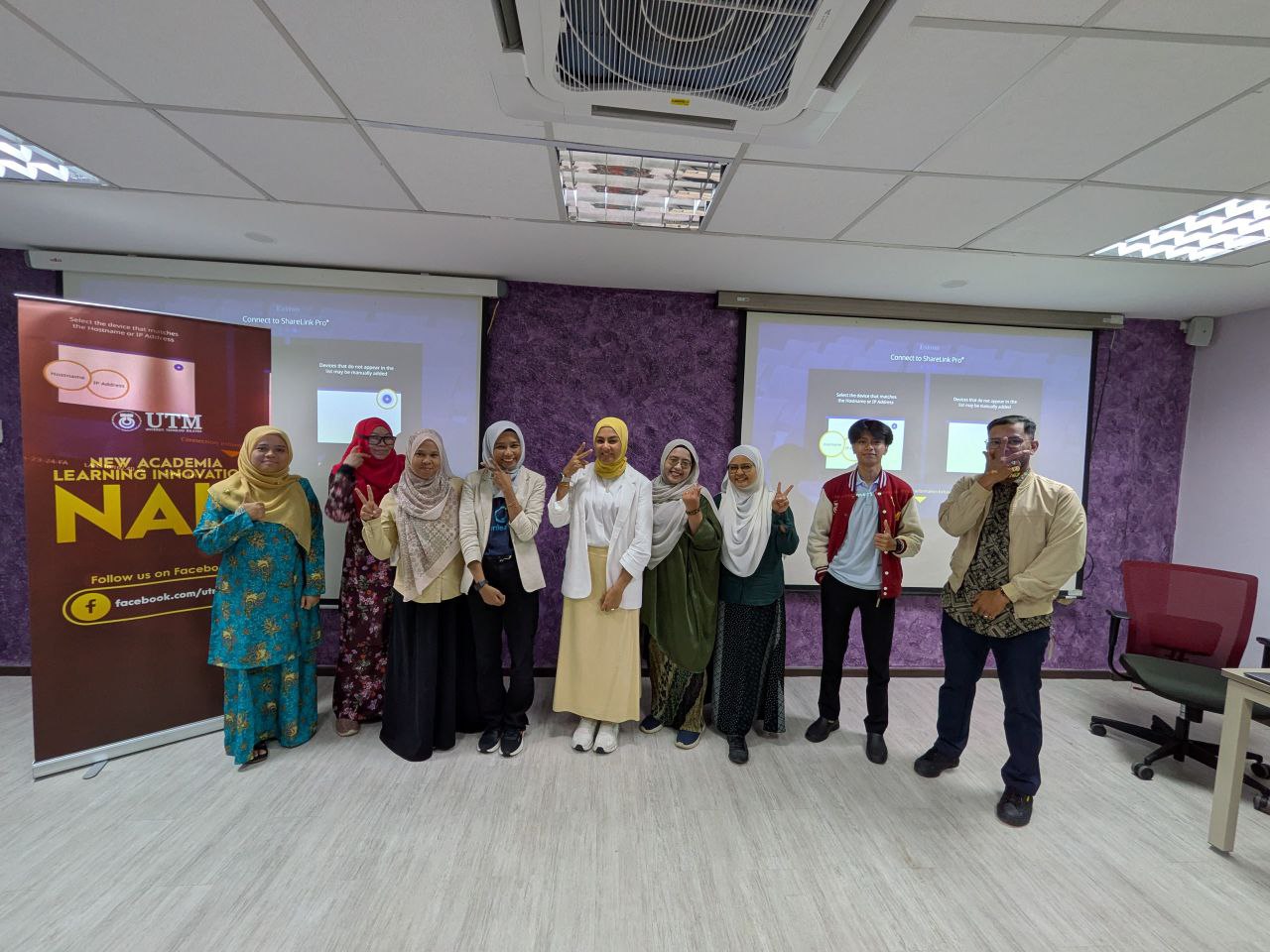
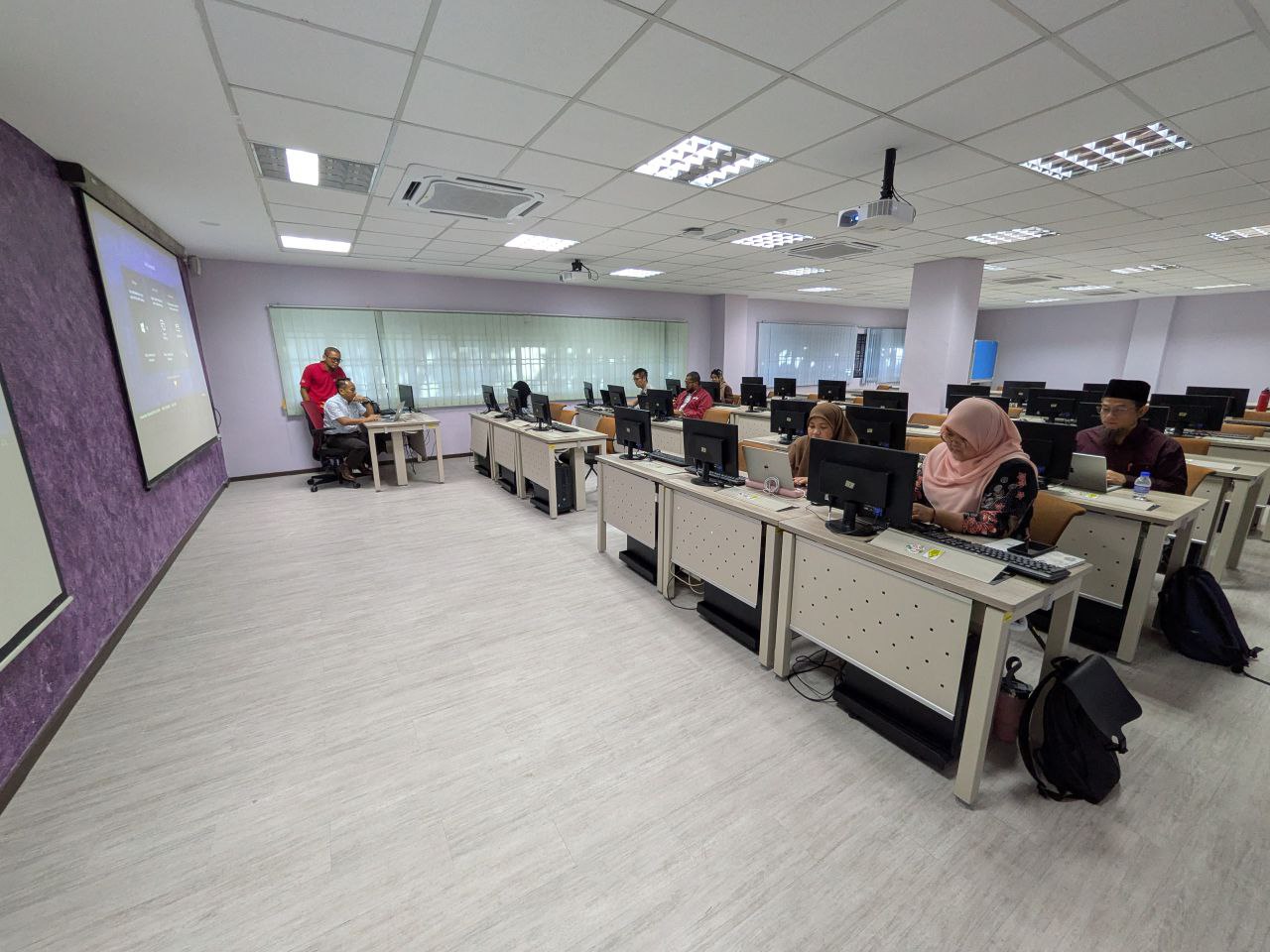
I recently attended my third NALI2025 workshop, titled “Transforming Course Design with AI” conducted by Ts. Marsyitah Ismail. The session provided valuable insights into how artificial intelligence can be applied to enhance the development of Micro-Credentials (MCs) — from preparing course notes and structuring delivery, to designing effective student assessments.

With the support of AI tools, educators and institutions can now develop Micro-Credentials more efficiently, ensuring that learning modules are not only comprehensive but also engaging and accessible for learners.

This workshop has been an eye-opening experience, highlighting the potential of AI to transform the way we design and deliver lifelong learning opportunities.

hashtagNALI2025 hashtagMicroCredential hashtagAIinEducation hashtagLifelongLearning hashtagDigitalLearning hashtagHigherEducation

Welcoming New Geoinformatics Students – Session 2025/2026

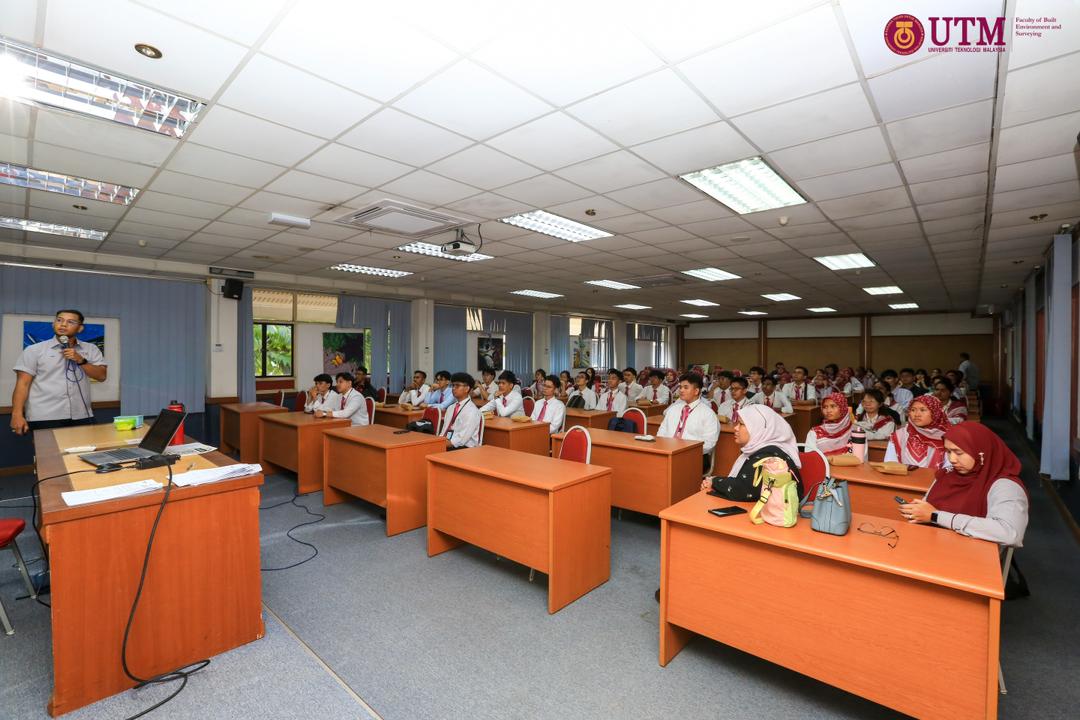
As the Programme Coordinator for Bachelor of Science in Geoinformatics with Honours, I had the pleasure of welcoming our new students for the 2025/2026 academic session. The session included a programme briefing, an interactive dialogue with the students, and a sharing by the President of the Geoinfo Club.

It was also an honour to have several fellow lecturers join the occasion, celebrating and showing support for our new cohort. This marks the beginning of their journey in Geoinformatics, and we look forward to guiding and inspiring them as they explore the exciting world of geospatial science and technology.

hashtagGeoinformatics hashtagHigherEducation hashtagStudentEngagement hashtagGeospatial hashtagUTM


NALI2025 Workshop 2: Using Generative AI in Teaching and Learning!

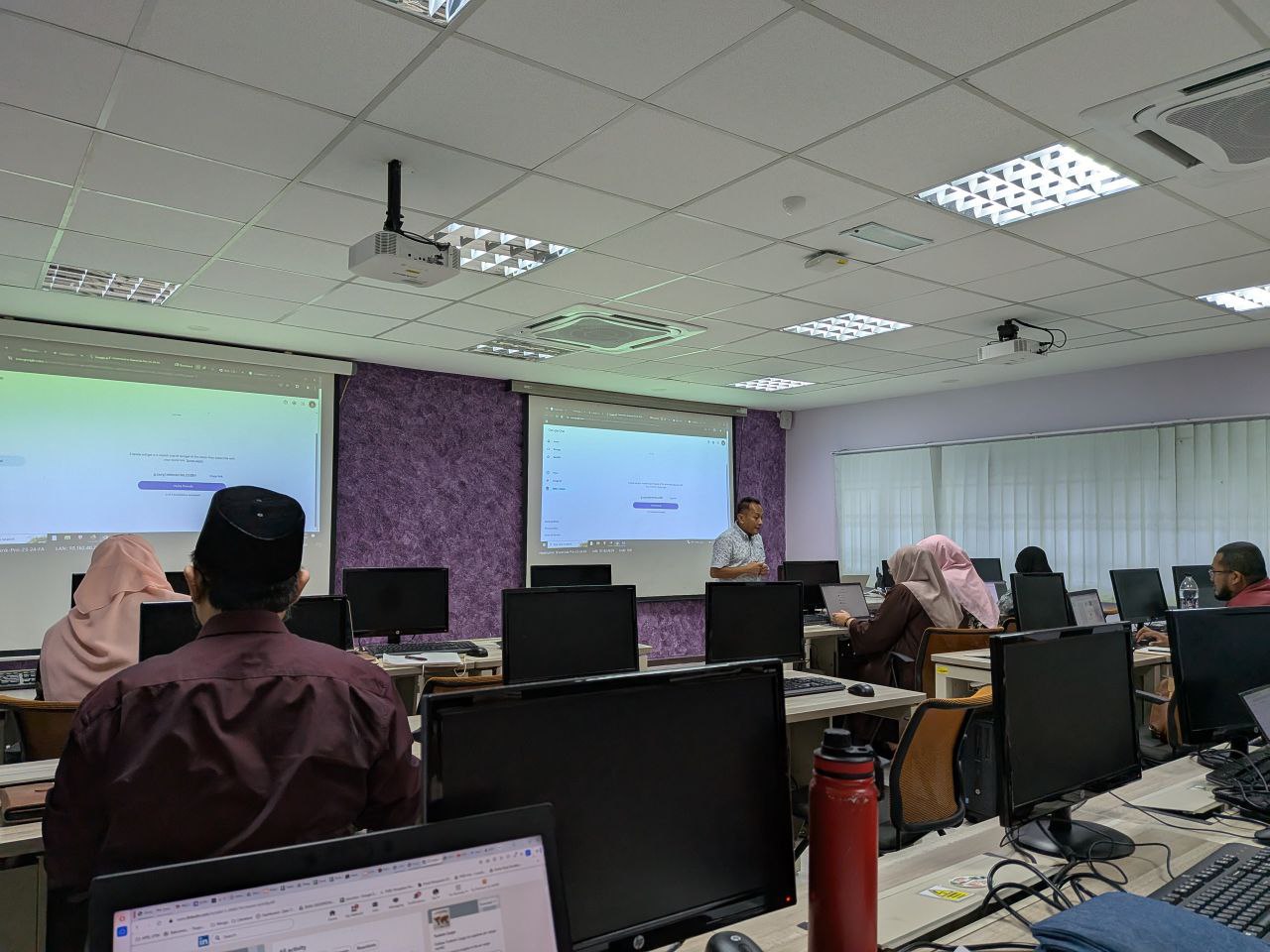
I recently had the opportunity to participate in a workshop on “Generative AI in Teaching and Learning” which explored practical ways in which artificial intelligence can support and enhance the teaching and learning (T&L) process.

The session focused on the use of ChatGPT and Canva as powerful tools to simplify lesson preparation and content creation, design more interactive and engaging learning materials, and foster greater student participation and collaboration in the classroom. This experience underscored the transformative potential of generative AI in creating innovative, student-centered learning environments.

hashtagGenerativeAI hashtagTeachingAndLearning hashtagAIinEducation hashtagDigitalLearning hashtagInnovationInEducation


NALI2025 Workshop 1: Learning AI tools in ODL development

I recently had the privilege of attending the NALI 2025 workshop entitled “SIM Development for ODL Using AI Tools.” The session provided valuable insights into the integration of artificial intelligence in designing and developing course materials for Open and Distance Learning (ODL).

The workshop highlighted the use of various AI platforms—including ChatGPT, Gemini, CoPilot, and Whisk—which enable educators to:

  • Systematically design and structure ODL course content.

  • Develop more effective and impactful prompts to enhance instructional delivery.

  • Facilitate the creation of dynamic, interactive, and high-quality ODL learning modules.

This initiative represents an important step towards advancing innovation in teaching and learning, in line with the digital transformation of higher education.

#NALI2025 #ODL #AIinEducation #DigitalTransformation #InnovativeTeaching

GIS Training Camp 1 2025 Site Visit

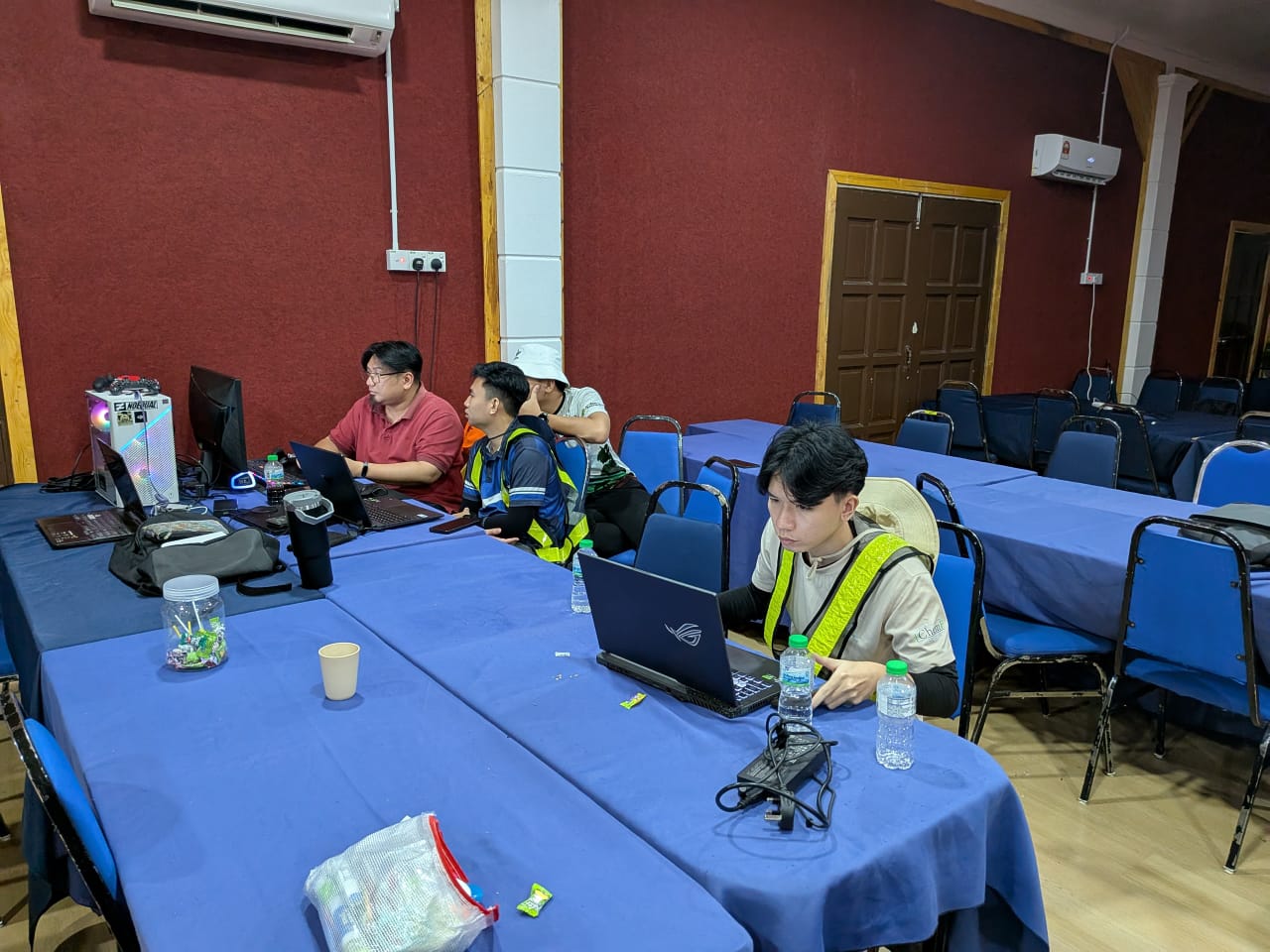
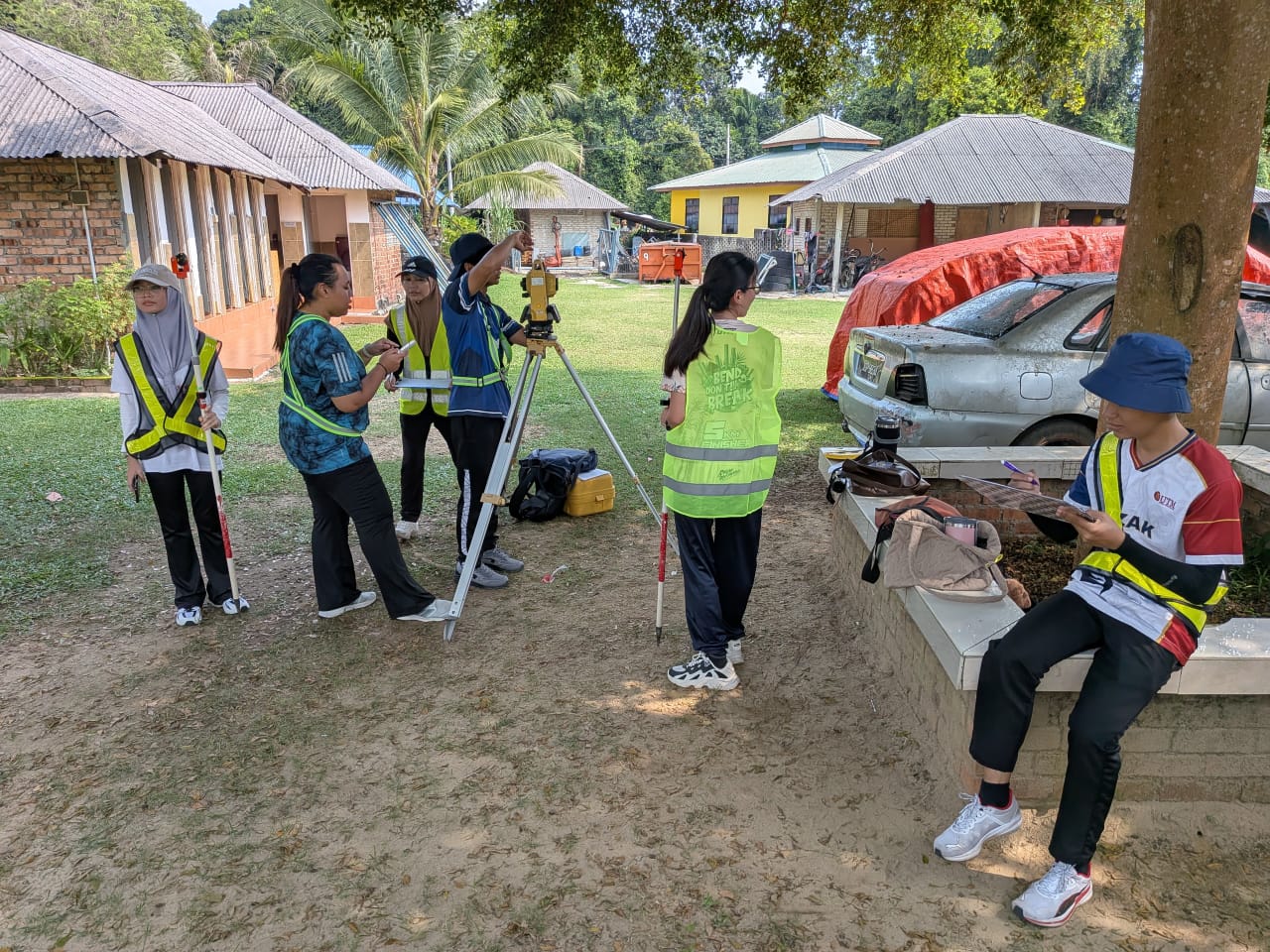
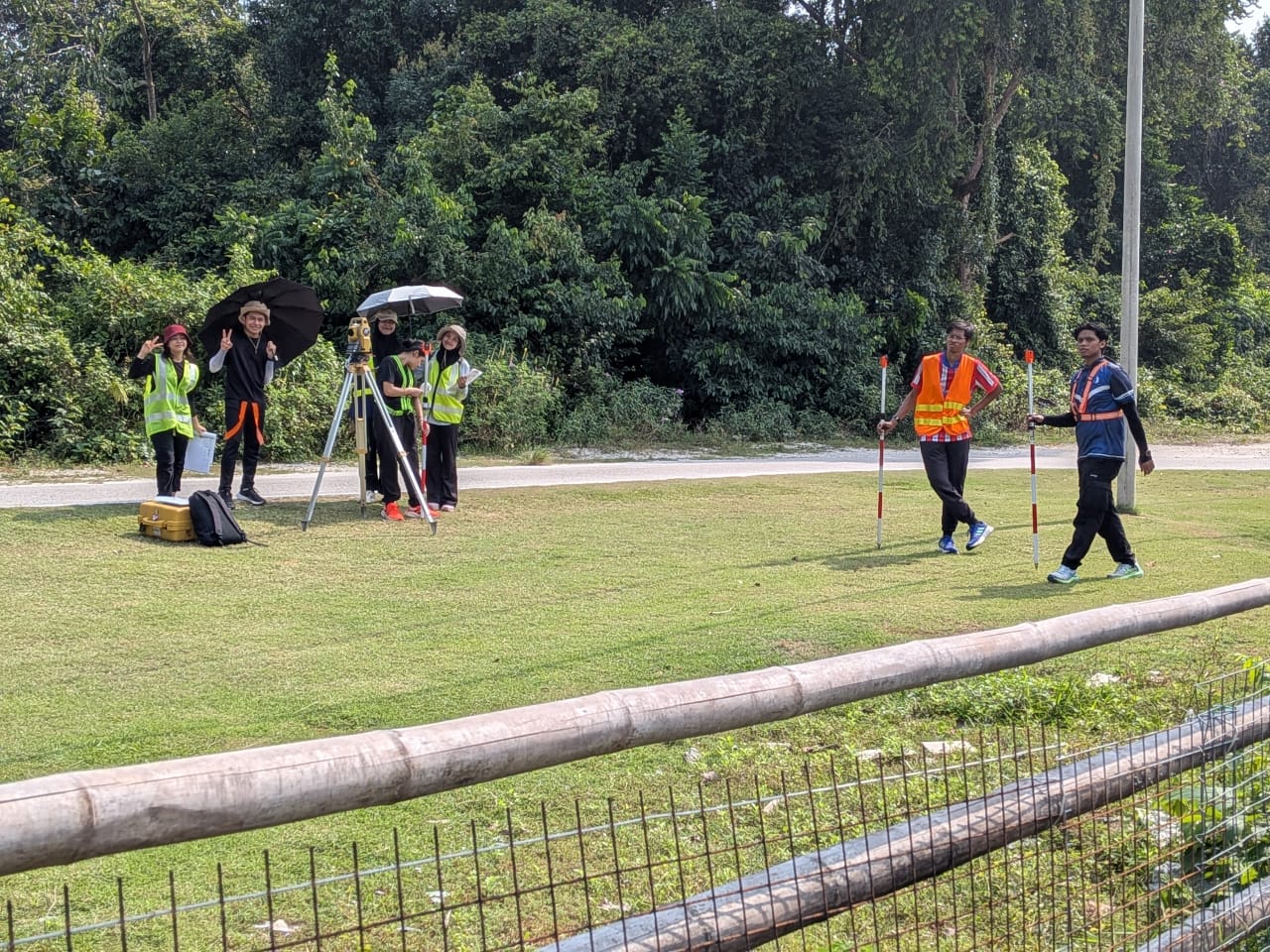
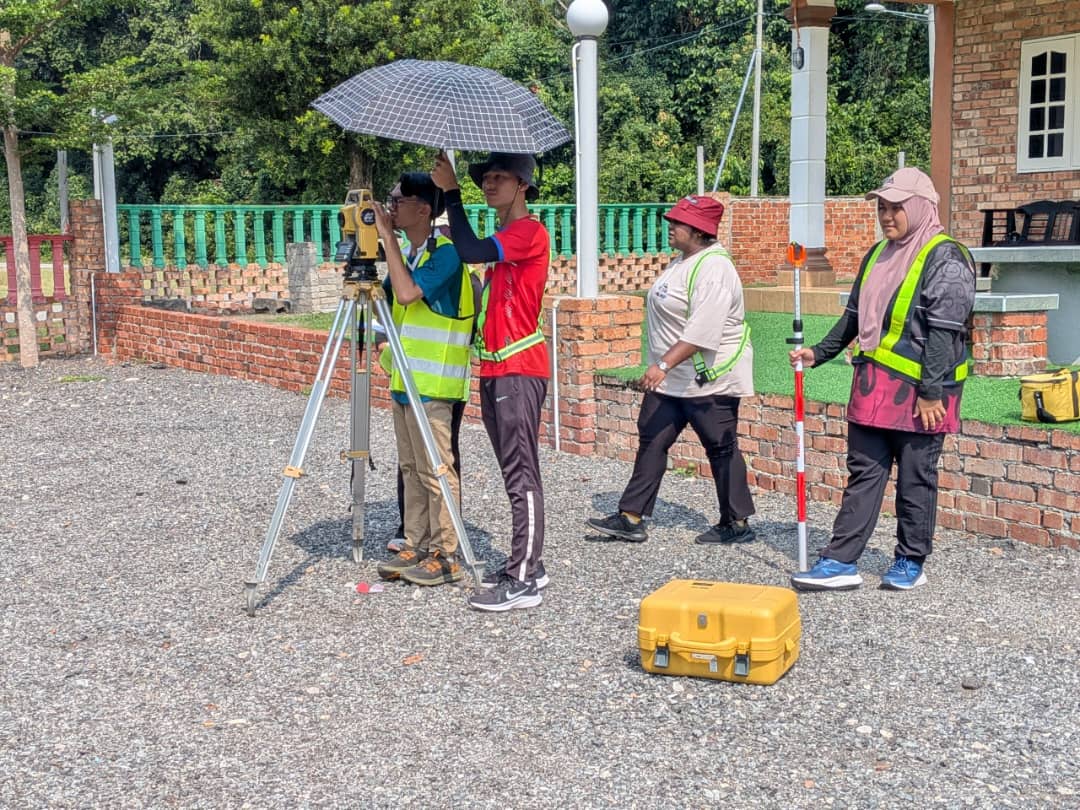
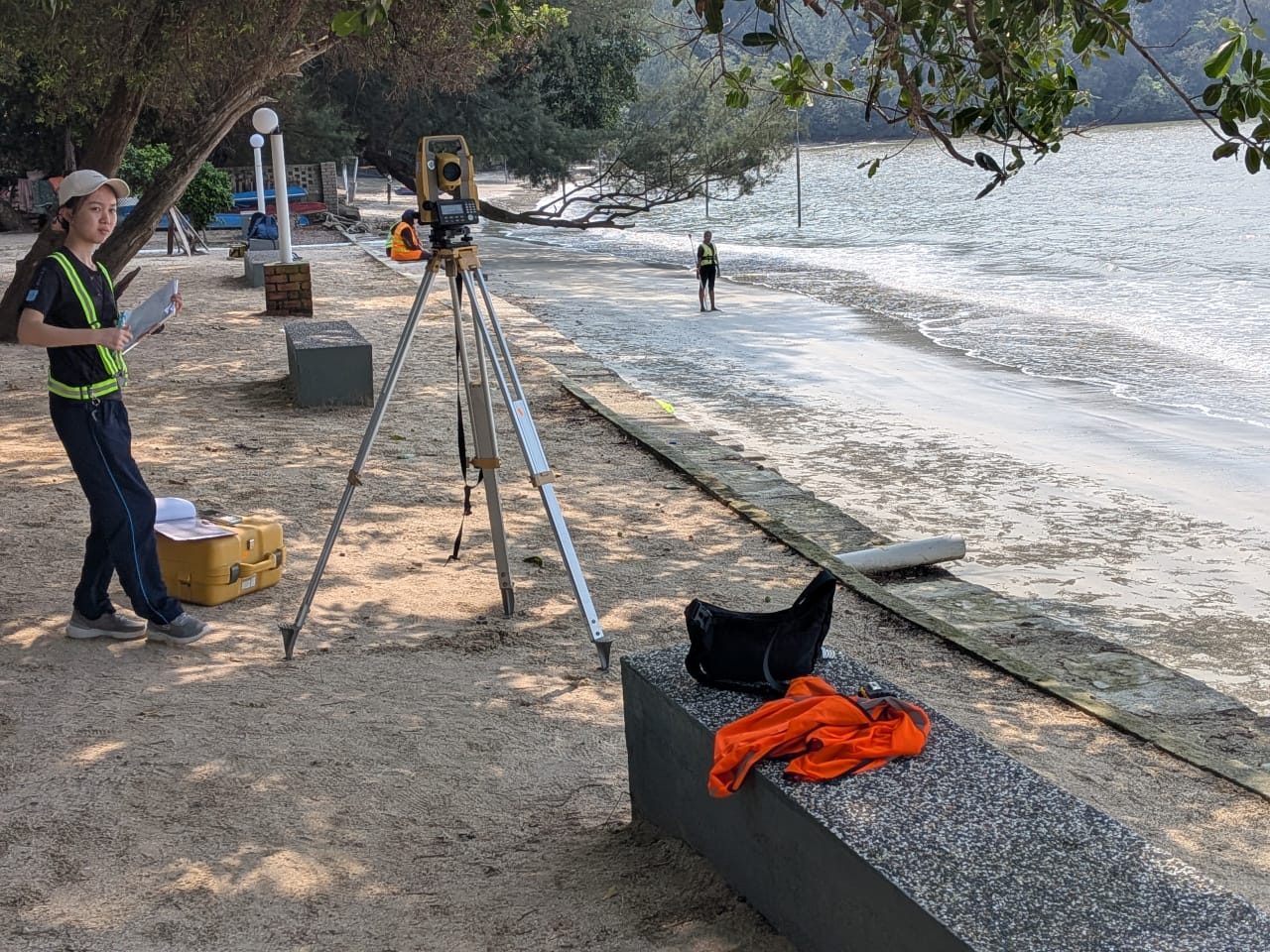
Last week I went to Teluk Gorek, Mersing to visit 2nd year students of Geoinformatics that are currently doing their GIS Training Camp 1.

This time GIS Training Camp 1 was held in Telok Gorek, Mersing. With a total number of 48 students. They collected all the data for the resort and later will be processed and stored in a geospatial database.

I hope this experience will help them facing the real world problems and able to provide solutions related to issues they’ll face later.

#geoinformatics #sbegh #GIS #GISbootcamp #GIStrainingcamp