Working from home (WFH) definitely has its advantages.
Sometimes, it gives the quiet space needed to focus deeply on research, writing, analysis, and all the “deep work” that usually requires uninterrupted concentration.
But at the same time, there is also the other side of academic life.
Sometimes students are stuck.
Sometimes they need guidance, reassurance, or just someone to discuss their research problems with. And honestly, it is hard to just leave them struggling alone.
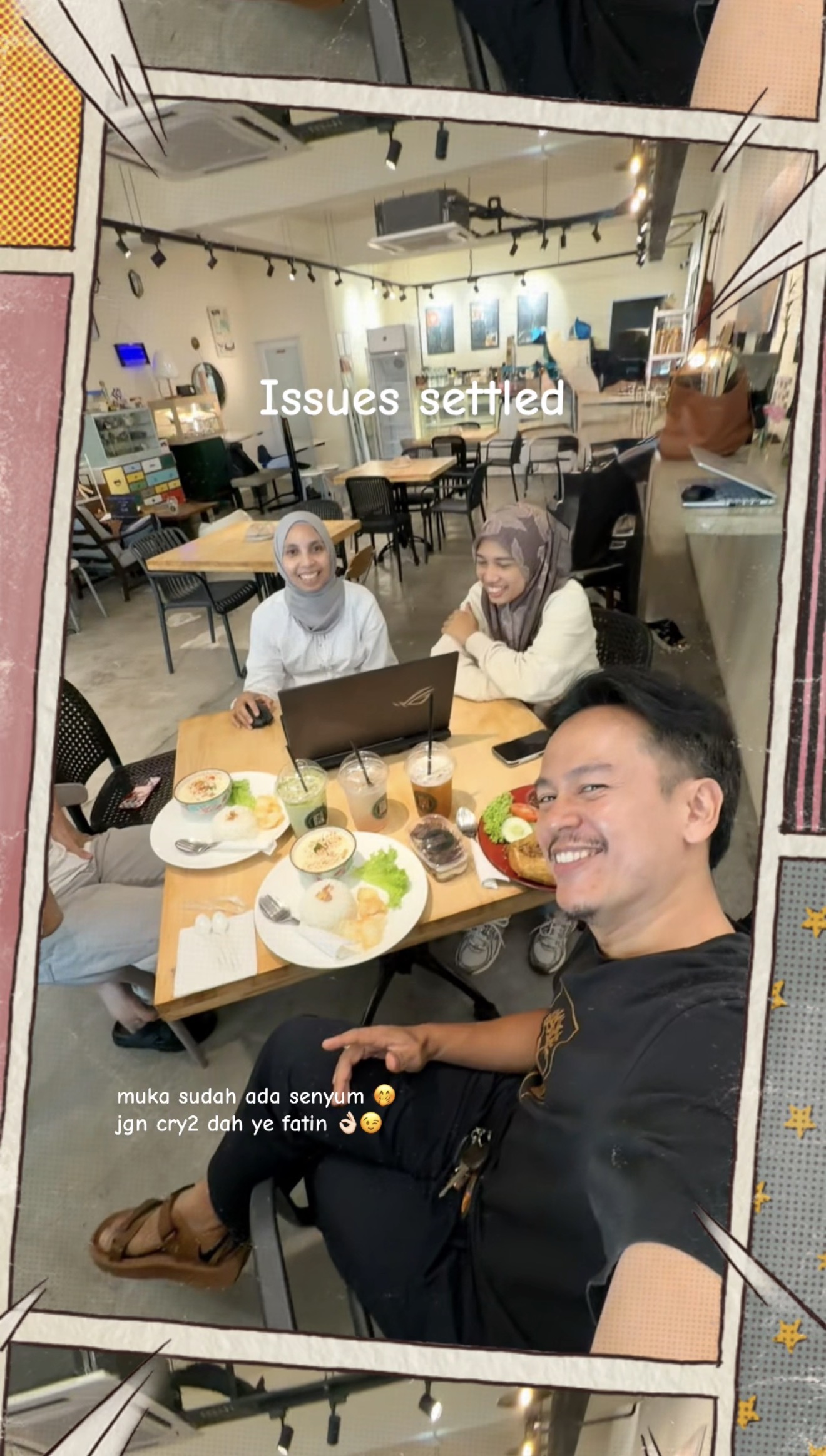
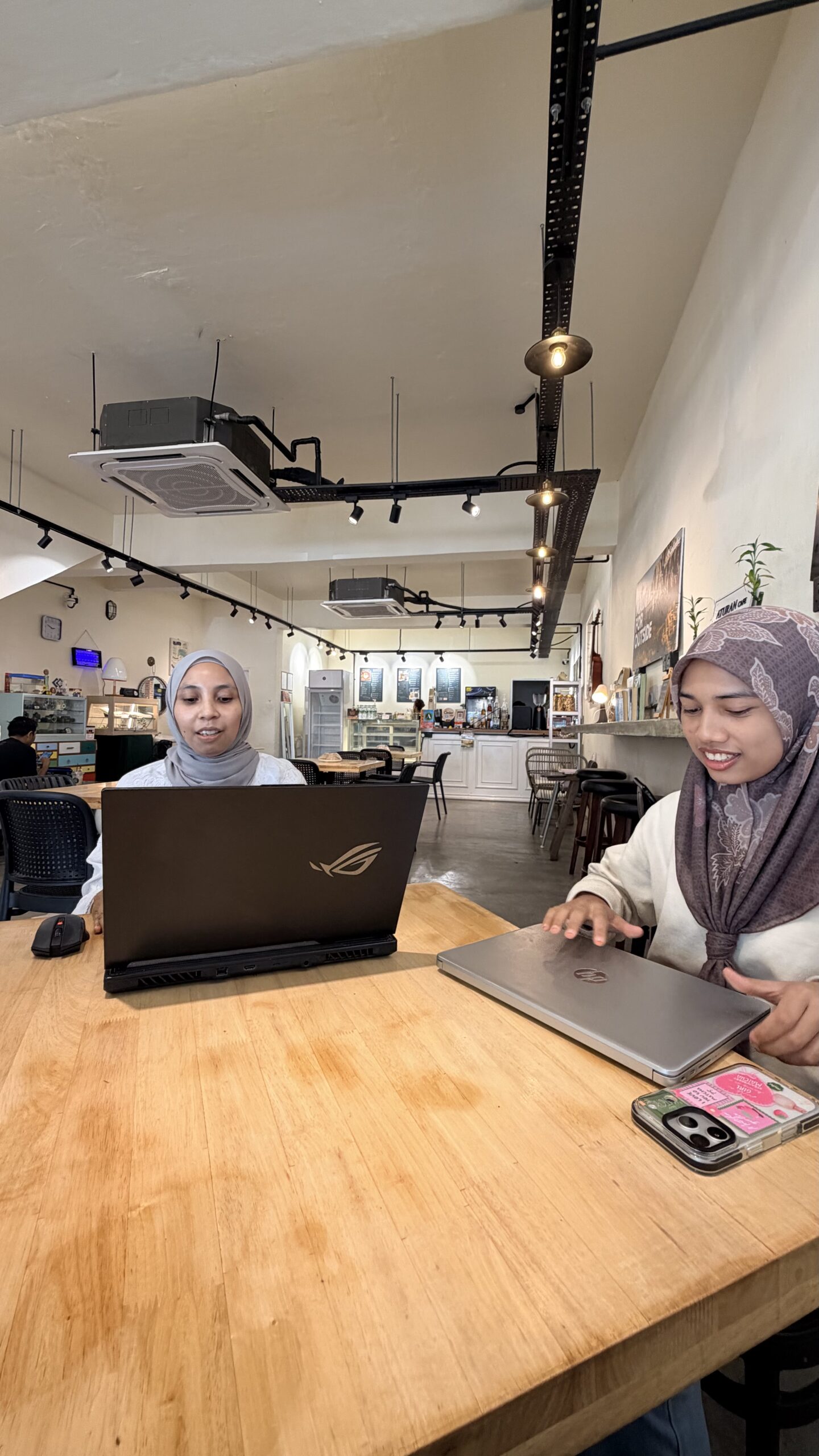
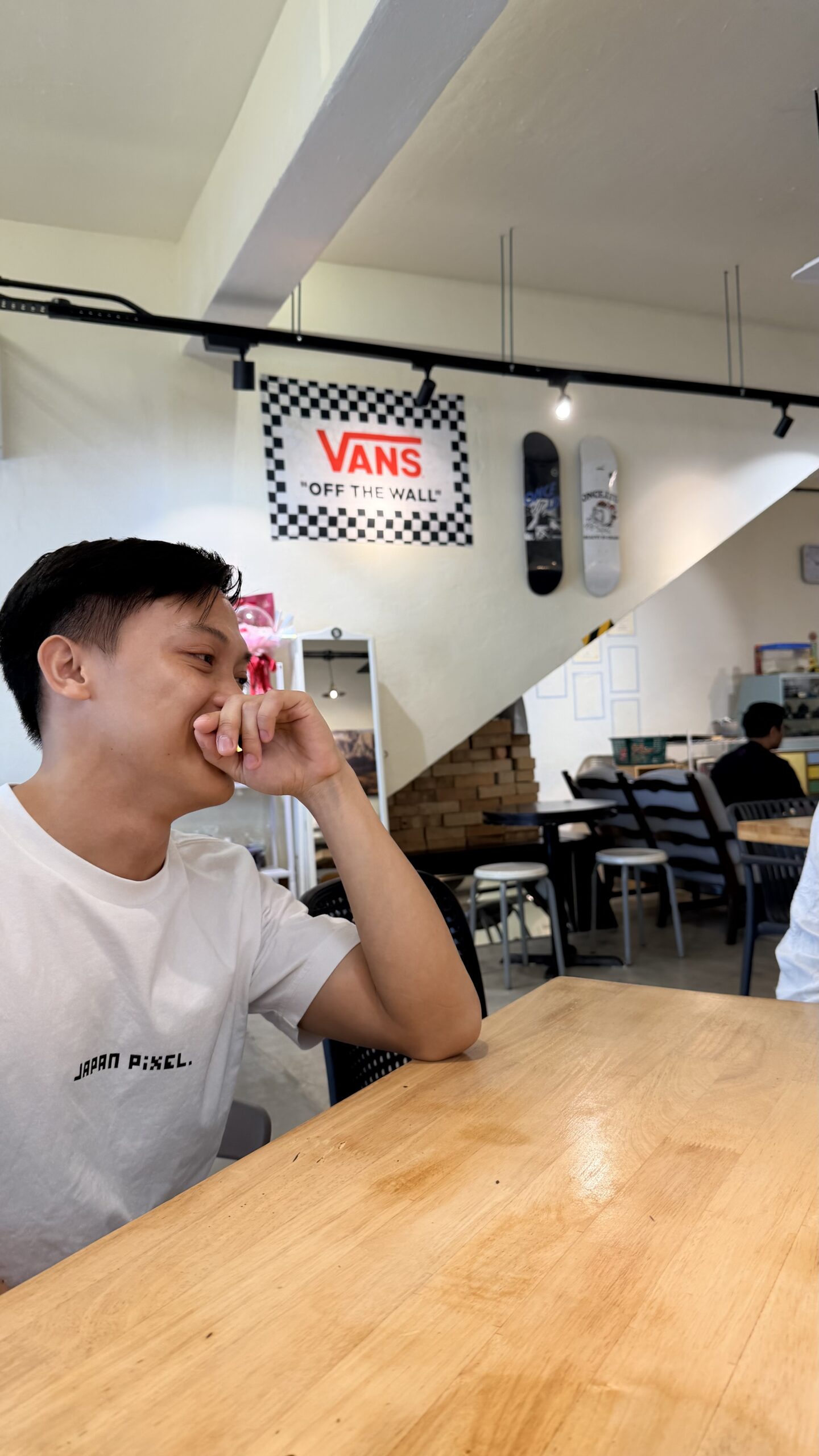
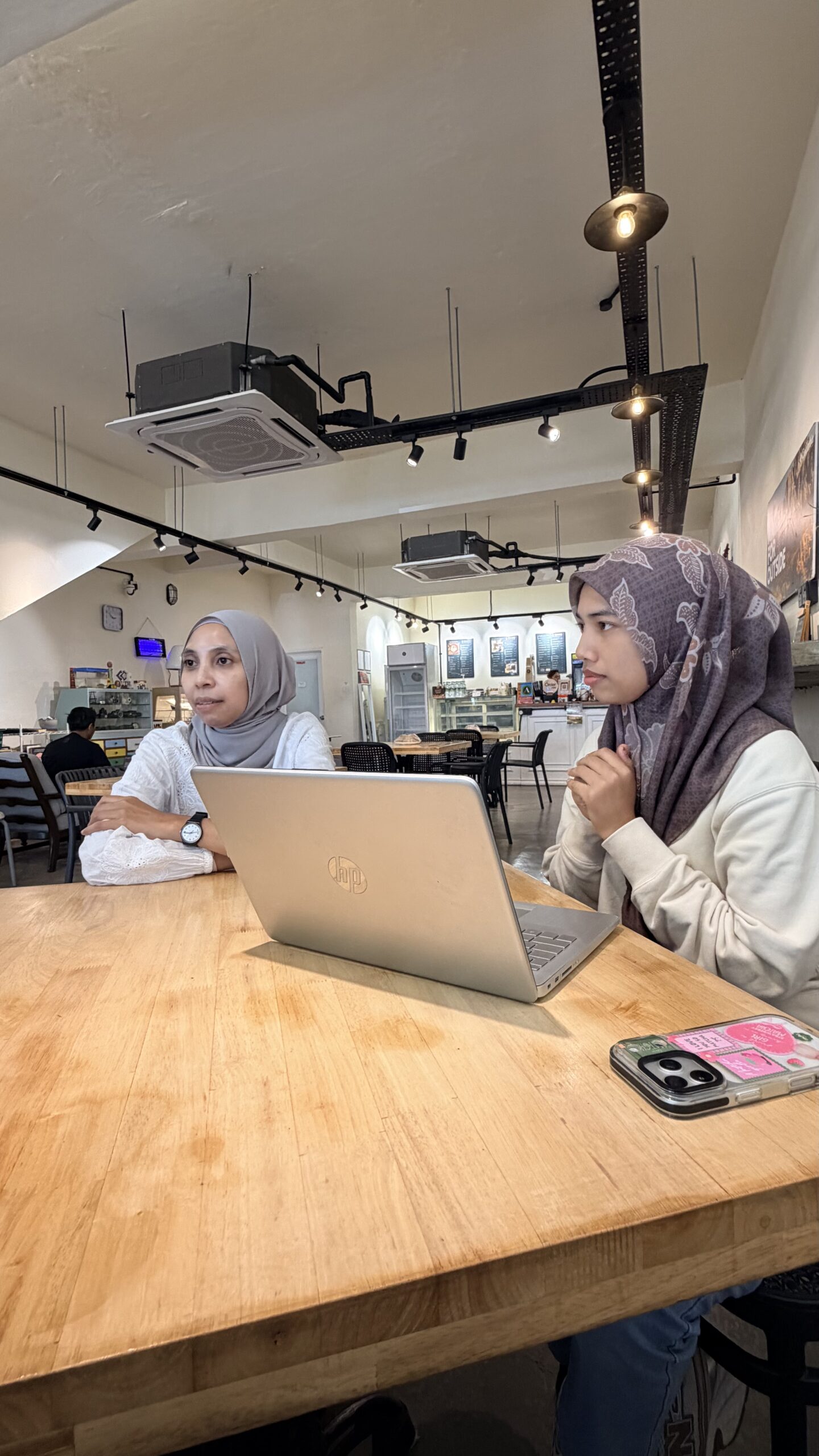
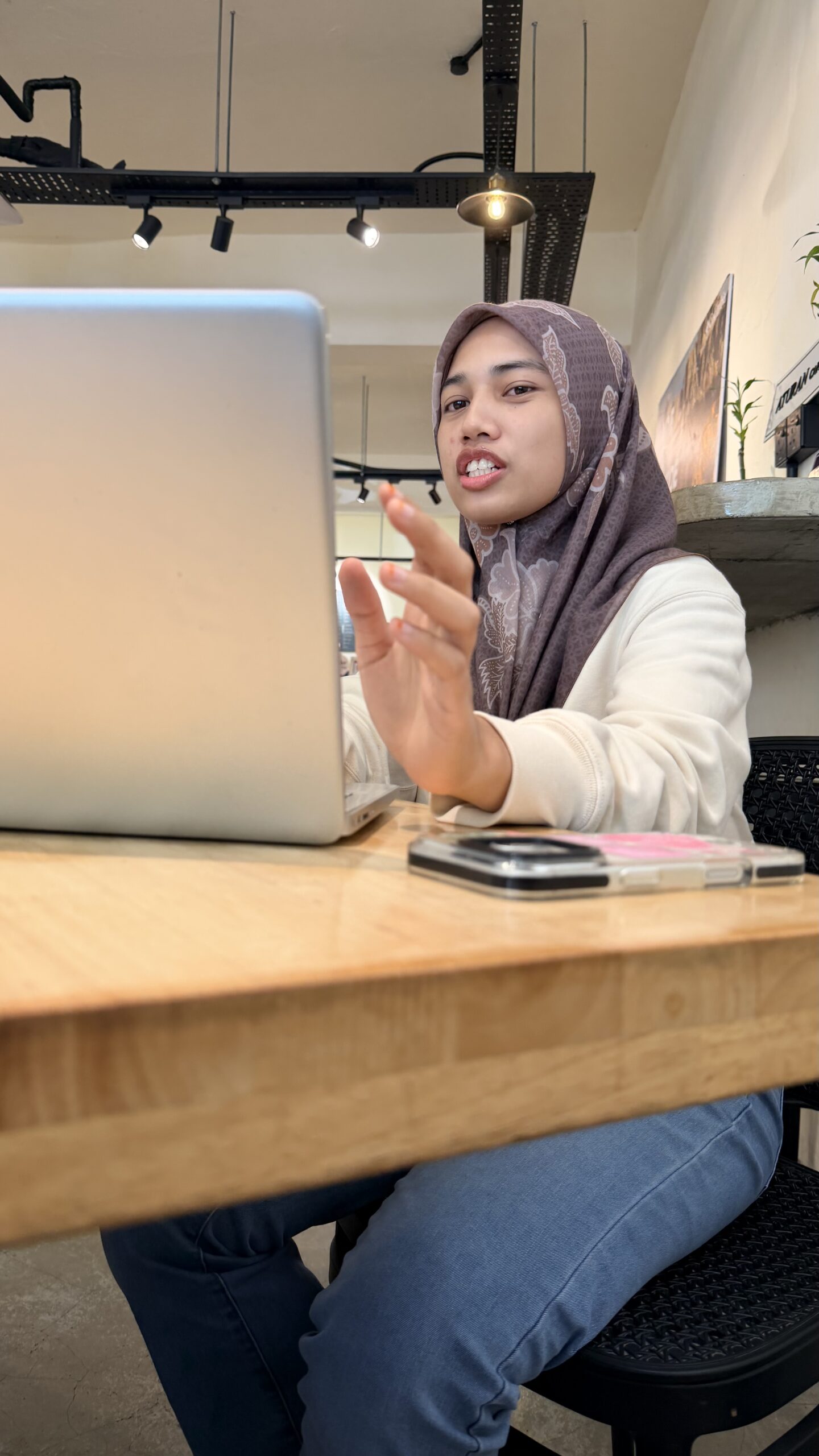
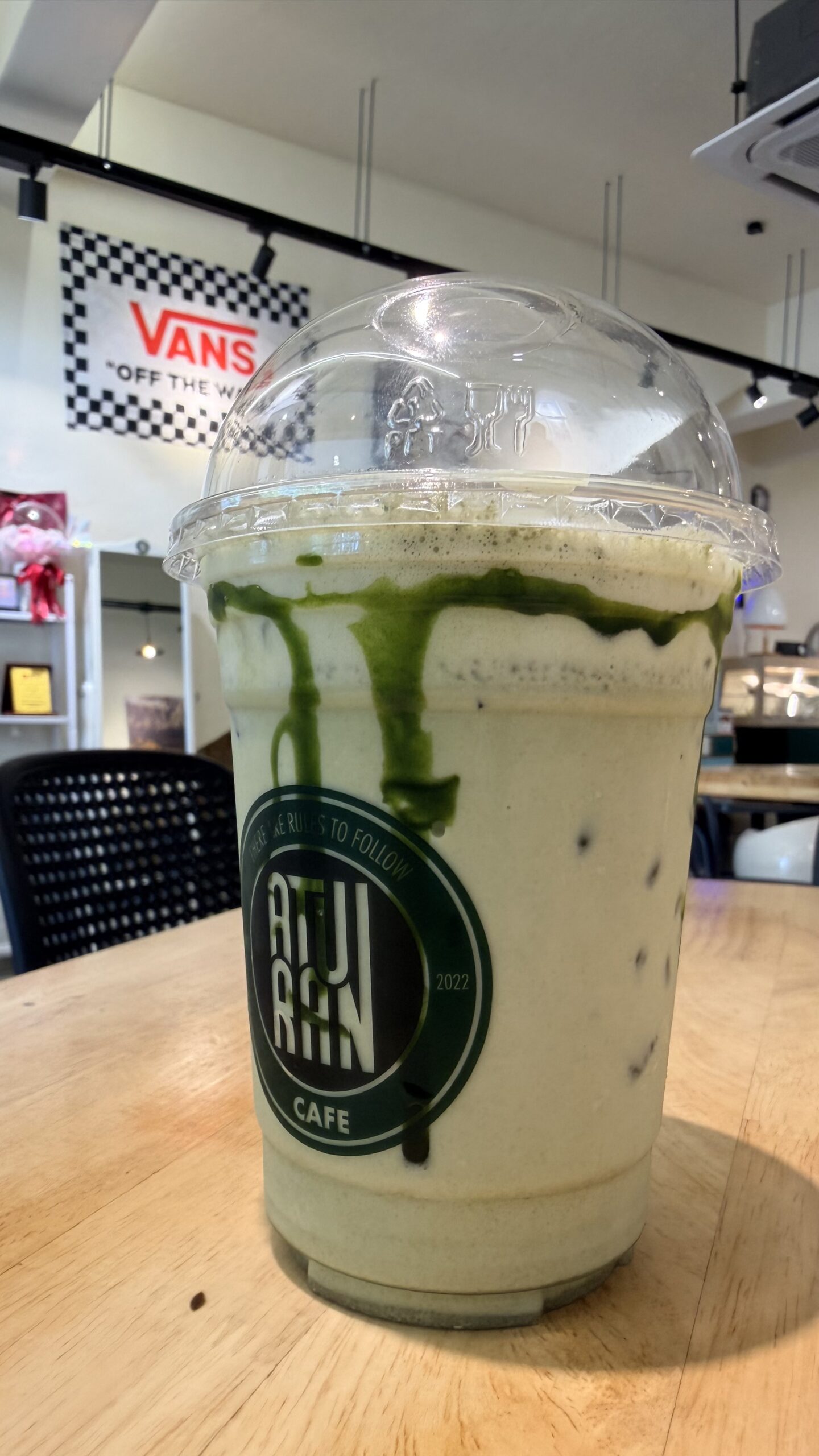
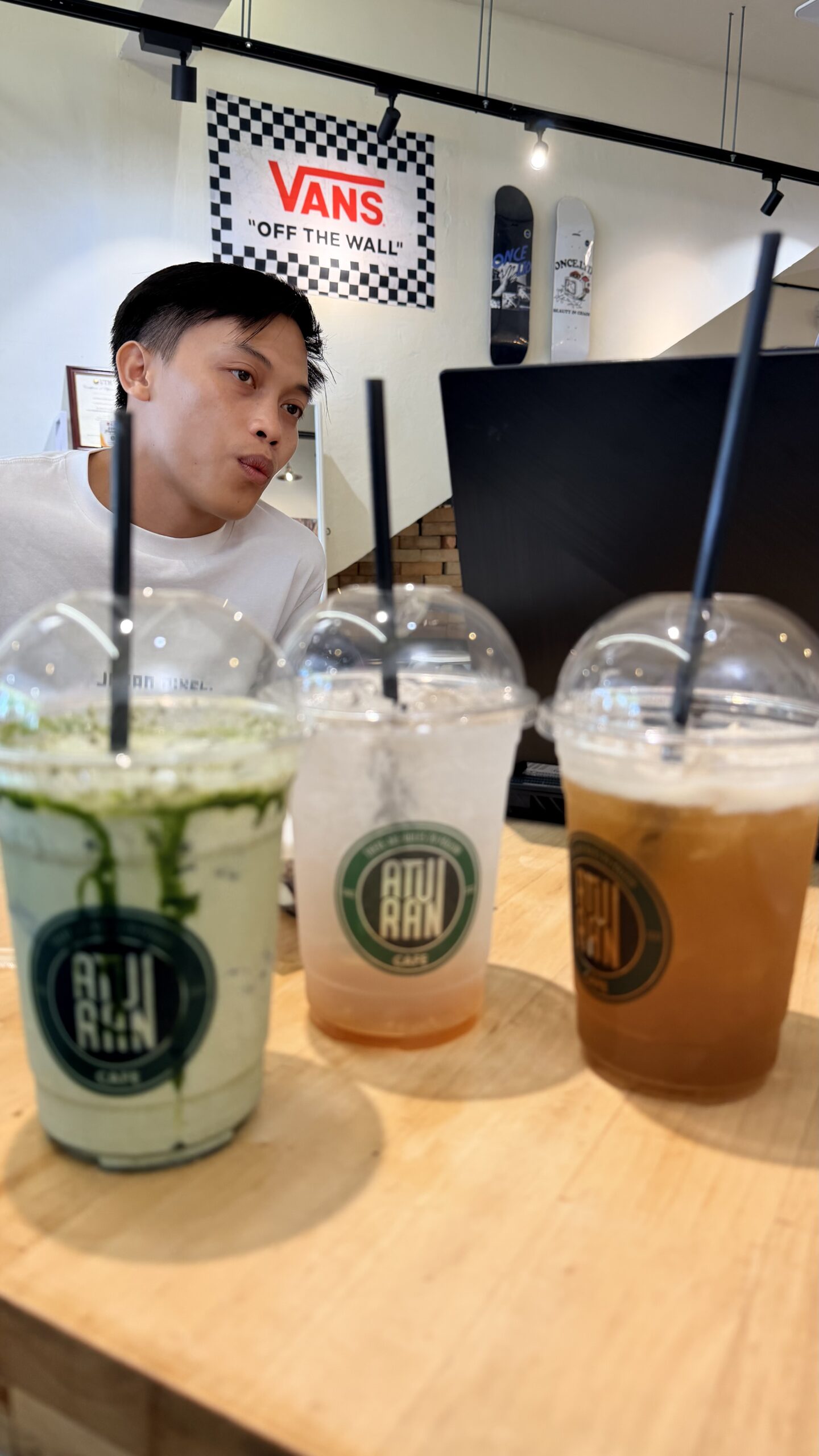
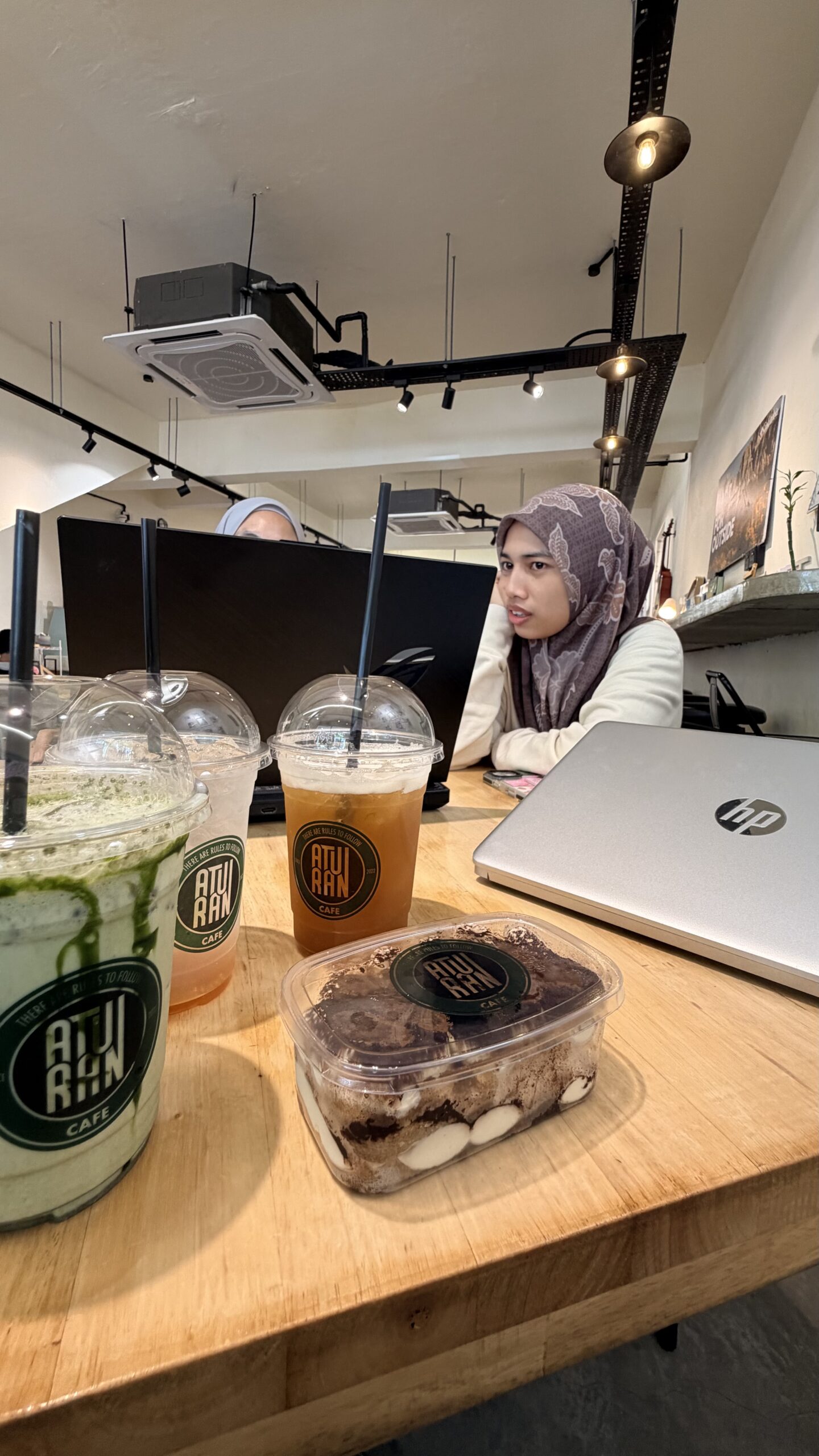
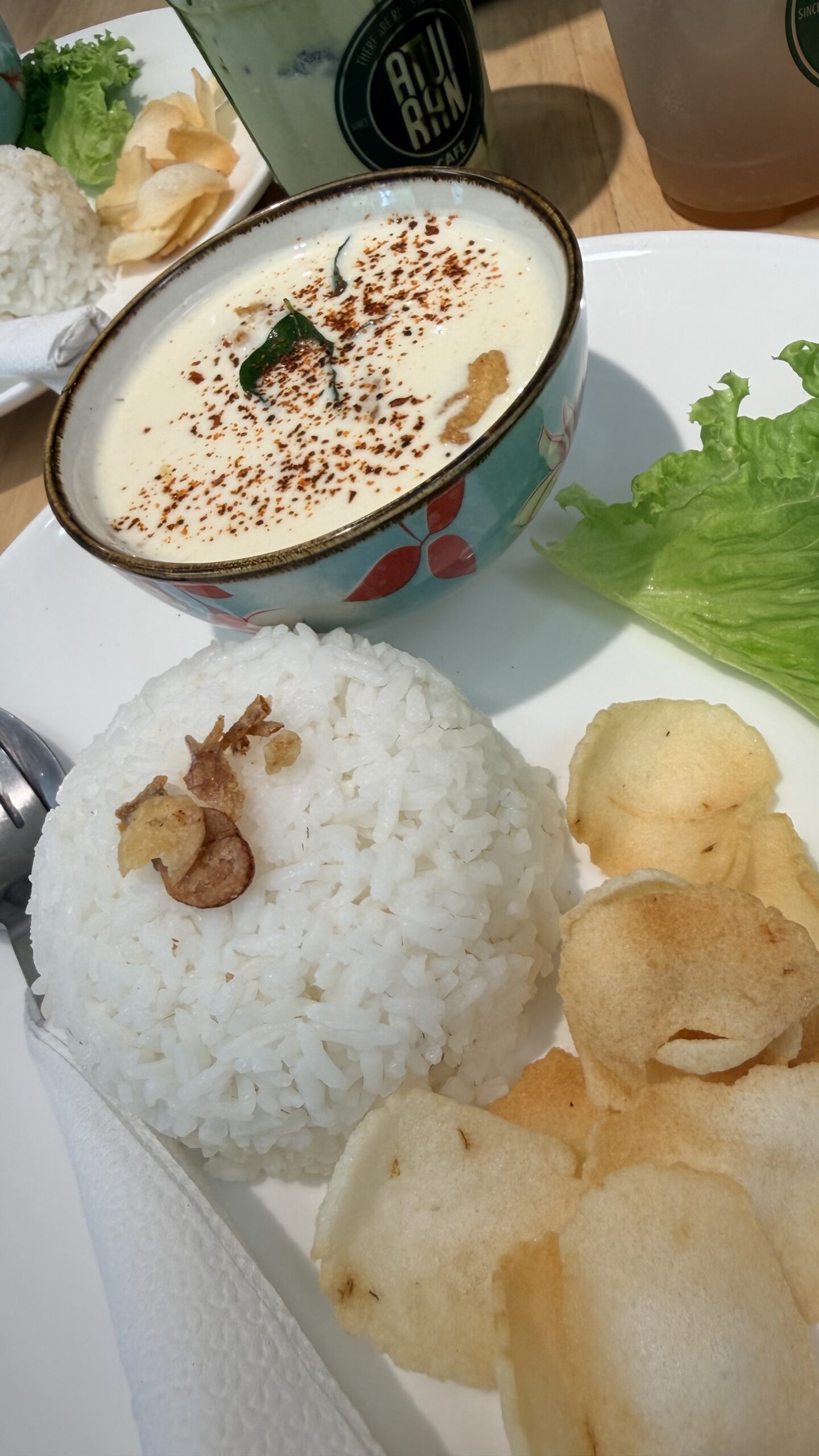
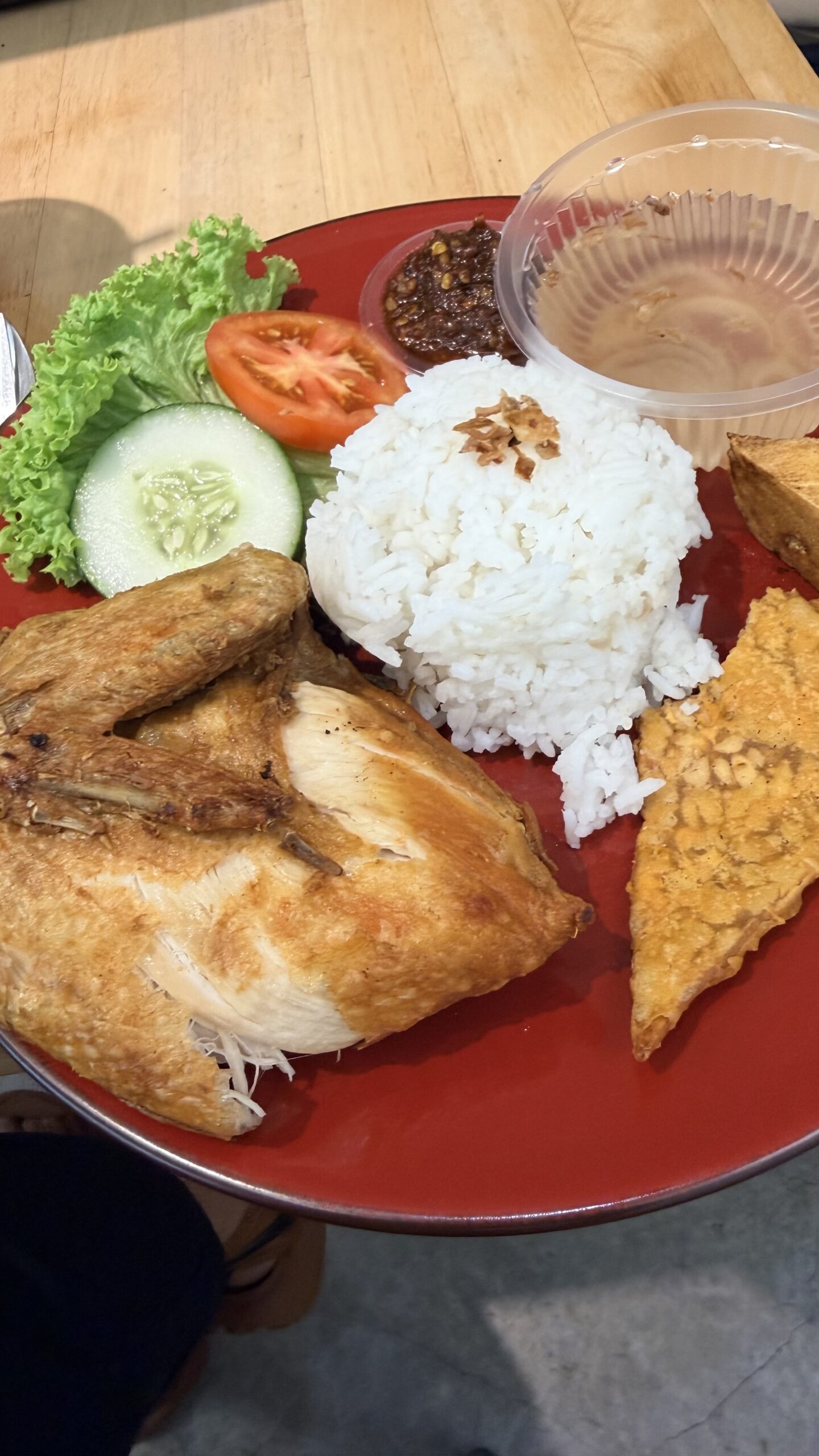
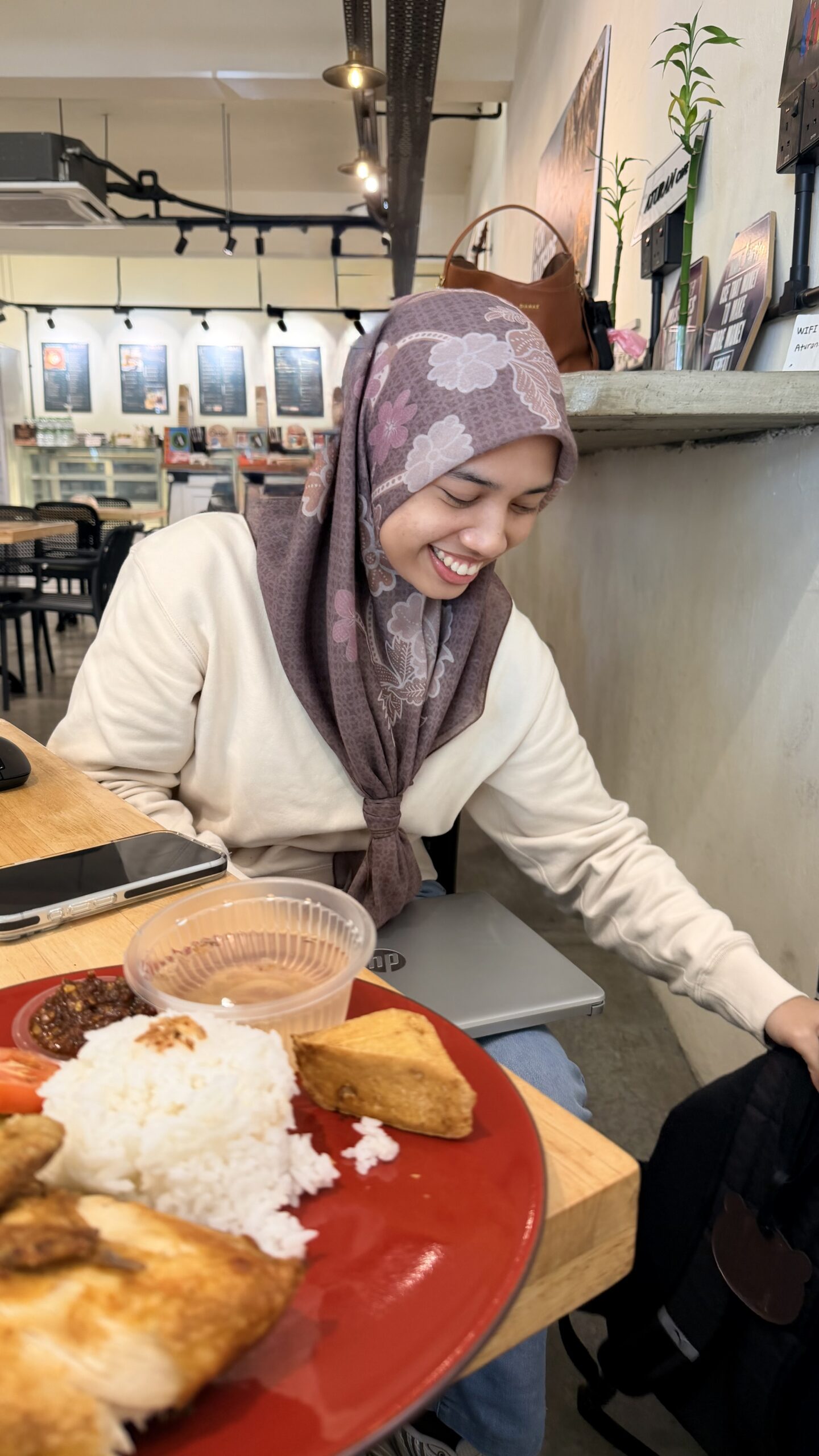
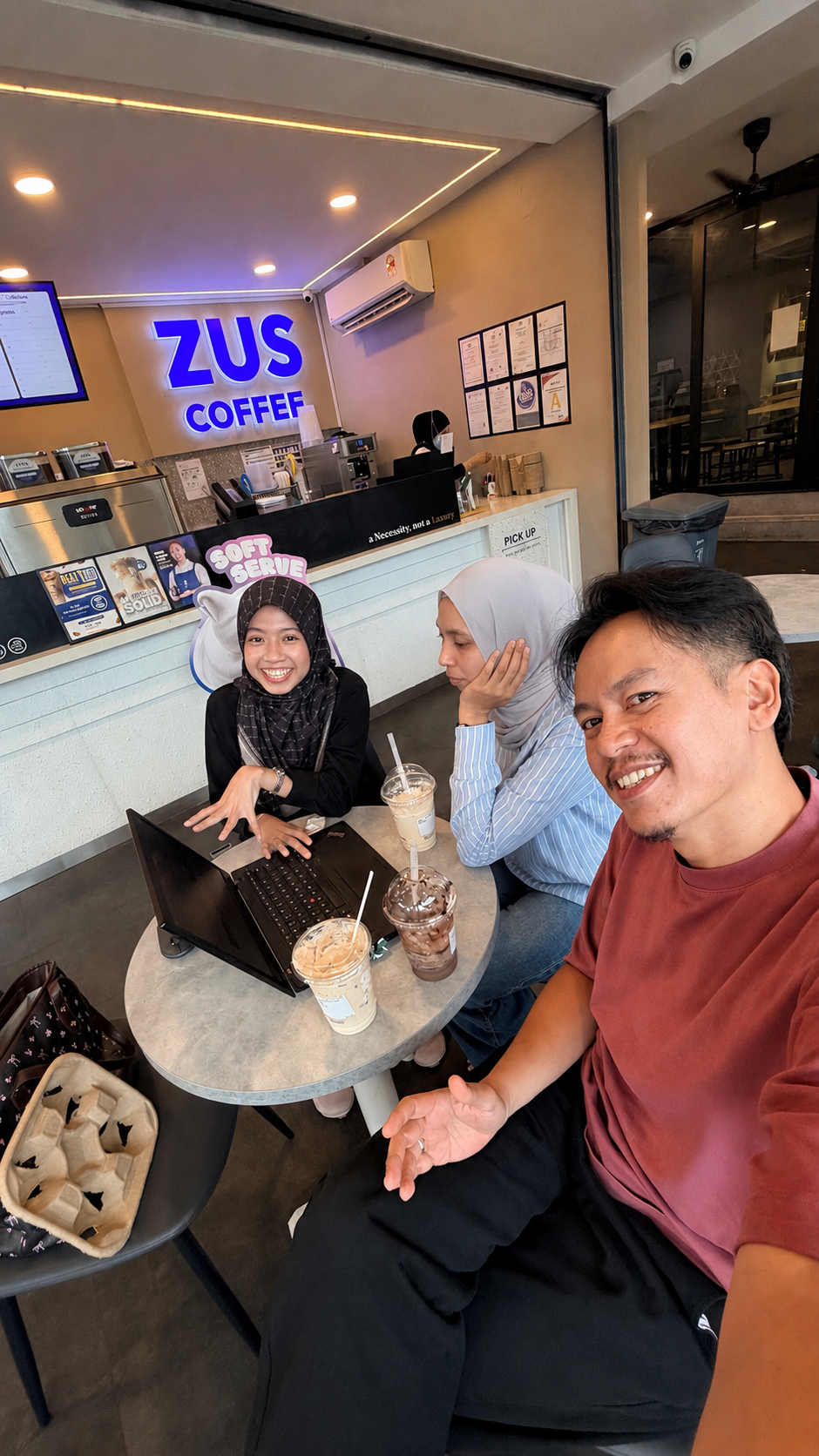
So today, instead of staying at home, we met at a coffee shop outside campus for a quick research discussion session.
In the end, the issues were settled, the students were smiling again, and everyone got to eat good food too.
Academic life is not only about papers and deadlines.
Sometimes it is simply about being present when students need help the most.
Sometimes, the best research discussions happen over coffee in campus cafés.
Today was supposed to be just a simple lunch outing by the sea. But halfway through the day, an idea suddenly came to mind. One of those moments where a research direction just clicks unexpectedly.
So we made our way back to UTM and had a quick catch-up session at ZUS Coffee with my postgraduate student, Amirah.
As researchers and supervisors, sometimes when inspiration comes, you just cannot wait too long to share it. Ideas are fragile. If not discussed early, they might disappear just as quickly as they arrive.
What I appreciate most is seeing the excitement and curiosity from students when discussing new possibilities, new methods, and future research directions. Those small moments remind us why academic mentoring matters.
Research is not only about publications, grants, or conferences. Sometimes it is simply about conversations, guidance, encouragement, and helping students believe they can go further than they think.
You are doing well, Amirah. Keep going. One step at a time.
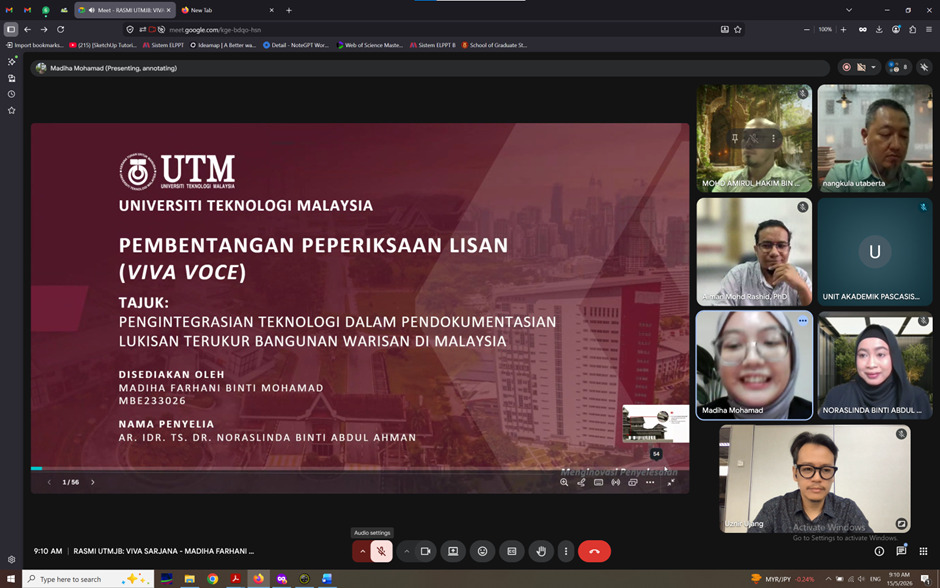
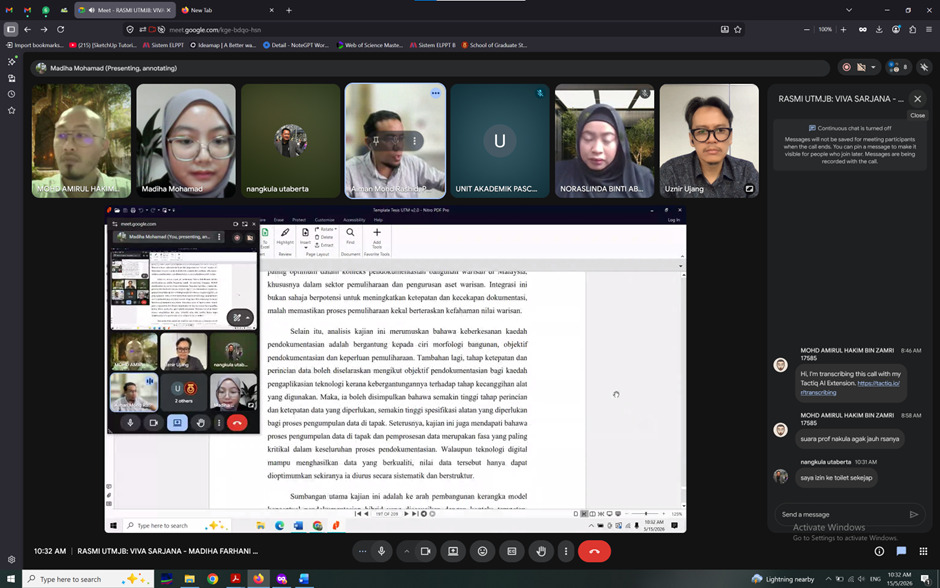
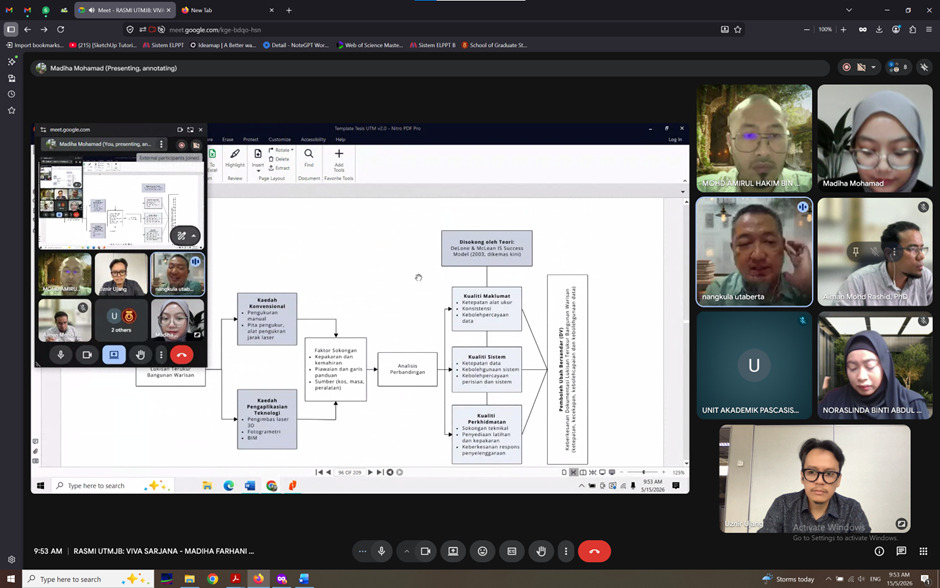
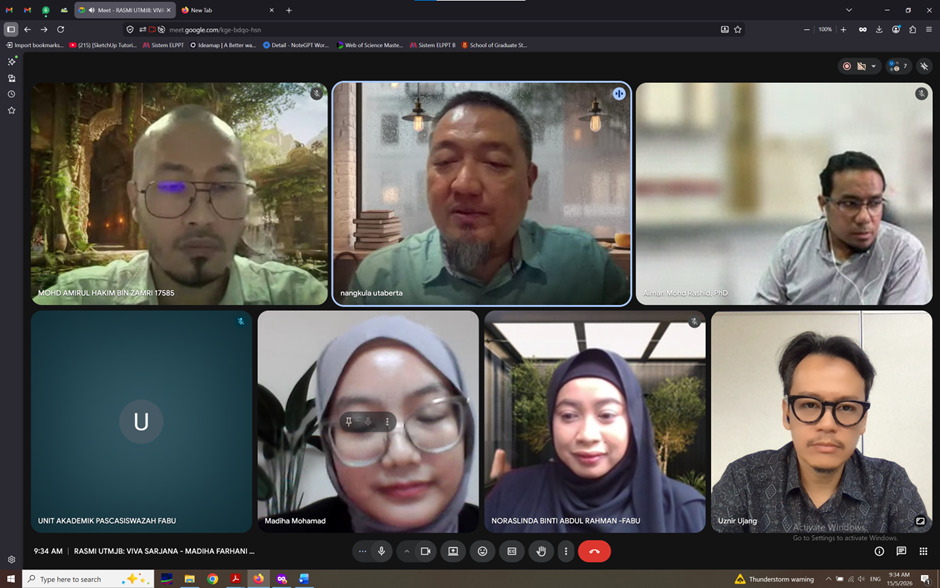
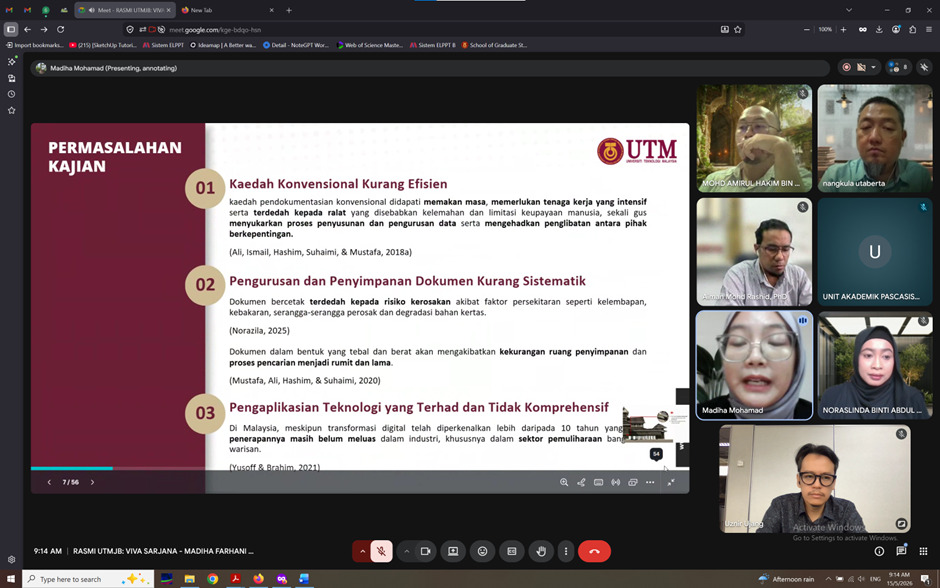
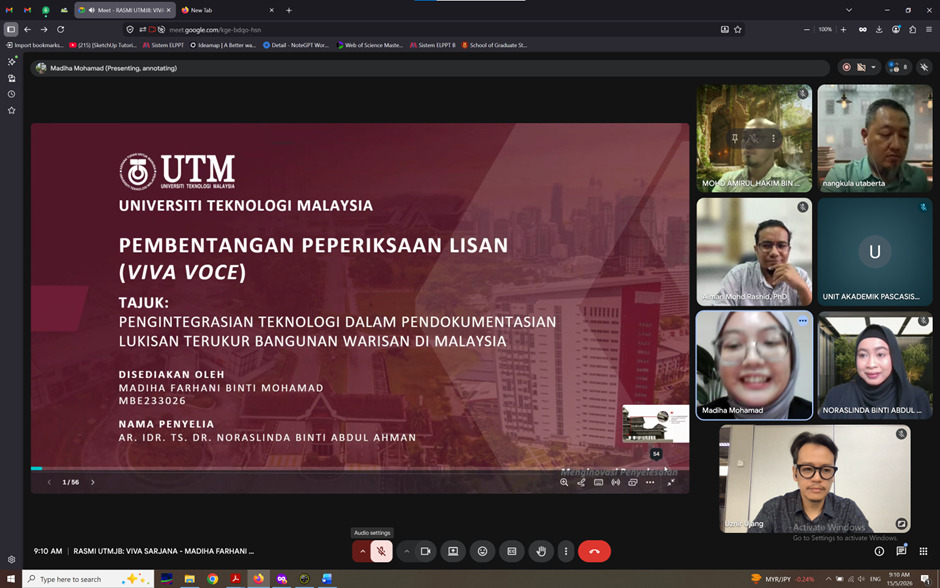
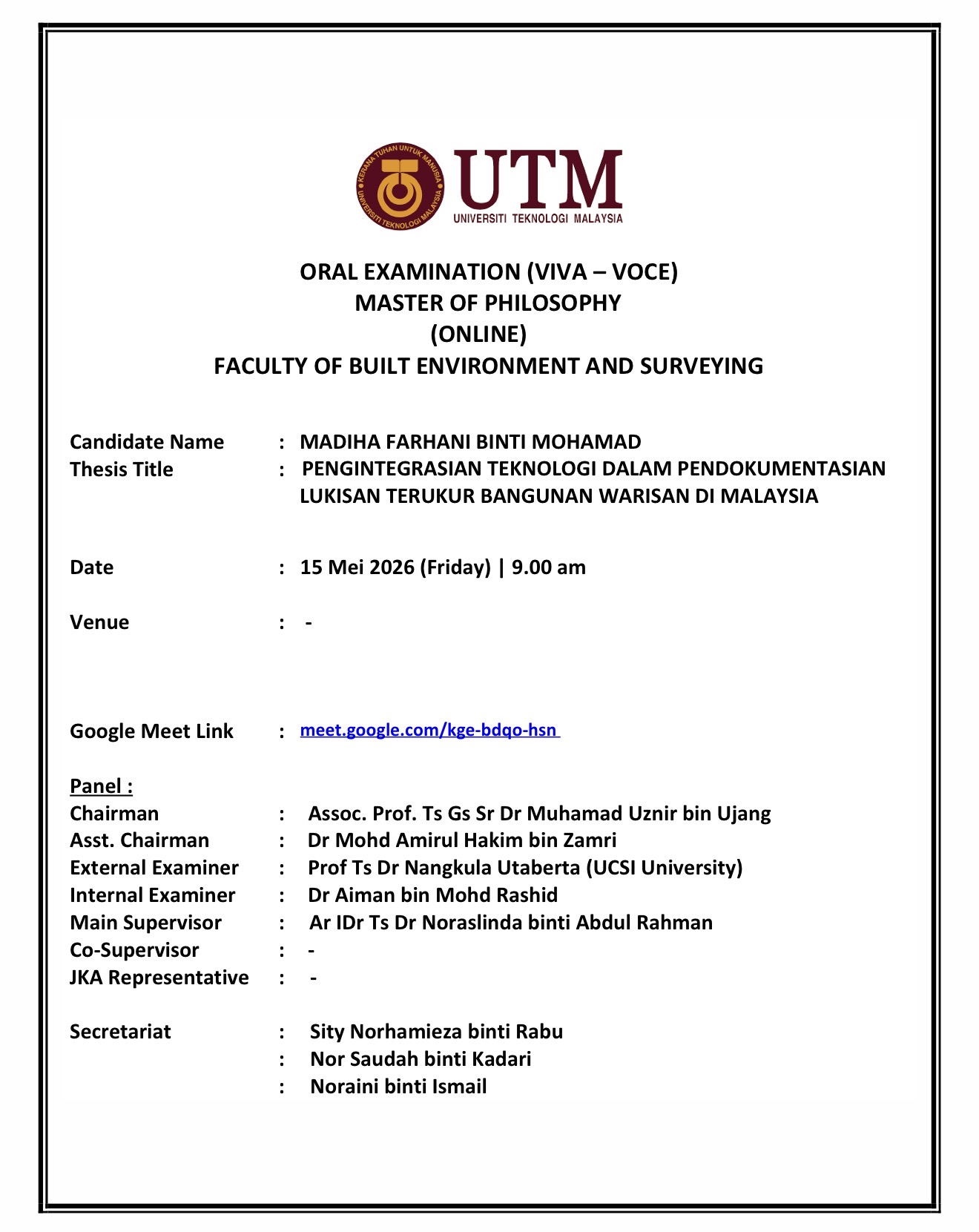
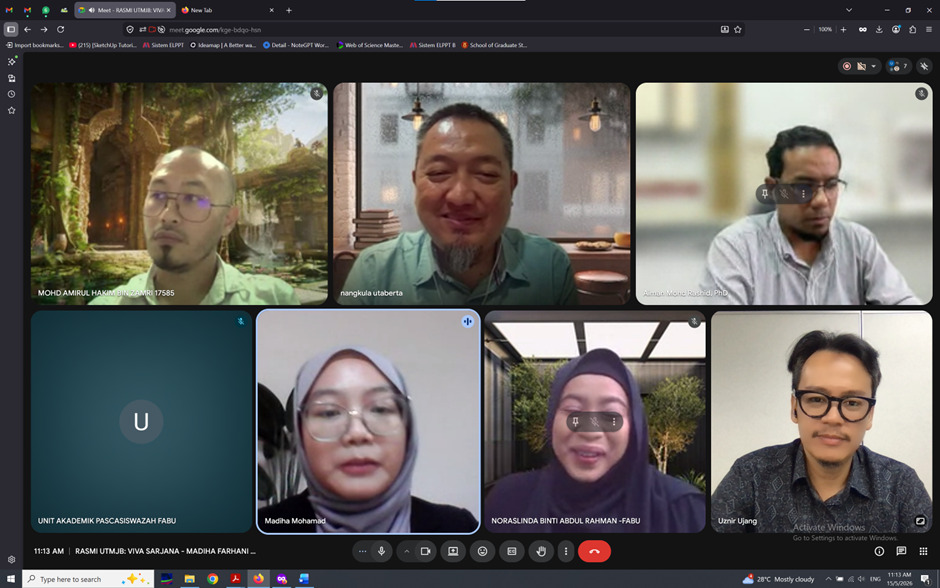
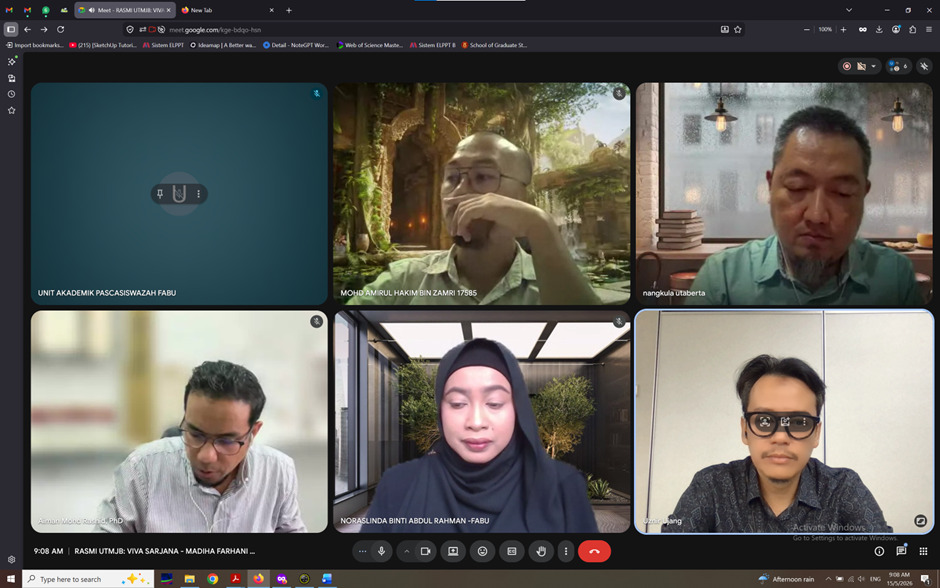
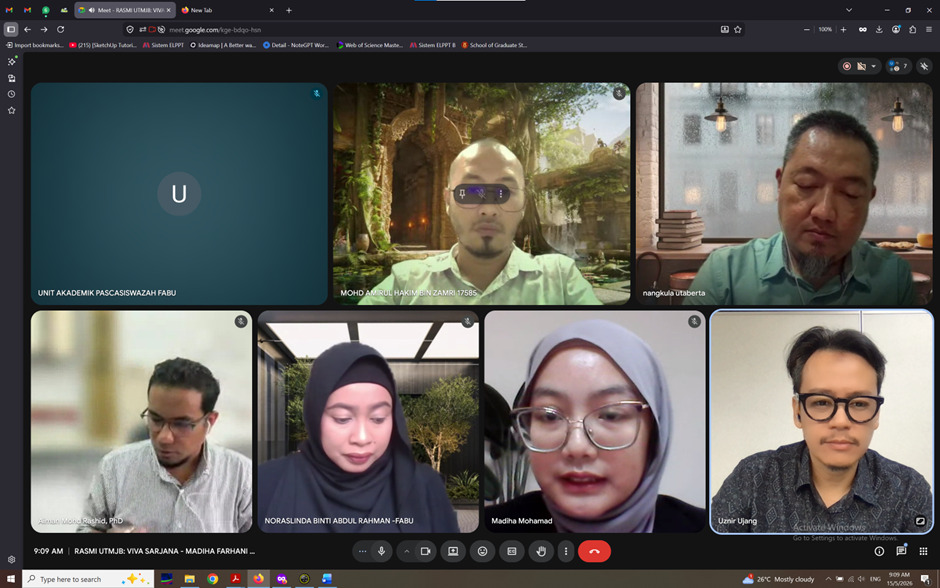
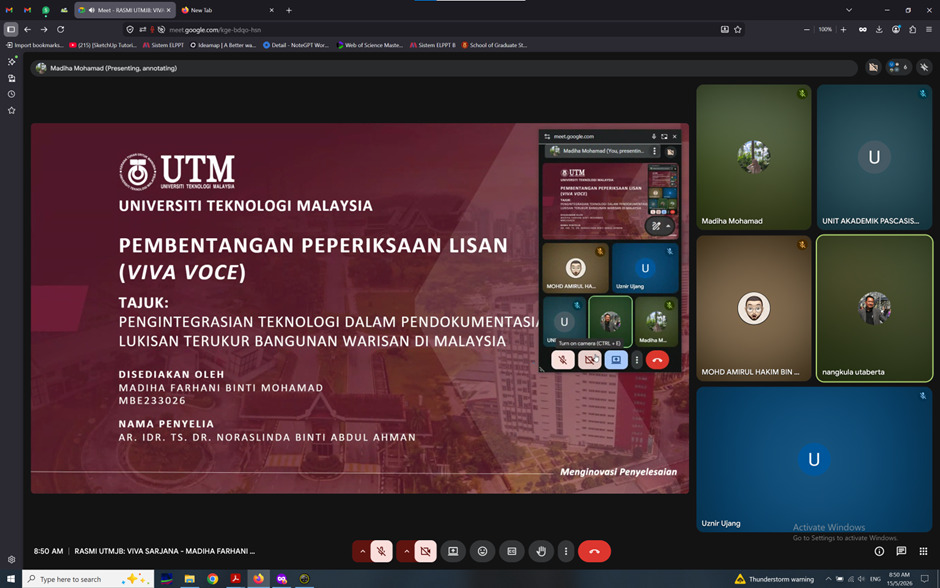
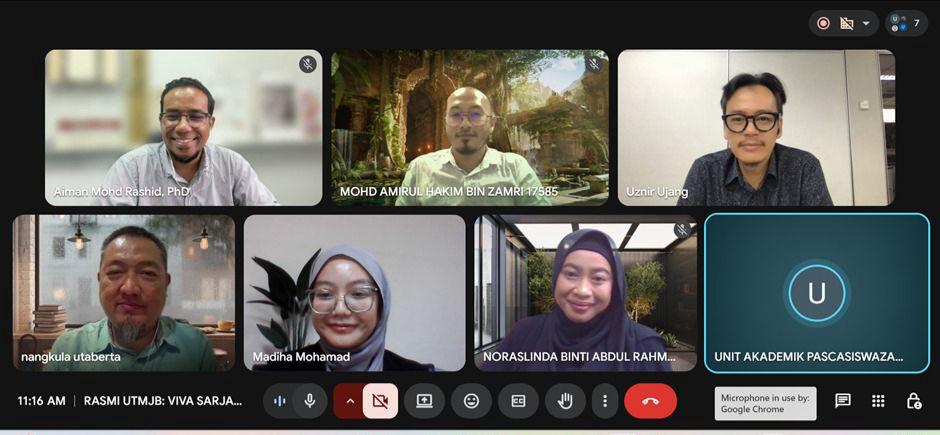
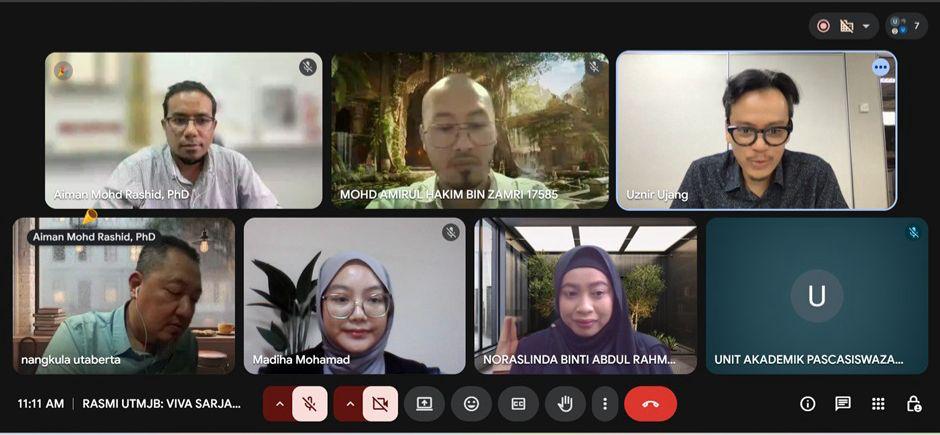
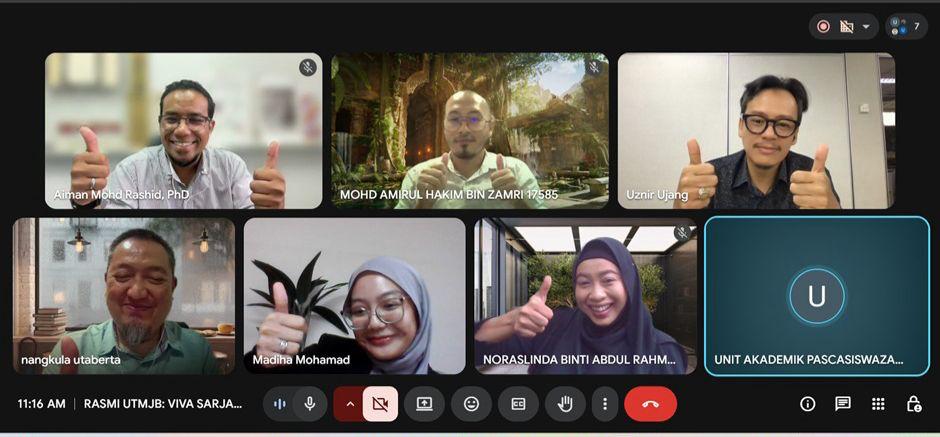
Had the opportunity to serve as the Chairman for a Master of Philosophy viva voce session at the Faculty of Built Environment and Surveying, UTM.
The research by Madiha Farhani binti Mohamad focuses on the integration of technology in the documentation of heritage building measured drawings in Malaysia.
What makes this work particularly interesting is the use of LiDAR and photogrammetry technologies within the architectural and measured drawing field. These technologies are becoming increasingly important for capturing accurate spatial information, preserving heritage assets, and improving documentation efficiency compared to traditional manual approaches.
The integration of geospatial technologies with architectural conservation is something that will continue to grow in importance, especially for digital heritage preservation and future smart documentation workflows.
I would also like to acknowledge the panel involved in today’s examination session:
External Examiner: Prof Ts Dr Nangkula Utaberta (UCSI University)
Internal Examiner: Dr Aiman bin Mohd Rashid
Main Supervisor: Ar IDr Ts Dr Noraslinda binti Abdul Rahman
Assistant Chairman: Dr Mohd Amirul Hakim bin Zamri
Congratulations to the candidate and all involved in making the session successful. Wishing the candidate all the best for the next academic journey ahead.