Tag Archives: University

NEW BOOK PUBLISHED BY SPRINGER NATURE


NEW BOOK PUBLISHED BY SPRINGER NATURE

Another small milestone to close this week on a good note.

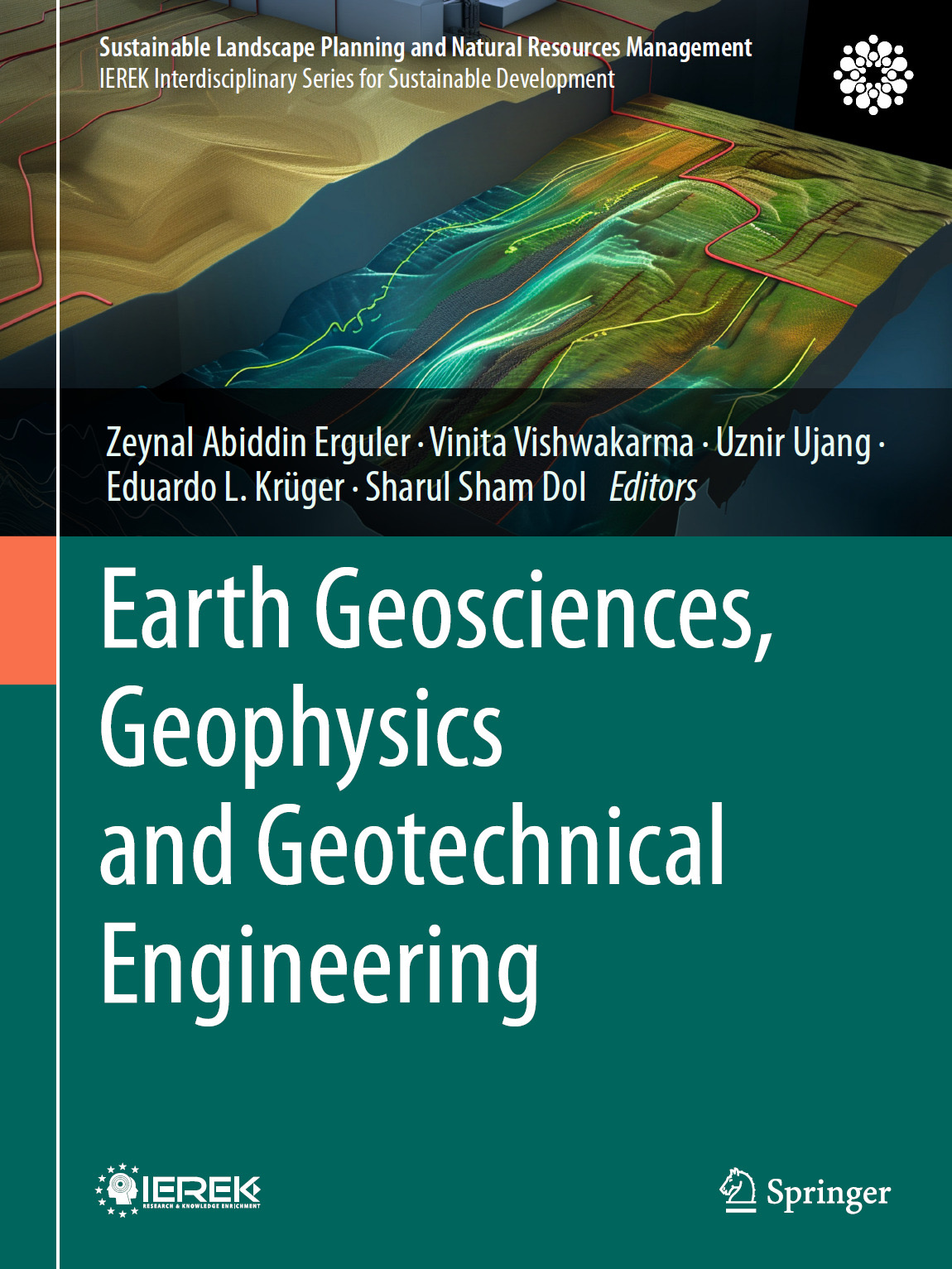
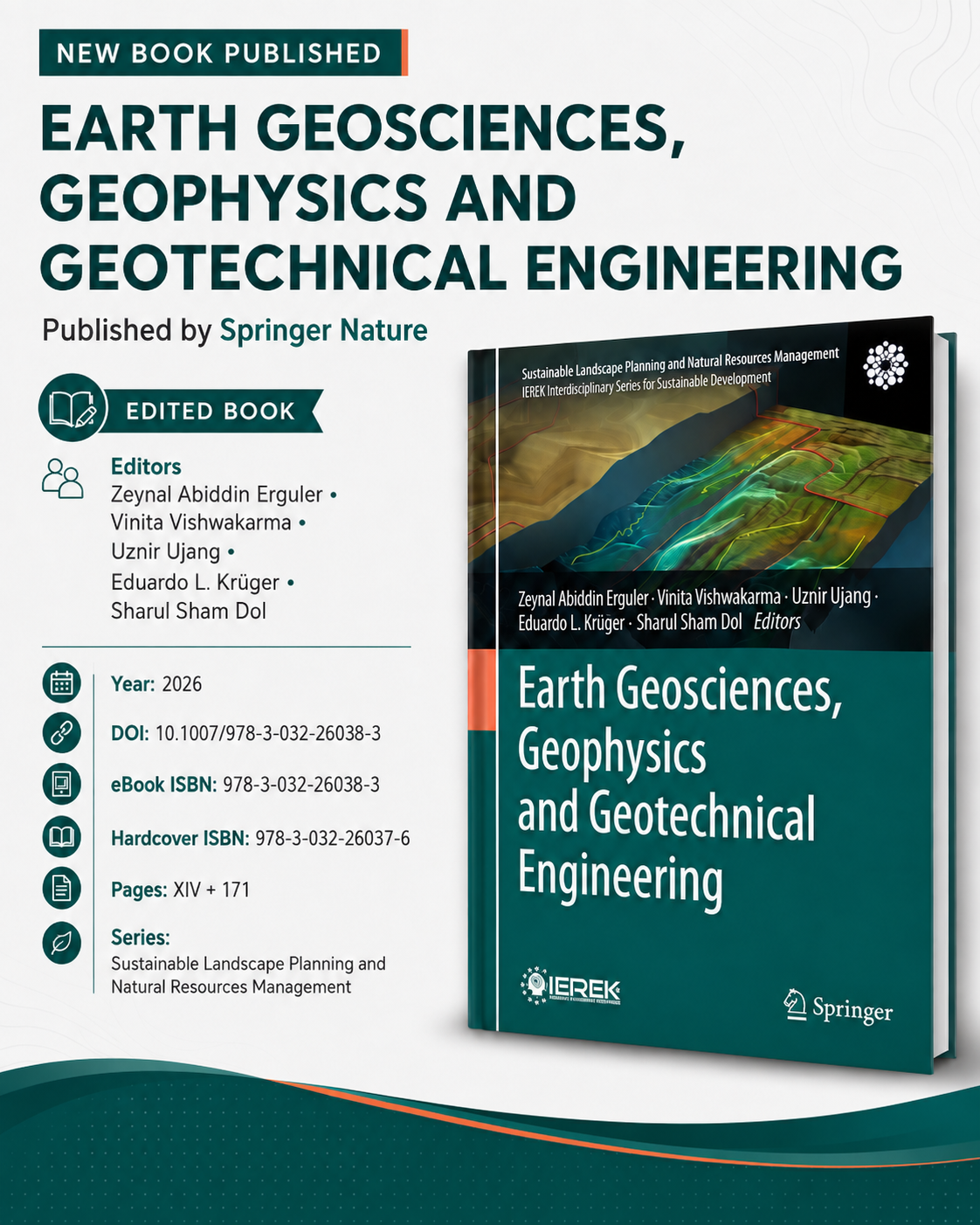
Happy to share that our edited book, “Earth Geosciences, Geophysics and Geotechnical Engineering”, has officially been published by Springer Nature.

I had the opportunity to serve as one of the editors together with Zeynal Abiddin Erguler, Vinita Vishwakarma, Eduardo L. Krüger, and Sharul Sham Dol.

The book brings together multidisciplinary works related to earth geosciences, geophysics, geotechnical engineering, geospatial analysis, remote sensing, environmental studies, sustainable infrastructure and urban intelligence.

Always nice to see months of coordination, reviewing, editing and communication finally turn into a published book on the Springer platform. 📖

Thank you to all the editors, authors and everyone involved in making this publication possible. Alhamdulillah for another contribution to the academic bookshelf. 🤲🏻

📘 Earth Geosciences, Geophysics and Geotechnical Engineering
🏛️ Springer Nature
📅 2026
🔗 DOI: 10.1007/978-3-032-26038-3

#SpringerNature #AcademicPublishing #Geosciences #Geospatial #Research
ROUND TWO: DAMIA IN THE HOT SEAT

ROUND TWO: DAMIA IN THE HOT SEAT 🔥 

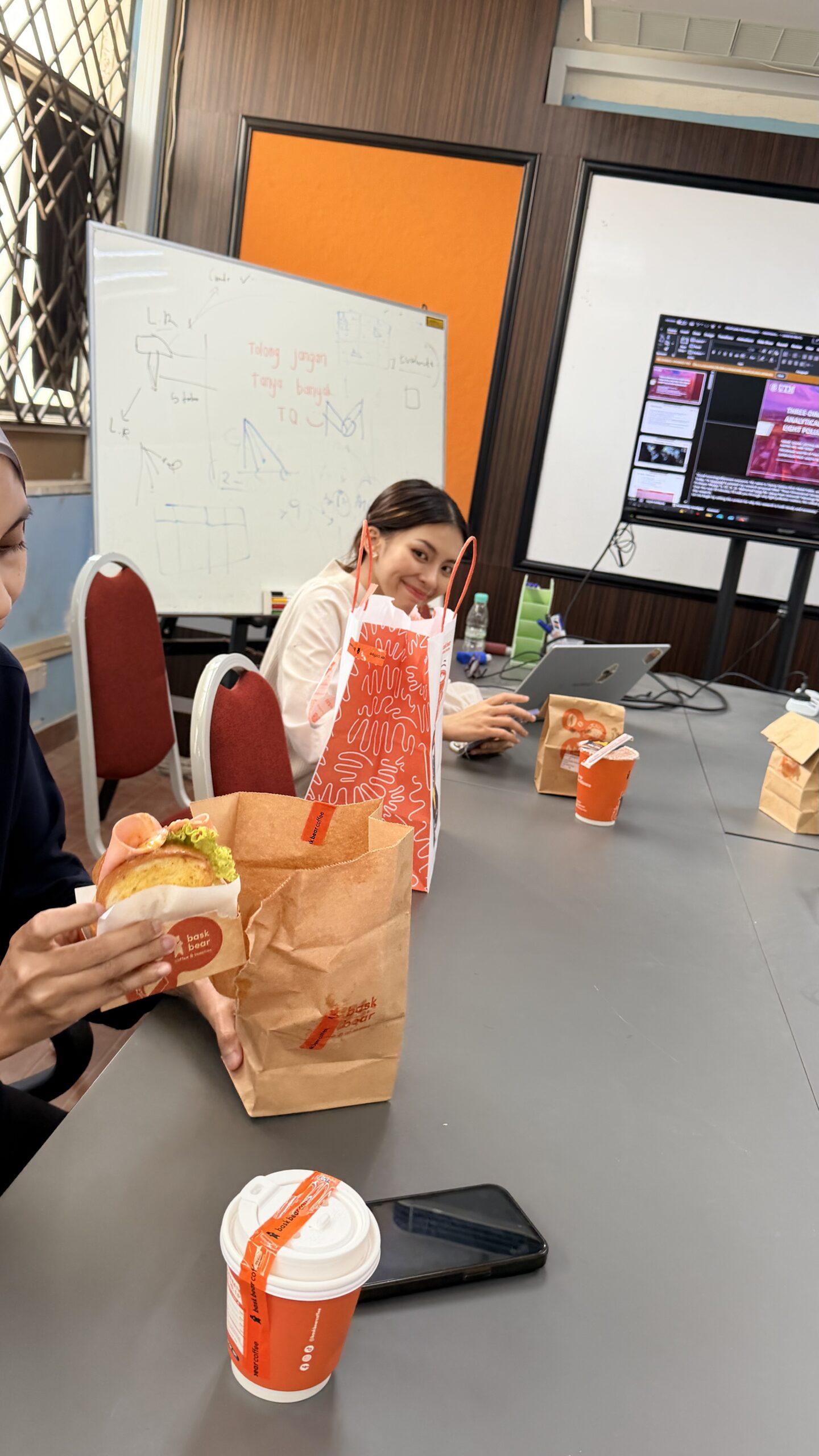
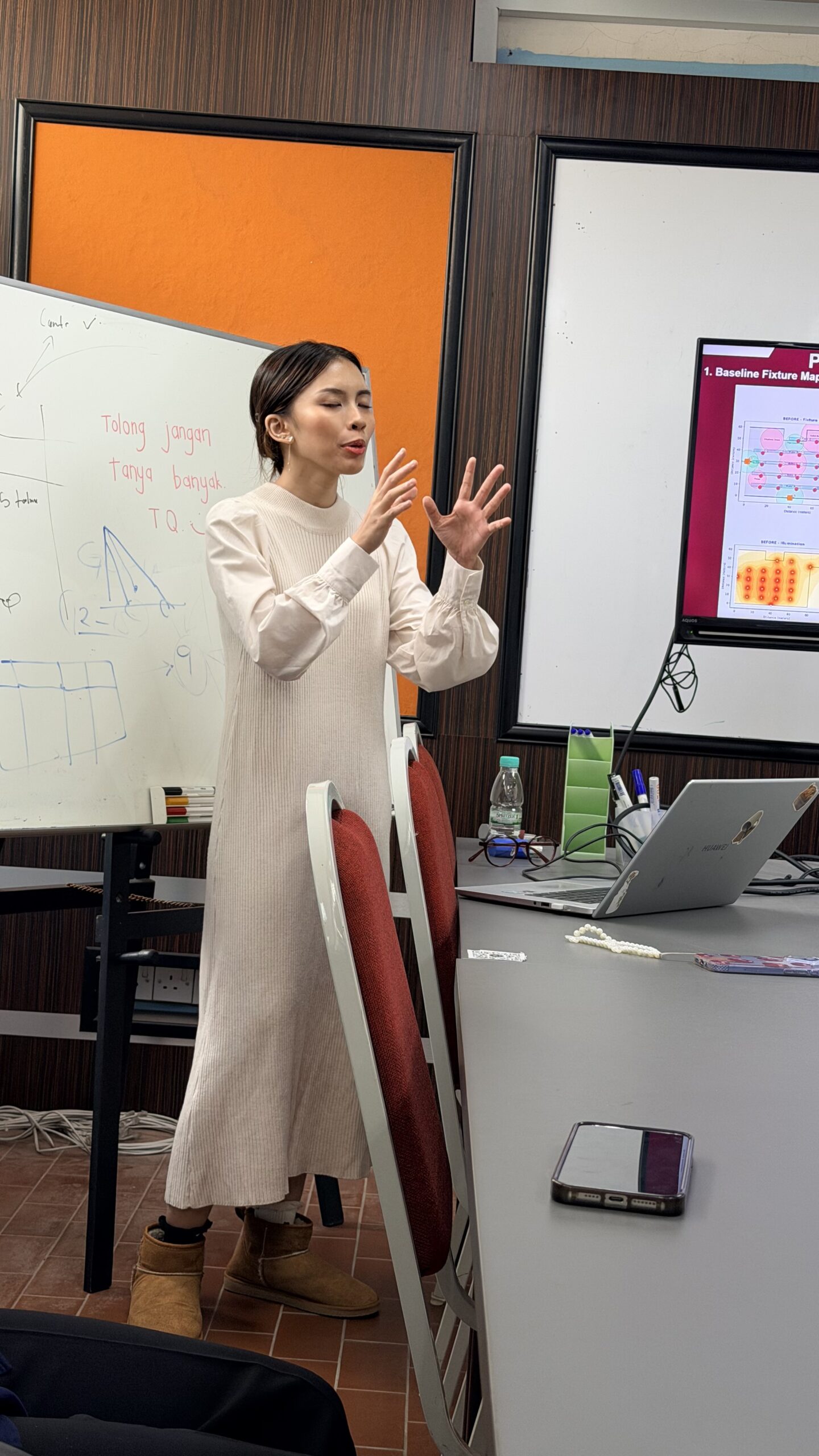
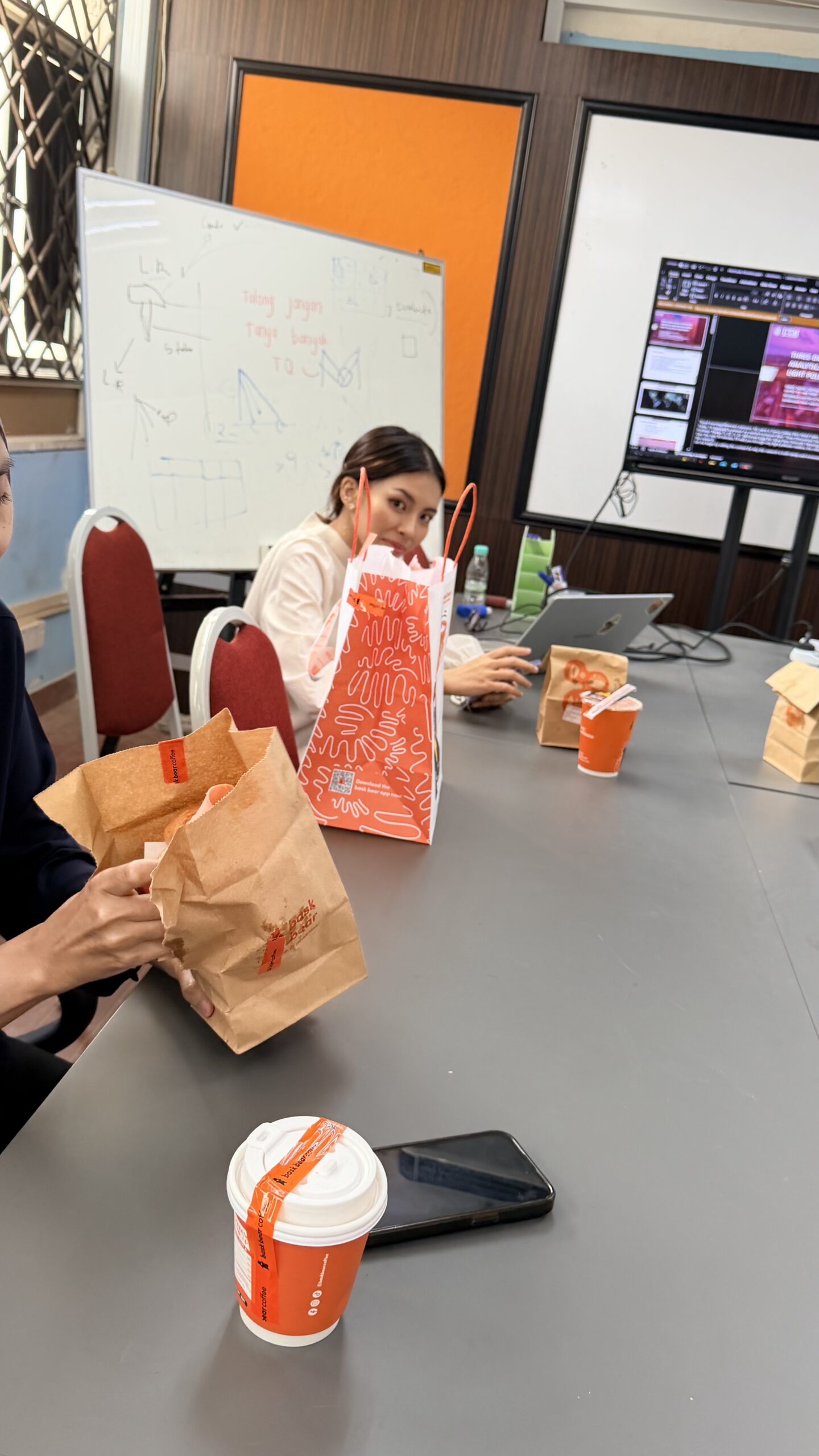
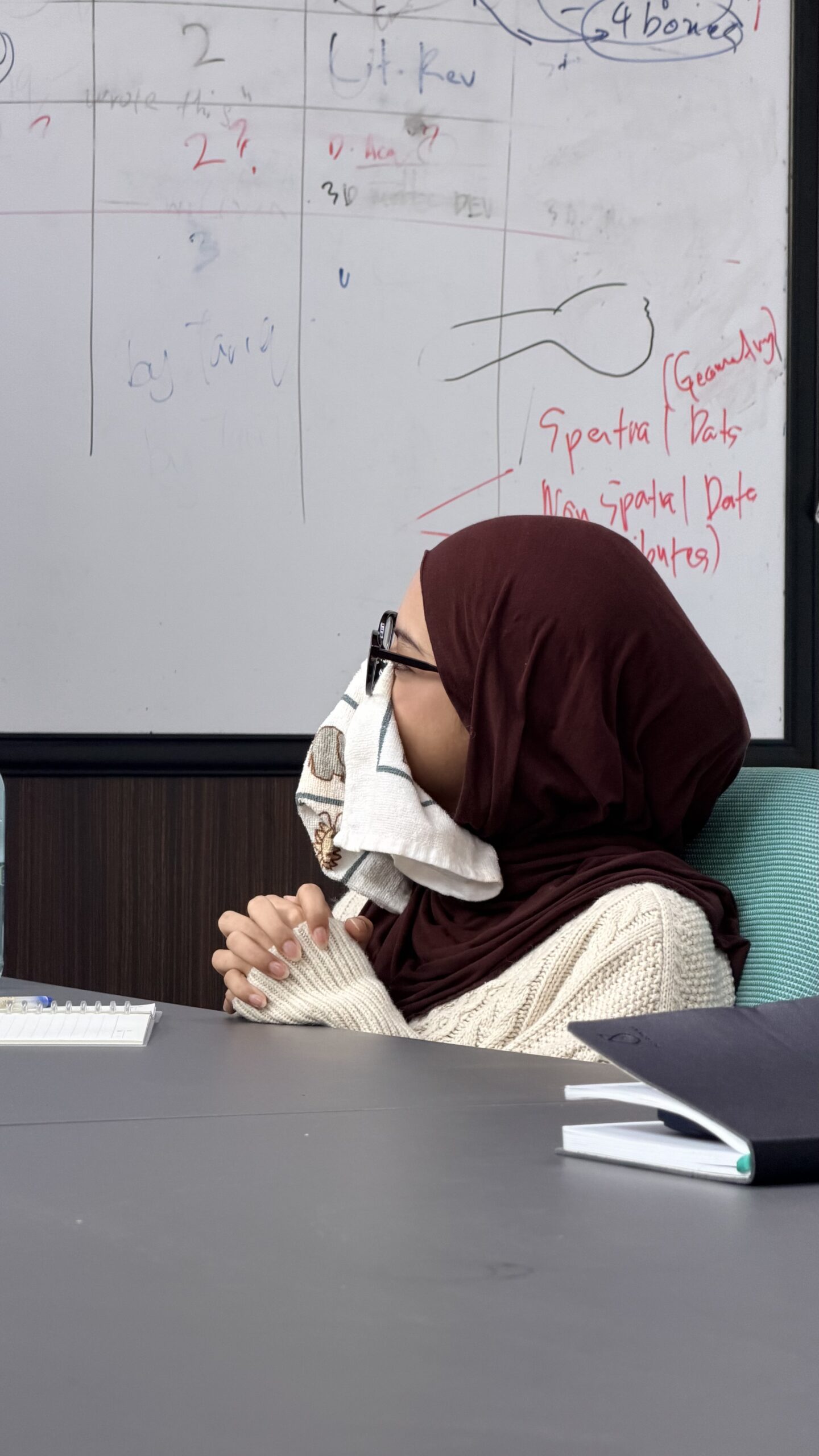
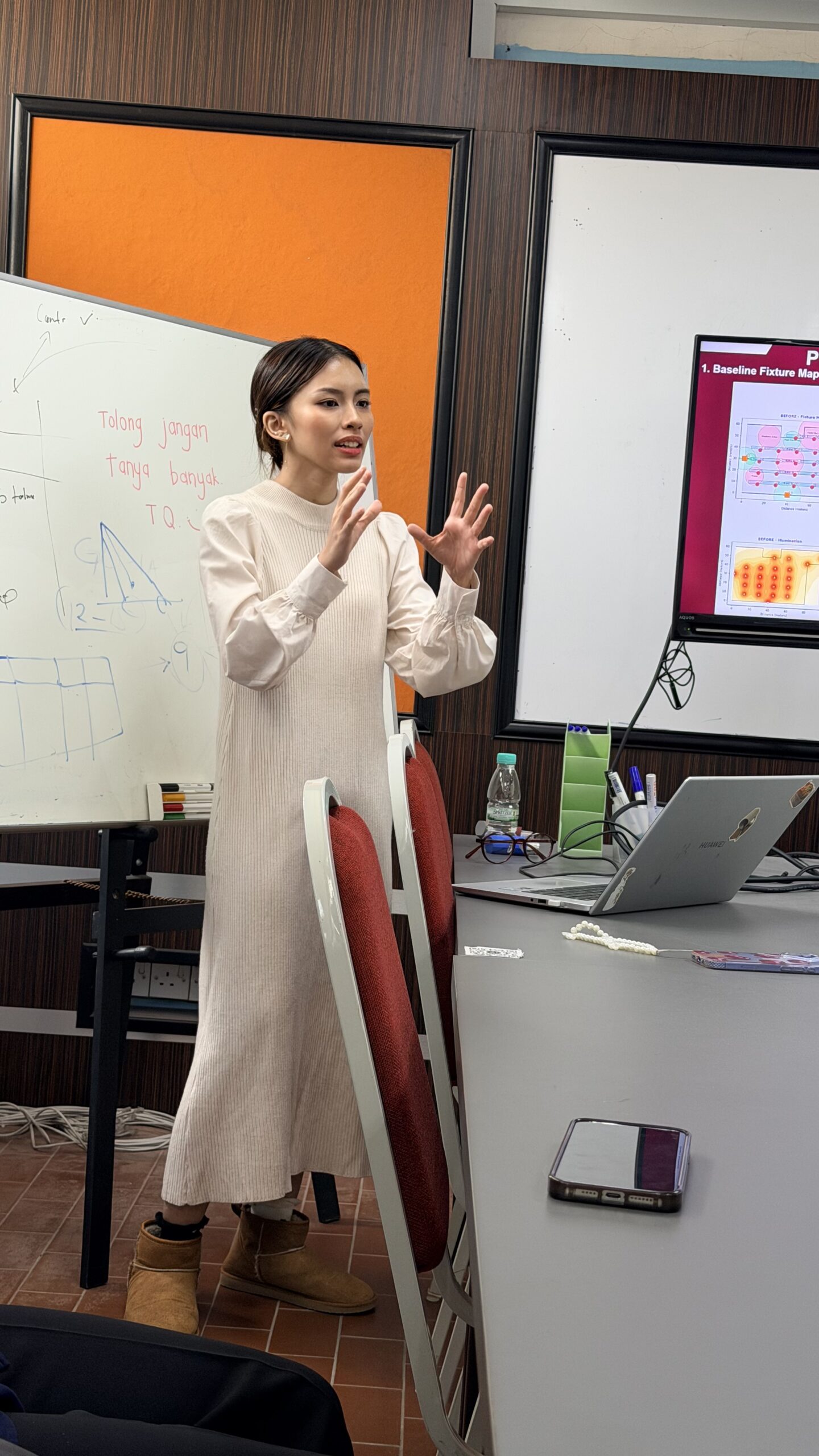
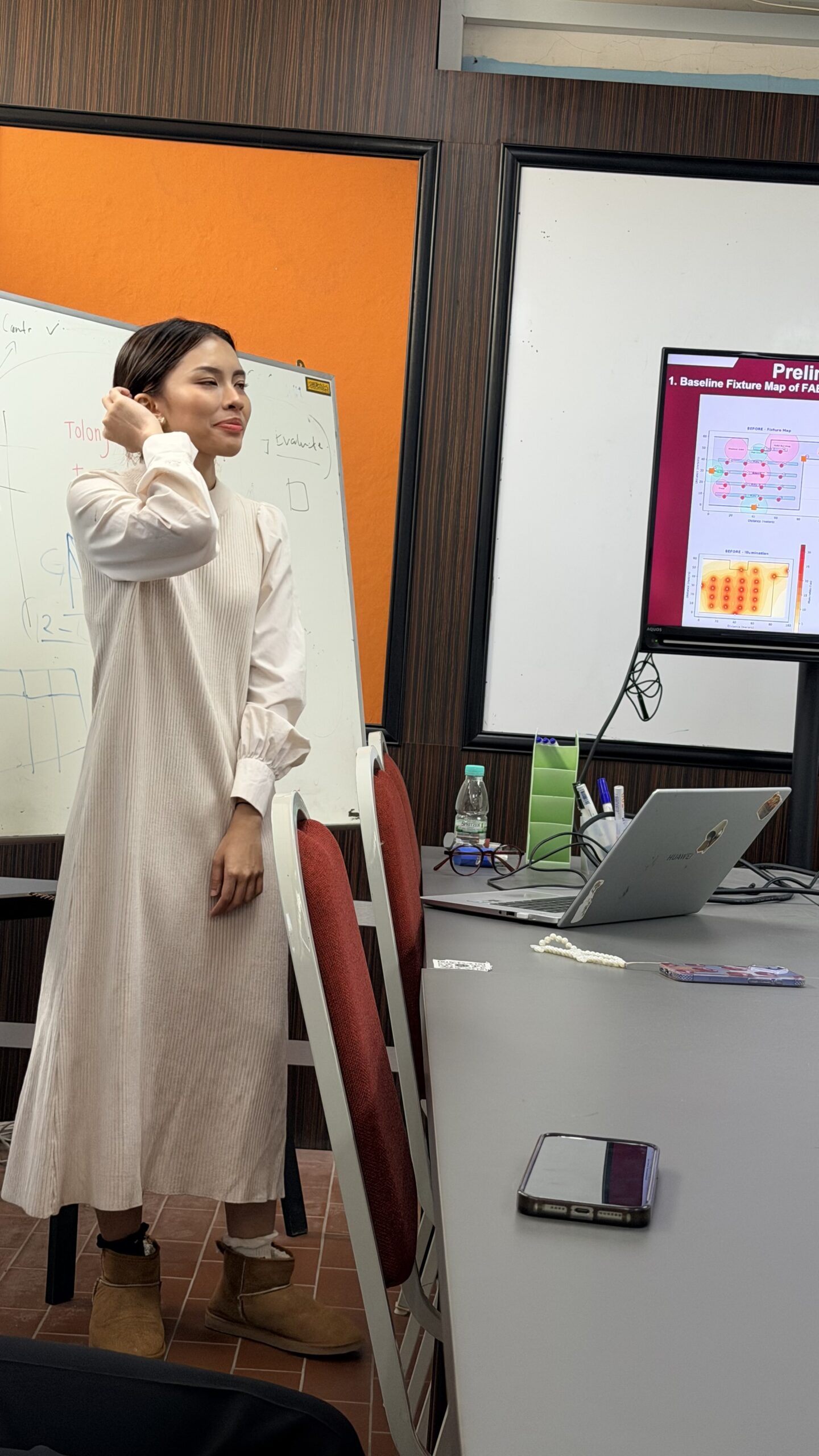
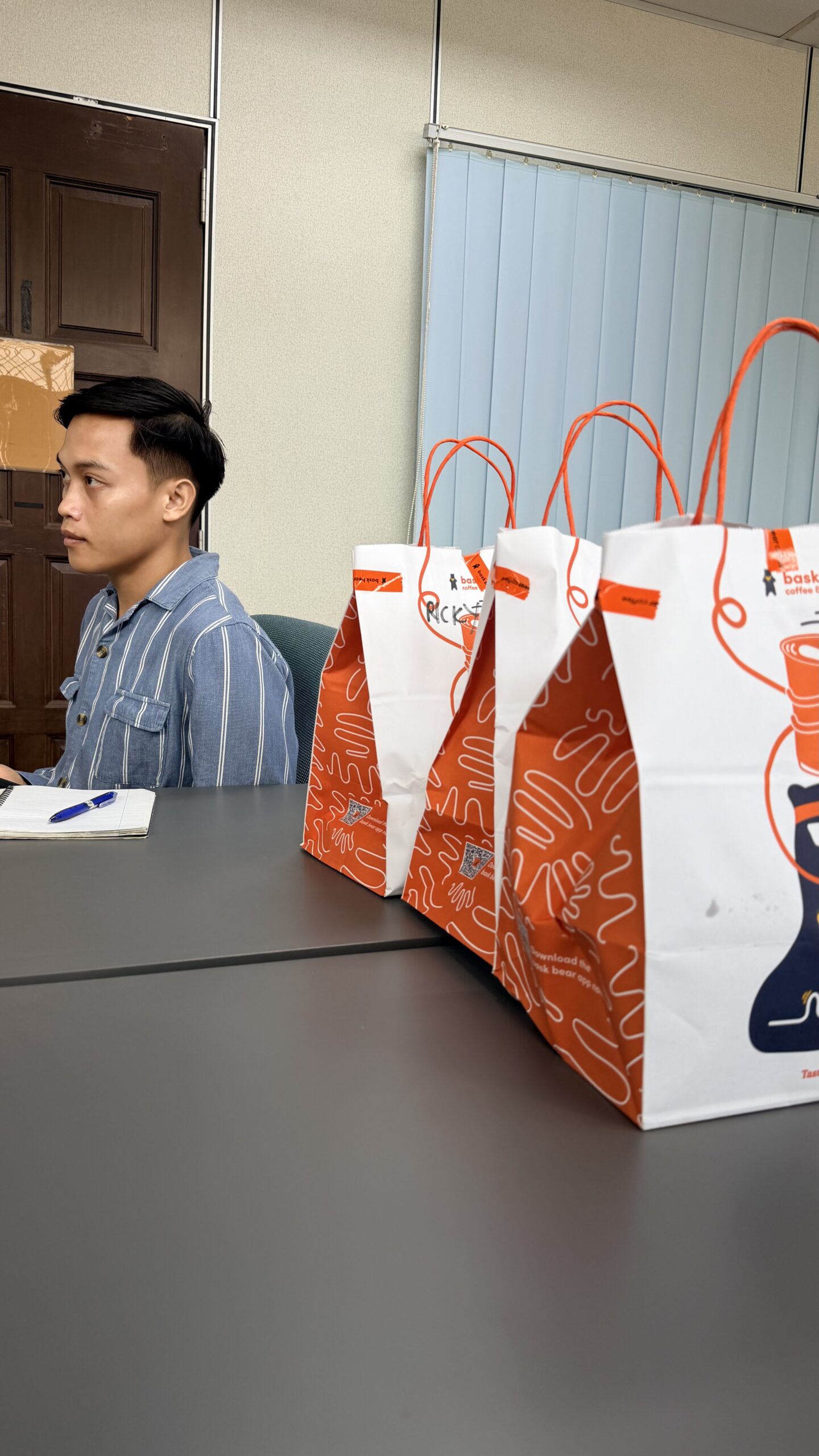
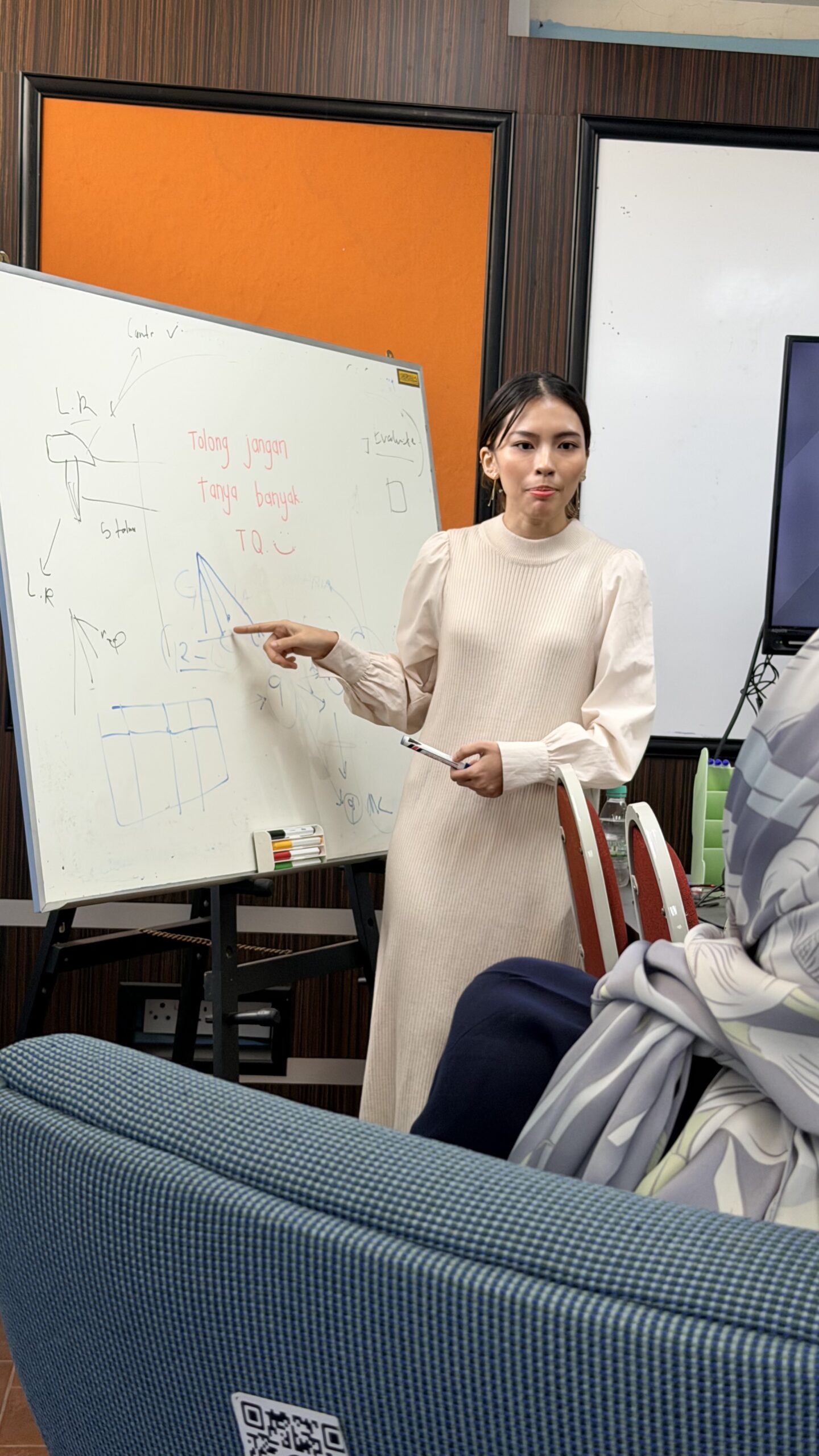
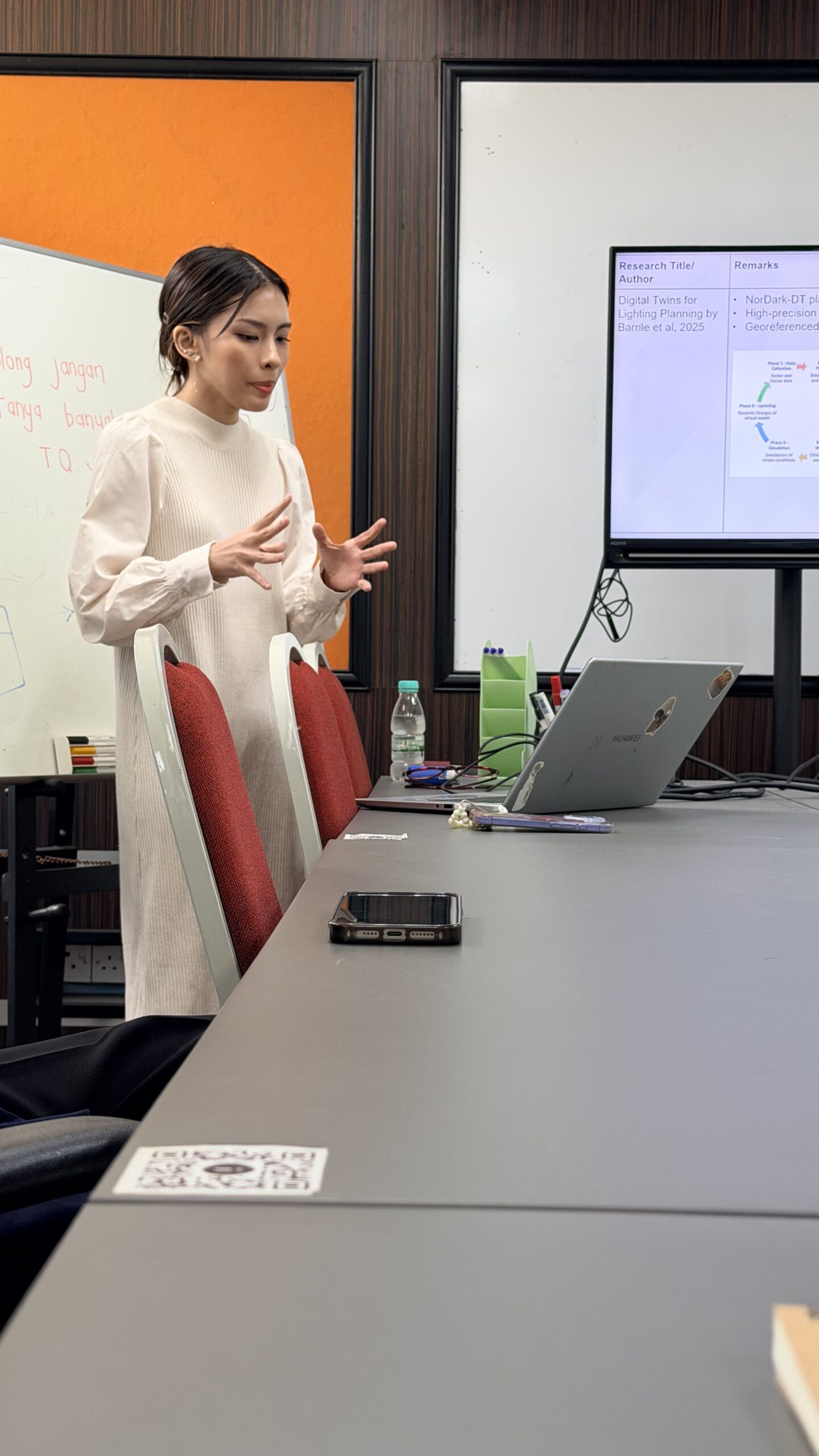
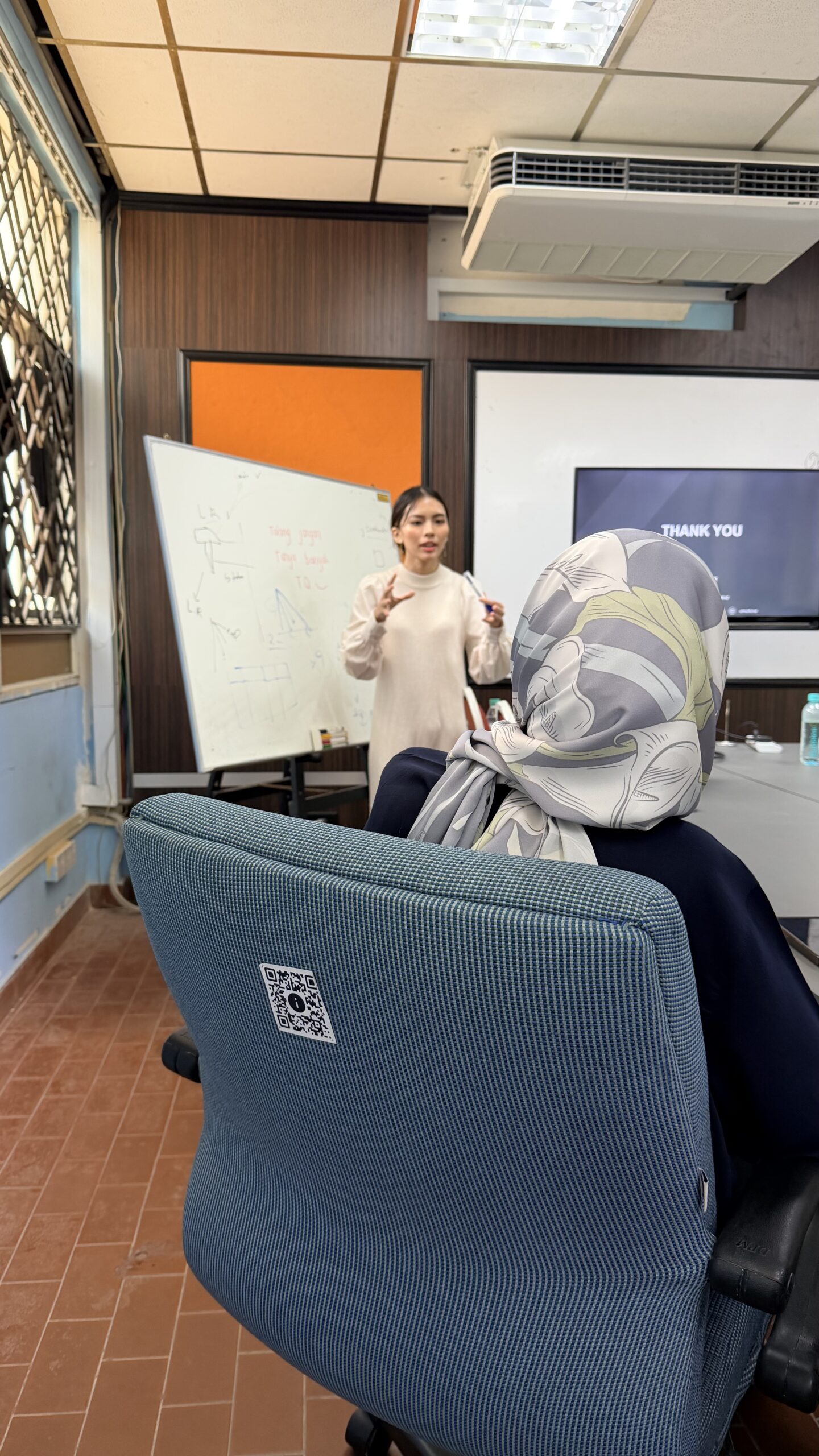
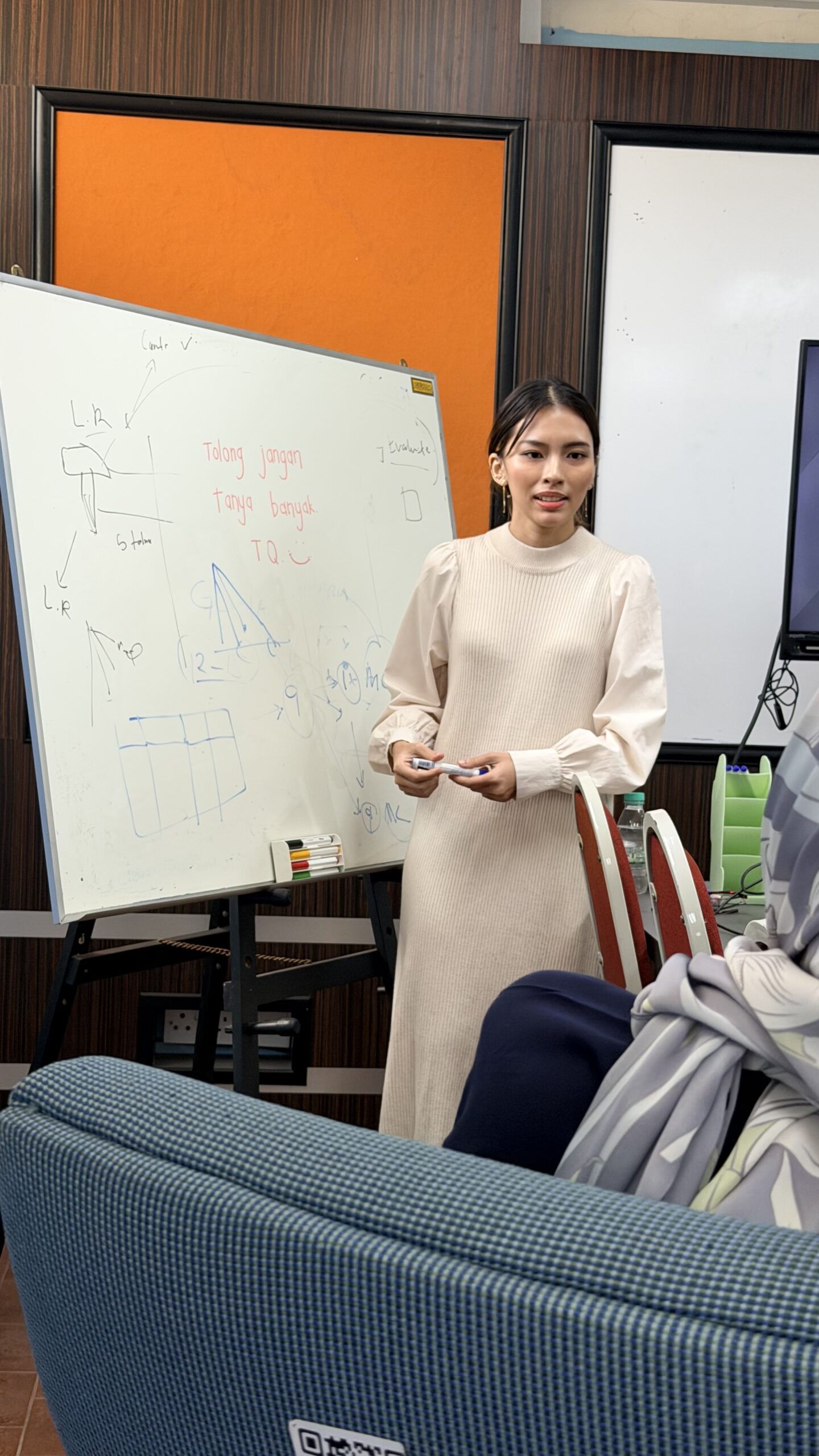
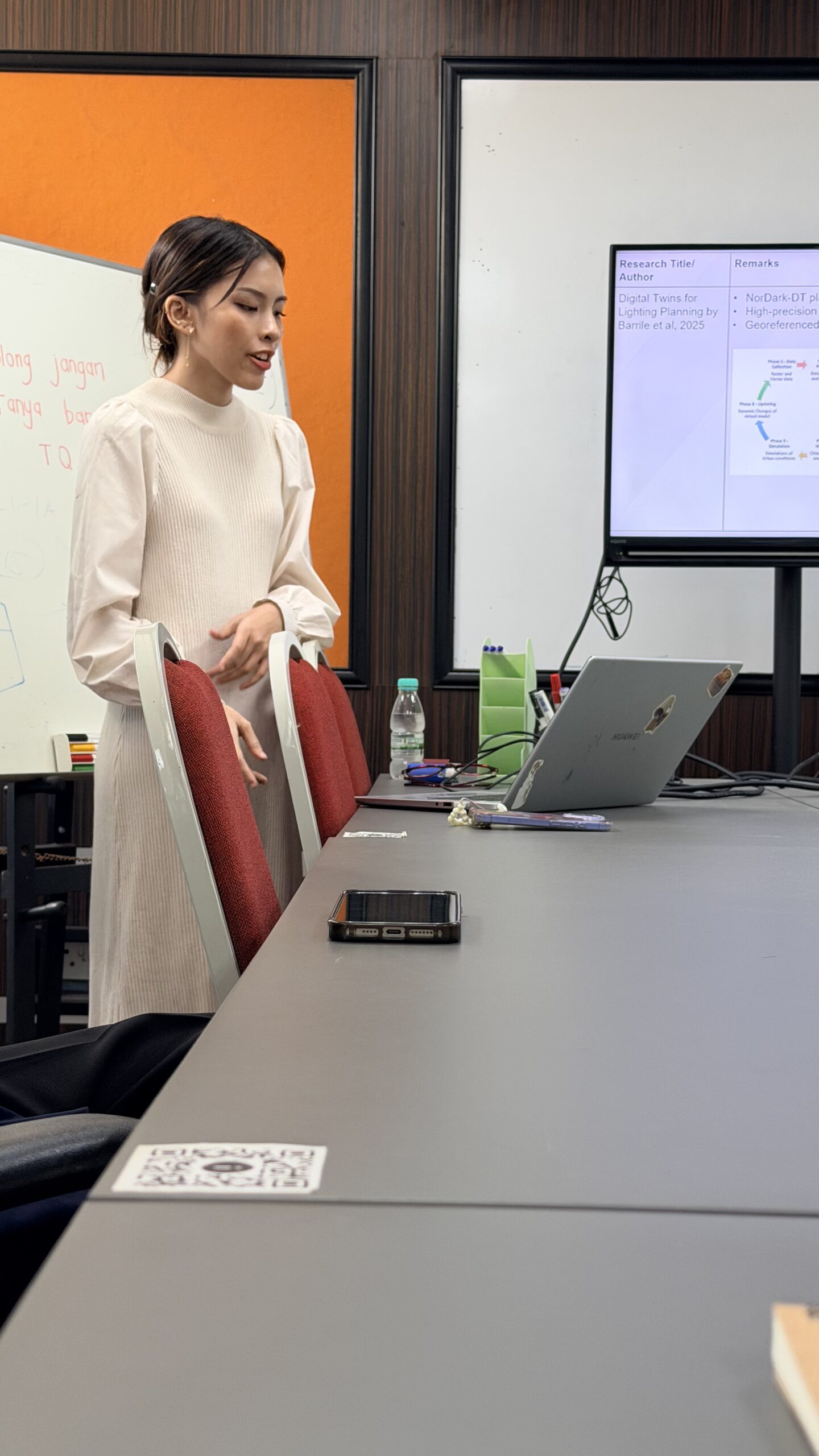
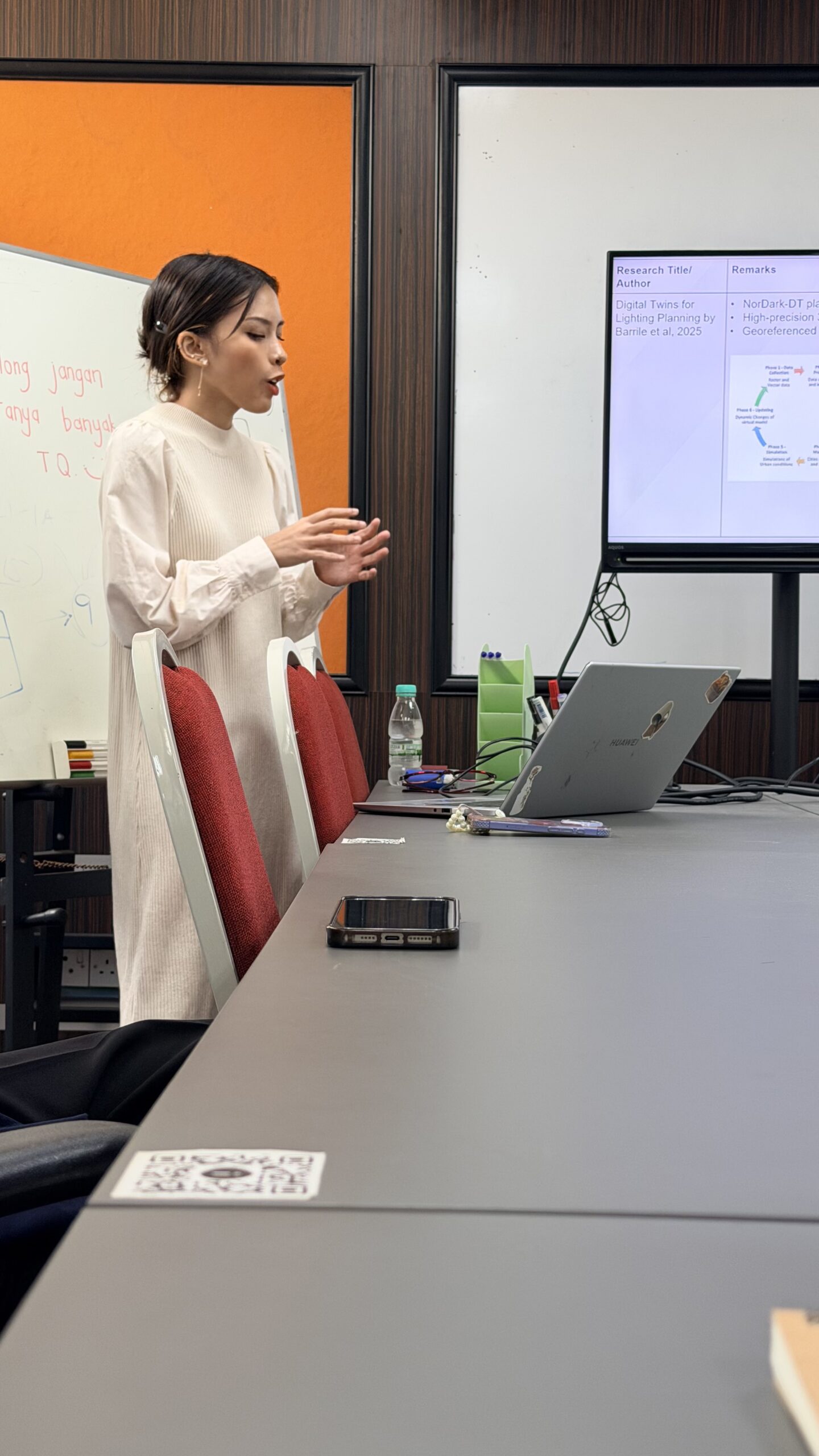
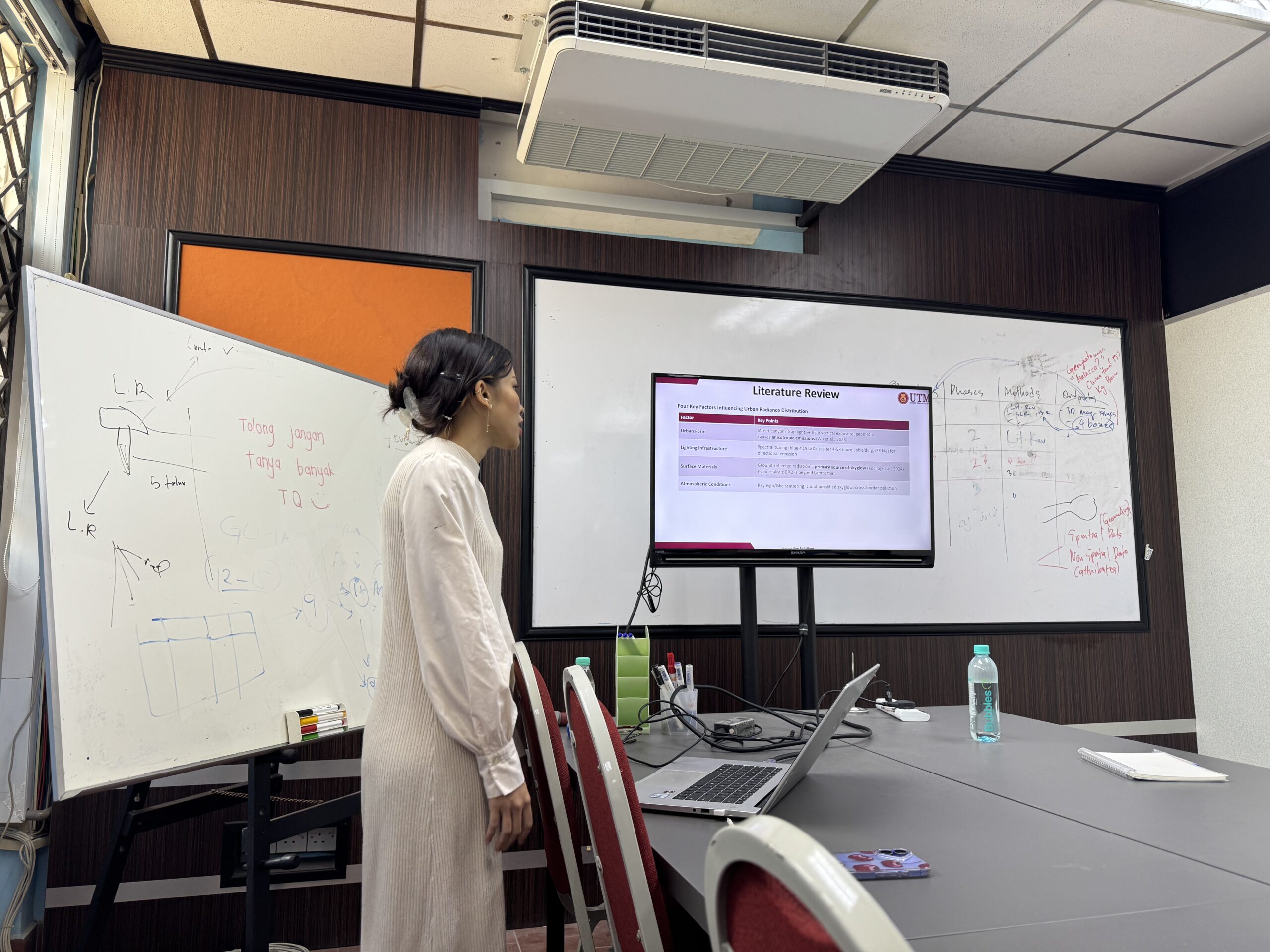
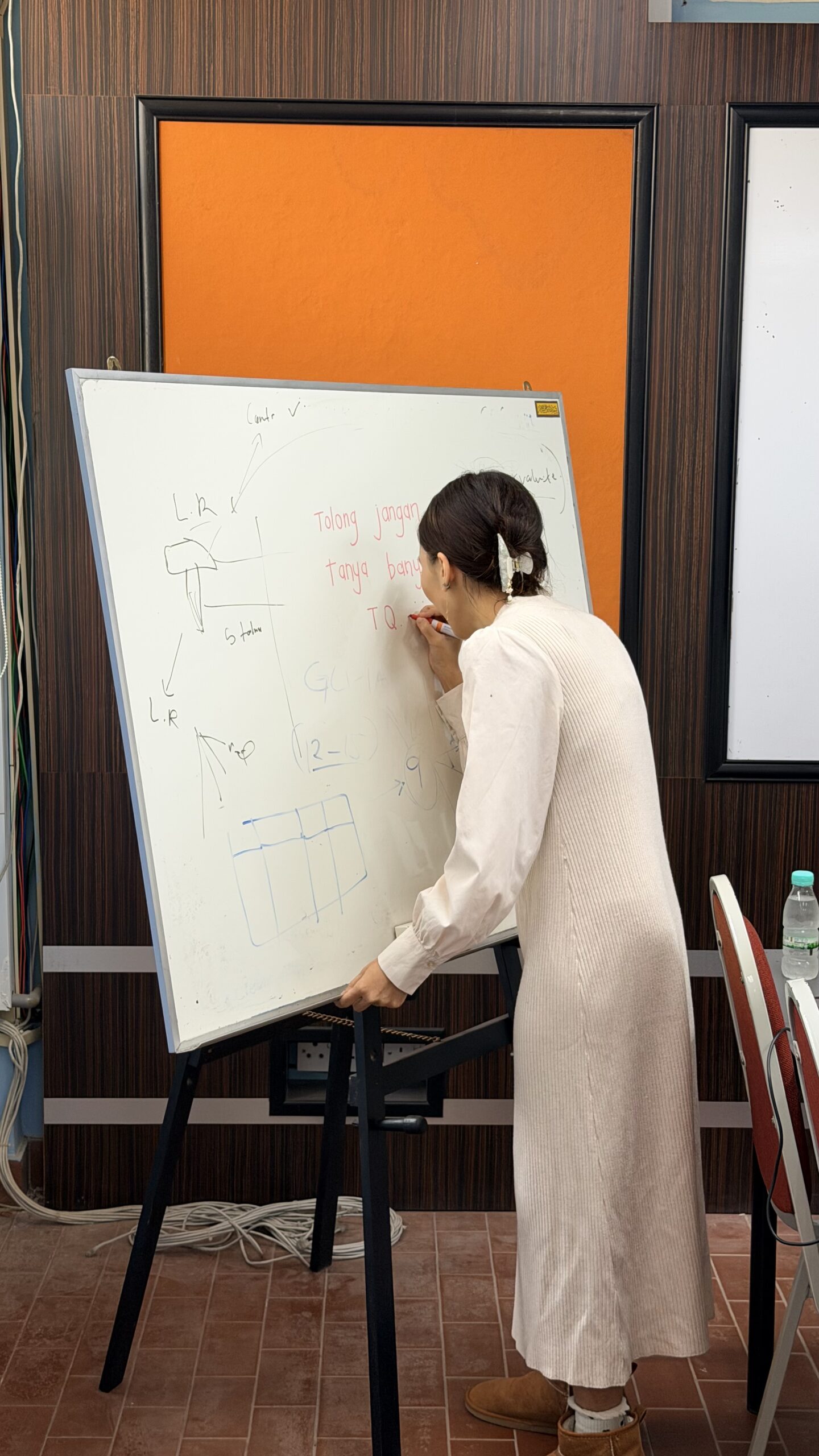
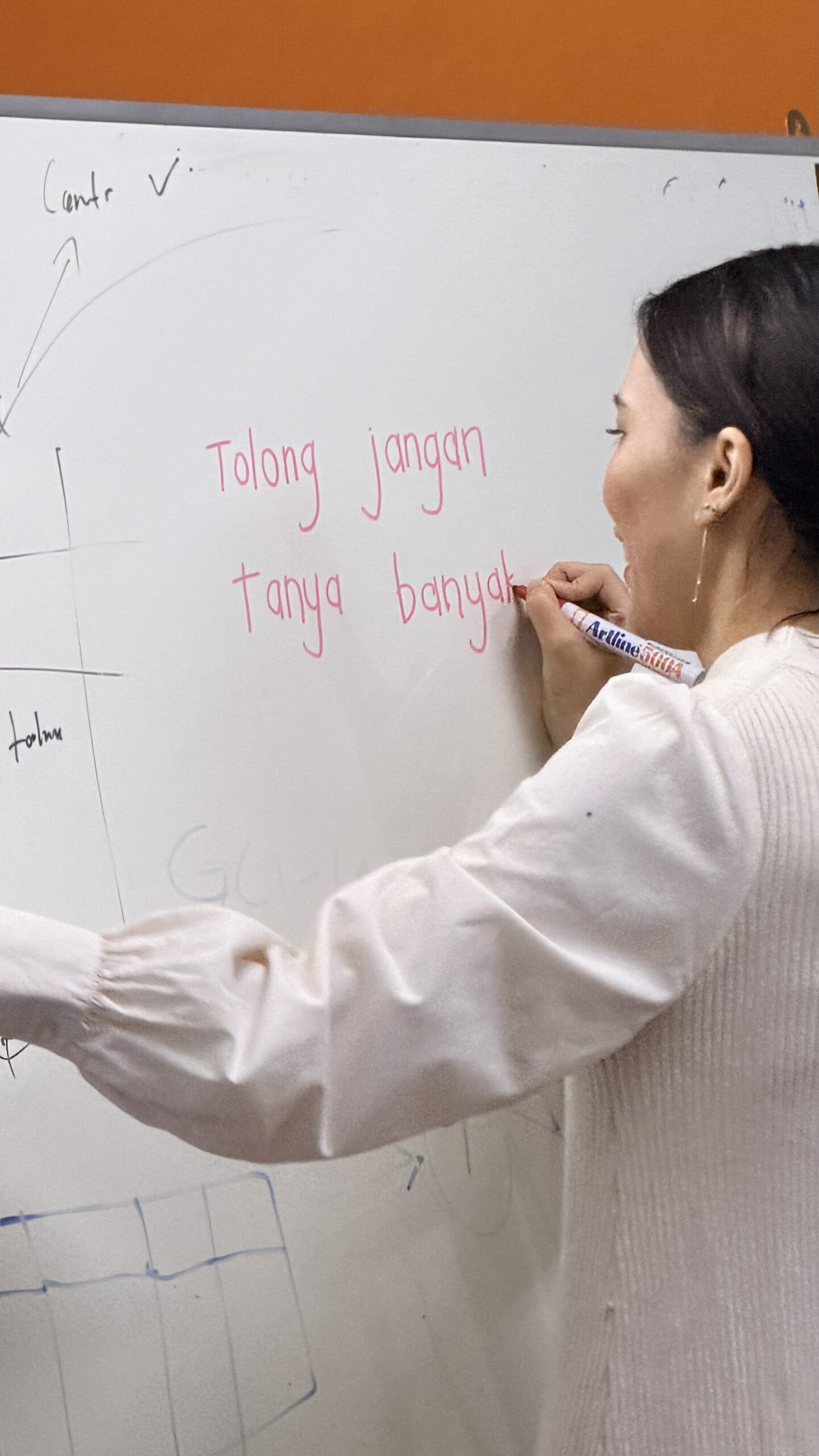
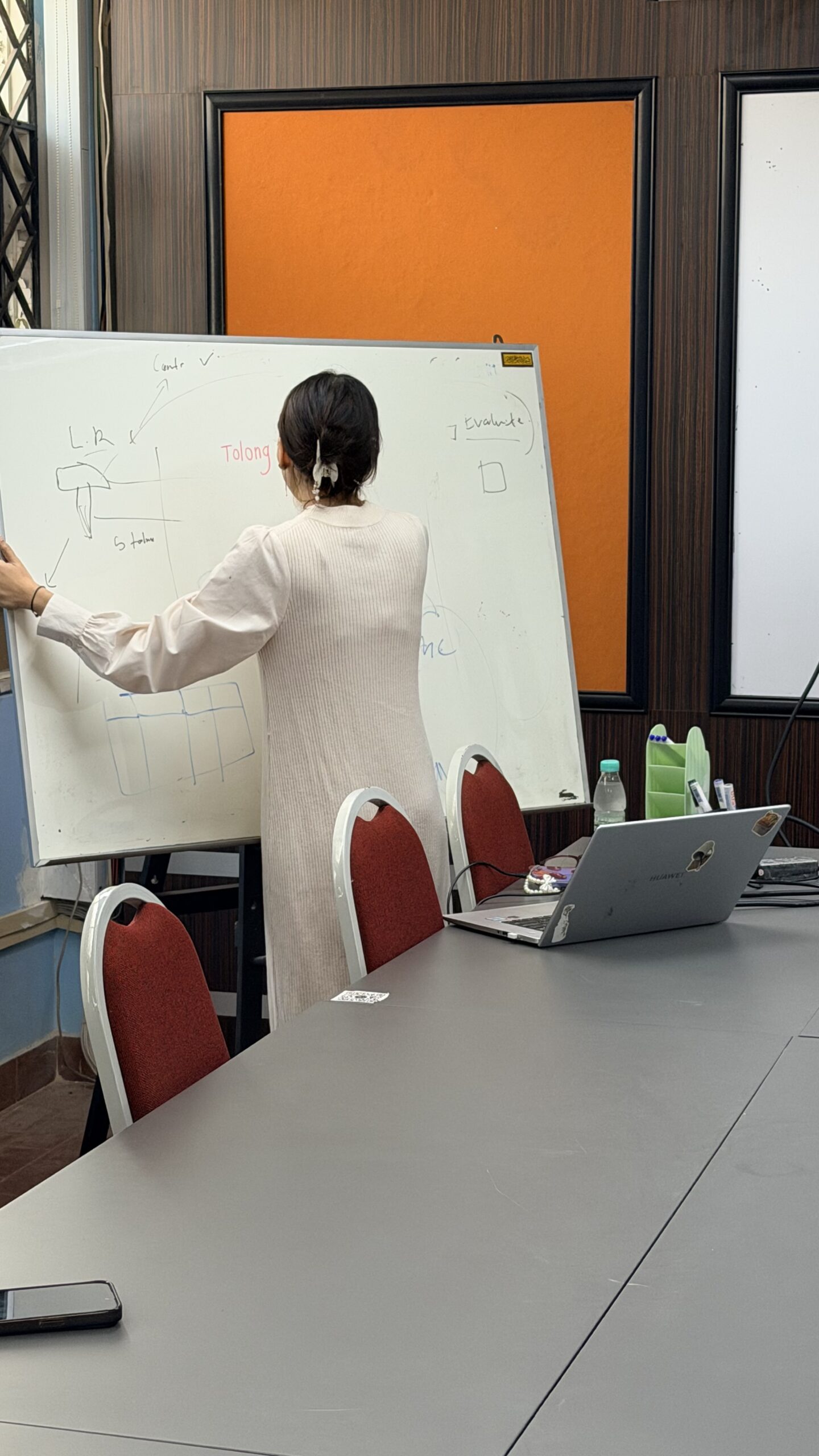
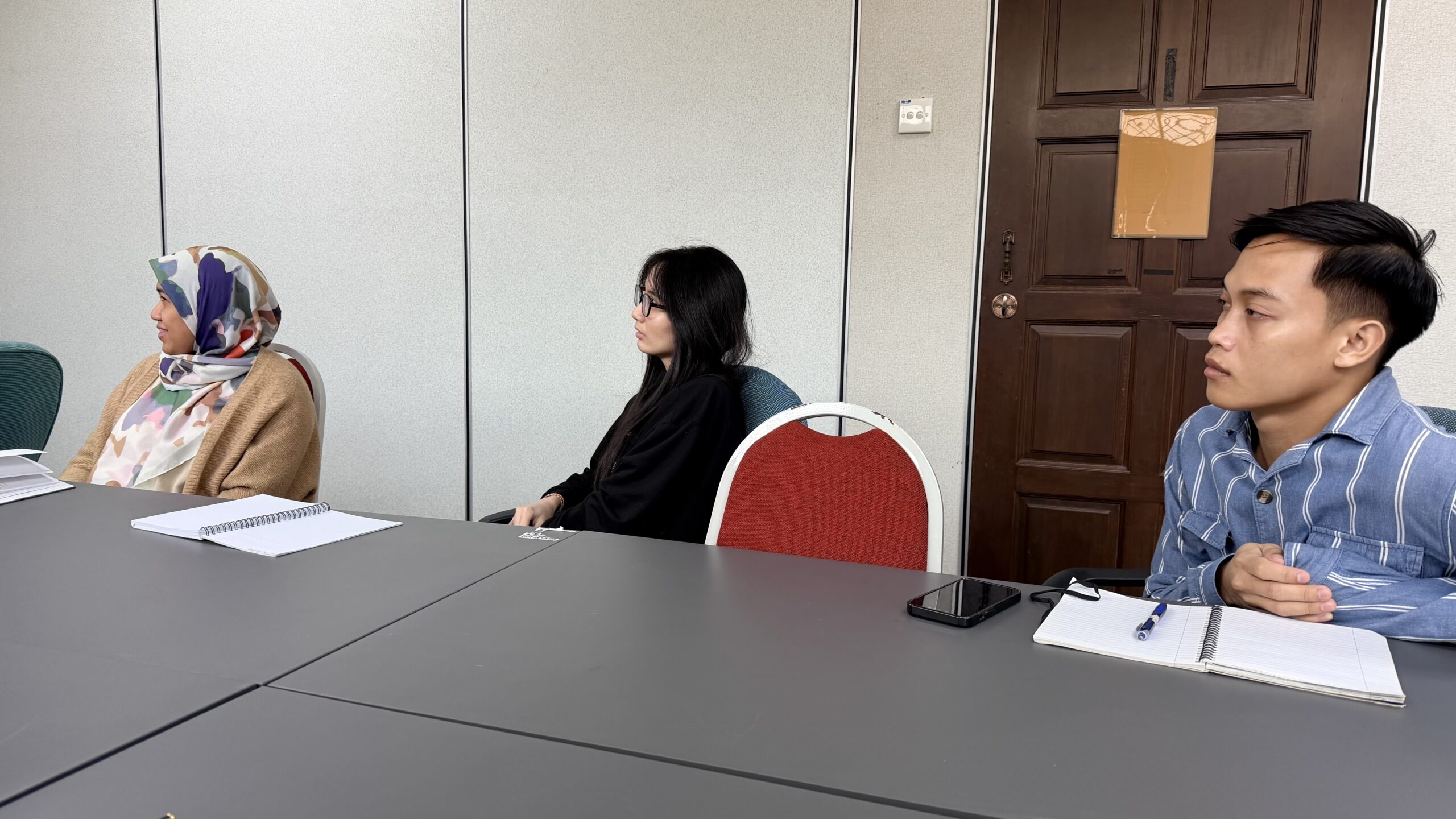
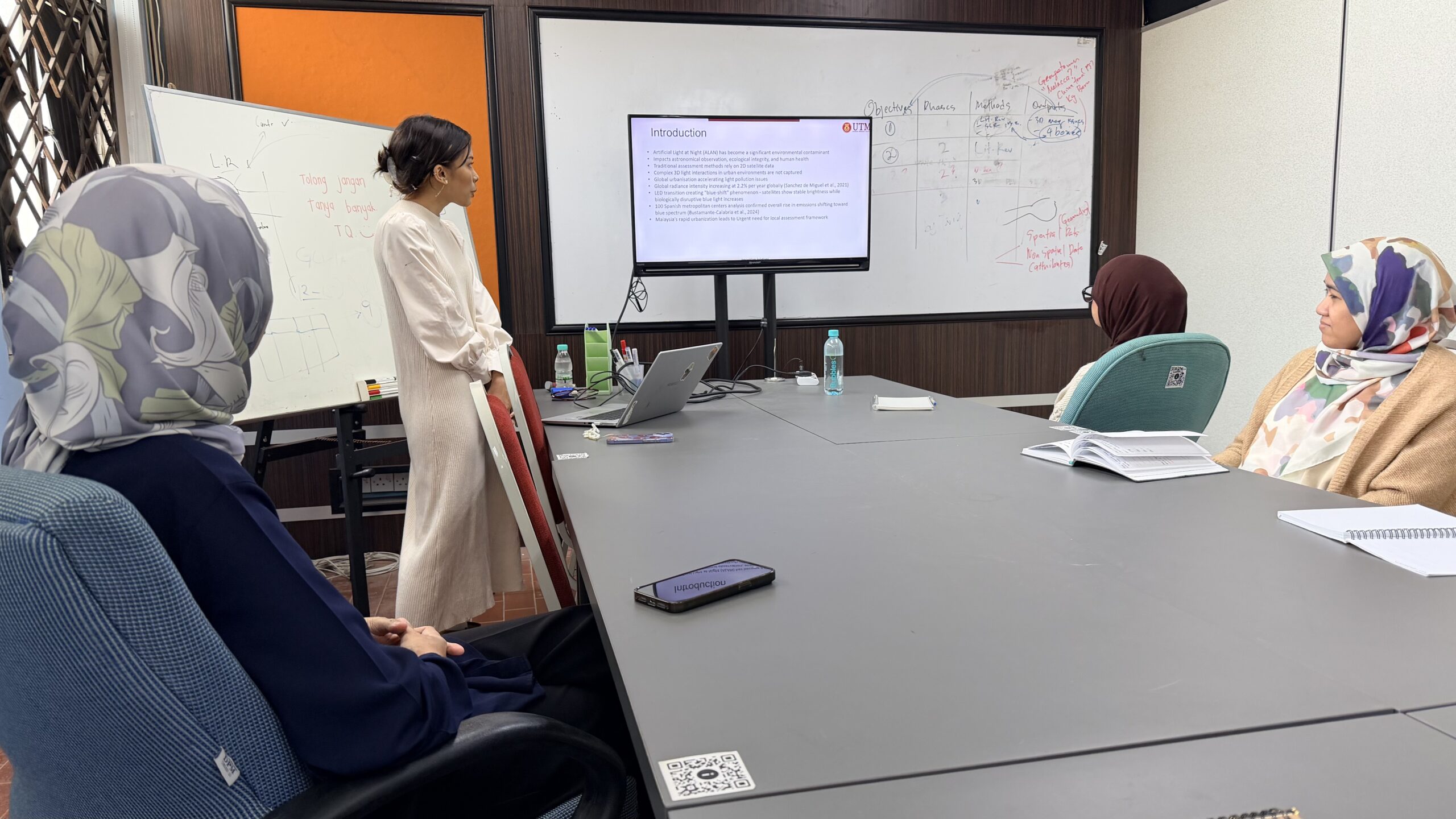
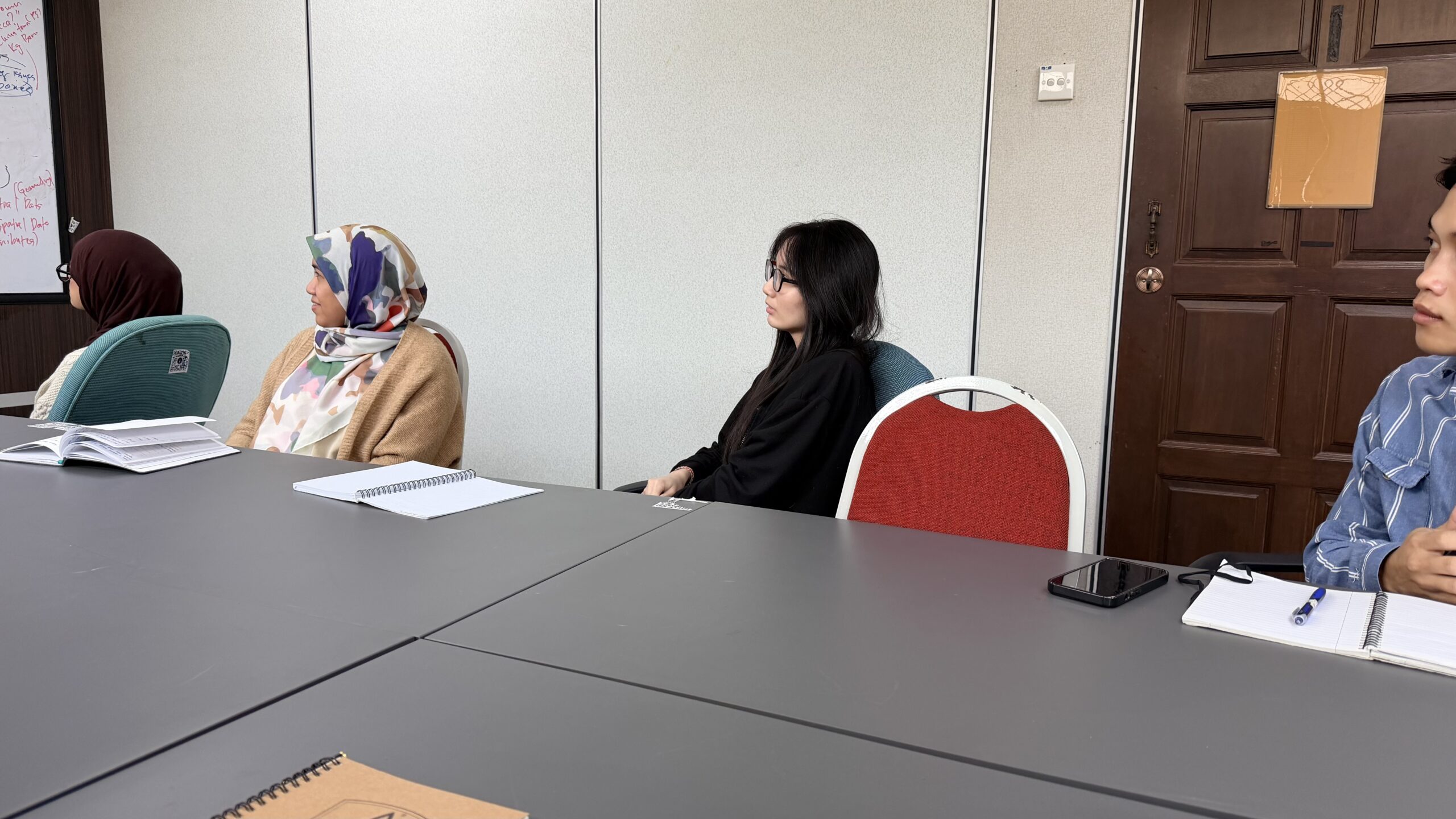
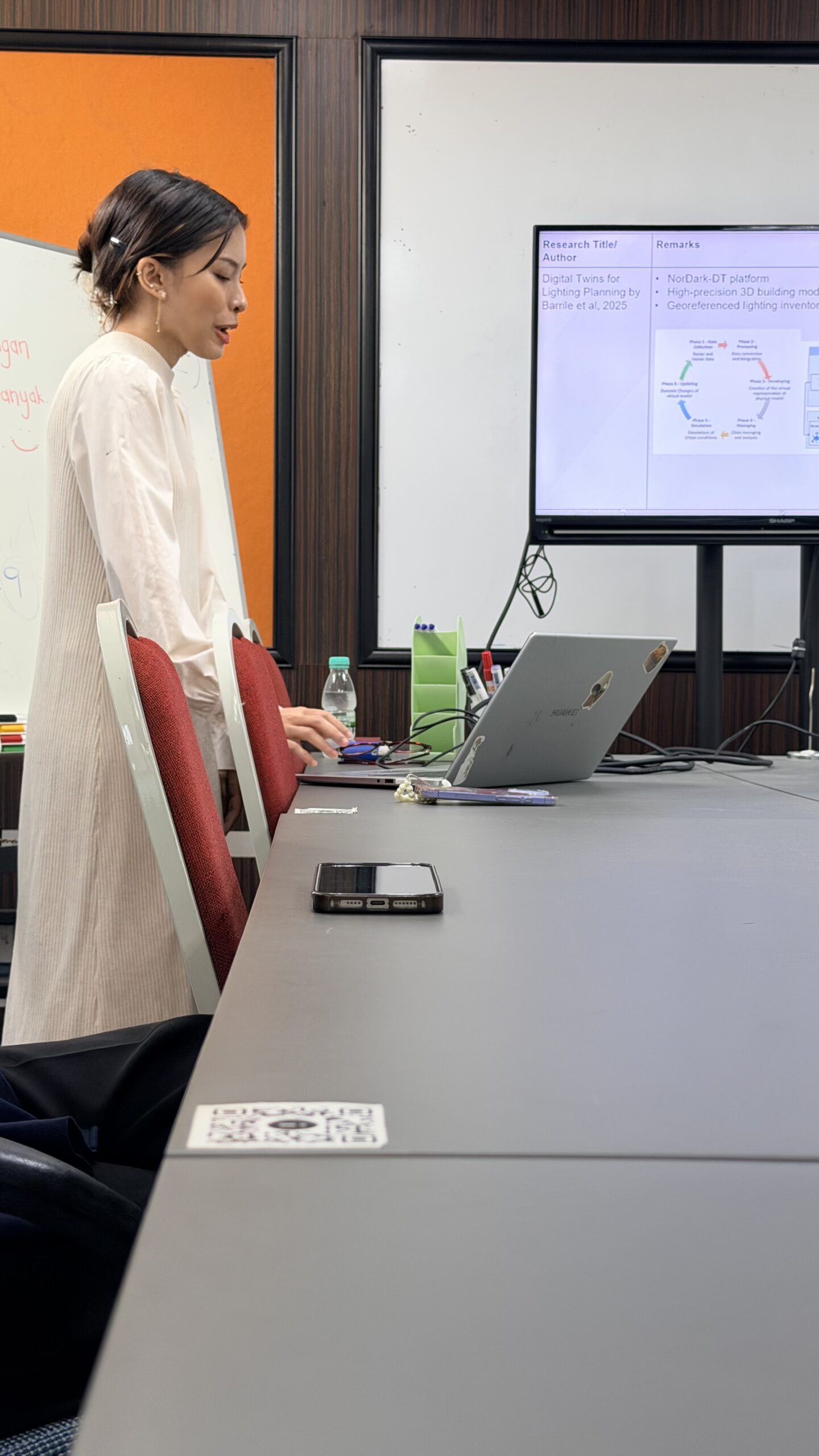
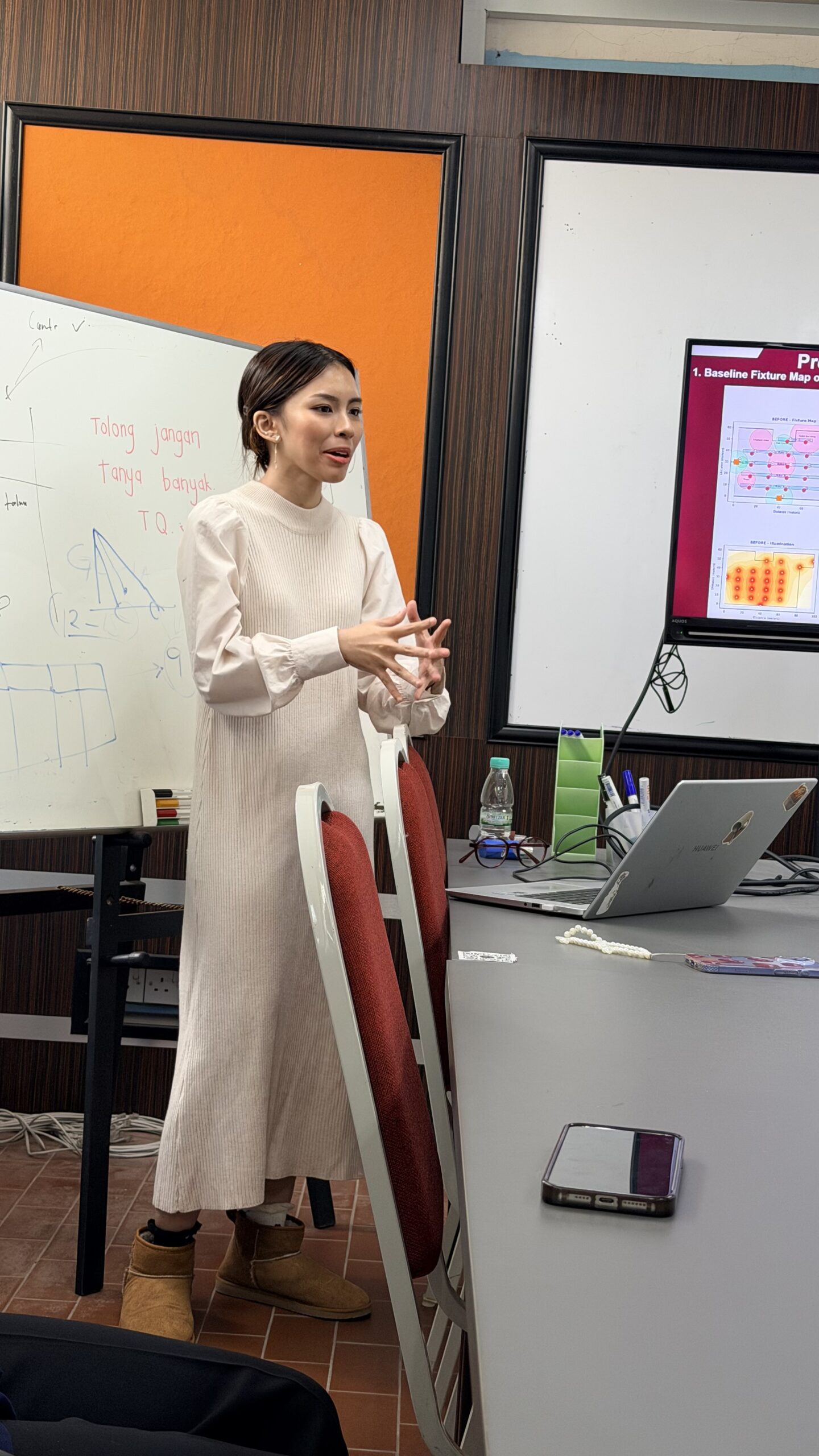
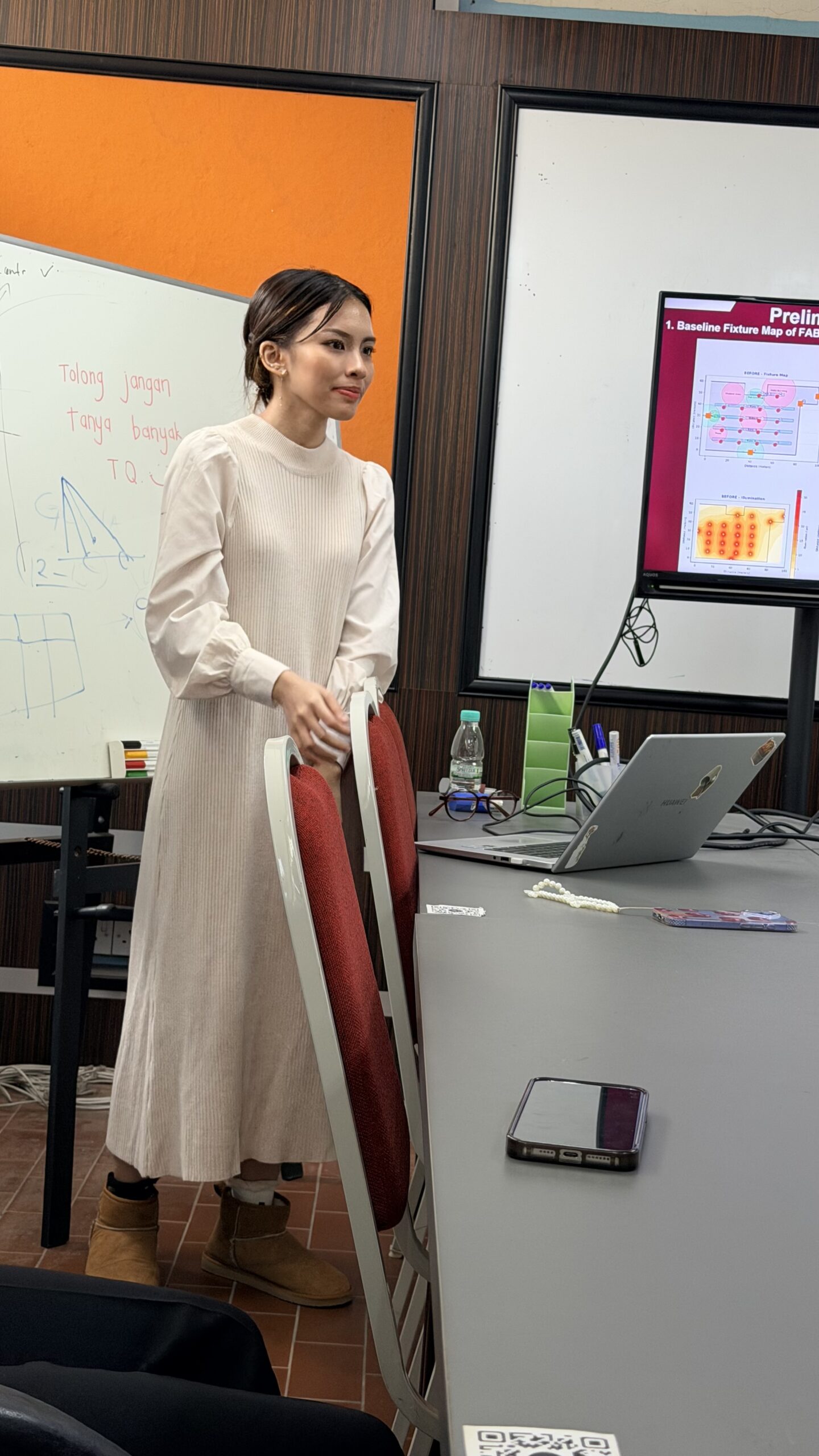
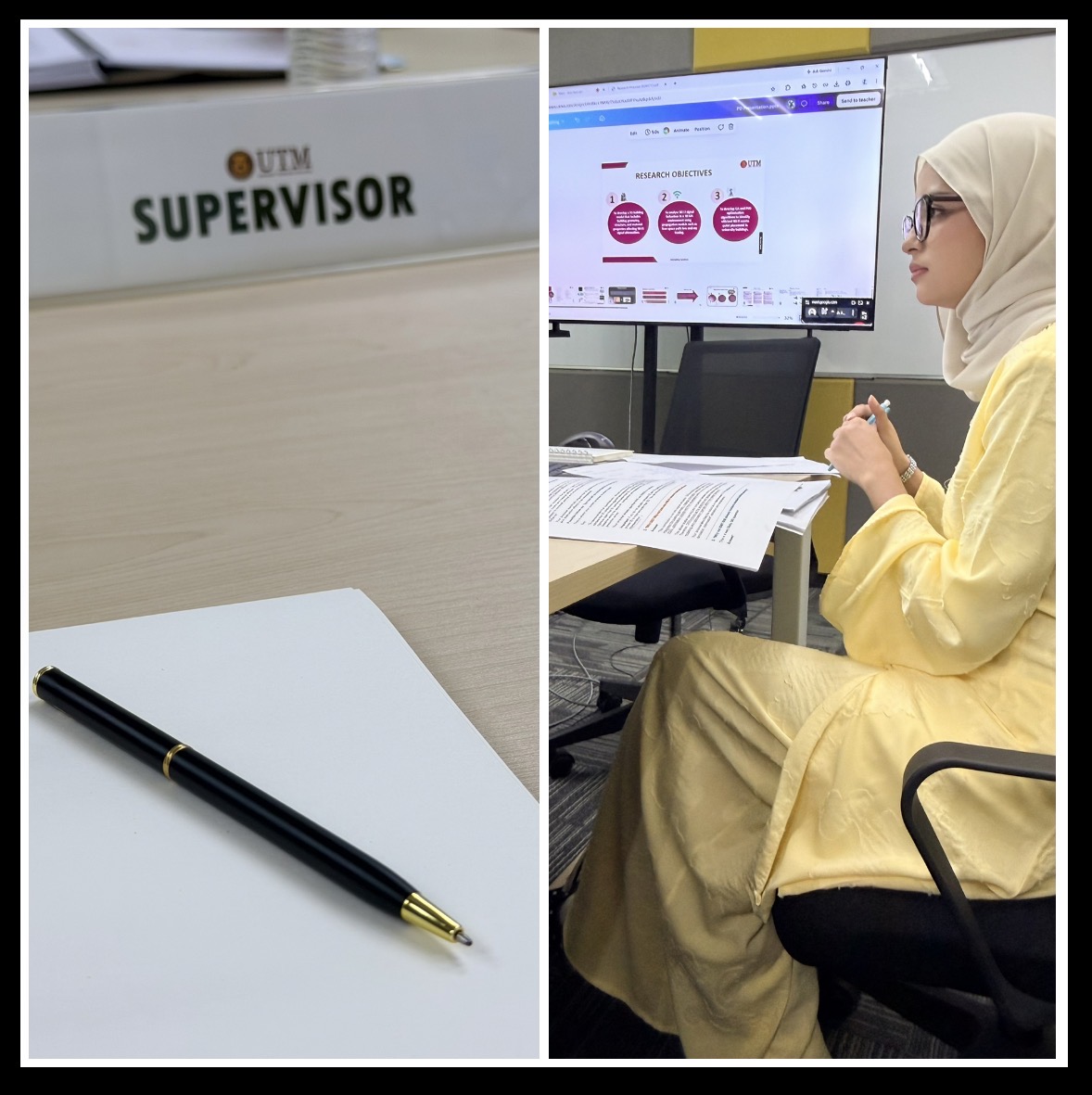
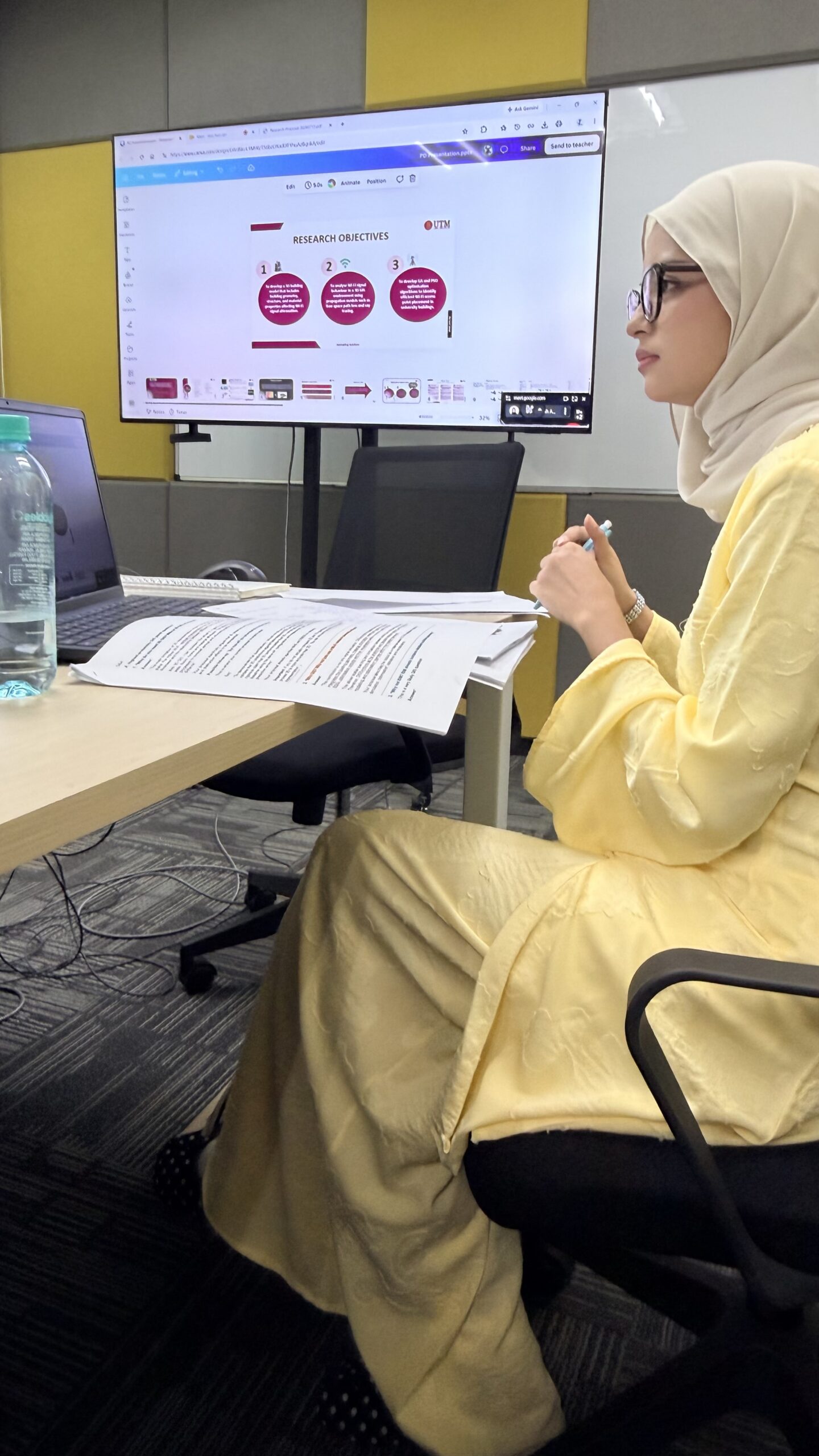
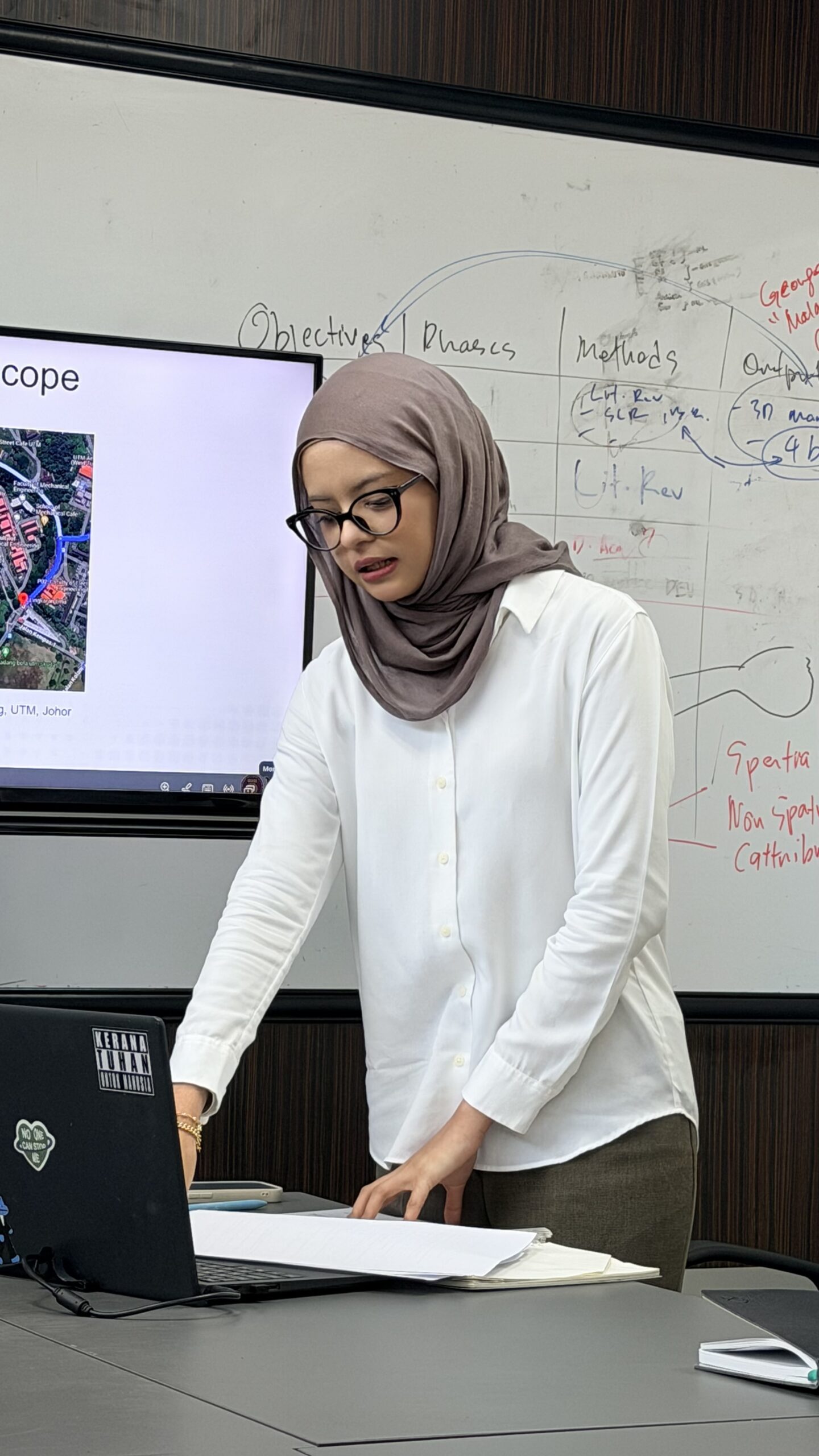
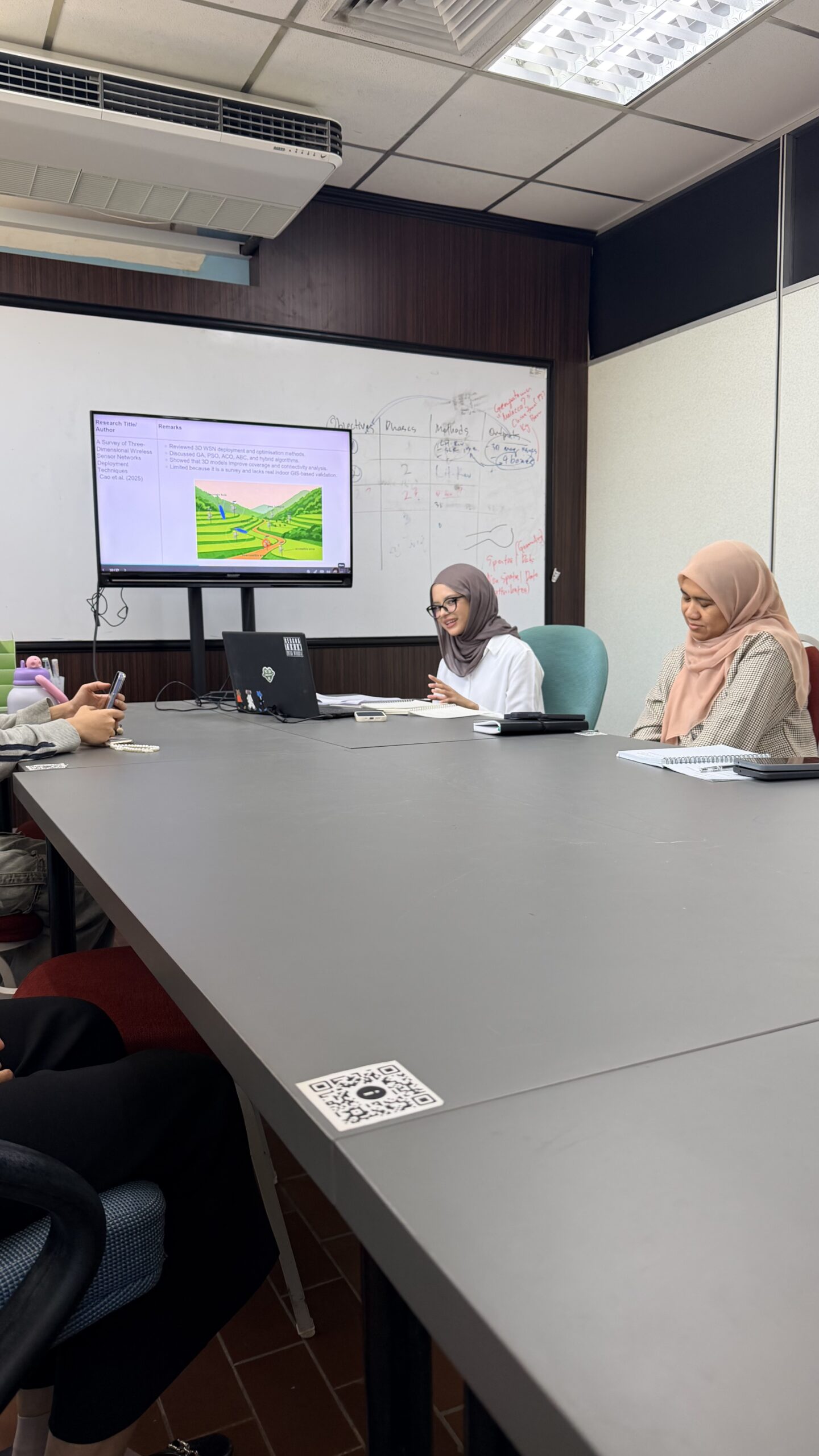
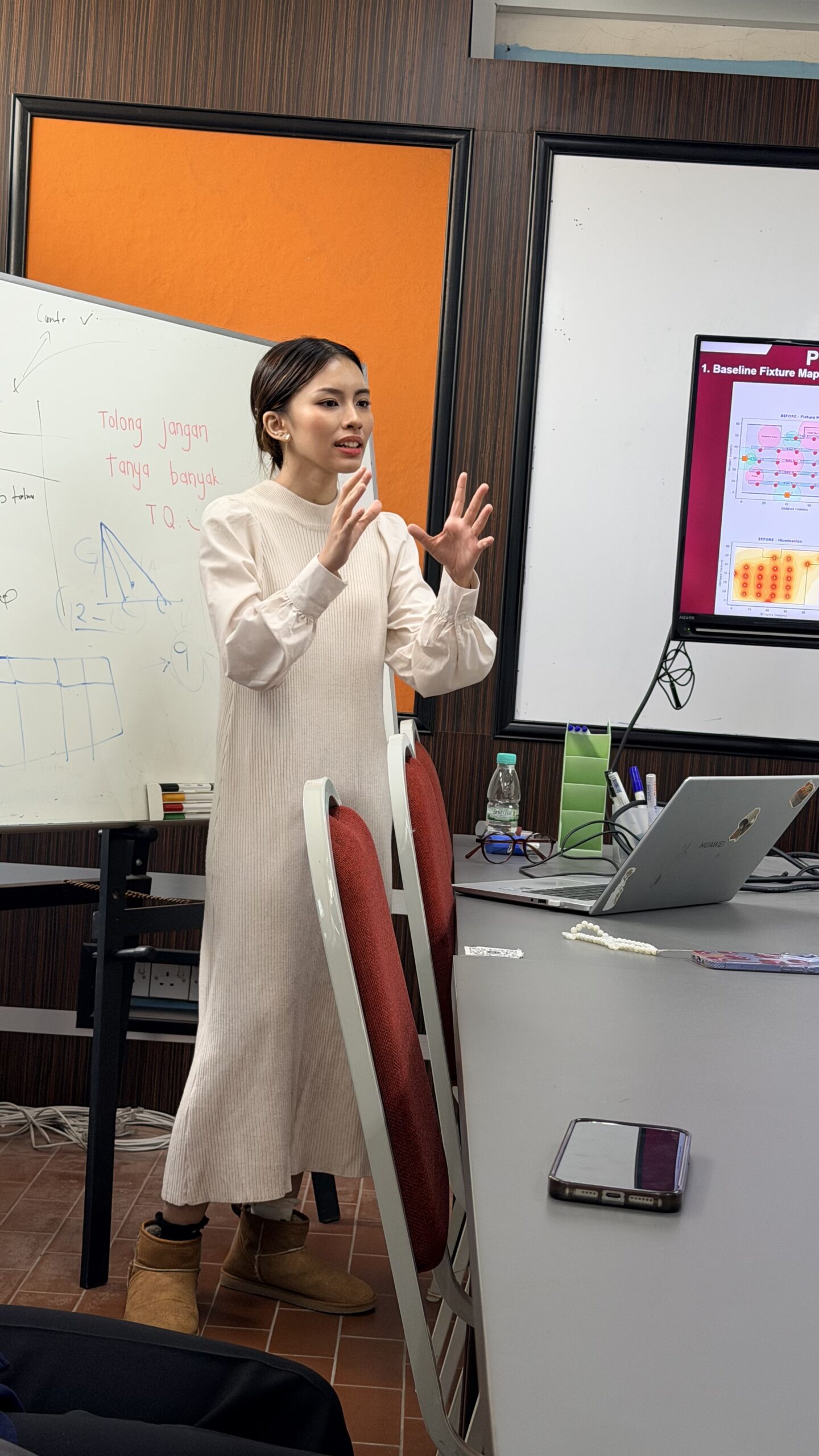
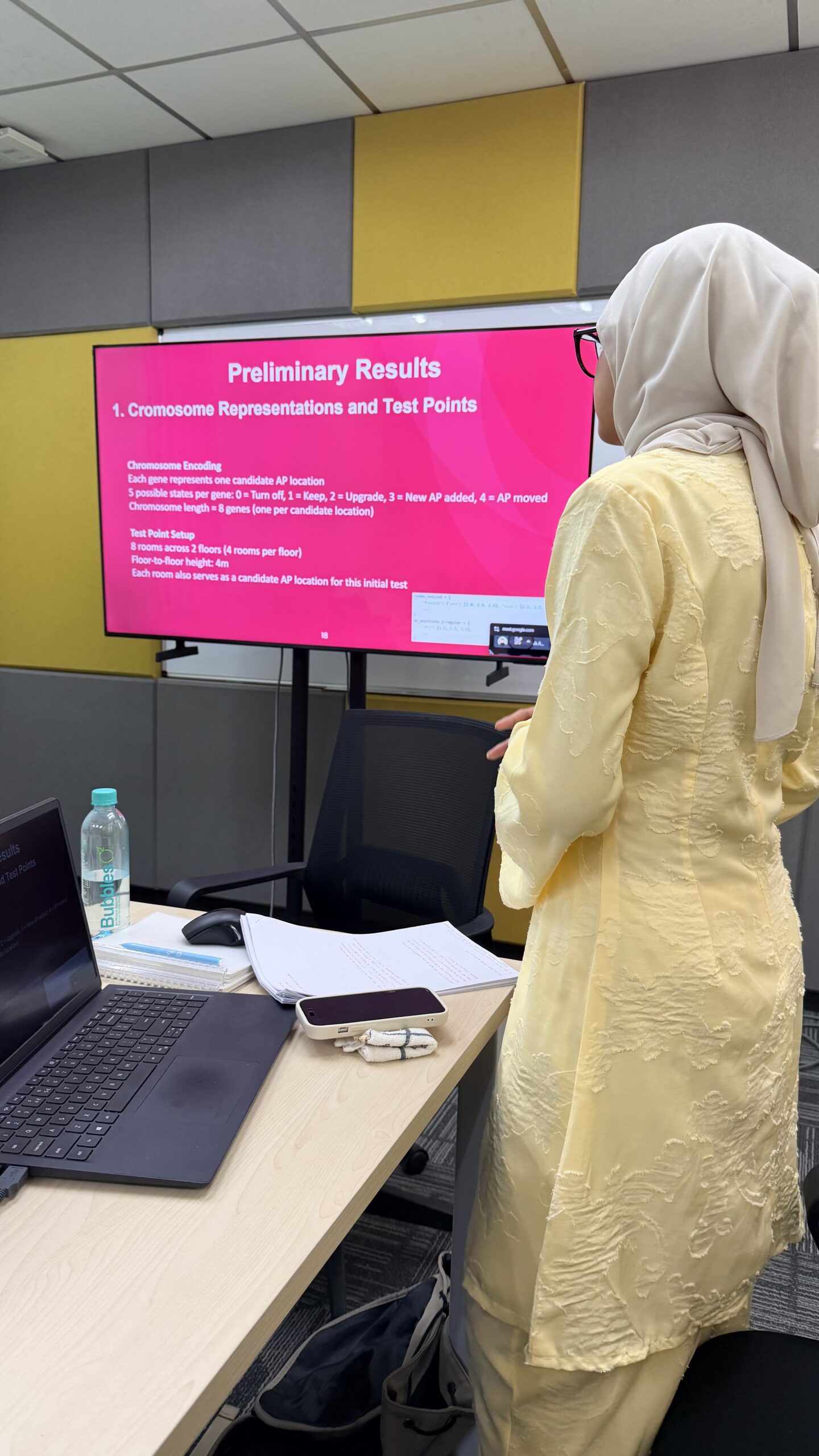
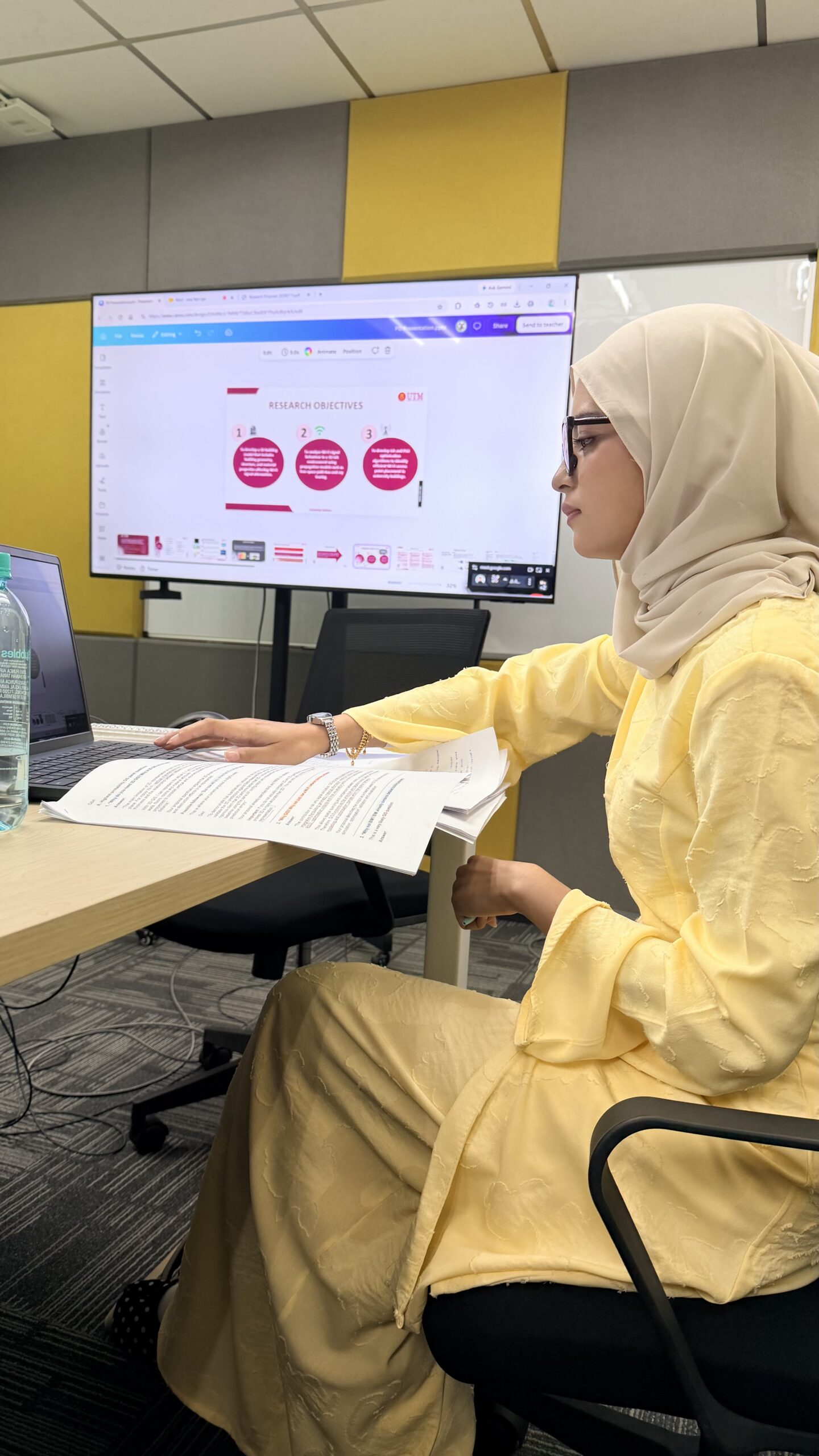
Today was Damia’s turn for a presentation prep session. She’s presenting her MPhil proposal this week. Last week it was Melati, this week it’s Damia. Funny how it happened back-to-back and in order too 😂

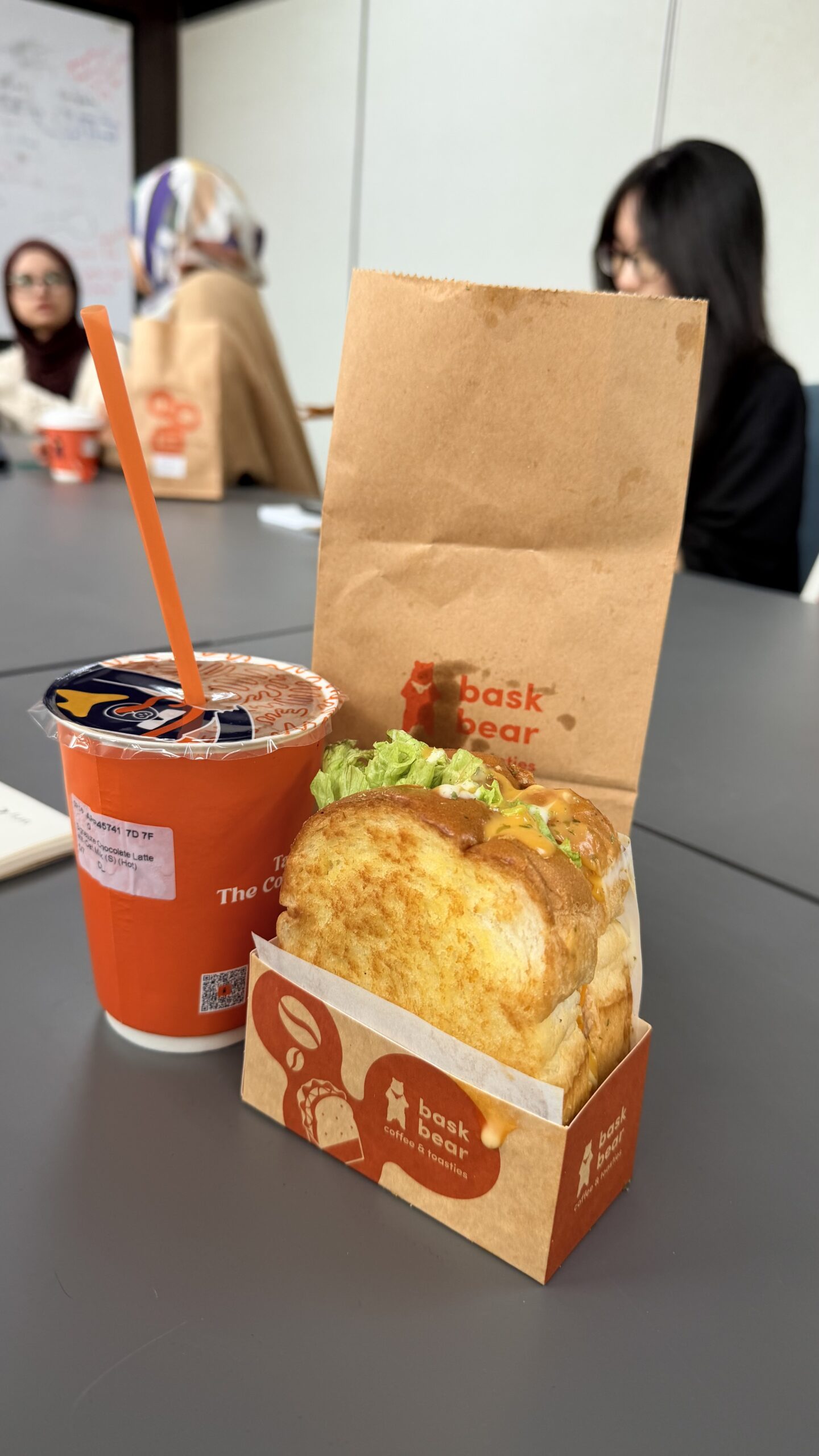
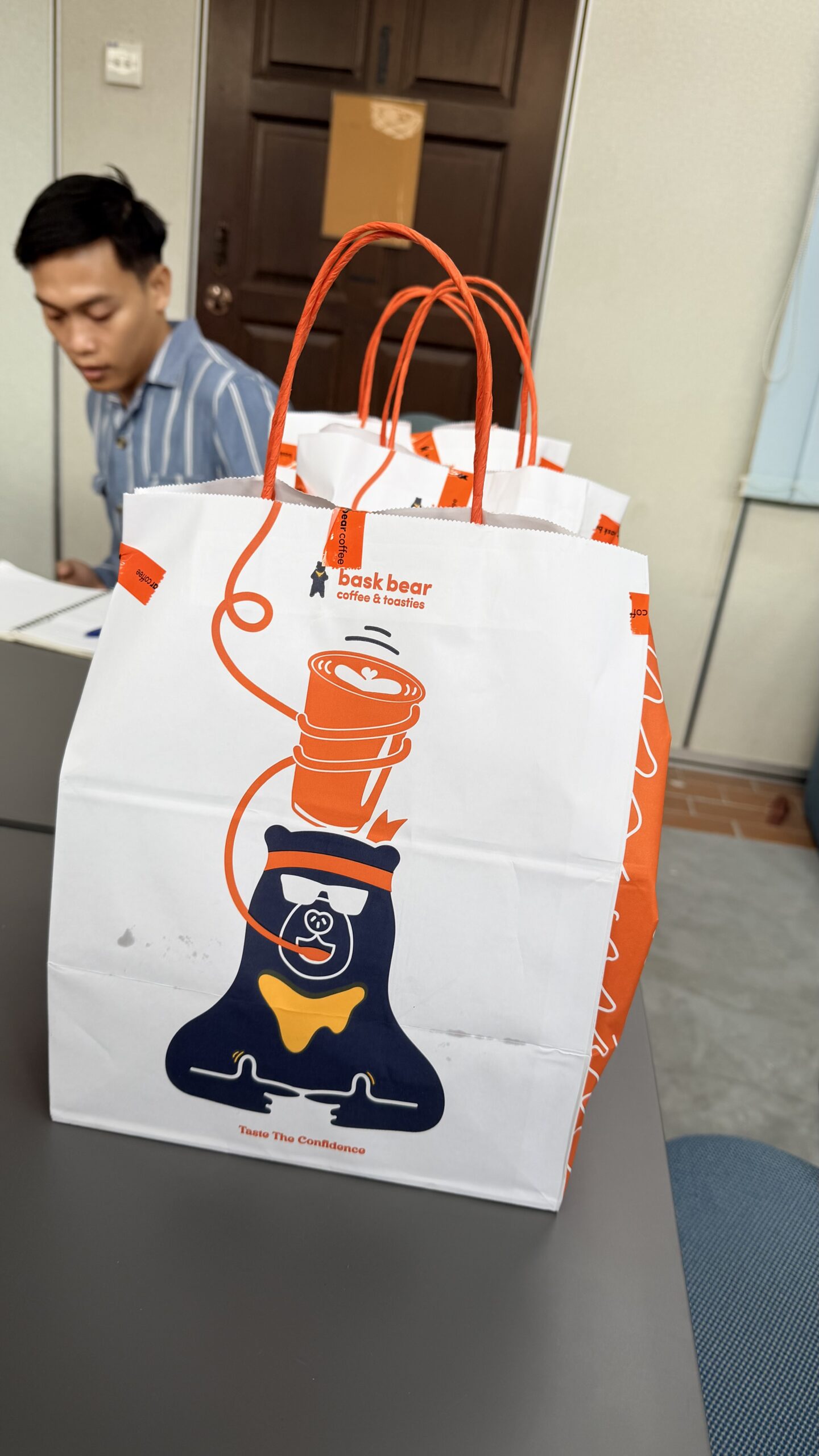
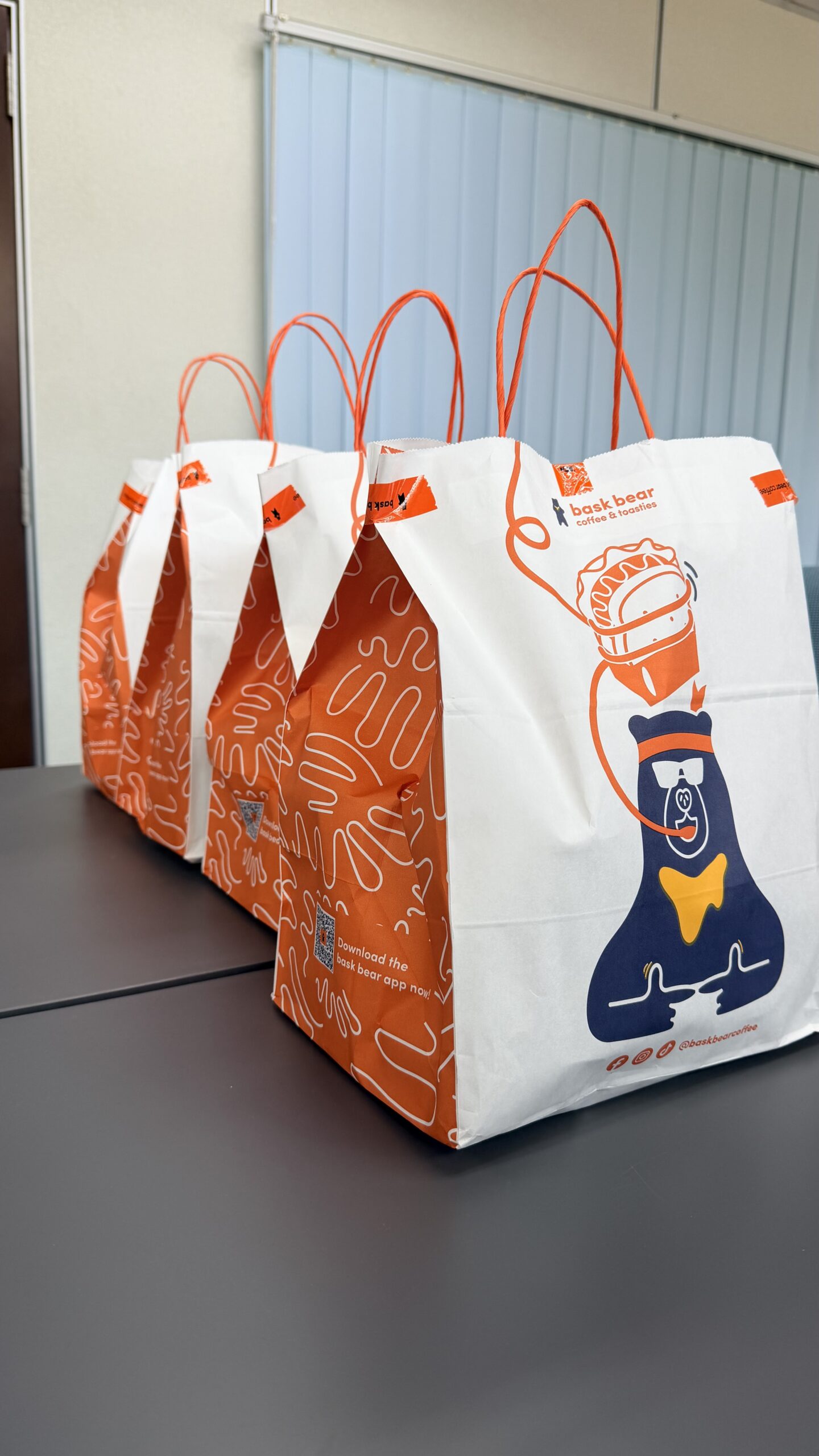
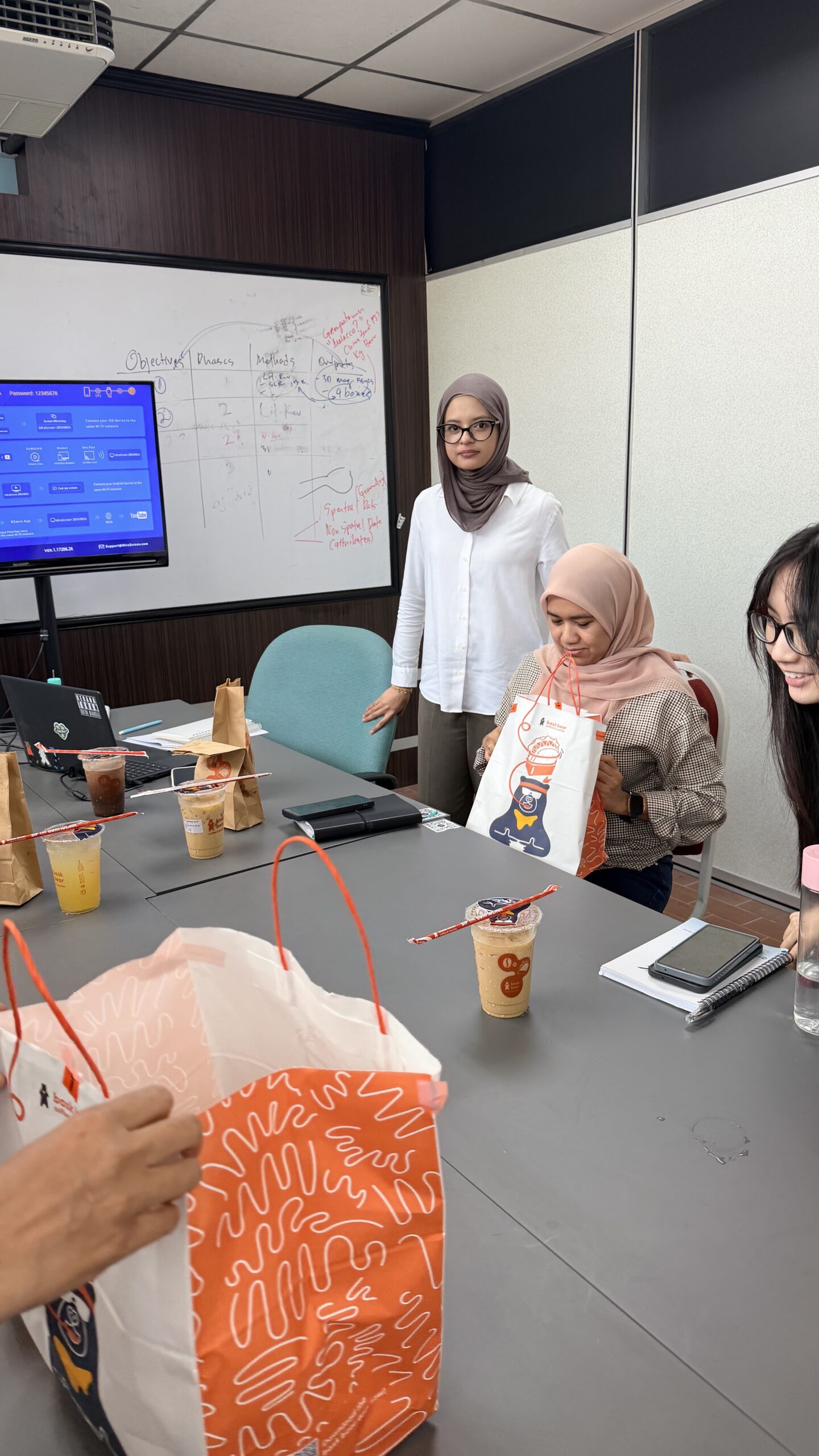
This week, we repeated the session again with Bask Bear for breakfast in the lab ☕🥪

So this time, Melati finally got to grill Damia after getting grilled by her last week 🤣

But honestly, these “grilling sessions” are actually so valuable. We challenge each other, spot things we might have missed, and learn so much in the process. Tough love, but worth it. 💪📚

WHEN THE SAME CONFERENCE CALLS YOU BACK, BUT THIS TIME FOR A DIFFERENT ROLE

WHEN THE SAME CONFERENCE CALLS YOU BACK, BUT THIS TIME FOR A DIFFERENT ROLE

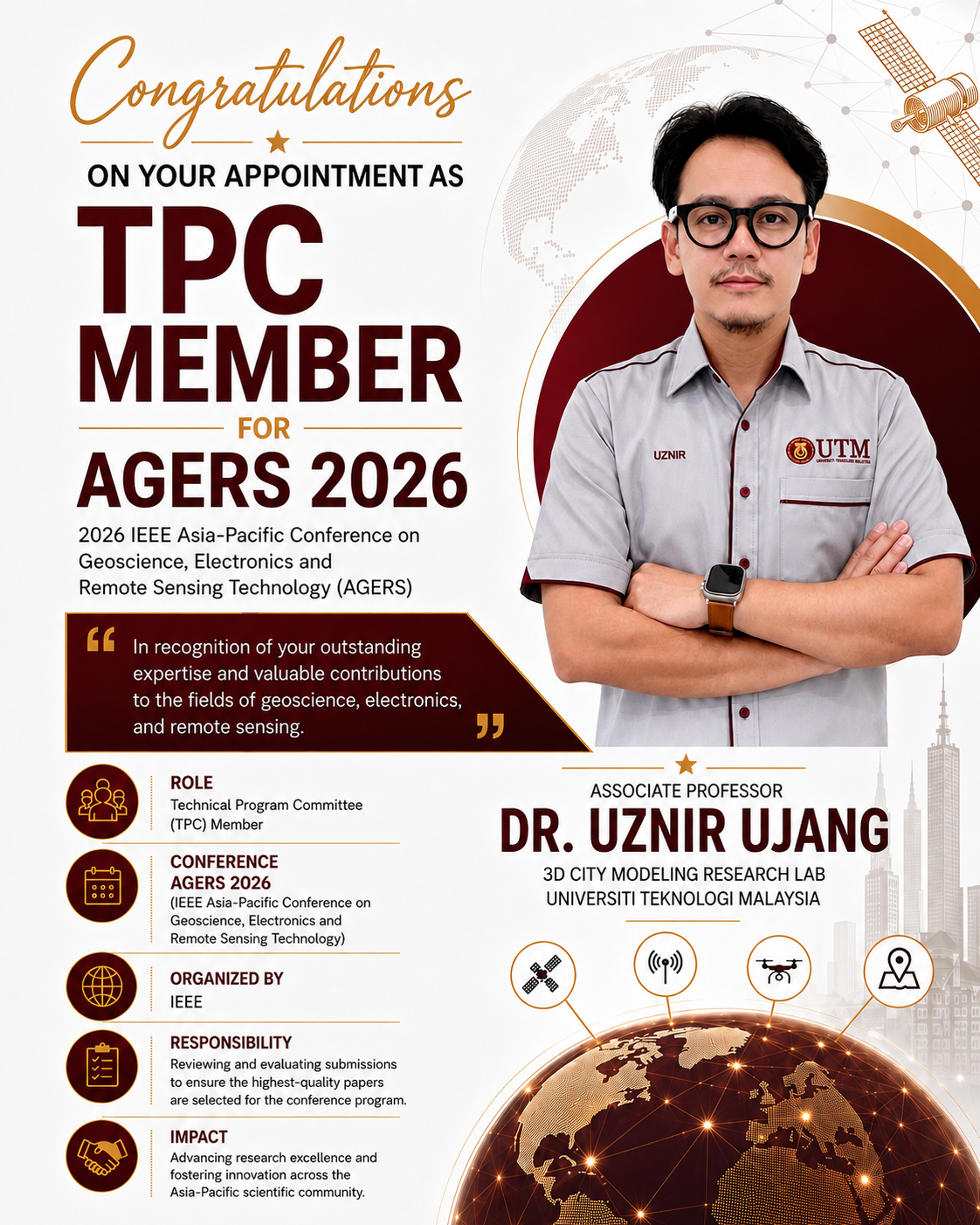
Last year, we contributed our research to AGERS 2025, the IEEE Asia-Pacific Conference on Geoscience, Electronics and Remote Sensing Technology.
This time, I received an invitation to return for AGERS 2026, not only as a researcher, but as a Technical Program Committee (TPC) Member.

The role comes with a different responsibility. It means contributing behind the scenes by supporting the technical review process, evaluating research quality, and helping ensure that the work presented at the conference meets appropriate academic standards.
AGERS brings together researchers working across geoscience, electronics, remote sensing and emerging technologies throughout the Asia-Pacific region. These areas are also closely connected to much of the work we are doing in geospatial science, GeoAI and 3D urban modelling.

It is always nice when participation in a research community develops into an opportunity to contribute back to that same community.
Thank you to the AGERS 2026 organising committee for the invitation and confidence.

Looking forward to doing my small part in making the conference a good one.

#AGERS2026 #AcademicService #RemoteSensing #GeospatialScience #ResearchCommunity

I KNOW IT’S YOUR MOMENT, BUT LET ME INTERRUPT

Screenshot

I

KNOW IT’S YOUR MOMENT, BUT LET ME INTERRUPT 🤍

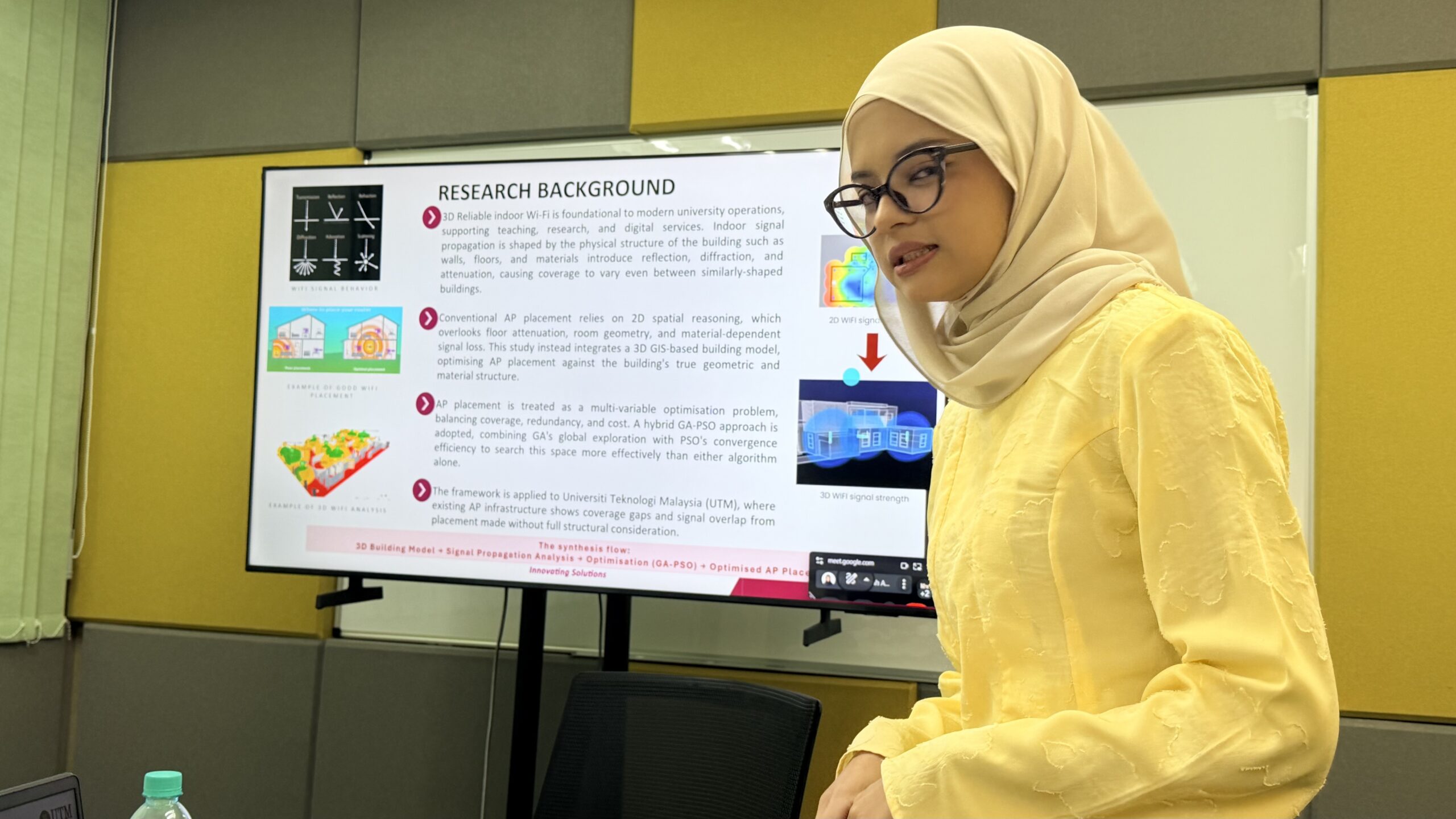
From her very first presentation with me to what I saw today, her growth has been remarkable.

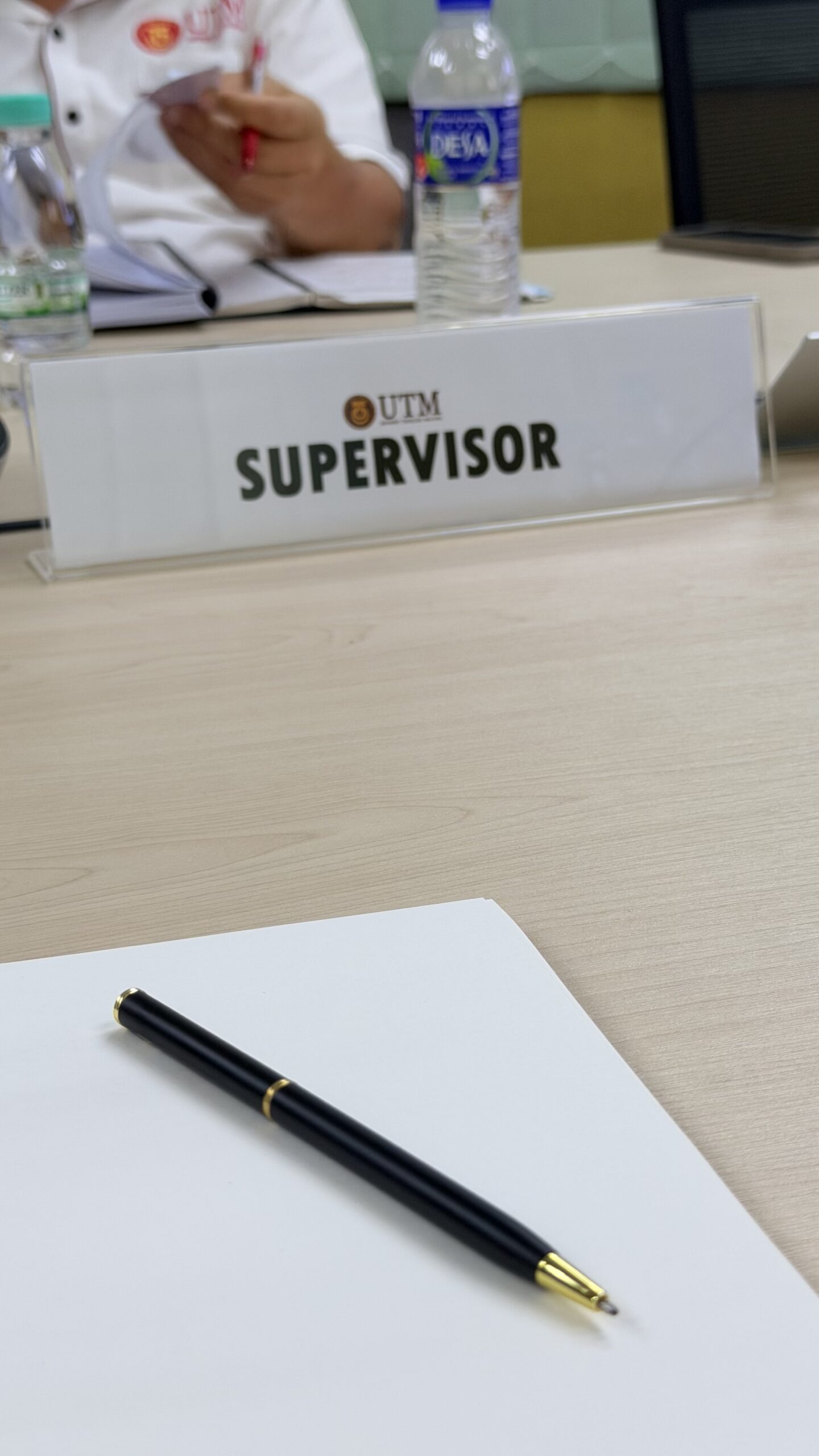
As a supervisor, seeing a student reach this “style” is one of the most fulfilling parts of the journey even if it is “just” a proposal defence. I’ve watched her grow since day one with me. 🥹

Congratulations Melati, on passing your MPhil proposal defence with flying colours. Keep improving, keep growing, and never settle too soon. 🌷

#ProudSupervisorMoment #FromDayOne #ProudOfHerGrowth #AcademicJourney #KeepGrowing

GROOMING RESEARCHERS, ONE STUDENT AT A TIME 🎓


GROOMING RESEARCHERS, ONE STUDENT AT A TIME 🎓

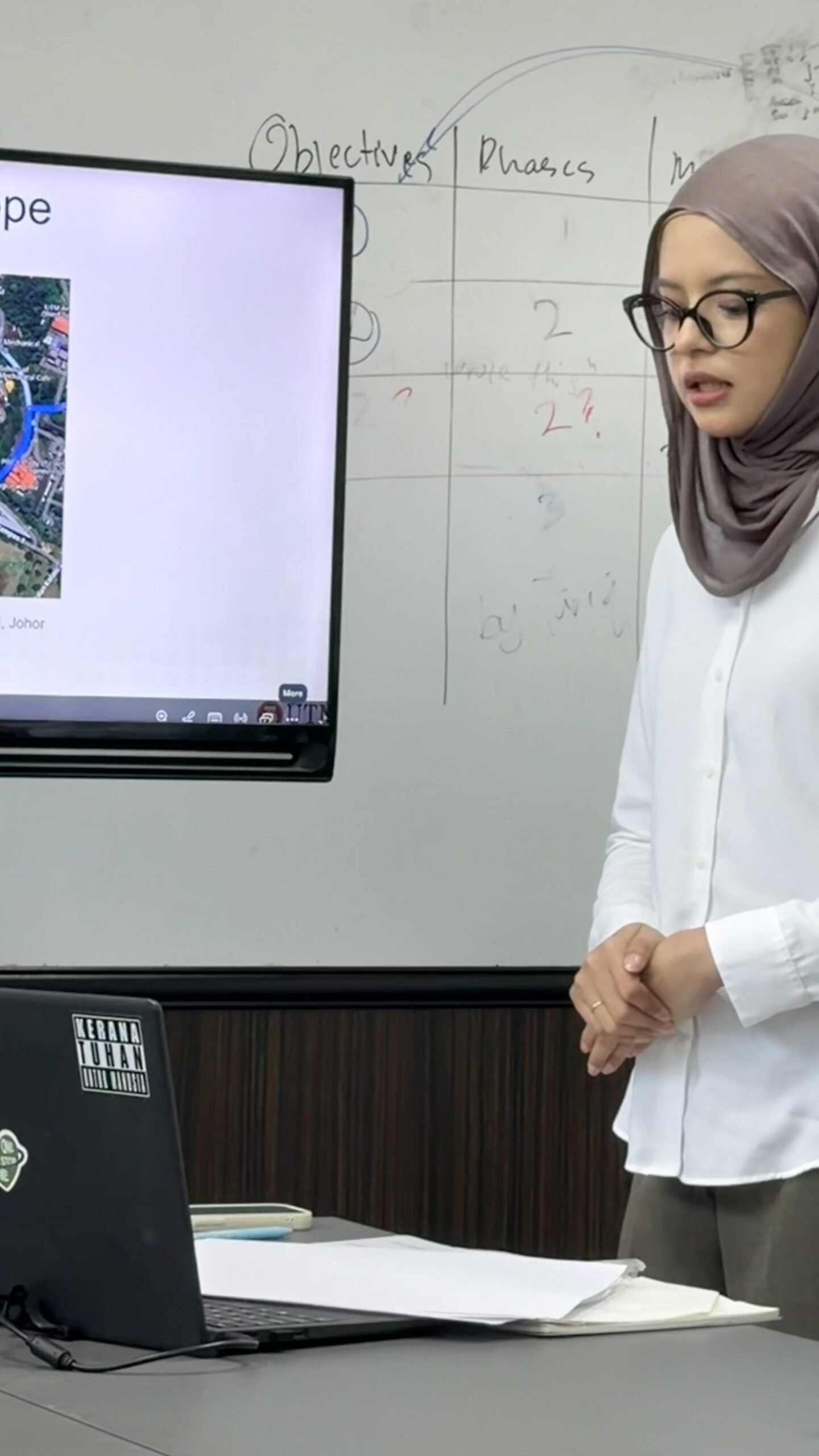
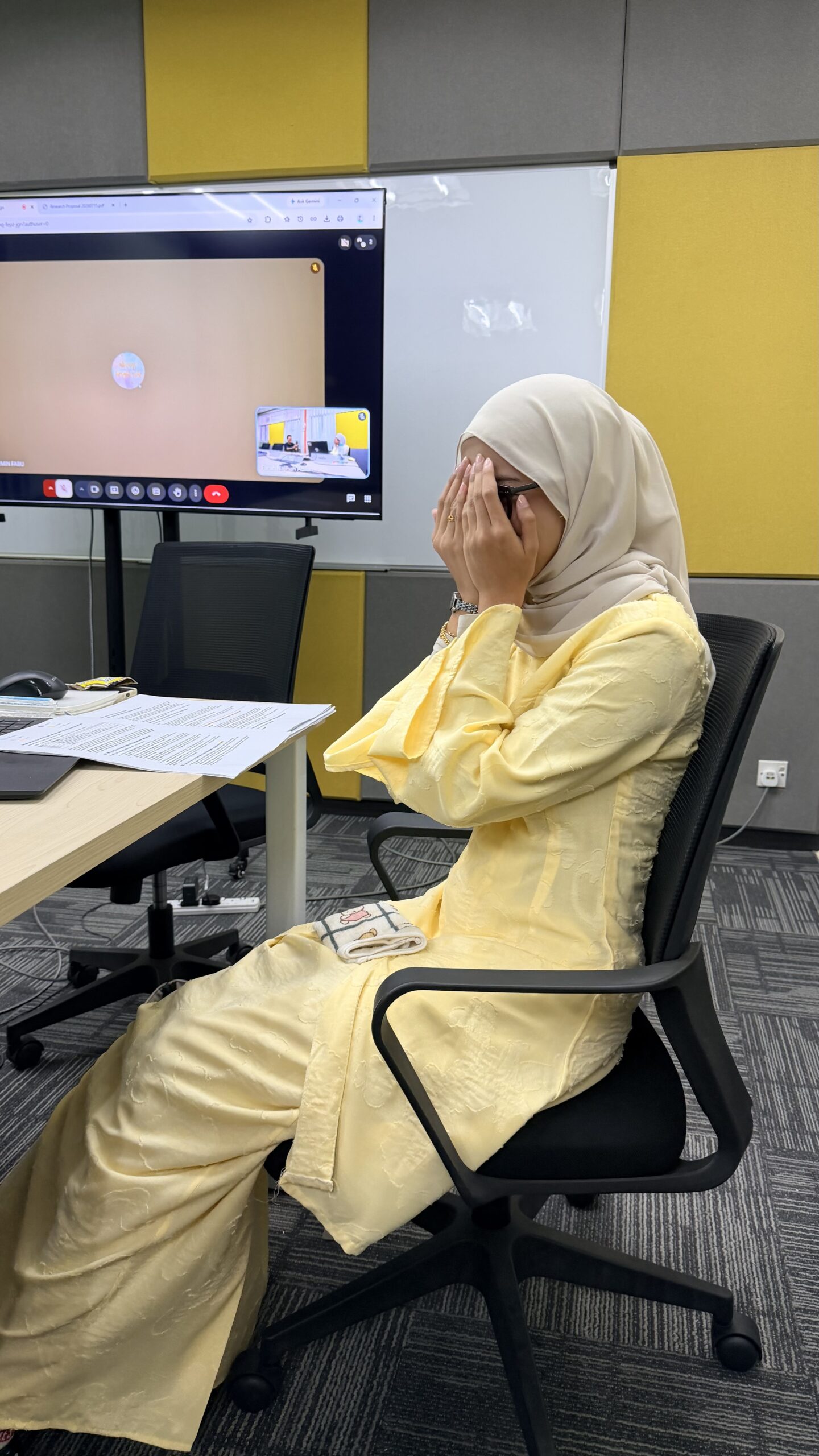
Today, I had a mock proposal presentation session with my MPhil student Melati, as she prepares for her upcoming proposal presentation.

In our lab, this is part of the process. Before students go into an important presentation, we spend time going through not only what to present, but also what to do and what not to do during the presentation. How to structure the story, how to explain the research clearly, how to respond to questions, and even the small things that can make a big difference in how confidently the work is delivered.
But there is another part that I personally pay attention to.

Beyond the research itself, I try to identify what each student individually needs to improve.
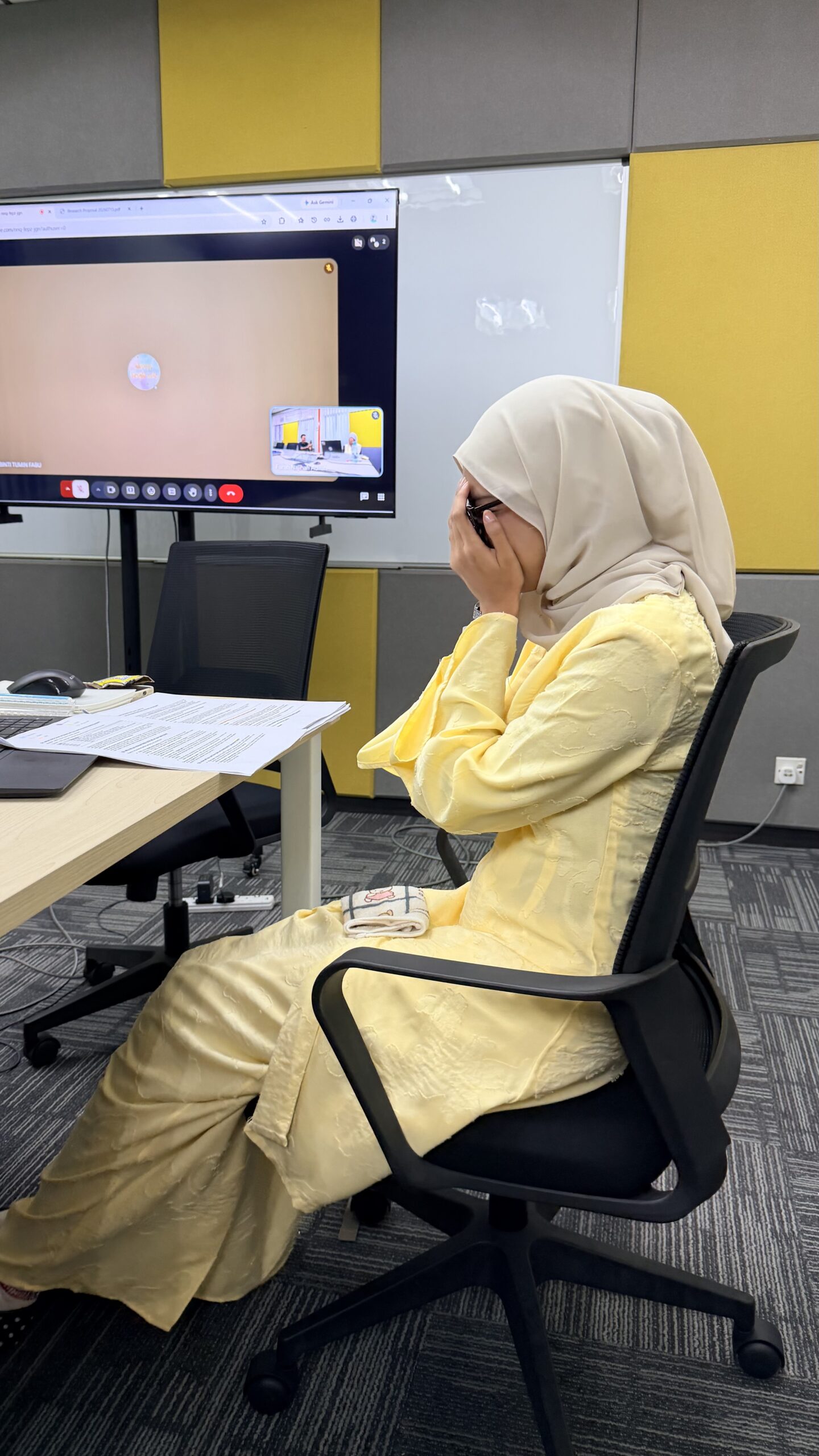
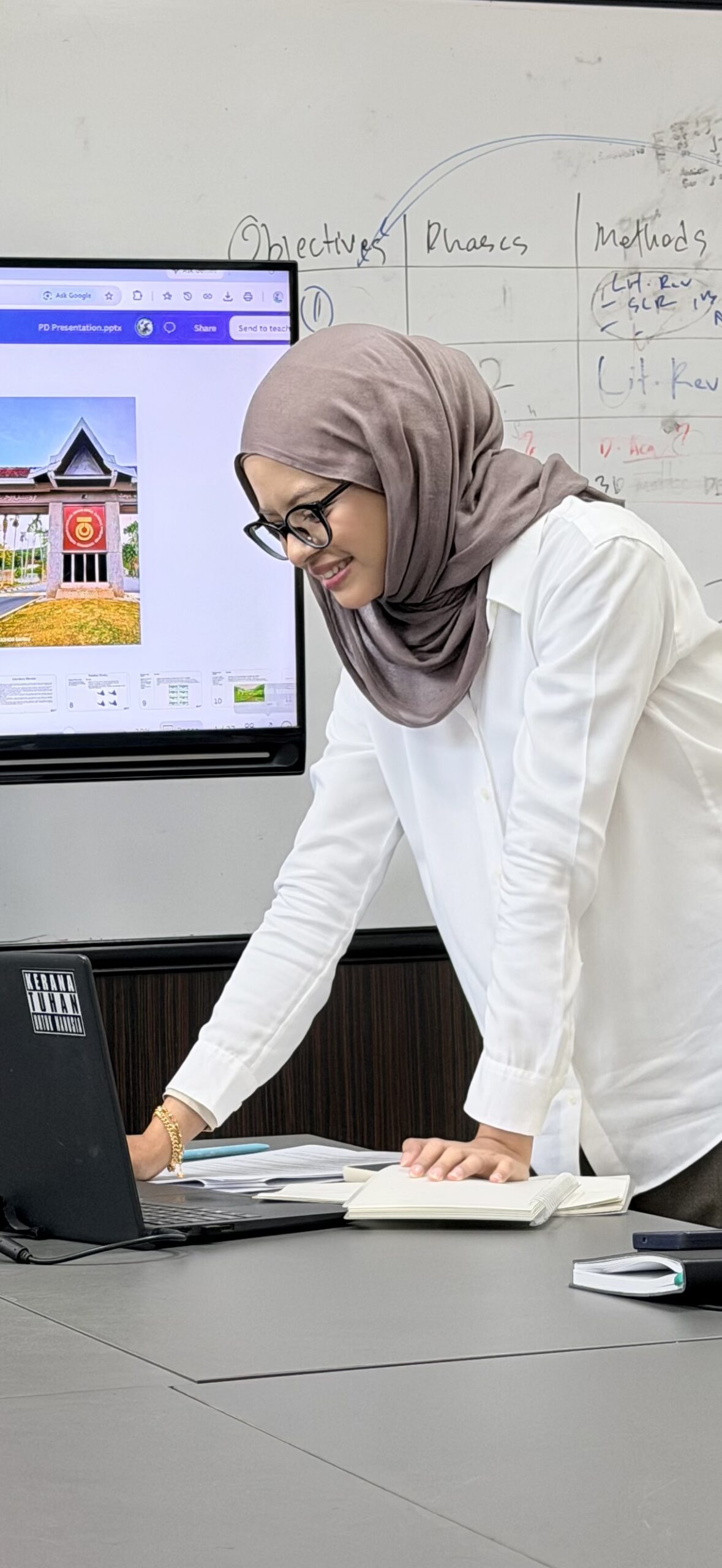
For one student, it may be confidence. For another, it may be how they communicate technical ideas. Some need to improve their slides, some need to sharpen their research argument, while others need to learn how to answer questions more strategically.
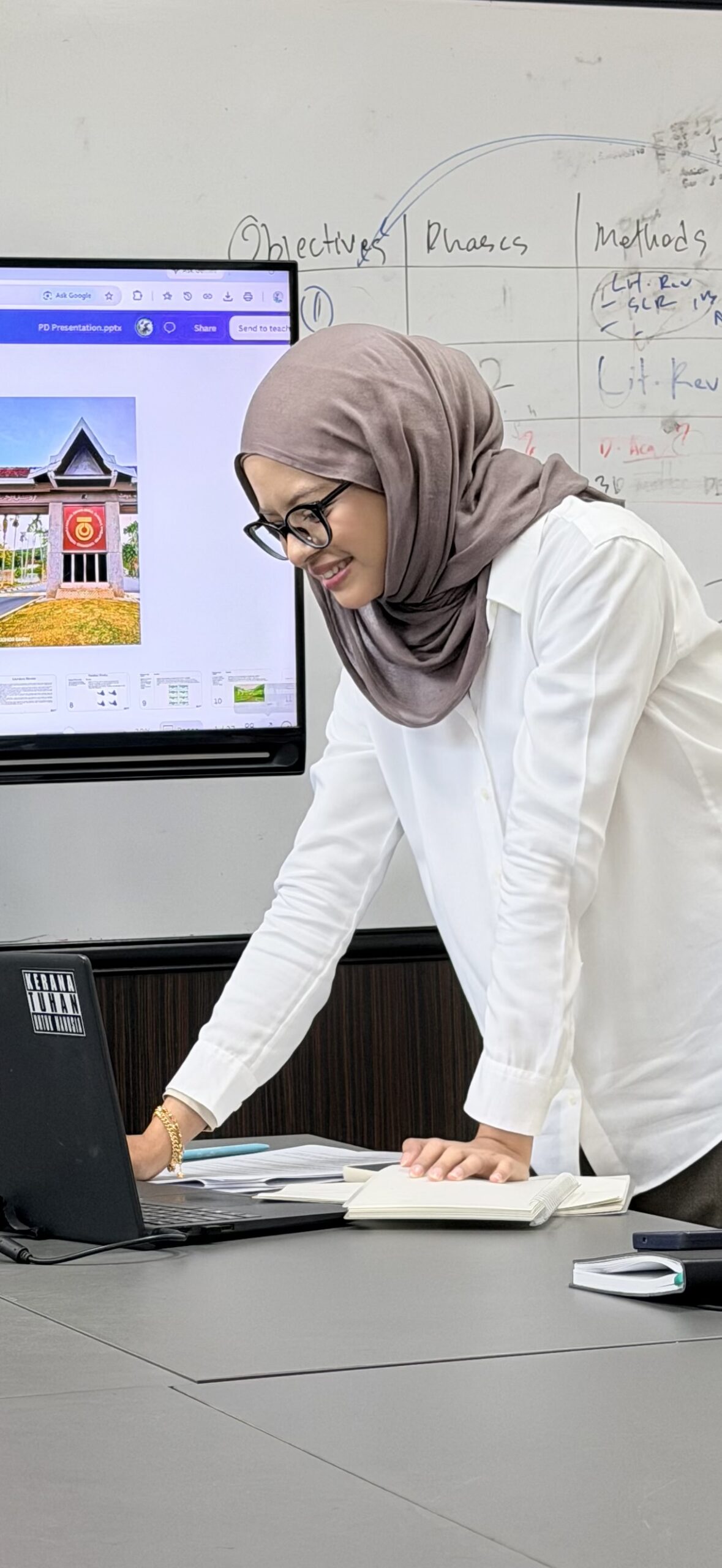
Because every student is different, the way we groom them should also be different.

Perhaps that is one thing that makes our research lab a little special 🫢

We do not really have a one-size-fits-all approach.

We groom our students in a tailor-made version, one researcher at a time.

All the best for your proposal presentation Melati! 💪🏻

#ResearchSupervision #MPhilJourney #ResearchTraining #PostgraduateLife #3DCityModelingLab

THIS ONE TAKES ME A LITTLE OUTSIDE MY USUAL LANE

THIS ONE TAKES ME A LITTLE OUTSIDE MY USUAL LANE

Most of my work revolves around GIS, 3D city modelling and GeoAI. So it is always interesting when research collaboration brings me into a broader territory.

Glad to see our new edited book, “Earth Geosciences, Geophysics and Geotechnical Engineering,” now officially published by Springer Nature in 2026 as part of the Sustainable Landscape Planning and Natural Resources Management series. 

I had the opportunity to serve as one of the editors together with Zeynal Abiddin Erguler, Vinita Vishwakarma, Eduardo L. Krüger and Sharul Sham Dol. 

The book brings together research across geosciences, geophysics and geotechnical engineering, particularly on how these disciplines can contribute to sustainable resource management, environmental protection and better understanding of the Earth and its resources. 

What I enjoy about projects like this is the opportunity to step beyond our usual research boundaries. Sometimes the most interesting ideas emerge when different disciplines meet and we begin looking at the same problem from completely different perspectives.

Thank you to my fellow editors, contributing authors and everyone involved in bringing this book from an idea to a published volume.

Another book on the shelf. More importantly, another collection of knowledge ready to be used by the research community.

📖 Book:

https://link.springer.com/book/10.1007/978-3-032-26038-3

#SpringerNature #Geosciences #GeospatialScience #AcademicPublishing #ResearchCollaboration

IS IT A MAP OR A PICTURE?

IS IT A MAP OR A PICTURE?

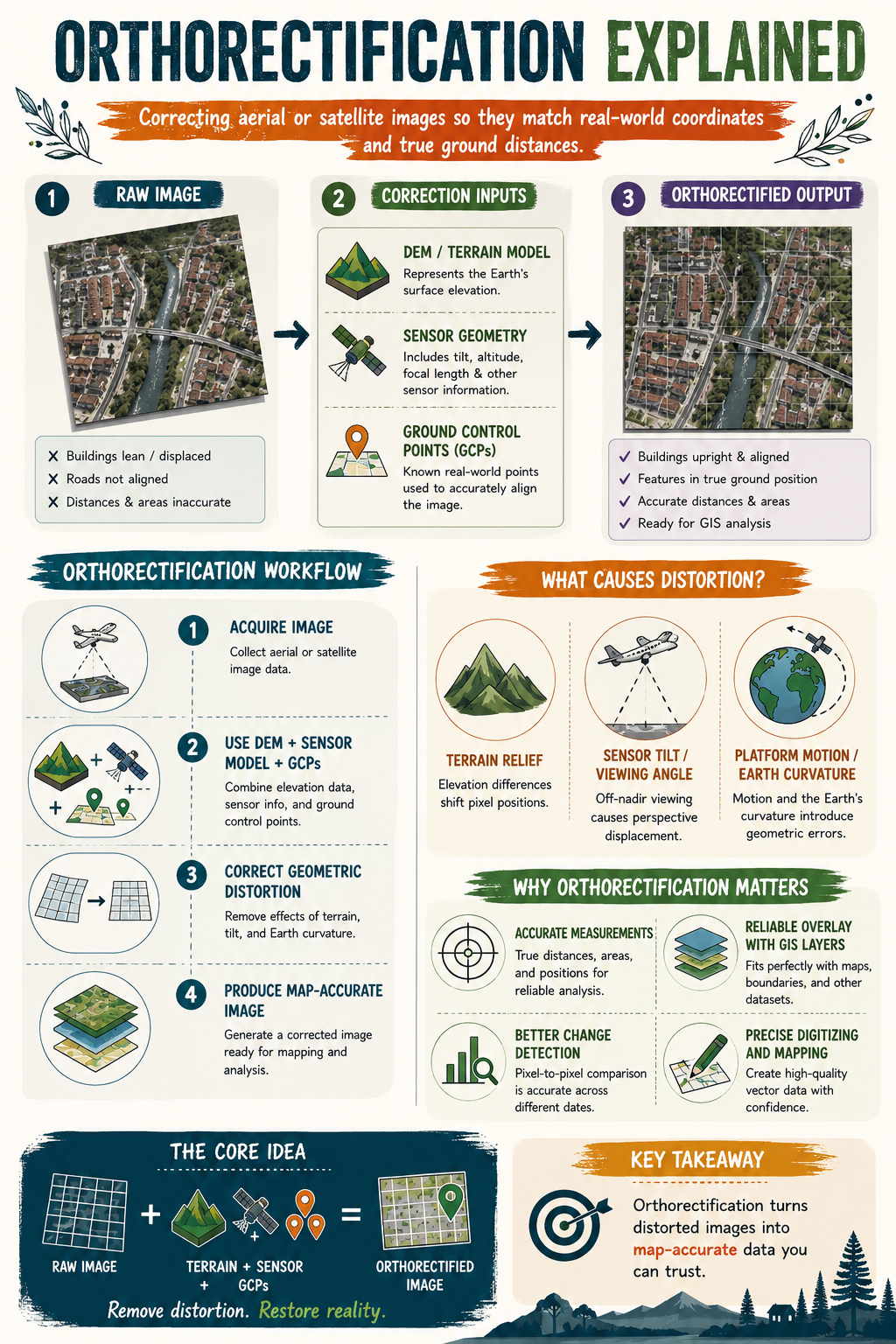
Have you ever looked at a drone or satellite image and noticed buildings appearing to lean, roads looking slightly misplaced, or measurements that just don’t seem right? 

The image may look accurate, but appearances can be deceiving.

Raw aerial and satellite imagery often contains geometric distortions caused by terrain elevation, sensor tilt, viewing angle, aircraft movement, and even the curvature of the Earth. These distortions can affect the true position of features on the ground.

This is where orthorectification comes in.

Orthorectification is the process of correcting aerial or satellite imagery so that every pixel is placed in its true ground location. By combining elevation data, sensor information, and Ground Control Points (GCPs), distorted images are transformed into map-accurate datasets that can be trusted for analysis.

Why does this matter?

✅ Accurate distance and area measurements

✅ Reliable alignment with GIS layers

✅ Better change detection and monitoring

✅ More precise mapping and digitising

✅ Greater confidence in decision-making

A simple way to remember it:

📸 Raw Image + Terrain Data + Sensor Information + GCPs = Orthorectified Image

The next time you use drone or satellite imagery, ask yourself this question:

Am I looking at a picture, or am I looking at a map?

Because in GIS, that difference matters.

#GIS #RemoteSensing #Orthorectification #Geospatial #GISLearning

ANOTHER DAY CONTRIBUTING BEYOND MY OWN UNIVERSITY

ANOTHER DAY CONTRIBUTING BEYOND MY OWN UNIVERSITY

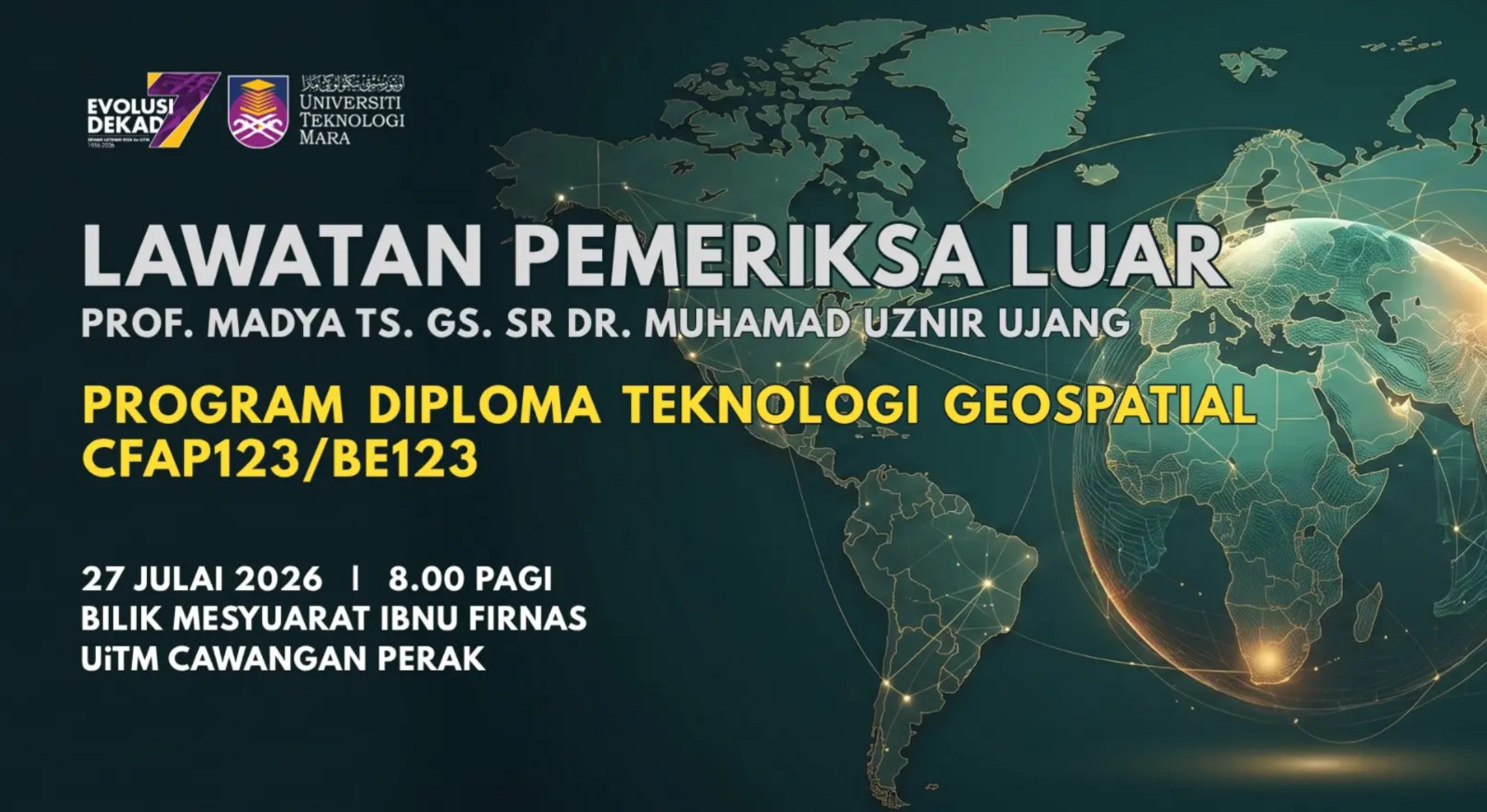
On this date, I carried out my responsibility as an External Examiner for the Diploma in Geospatial Technology programme at UiTM Cawangan Perak.

The session focused on reviewing and strengthening the programme syllabus to ensure that its courses remain relevant to current developments in the geospatial field. We discussed the programme structure, course content, technical competencies, and how emerging areas such as Artificial Intelligence (AI), Big Data, UAV technology, remote sensing, spatial analysis, databases, programming, and modern GIS applications can be better reflected in the curriculum.

Being an external examiner is not only about identifying gaps. It is also about sharing experience, offering constructive recommendations, and helping another institution prepare students with the knowledge and skills needed by academia and industry.

The discussions were detailed, open, and productive. My appreciation goes to the academic team from UiTM Cawangan Perak for their preparation, cooperation, and commitment to continuously improving the quality of the programme.

Academic responsibility sometimes takes us beyond our own classrooms and institutions. The goal remains the same, which is to help strengthen geospatial education and support the next generation of professionals.

#ExternalExaminer #GeospatialEducation #CurriculumReview #AcademicService #GeospatialTechnology

WHAT IF I TOLD YOU THE MOST IMPORTANT PART OF A MAP ISN’T THE MAP ONLY?

WHAT IF I TOLD YOU THE MOST IMPORTANT PART OF A MAP ISN’T THE MAP ONLY?

When people think about GIS, they usually focus on the map.

The roads, buildings, rivers, land parcels, and points of interest get all the attention.

But the real power of GIS often lies somewhere else: the attribute table. 📊

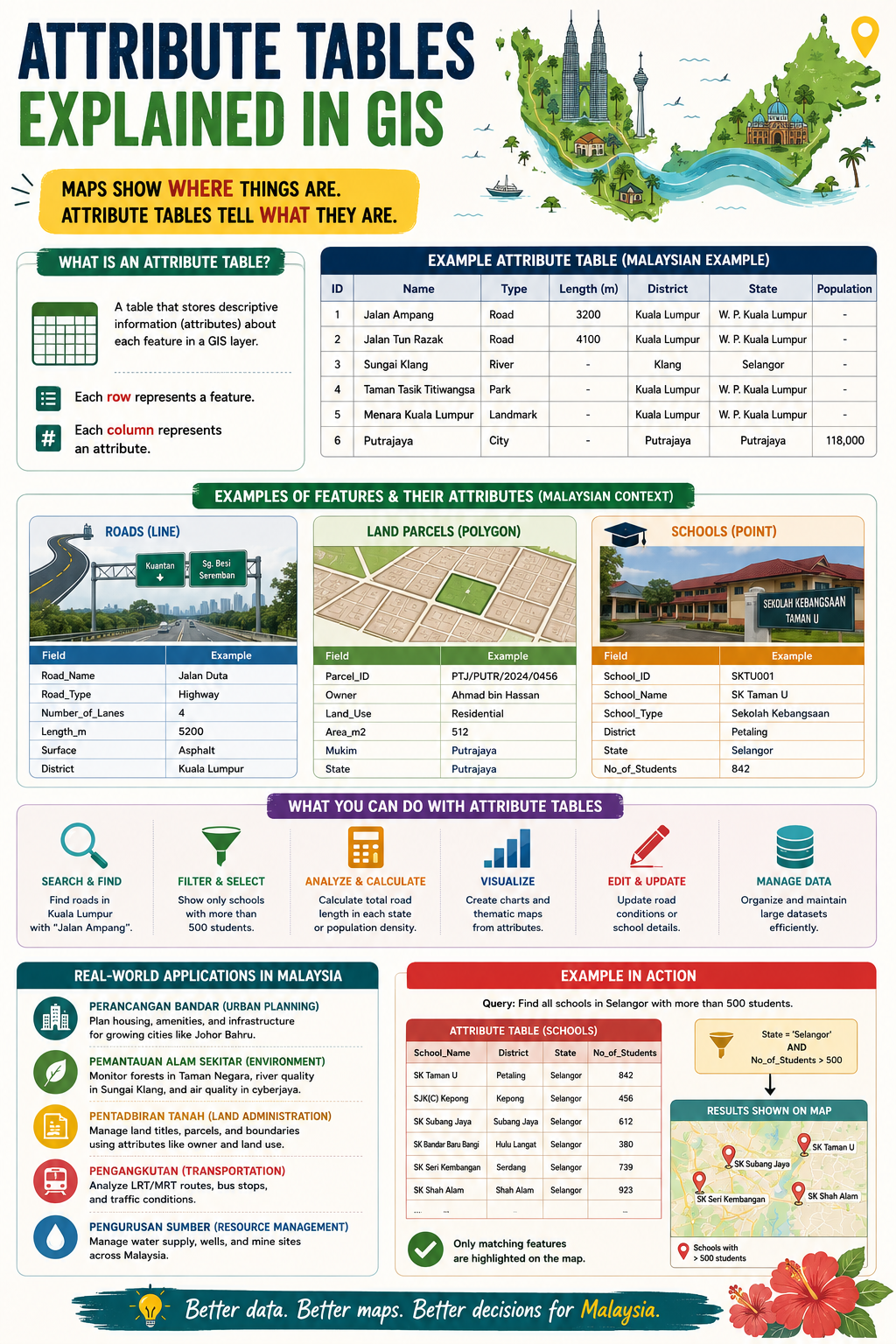
Maps show you where things are.

Attribute tables tell you what they are.

Every feature in a GIS layer has a corresponding record in an attribute table. Each row represents a feature, while each column stores information about that feature.

For example:

🛣️ A road can store its name, type, number of lanes, and length.

🏫 A school can store its name, district, school type, and student population.

🏡 A land parcel can store ownership details, land use, and area.

Without attribute tables, a map is simply a collection of shapes.

With attribute tables, those shapes become meaningful information that can be searched, analysed, filtered, updated, and visualised.

This is what makes GIS such a powerful decision-support tool.

Want to find all schools with more than 500 students?

Want to calculate the total road length in a district?

Want to identify residential parcels in a specific area?

The answers are stored in the attribute table.

A simple way to remember it:

📍 Geometry tells you where.

📊 Attributes tell you what.

The next time you open a GIS layer, don’t just look at the map. Open the attribute table and discover the story behind the data.

After all, better data leads to better maps, and better maps lead to better decisions.

#GIS #Geospatial #SpatialData #GISLearning #Mapping

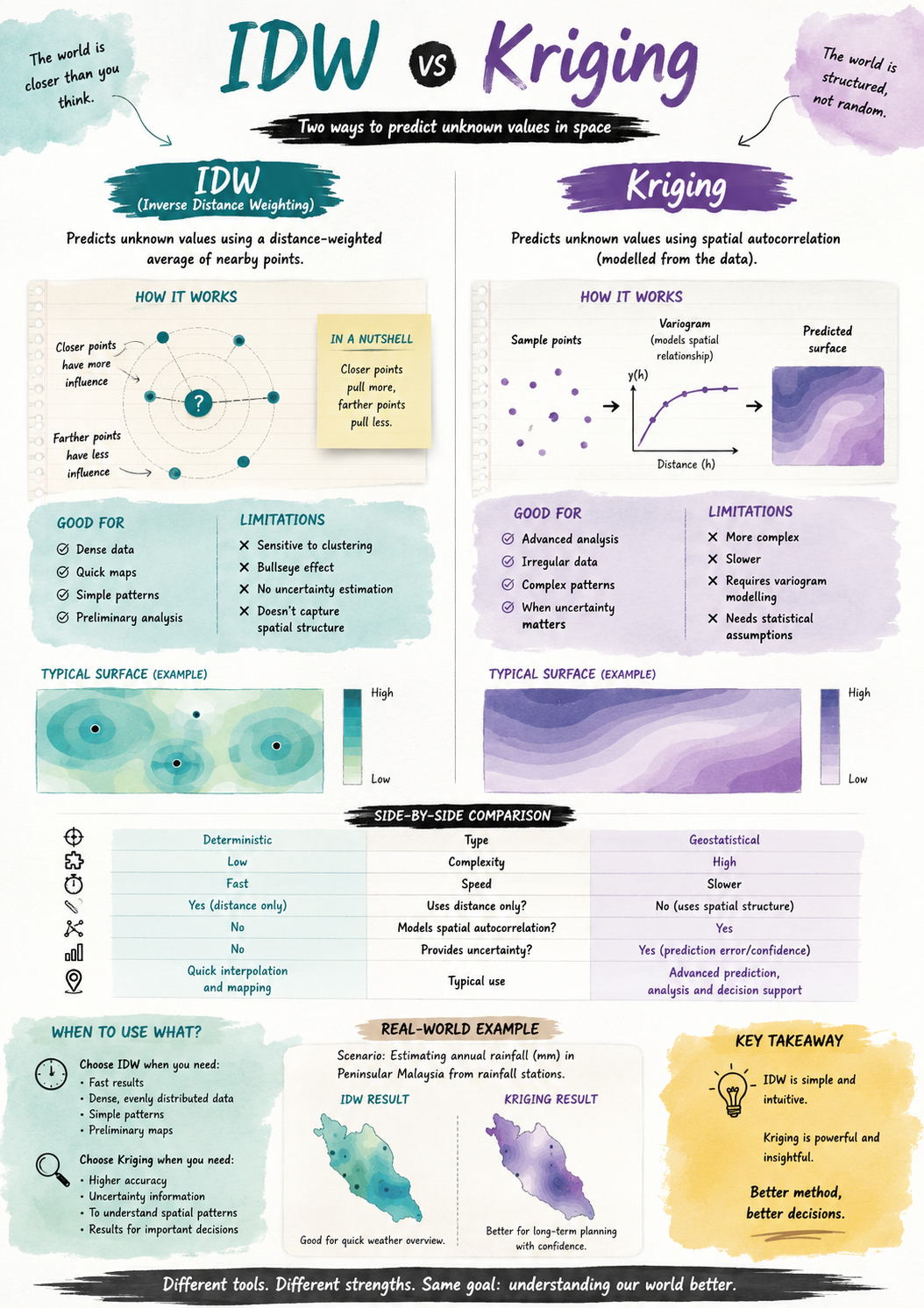
WHICH IS BETTER: IDW OR KRIGING?

WHICH IS BETTER: IDW OR KRIGING?

This is one of the most common questions in spatial analysis and geostatistics.

The answer?

Neither is always better. It depends on your data, your objectives, and the level of accuracy you need. 🤔

Both IDW (Inverse Distance Weighting) and Kriging are interpolation methods used to estimate values at locations where no measurements exist.

The difference lies in how they make those predictions.

📍 IDW assumes nearby points are more similar than distant points.

The closer a sample point is, the more influence it has on the prediction.

Simple. Fast. Easy to understand.

📍 Kriging goes a step further.

Instead of relying on distance alone, it analyses the spatial relationships within the data and models how values change across space.

Smarter. More powerful. More complex.

So when should you use each method?

✅ Choose IDW when:

  • You need quick results
  • Your data is dense and evenly distributed
  • You are creating preliminary maps
  • Simplicity is more important than statistical rigour

✅ Choose Kriging when:

  • Accuracy is critical
  • You need uncertainty estimates
  • Spatial patterns matter
  • Results will support important decisions

A simple way to remember it:

📌 IDW asks: “What are the nearest points telling me?”

📌 Kriging asks: “What pattern is the data revealing?”

Consider a rainfall mapping project.

IDW can quickly produce a rainfall surface from weather station data.

Kriging can do the same, but it also considers the underlying spatial structure of rainfall patterns and provides information about prediction confidence.

That extra insight is often valuable for planning, risk assessment, and environmental management.

The key takeaway?

IDW is simple and intuitive. Kriging is powerful and insightful.

The best interpolation method is not the most sophisticated one. It is the one that best fits your data and your decision-making needs.

Which interpolation method do you use most often in your GIS projects?

#GIS #SpatialAnalysis #Geostatistics #IDW #Kriging