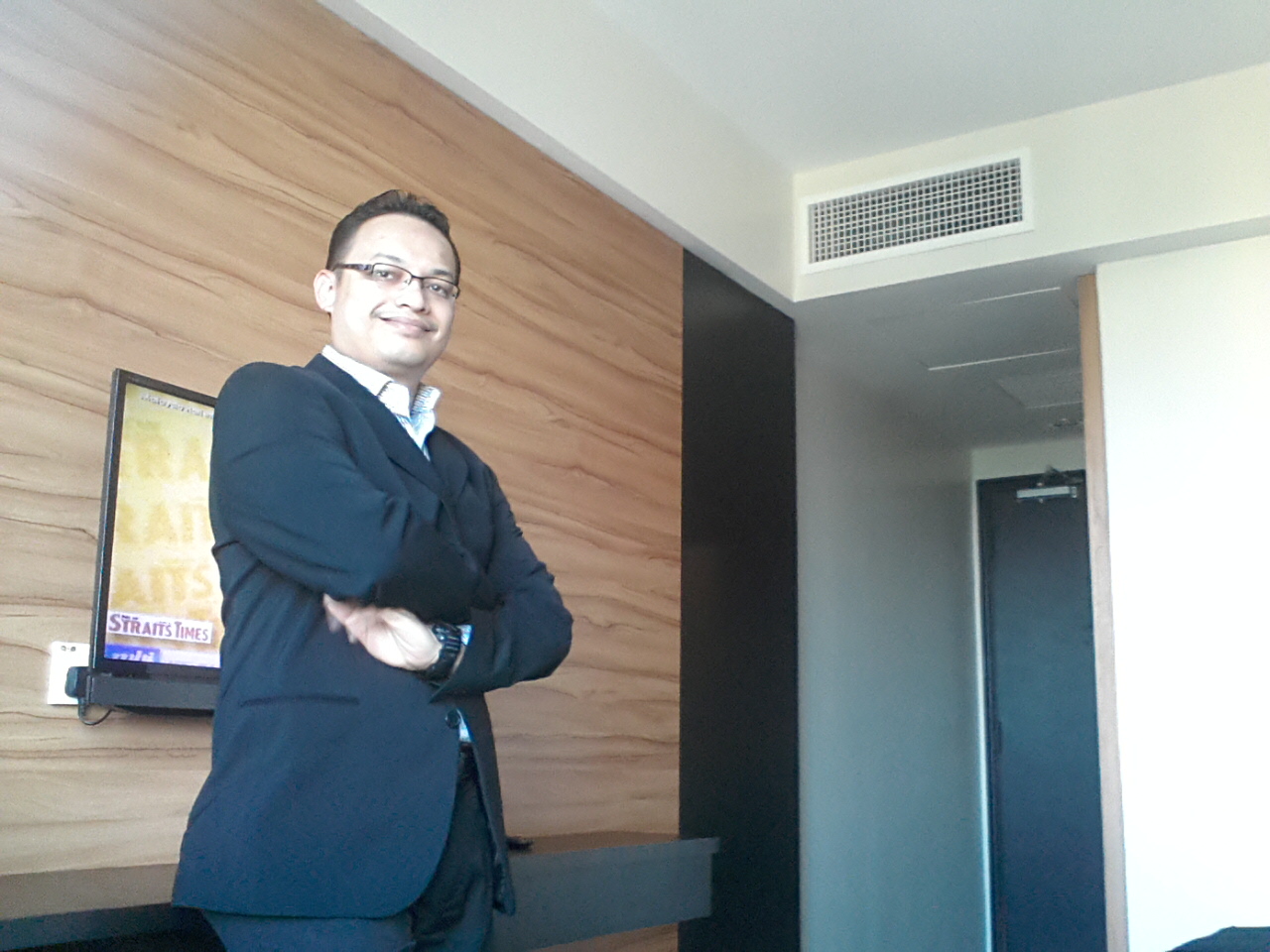
Today marked a vibrant exchange of ideas and innovations at the International Engineering Education Symposium 2025, themed “Sustainability in Engineering Education”, hosted by Ahsanullah University of Science and Technology (AUST), Bangladesh. The symposium brought together esteemed academics, industry leaders, and education experts from across the globe to explore how engineering education can align with sustainable development goals (SDGs) and prepare future engineers for a rapidly changing world.
The day opened with a keynote speech by Professor Mazharul Islam, Director of CES, AUST, who shared a compelling Washington Accord roadmap for achieving the SDG agenda in engineering education. This set the tone for the day — a blend of visionary thought and practical strategies for making sustainability an integral part of the engineering curriculum.
Technical Session 2: A Chair’s Perspective
In the afternoon, I had the privilege of serving as Chair for Technical Session 2, my second time in this role for this very symposium. My first experience was back in 2022, a rather memorable occasion when I chaired the session remotely from my MPV while traveling from Kuantan to Johor Bahru. This time, I was fully immersed in the live session, and the energy in the (virtual) room was just as remarkable.
The line-up of speakers was nothing short of inspiring:
- Dr. James P. Ewen (Imperial College London, UK) explored The Role of Tribology in a Sustainable Future, opening our eyes to the hidden yet critical contribution of surface engineering to energy efficiency and longevity in mechanical systems.
- Prof. Shamsuddin Ahmed (MPE, IUT OIC, Bangladesh) delivered Engineering a Sustainable Future: A Mandate for Education, reminding us that sustainability must be embedded in engineering pedagogy as a non-negotiable core.
- Dr. Taskin Jamal (AUST, Bangladesh) focused on Engineering Education for SDG 7: Advancing a Just Energy Transition in Asia-Pacific, highlighting the importance of equity in global energy strategies.
- Prof. Lal Mohan Baral (AUST, Bangladesh) concluded with Introducing Sustainability in Textile Engineering Curriculum through an International Academia-Industry Collaboration, offering a powerful case study on integrating sustainability into a specific engineering discipline.
As Chair, my role was to facilitate meaningful discussions, keep the session on schedule, and encourage participants to engage with the speakers’ ideas. The exchange was dynamic, participants posed insightful questions, and speakers responded with depth and clarity. The result was an atmosphere of collaborative learning that truly embodied the spirit of the symposium.


Why This Matters
Being part of this event, and having chaired two technical sessions over the years, reinforces my belief that engineering education must constantly evolve to address global sustainability challenges. The speakers’ research and initiatives today showed that sustainability is not a siloed concept; it intersects with mechanical systems, energy policy, education strategy, and industry collaboration.
As the world faces pressing environmental, economic, and social challenges, platforms like this symposium are essential. They not only advance academic discourse but also inspire practical actions that ripple far beyond the conference hall.
Closing Thoughts
The International Engineering Education Symposium 2025 was a testament to the global commitment to sustainable engineering education. For me personally, chairing Technical Session 2 was both an honor and a reminder of the critical role we, as educators and practitioners, play in shaping the next generation of engineers.
I look forward to continuing this journey, perhaps even chairing again in the future, though hopefully from somewhere more stationary than a moving vehicle!
#20242025 Day 040
#Saturday