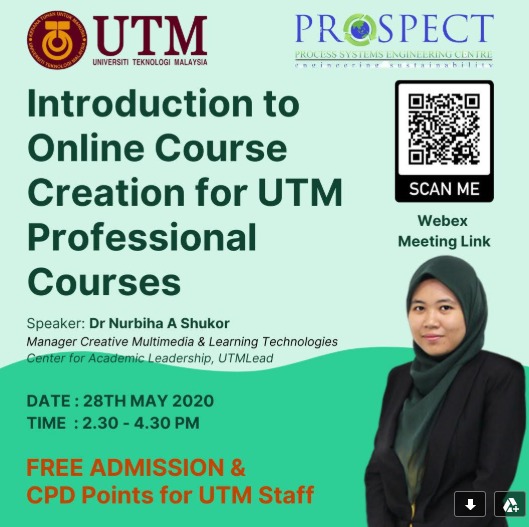
For more information, you can find it HERE and HERE.
Since last March when the MCO was implemented, I have been improvising my class with various challenges that I have to overcome from my part and my students. I can somewhat control how to find the solutions to the challenges that I have to face but I have little control on how to help my students overcome their challenges especially when it comes to the infrastructure or tools that needed for online classroom such as a smart phone or laptop or computer and internet connection.
But with the new normal and as what has been emphasised by the Ministry of Education and UTM, I have to find more alternatives to help my students with no or limited internet connection. I search for alternatives such as Google Drive features (apparently, students can still view and work on Google Docs or Slide offline – HOW? I still need to learn about this feature).
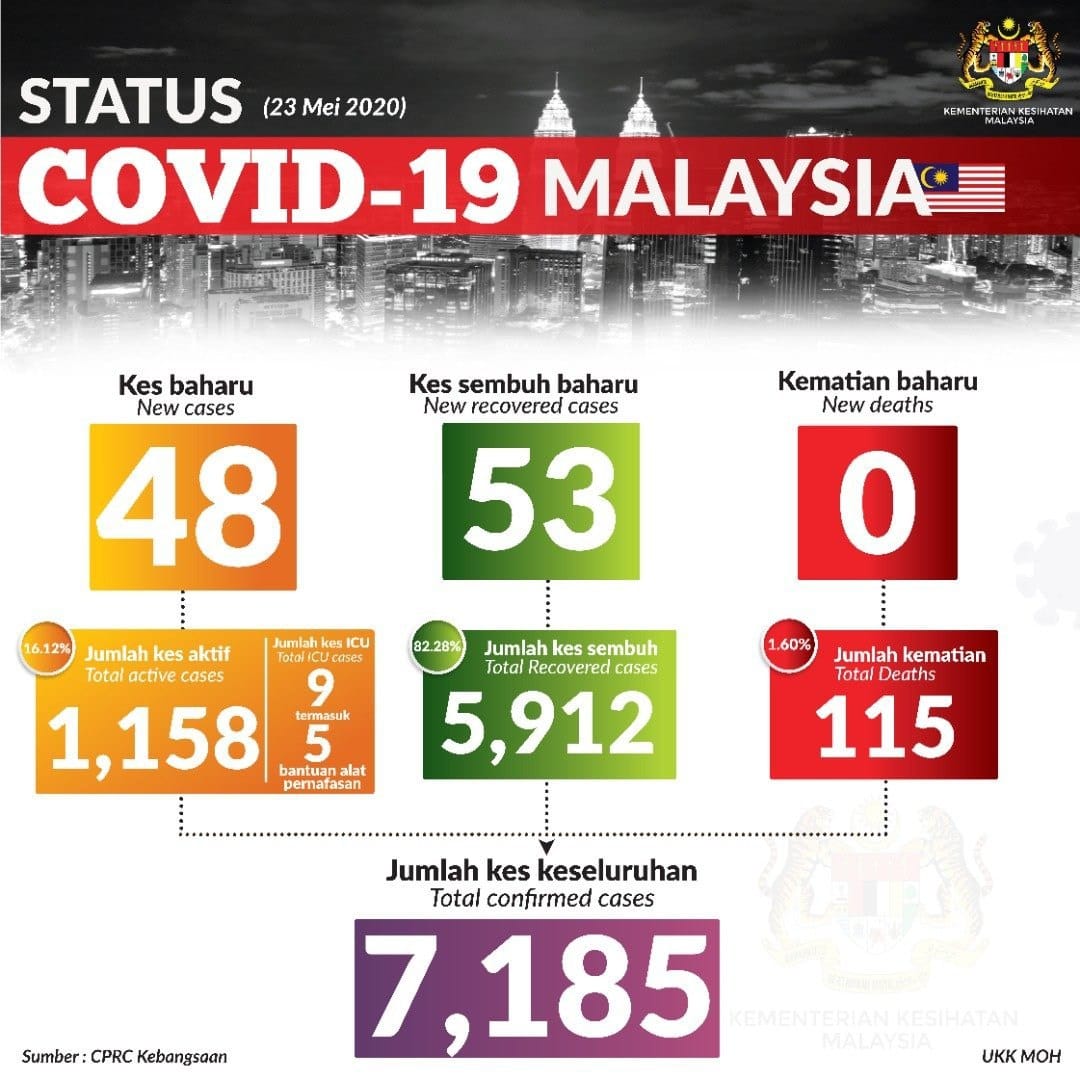
Alhamdullilah. It is the 70th day of MCO. I woke up as usual before Subuh and took a shower with the special niat and wore a normal shirt (it is still new). To some, it is a new normal for them of not able to go anywhere to visit. For me, it is a normal thing of not going anywhere. When my late mom was still around, I would be the one who has to stay at home to care for her. My other siblings would go out to visit relatives and whatsnot.
Since my mom passed away in 2017, this is my 3rd Eid without her. But the routine never changes. Like the past two years, I was not going anywhere. I have to stay at home, just in case there would be people come to visit my family.
Nothing is changed. Everything seems normal to me. A new normal? Well, not for me, at least.
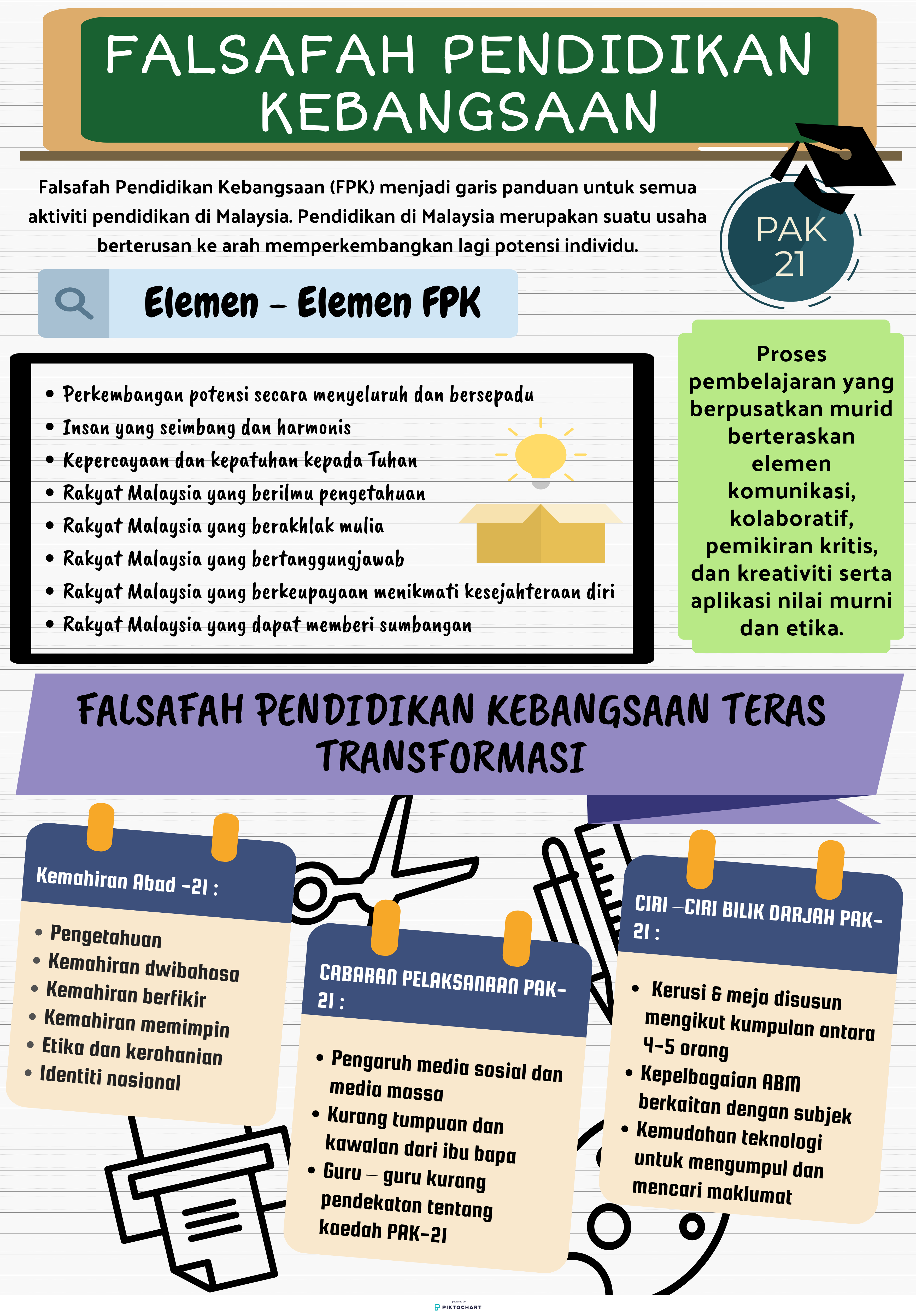
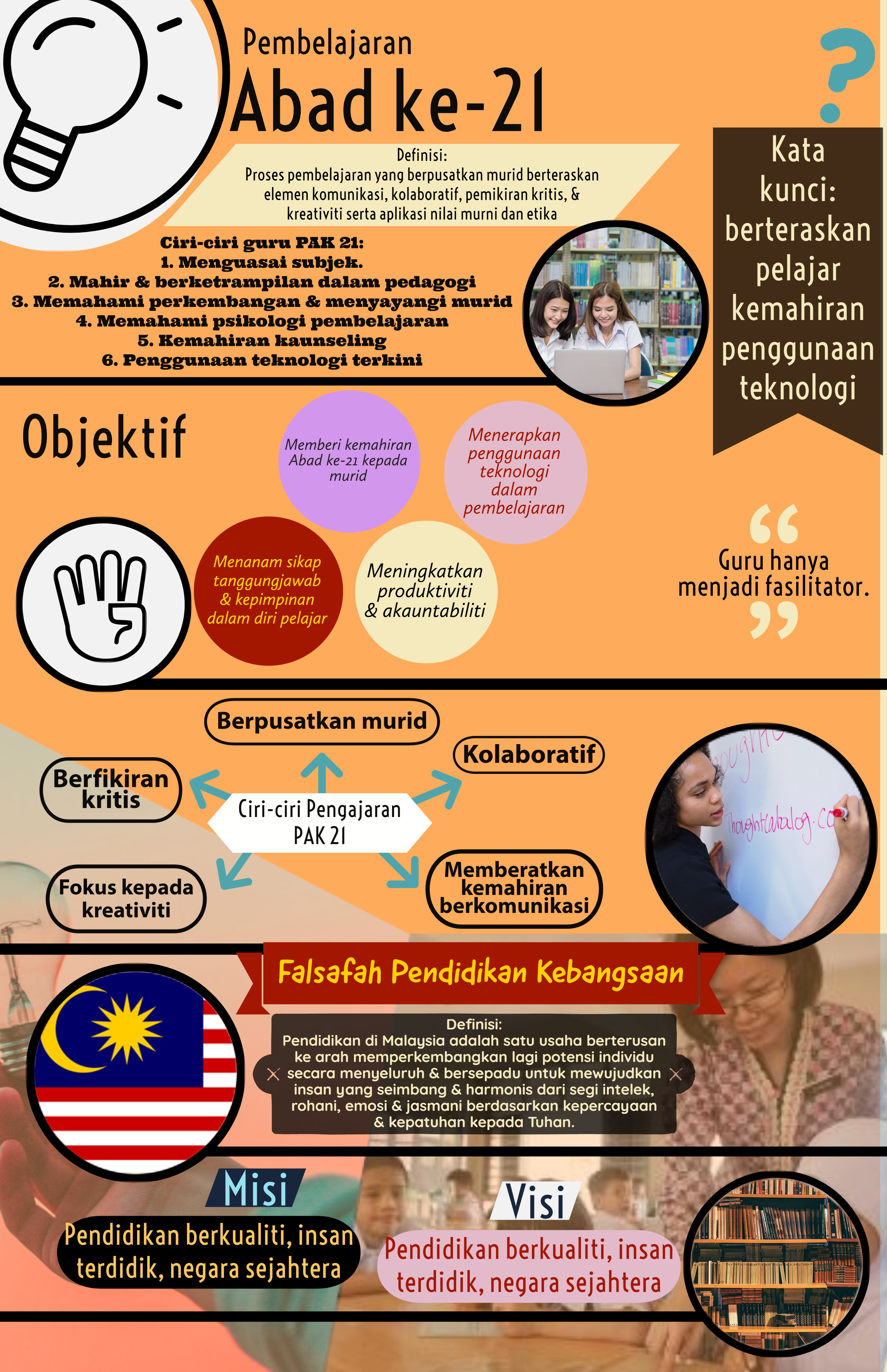
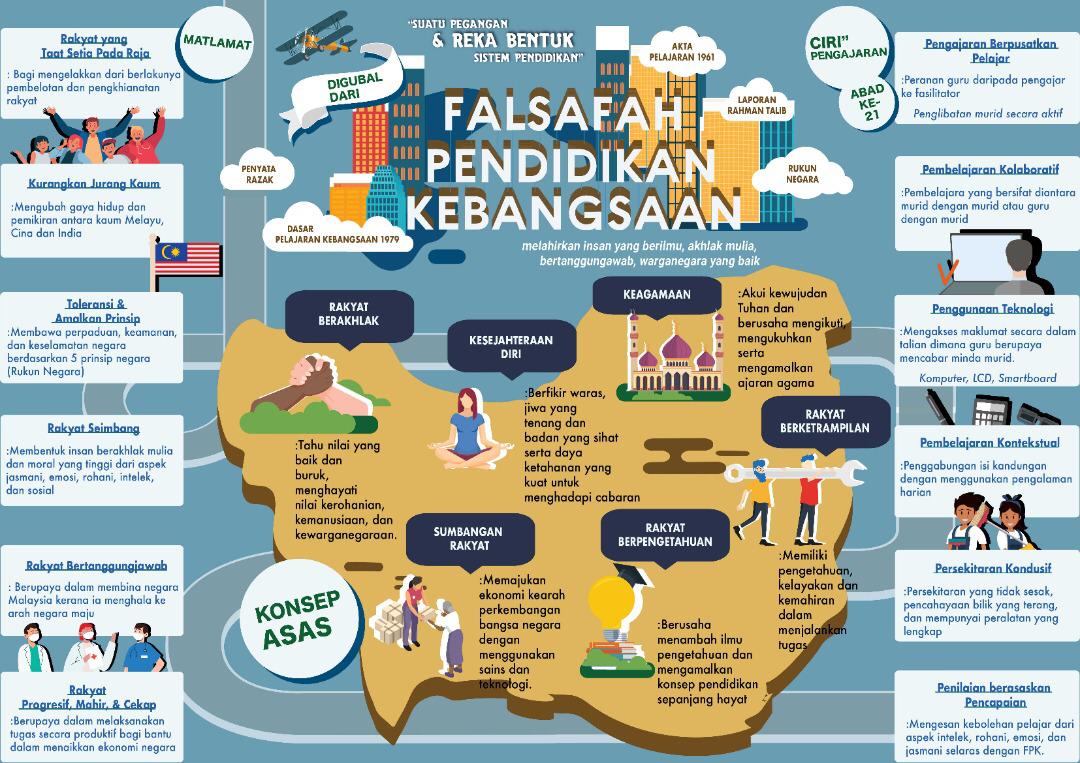
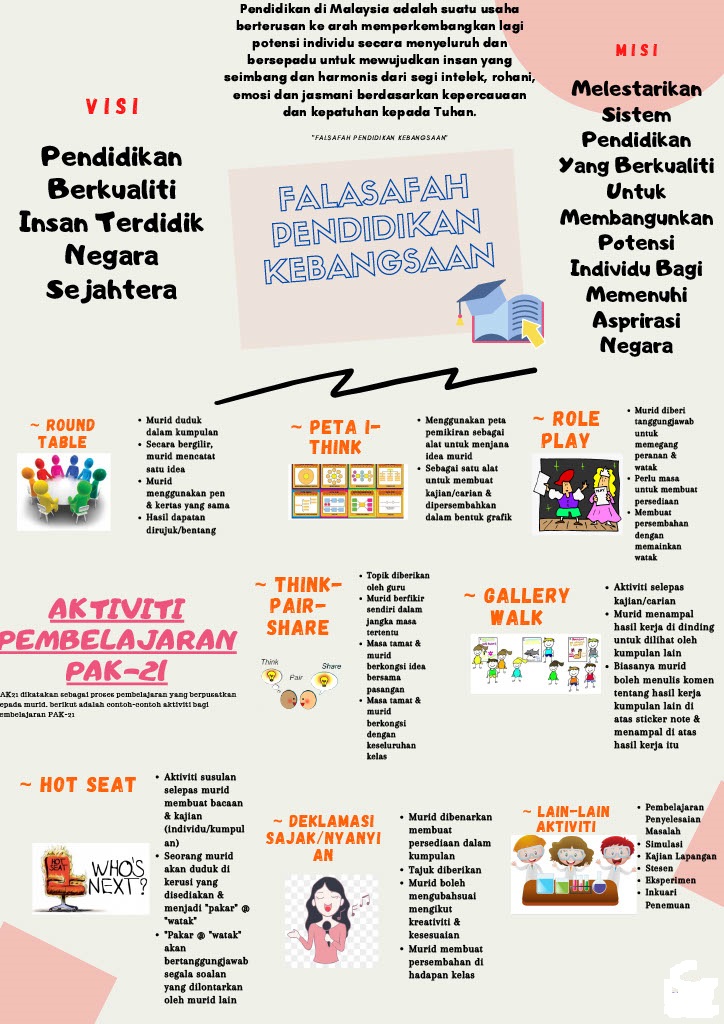
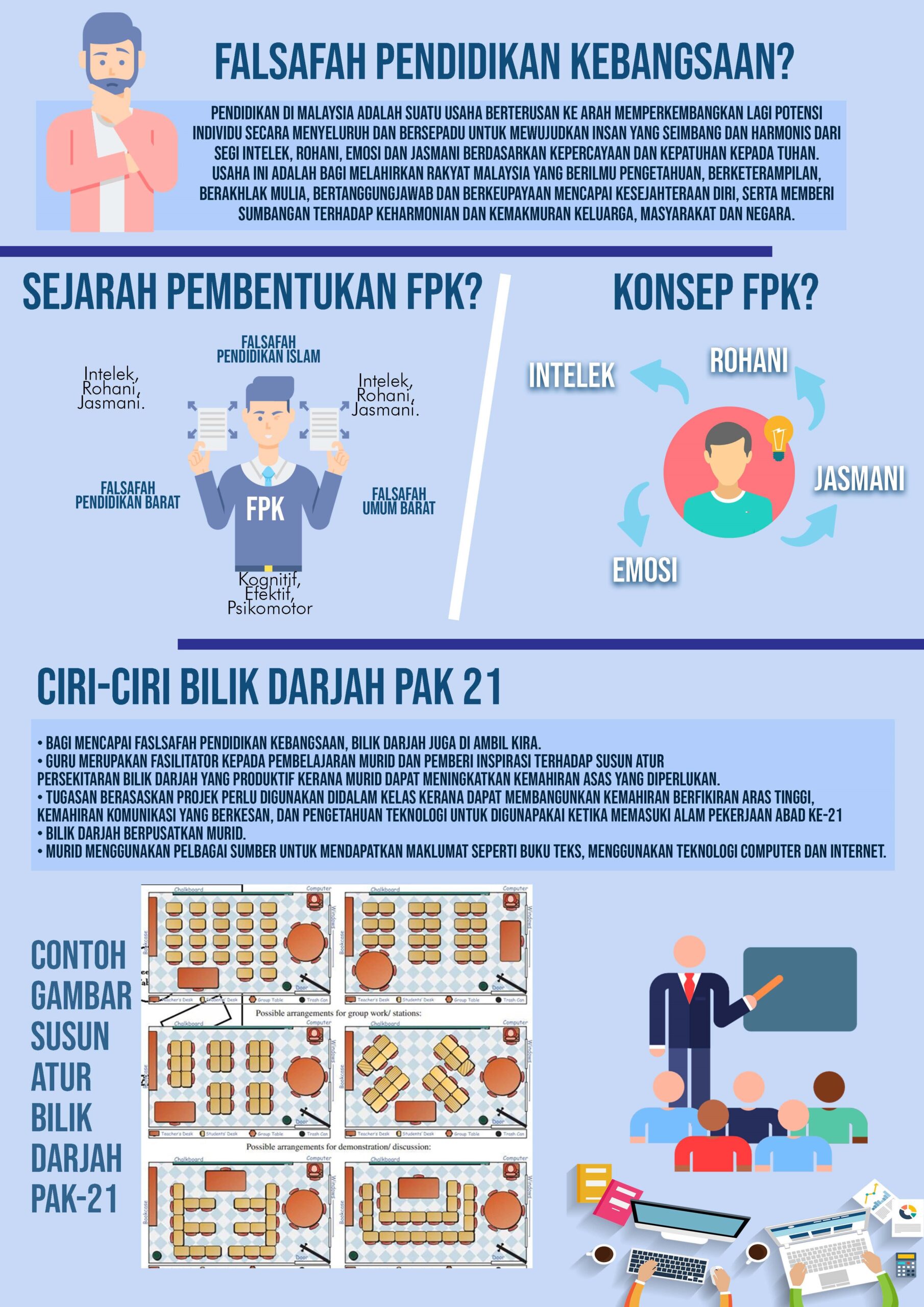
I gave my students an assignment to create an infographic poster. Wow… I am really impressed with them. They use Adobe, Canva and so many other apps and software. Me? I only know how to use Canva but those who have seen my posters, they know that I need to improve and upgrade my skills and techniques. I have a long way to go. Indeed.
These students? They belong to a different league. It is hard to choose which the best. I have my favorite though (tongue in cheek remark). But I let them to vote two posters (not their own). The criteria of evaluation: 1) accuracy of information, 2) interesting design/color, 3) attractive (the Wow factor).
Here are the posters (not rank into any specific order):
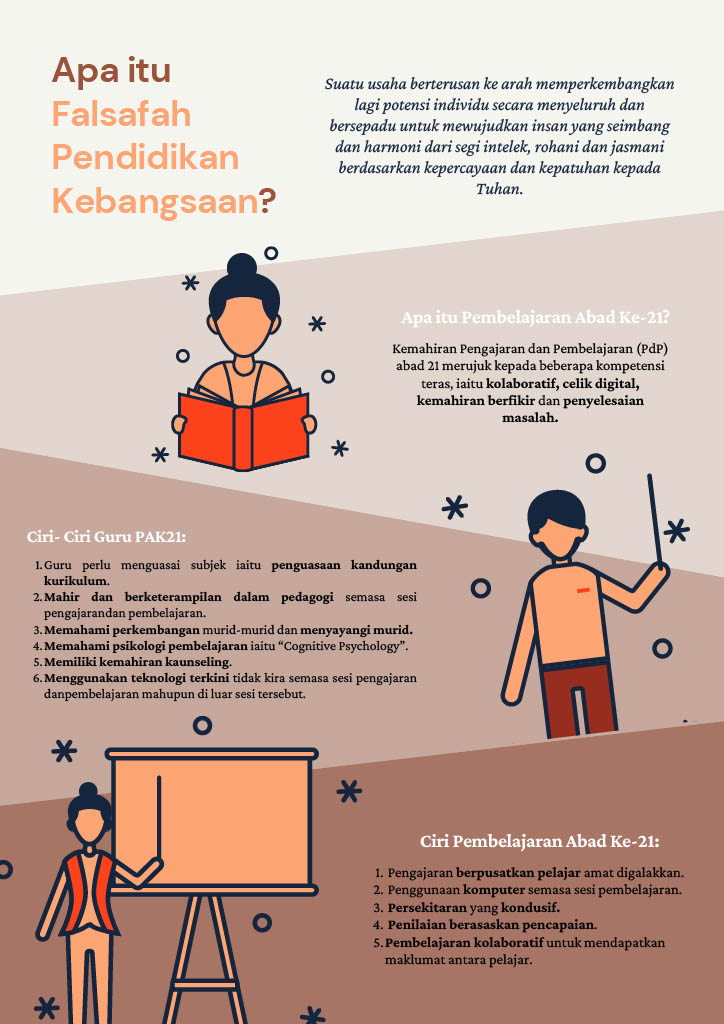
Our chair suggested to have a video for Eid celebration. Normally, we just take a group picture with UTM scenery as our background. That’s it. But since COVID-19, we can no longer have a photo shoot, so we just gave our own pictures instead. The video is HERE.
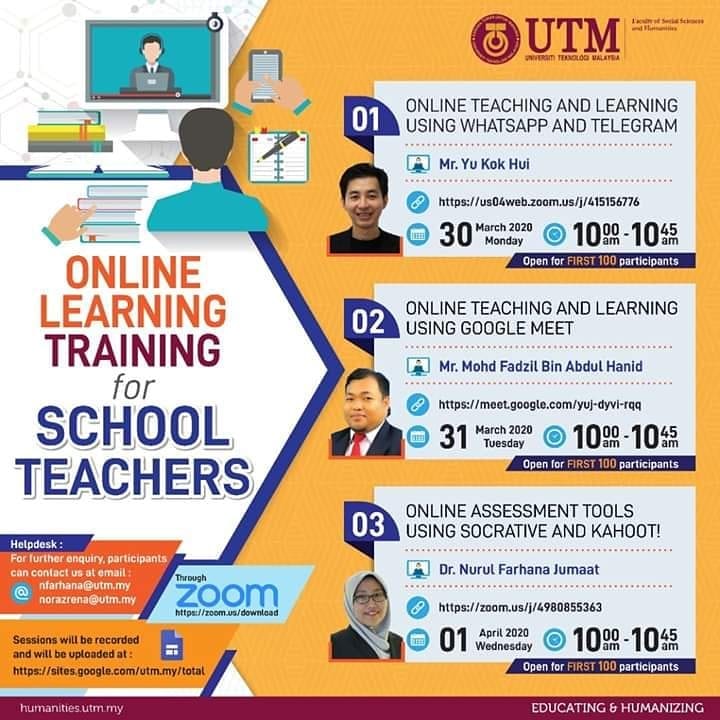
There are so many training courses and workshops provided by UTM since early April. I missed a lot of the courses and workshops because of the stolen cable incident. So, what I do is I ask my colleagues to attend the courses and they share with me what they have learned. But most of the time, I learn on my own at my own pace. I know my own capability to digest information at once especially relating to the technology stuff. One thing at a time. Indeed.
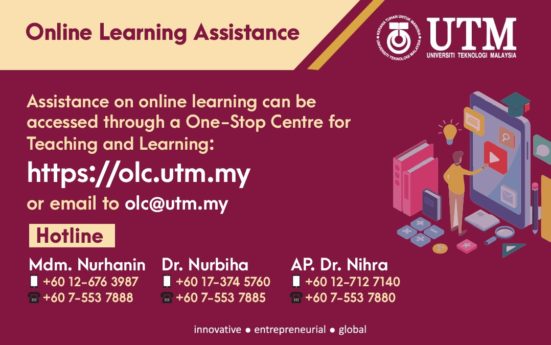
But nevertheless, there is a, official link where I can refer to and find information that I need to improve my skills to teach using online platform.
There are variety of assessments that I give to my students. I always improvise the instructions from time to time based on my own evaluation of my teaching of previous semester and feedback given by previous students. So, this time around since my students can no longer conduct physical face to face presentation due to the MCO, I need to improvise the way they do the presentation. I discuss my predicament with one of my colleagues who is a techno savvy person and she teaches courses on multimedia in education. She gives examples of her own class. It gives me an idea on how to improvise my assignment.
Another colleague suggests that I should look at my rubric when improvising. Do I need to change the rubric or can I still use the same rubric to evaluate? If I change the rubric, I might jeopardise the course learning outcome as I might evaluate students differently because the mode of their report presentation (traditional mode – written and PPT presentation VS video mode). I look at the rubric. Alhamdulillah it does not state anything about the mode of presentation in specific but rather the content and clarity of the presentation of the content. In both modes of reporting, the students need to present orally (and for those who opt for video mode, actually they have to prepare a script – written report in which in this case they don’t have to submit. I can see that some of them were looking down a few times during recording).
So, even if students opt for the first option (traditional mode), they can still get high marks if they are able to present their idea clearly and the content is accurate. Likewise, if students opt for the second option (video mode), they might get low marks if they are not able to present clearly and there are misconception in the content of their presentation. In this case, I am using the same rubric to evaluate both mode of reporting.
So what are the criteria of my rubric? It is based on the programme learning outcome that I want to address for this particular course.
For the communication skills, I divide the criteria into verbal and non-verbal parts. The verbal parts include enthusiasm, elocution and such, whereas the non-verbal parts include poise, fluidity and so forth. Poise can be detected from audio recording (from the tone of voice – the way student speaks whether it is in a hurry, relaxed mode and such). There is also criteria which relates to cognitive aspect such as organisation of information, creativity and subject knowledge.
In short, the criteria in a rubric that I have prepared and given to the students is still the same even though the mode of presentation of the report has changed: written or non-written versions. Alhamdulillah with the unchanged criteria, students are not confused with the expectations of the quality of the assignment that I gave to them.
The current COVID-19 pandemic makes each of us to be teachers. Parents who are not teachers by profession are teachers in which they have to monitor their children learning at home. Monitoring in this case also includes the aspects of providing physical face to face scaffolding to their children, reinforcing behaviour and evaluating their children performance (even though it can be informal, yet it is important to ensure their children are not left behind).
Learning from home can be considered as informal learning (with no school facilities such as labs and teachers physically available). More often than not, parents are caught in the situation where they are unprepared to be teachers. On one side, they replace teachers in a physical sense. Teachers on the other side, still teach the best they could plus giving virtual support that they can provide to students. Yet, we cannot deny that distance learning through virtual mode is not something that can easily be done. Yet, teachers are doing their best to ensure their students will still be able to learn what they suppose to learn in the best condition they could.
There is no one-size-fits-all approach in this case.
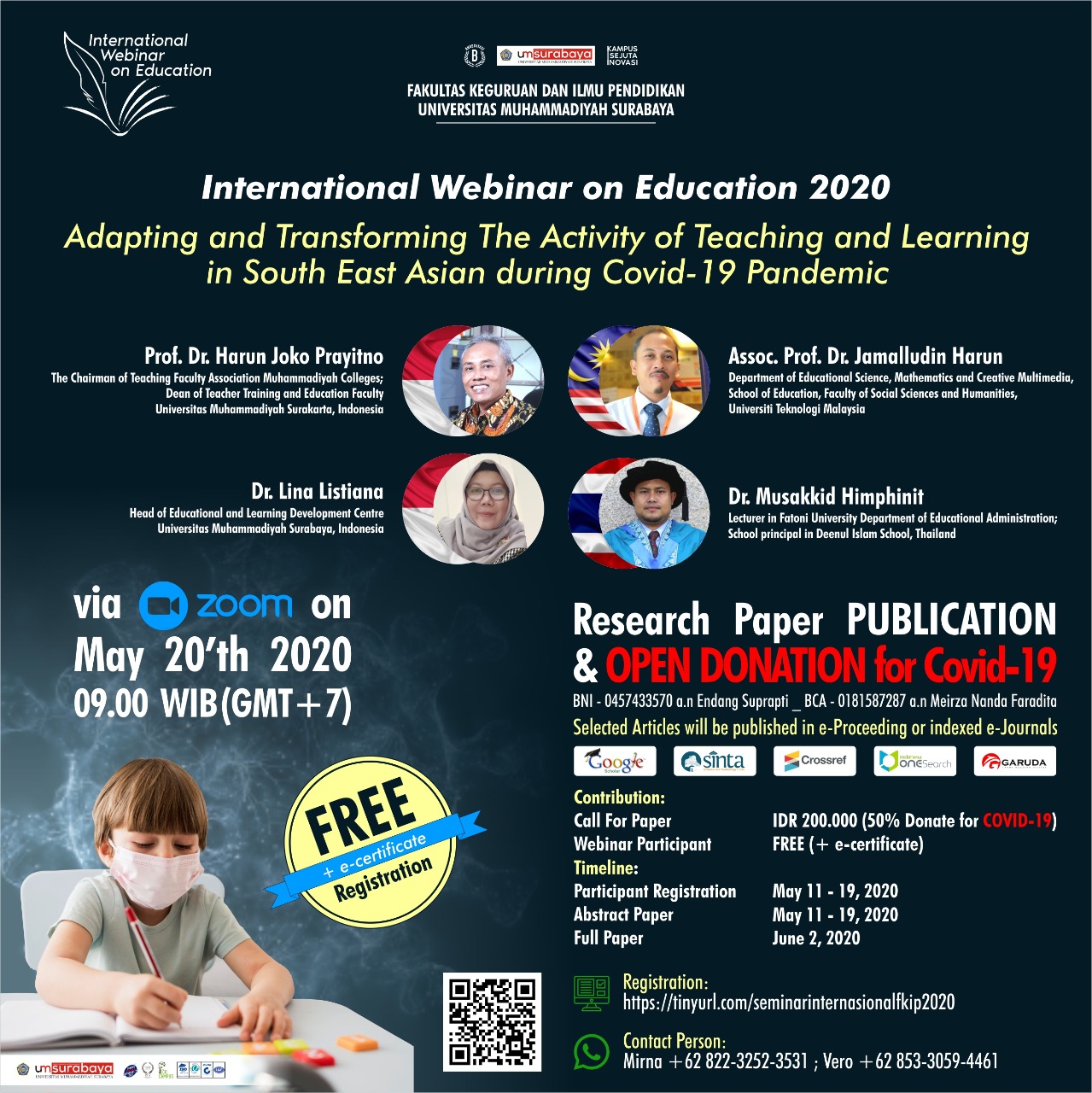
This webinar gave me an opportunity to learn about teaching and learning practice and experience from my colleagues from Indonesia and Thailand in terms of how they conduct their teaching (what are their challenges) during this trying time. But from Malaysia, Assoc Prof Jamaluddin Harun, he shared about UTM practice on online learning.
The COVID-19 pandemic has thrown us into uncharted journeys (why journeys and not journey? Each of us has our own journey). When you think that you are adjusting well to the changes, another set of challenges come and necessitate you to adjust again, be it your plans, aims, goals and such. Adjustment and readjustment process that keeps on occurring is inevitable. No doubt that many of us are struggling with current event. But it is really important to help each other, stay calm and vigilant, be responsible and sane during this trial time. I don’t know which is the hardest part to do but whatever it is, seek Allah guidance and just do it.
I got this video from one of my friends entitled “15 ways that Malaysians did the impossible”. This makes me proud to be a Malaysian.
