FSSH Adjunct Professor Lecture Series: Dato’ Freida Mohd Pilus

I could not attend the FB live session as I had to attend a briefing by Yayasan Inovasi Malaysia (YIN).  So, I watched the recorded video on Youtube.  What could I say other than “Wow”.  She is the epitome of resilience, elegance and intelligence.   From a mother’s wish to give the best education to her five children, she embarked on a journey to establish a private school in 1983 which might be considered as a brave endeavor.

She is 73 years old this year and does not look like one.  Her passion on teaching is displayed throughout the session.  With twinkling in her eyes, she answered questions posed by audiences without missing a beat and kept herself poise as always.

I don’t know if I can be like her.  To have such strong determination and perseverance to achieve her dreams without losing hopes.  But I notice that she emphasizes several key points through examples.  Among the key points that are being emphasized are: working hard, be passionate about what you do, believe in your dreams and not losing hopes easily when things are the hardest.  Something that I could not miss.

I would try to emulate her and hope one day I could pass her wisdom to others.

FSSH Adjunct Professor Lecture Series: YBhg. Datuk Dr Habibah Abdul Rahim

Malaysia Education Blueprint 2013-2025:….. Examining the journey thus far

Key points:

  • Challenges due to unforeseen event i.e. COVID-19 pandemic prompt teachers, parents and students to adjust to the new norms.  It is not easy to ensure the practice of physical distance yet learning has to happen no matter what.  It prompts all respective parties to use digital learning to the max.
  • The priorities of education would always have to be translated into action regardless of whatever event that could derail the progress of learning at institutions level (schools and higher education institutions).
  • Malaysia Education Blueprint set the stage of where our education is heading forward but we have to understand the current performance and challenges of education system, establish a vision and aspirations for the system and students and outline the transformation program for the system.
  • Outlining the current blueprint is not about just preparing the document but how we would deliver the vision and aspirations (policies) at various levels through dedicated teams.
  • There are 11 key shifts to achieve aspiration (refer to the first 4 chapters in the blueprint): access, quality, equity, unity, efficiency, empower, ICT, transform (accountability), partnership, budget, transparency
  • Rigorous monitoring process: with KPIs, charters and budgeting to ensure continuous supports are delivered and accountability to be assured.
  • 2-12% of students are not in schools for various reasons and yet, there are various attempts, efforts and programmes have been and are being delivered.
  • Access to technical and vocational education is one of the main agenda = to enhance technical skills among students
  • Address the issue of transitioning and dropping out especially among the most disadvantaged i.e. students from Orang Asli community (the rate of completion is still low)
  • New assessment i.e. UPSR and such somehow poses another challenge to improve and bridge the gap of dropping out and school completion among students especially the disadvantaged.
  • Participation in STEM subjects especially in pure sciences subjects has been steadily declined over the years especially as students pursue their education at higher level i.e. post secondary education.  1/5 of students who originally from pure science stream would going to further their study in pure sciences field at post secondary education.
  • The quality of education system would not exceed the quality of teachers.  The quality of education depends on the quality of teachers.  Thus, it is important to ensure we provide the best training teacher education to pre-service teachers.  450k teachers (young teachers) are currently work as teachers in Malaysia and to enhance proficiency in English based on the alignment of CEFR.  For the time being, it is only meant for English teachers.
  • Digital competency among students (primary and secondary) is skewed in which those who go to schools equip with good ICT facilities would have better digital competency.
  • The ecosystem within the school is related to students’ competency on digital skills.

  • Zero Reject Policy is in motion with various programmes such as programmes for special needs students, programmes for children of migrants or asylum seekers, ziarah cakna and such.
  • The emphasis on the results is still prevalent in Malaysia.  We often ask “How many As do you get?” rather on the question “What have you learned over the 11 years of schooling?”
  • The societal value (in Malaysia) makes it a challenge to change the current practice in which teachers still practice “teaching to the test” i.e. teachers teach what would be “appeared” in the examination.
  • School completion requires students to have minimum expected skills and knowledge as set by the Ministry of Education (education system) to ensure our future generations would be future proof to face 4IR challenges.
  • Selection of those undergoing teaching training programmes has been improved and also, there are continuous programmes given to current teachers to enhance their teaching practice.
  • School leadership is the 2nd biggest factor influencing students’ learning after teachers’ instructional delivery.  Thus, it is important to emphasise on the preparation of instructional planning and delivery than administrative aspects.
  • COVID-19 has given impacts on society at various levels especially the most affected are the vulnerable (the disadvantaged).
  • DELIMa (Digital Educational Learning Initiative Malaysia) is a culmination of efforts from the ministry along with Google, Microsoft and Apple.  Yet, it is all go back to the issues of teachers and students’ preparedness in online learning, digital divide and connectivity as well as providing support to the most vulnerable including students with disability.
  • The accuracy of information and speed of information delivers from various parties to different levels of parties.

Hasan Langgulung

Someone asked me if I was Pak Hasan’s student.  Pak Hasan is a nickname that we (his students) fondly use to call him.  His real name is Hasan Langgulung.  He passed away in 2008.  Al-fatihah.

When I was his student in 2003, he was already nearly 70.  He used to go swimming before Zuhr with a colleague.  I used to see him waiting with his sport bag nearby the car park of IIUM Kulliyyah of Education (now it is known as Institute of Education or INSTED).

What I vividly remember until now is, there were six of us taking his Personality Psychology class.  Each of us had to present three times.  Yup.  With only six students in a class, what do you expect?  Our presentation would be based on either article review or our thoughts on Western and Islamic views of Personality.  For the Islamic views, we have to pour over the Holy Qur’an and such.  Of course, there is no direct comparison between theories by the western scholars with Islamic scholars like Al-Ghazali. But, it prompted us to think critically.  Talk about HOTs and whatsnot.  Well, it has been practiced long time ago before OBE and whatsnot.

Another thing that I remember well is there would be one of us who would go to his room before class and this person would walk with Pak Hassan to class.  While walking, this person would have the privilege to have a chat with Pak Hassan.  Normally, the male students would do it.  Or if we wanted to do it, there would be two of us female students who would “on a pretext of having something-to-discuss-with-you” go to his room and walk with him to class after our discussion.  Such a precious moment!  Of course, we could not do that with other lecturers but with him, he is like a father who we could discuss about intellectual stuff.

Calling him Pak Hasan rather than Professor (even though his official salutary title is Professor) shows the kind of relationship that we had as student-teacher.  Oh how I miss those moments!  Do I wish that I could have such relationship with my own students?   That is a question that I do not have any answer yet.


Program Kerohanian FSSH bagi Siri 22: Kemuliaan memberi dengan Ikhlas – Surah Al-Baqarah, Ayat 265-269

Tarikh / Hari     :      10 September 2020 (Khamis)
Masa                     :      8.15 pagi
Pembimbing    :      PM. Dr. Ahmad bin Che Yaacob
Tajuk                     :      Kemuliaan memberi dengan Ikhlas  – Surah Al-Baqarah, Ayat 265-269
Intipati ayat Surah Al-Baqarah
Ayat 265-269
  • Allah SWT menggunakan analogi orang yang ikhlas memberi seperti ladang atau kebun di tempat yang tinggi (selalunya tiada sungai atau sumber air), yang ditimpa hujan lebat, lalu mengeluarkan hasilnya dua kali ganda.  Dengan hujan itu, ladang itu dapat menghasilkan buah yang banyak.
  • Syaitan sentiasa memujuk untuk kita tidak memberi sumbangan.  Akan tetapi kita perlu melatih diri untuk mempunyai pendirian yang teguh untuk tetap memberi
Ayat 266
  • Allah SWT menggunakan analogi orang yang tidak ikhlas atau tidak mahu memberi seperti ladang yang mempunyai pokok yang pelbagai dan terdapat sungai yang mengalir, tetapi akan datang ribut taufan yang memusnahkan ladang itu dan akhirnya ladang itu tidak berhasil.

Ayat 267

  • Sekiranya ingin memberi sesuatu, tidak boleh dari sumber yang haram seperti barang haram, dari riba’ dan sebagainya.
  • Sumbangan perlu dari sumber yang halal dan dalam keadaan terbaik.  Contoh: Jangan beri baju-baju yang terkoyak untuk disumbang atau makanan yang hampir basi atau tidak elok untuk dimakan.

Ayat 268

  • Syaitan akan sentiasa menakut-nakutkan dengan kemiskinan dan kepapaan dan akan sentiasa menggalakkan pekerjaan keji.

Ayat 269

  • Allah berikan kebijaksanaan/hikmah (wisdom) kepada sesiapa yang dikehendakinya.  Sesiapa yang diberikan hikmah akan dimendapat kebaikan (ganjaran) yang banyak.

Example of CQI for OBE CAR: Based on CLO

This is an example of CQI that I wrote for the courses that I teach this semester (Semester 2, 201920) based on Course Learning Outcome (CLO).

CLO1: One student failed to submit the final examination (take home examination).  There other students who seem to struggle to link concepts relating to various theories of personality with life events.  It perhaps due to misconceptions or overloaded information that they have to digest within shorter period of time especially if they do not have continuous revision on their own.  So, students will be guided to have continuous revision through weekly online quizzes which will prompt them to revise consistently.

If I can break down the above CQI reporting based on three things: 1) Analysis of data, 2) Areas for improvement and 3) Action plan, you will see that I organise the sentence structure according to such order.

1) Analysis of data,

One student failed to submit the final examination (take home examination).  There other students who seem to struggle to link concepts relating to various theories of personality with life events.

2) Areas for improvement 

It perhaps due to misconceptions or overloaded information that they have to digest within shorter period of time especially if they do not have continuous revision on their own (in this sentence, I believe one of the areas for improvement is continuous revision.  So, I highlighted this aspect which I will take action in the future).

3) Action plan,

So, students will be guided to have continuous revision through weekly online quizzes which will prompt them to revise consistently.

Example of CQI for OBE CAR: Based on PO

This is an example of CQI that I wrote for the courses that I teach this semester (Semester 2, 201920) based on Programme Outcome (PO).

PO1: In general, with PO1 = 87.5%, it shows that on average students get above average mark (A range).  It seems that students performance for this PO is better than the previous semester (PO1 = 79%).  What is different in this semester is students are forced to be more independent in their learning due to COVID-19.  With support from the instructor for class notes (Prezi, Powerpoint notes with audio recording), extra ungraded quizzes (that they can take and convert into their carry marks for quiz = 10%) and such, students are scaffolded accordingly regardless of the limitations or challenges that they might experience throughout the Movement Control Order (MCO).  In the future, students will be given continuous formative assessment such as online quizzes which are non-graded assessment to assist students to revise and identify which concepts that they are still struggling with.

If I can break down the above CQI reporting based on three things: 1) Analysis of data, 2) Areas for improvement and 3) Action plan, you will see that I organise the sentence structure according to such order.

1) Analysis of data,

In general, with PO1 = 87.5%, it shows that on average students get above average mark (A range).  It seems that students performance for this PO is better than the previous semester (PO1 = 79%).  What is different in this semester is students are forced to be more independent in their learning due to COVID-19 [in this sentence (italic) is a personalised insight based on what I observe for this particular cohort]. 

2) Areas for improvement 

With support from the instructor for class notes (Prezi, Powerpoint notes with audio recording), extra ungraded quizzes (that they can take and convert into their carry marks for quiz = 10%) and such, students are scaffolded accordingly regardless of the limitations or challenges that they might experience throughout the Movement Control Order (MCO).

3) Action plan

In the future, students will be given continuous formative assessment such as online quizzes which are non-graded assessment to assist students to revise and identify which concepts that they are still struggling with.

How to write CQI for OBE CAR?

How to write Continuous Quality Improvement (CQI) for Outcome based Education Course Analysis Review (OBE CAR )?  That is the question that I asked myself few years back.  Being a novice, I struggle to find out what is needed for me to improve my teaching.  So, I did some reading and after that, I just do whatever I think is suitable and appropriate for me to improve my teaching based on my reading.  Sometimes, I discuss with my senior colleagues about how to improve my teaching, asking them to review my rubrics, assignment instruction and such.

For the CQI, it is basically based on what I did, do and plan to do in class.  It is really as simple as it it.  Pssttt…. of course passion for teaching is one of the key ingredients in this case.   Another thing is, since it is our own teaching practice, we have to be honest in reporting what we did and do in class.  I have seen some examples of colleagues who “borrow” the idea of teaching practice from looking from others CQI report and in fact, they don’t even practice that in their teaching or class.  So, it is not right to do so just for the sake of reporting.

In my case, based on what I did and do in class, when I write the CQI for OBE CAR, I will look at the programme outcomes (PO) and course learning outcomes (CLO).  So, my CQI will be based on that.

In the column where it is required for us to write an overall CQI, I will summarise what I find (based on data i.e. students performance), what I did in class that can be improved (class activities, tasks given to students etc.) and what I want to do in the future.

So, basically, I will put it under these three headings:

1) Analysis of data (What do I find from this cohort of students?)

2) Areas for improvement (What did I do in class that can be improved?)

3) Action plan (What are the things that  I want to do in future and how to do it?)

For more details, I provide

* an example of CQI based on PO and

* an example of CQI based on CLO. 

Am I becoming a Youtuber?

It is never in my wildest dream to be a Youtuber.  Nope.  But with COVID-19, I was challenged to learn new skills or to upskill my existing knowledge and skills.  I was feeling hopeless, helpless and frustrated with myself.  Indeed.

But, I take a baby step.  Some of the video editing is learned from training.  But I also learn from watching countless hours from Youtube.  I follow the tips and step by step process.

Here are some of the videos that I have created so far

  1.  Think-Pair-Share (Moovly)
  2. Sternberg’s theory of intelligence (Moovly)
  3. Cattell’s theory of intelligence (Moovly)
  4. Thurstone’s theory of intelligence (Powtoon)

Poster… poster….

I gave my students an assignment to create an infographic poster.   Wow… I am really impressed with them.  They use Adobe, Canva and so many other apps and software.  Me?  I only know how to use Canva but those who have seen my posters, they know that I need to improve and upgrade my skills and techniques.  I have a long way to go.  Indeed.

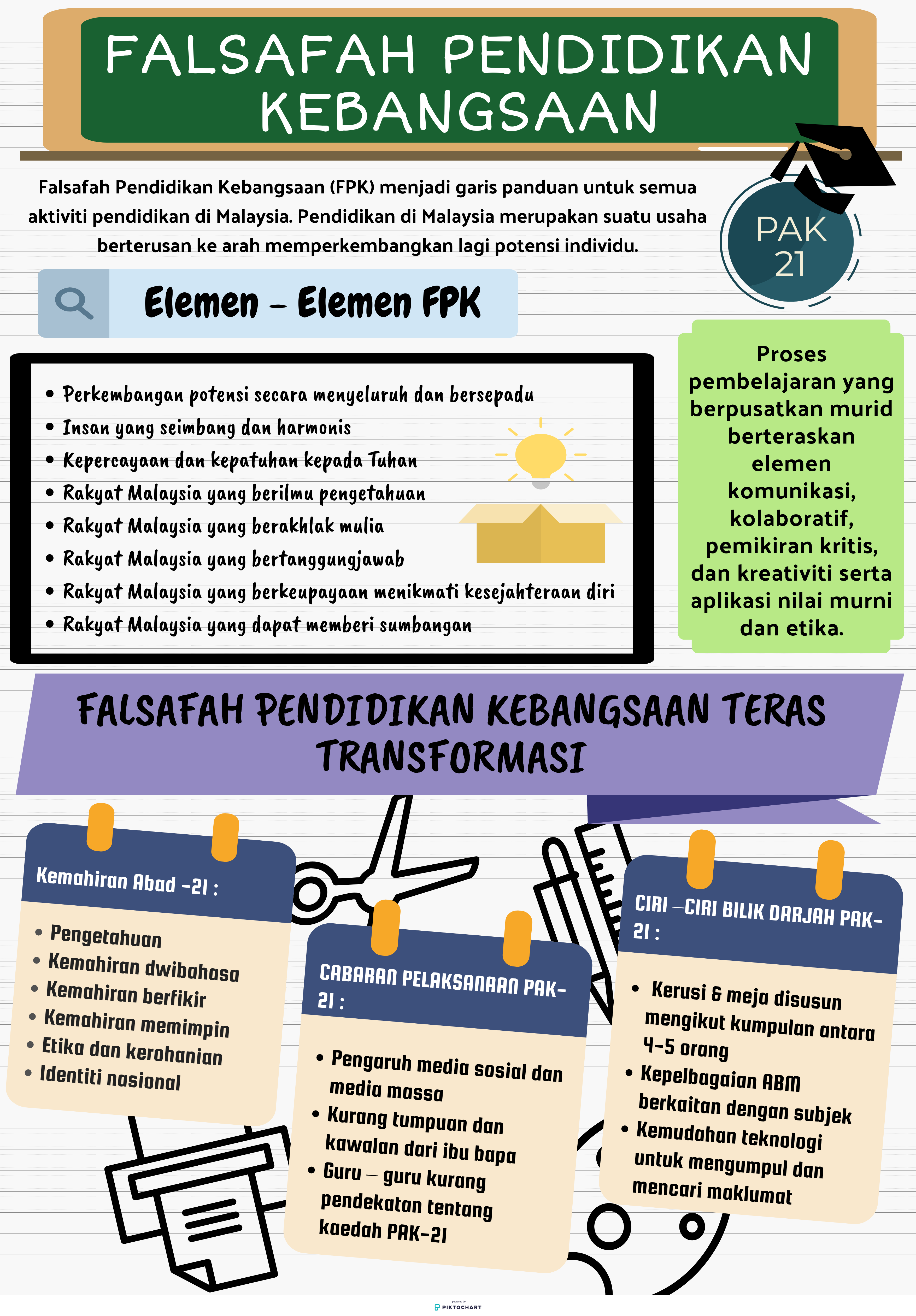
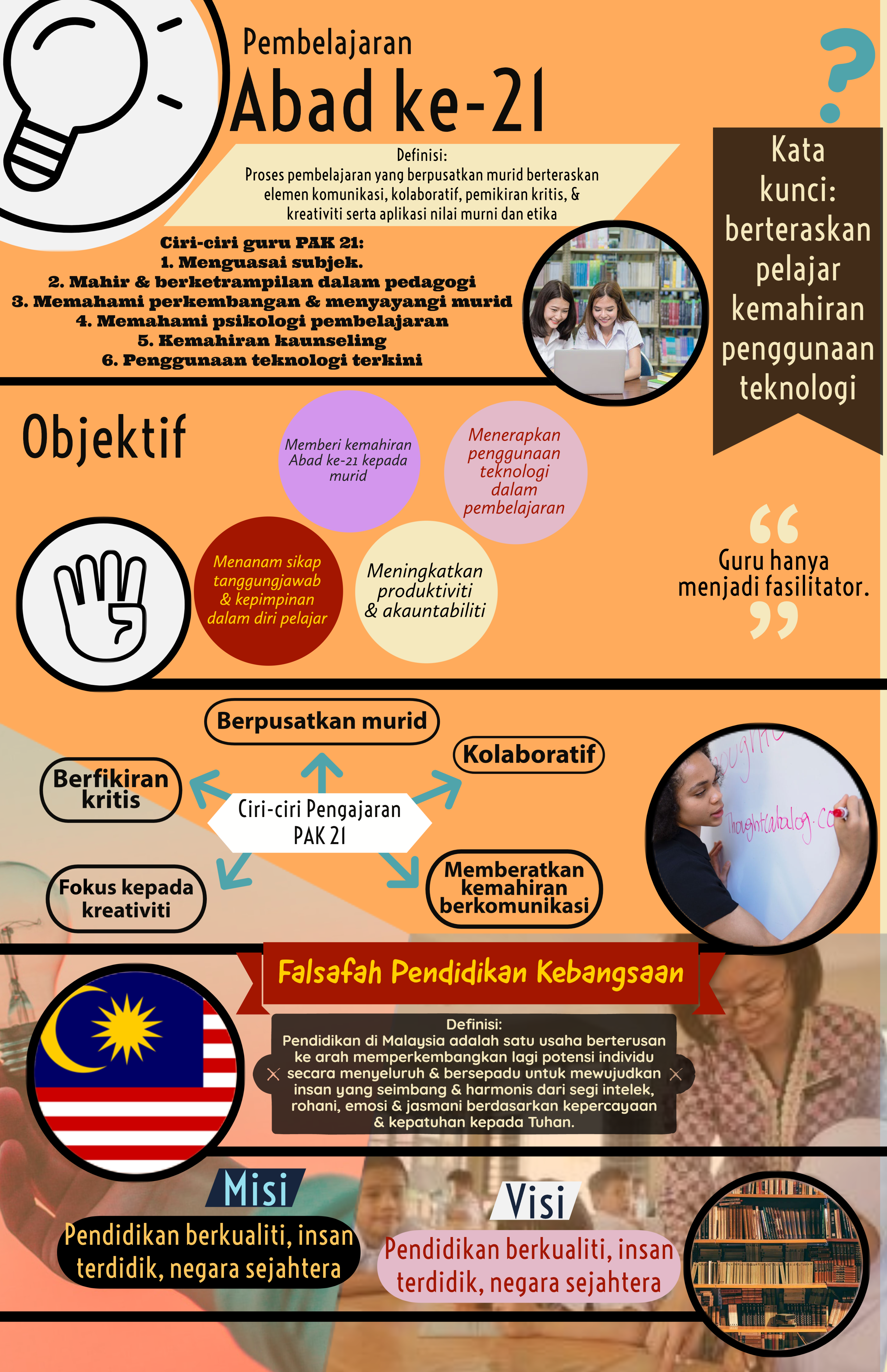
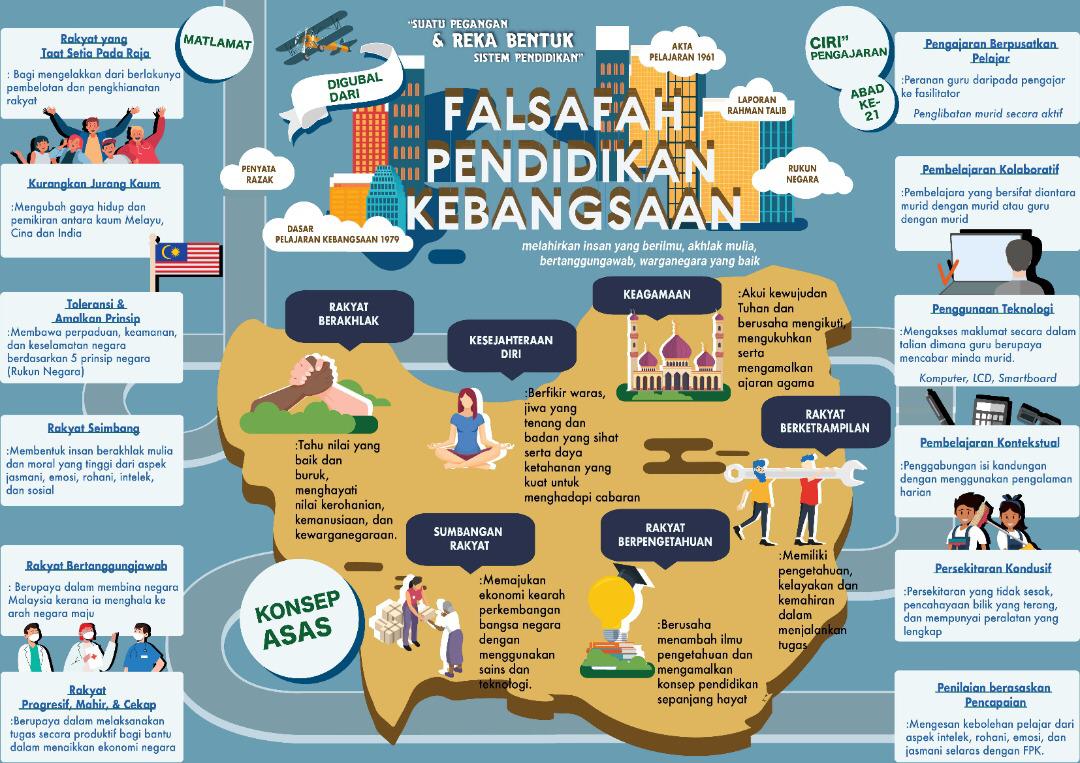
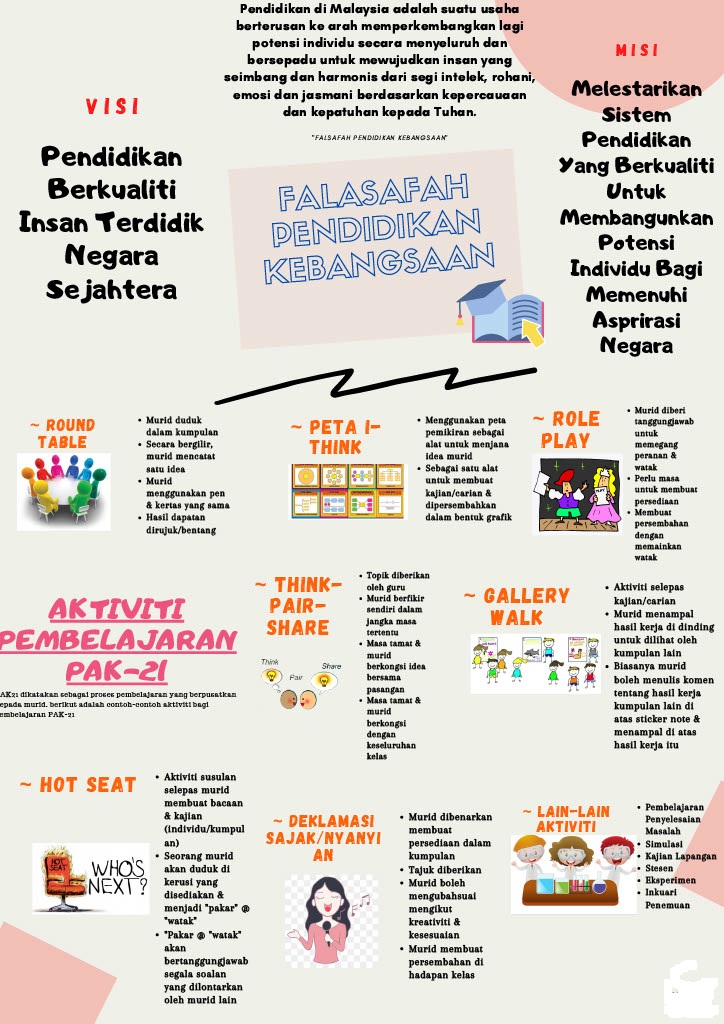
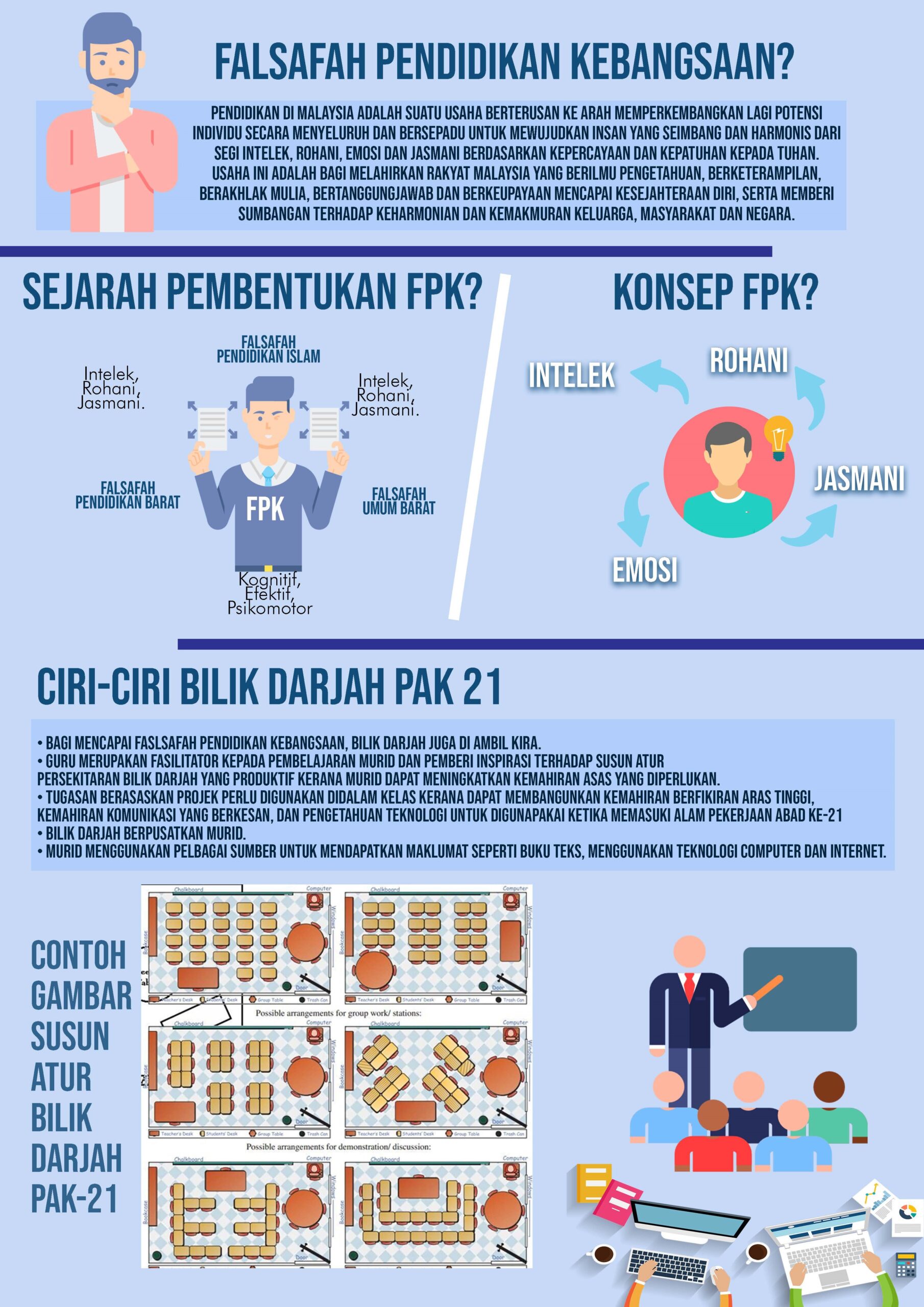
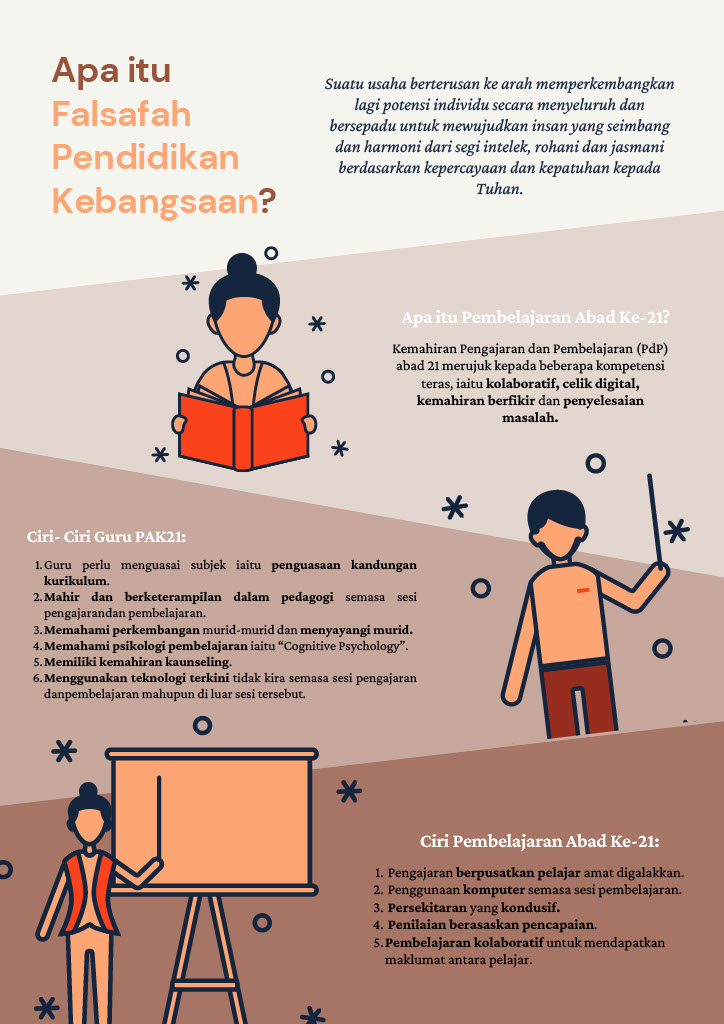
These students?  They belong to a different league.  It is hard to choose which the best.  I have my favorite though (tongue in cheek remark).  But I let them to vote two posters (not their own).  The criteria of evaluation: 1) accuracy of information, 2) interesting design/color, 3) attractive (the Wow factor).

Here are the posters (not rank into any specific order):

COVID-19: Unleashed your creativity_Part 3 (Powerpoint Audio note)

With limited internet connectivity, I could not add video on my Prezi note (yup, Prezi has video feature and I am still struggling to create a video using Prezi).  I am still trying out the new features on Prezi.

So in the meantime, I use different approach.  I added my voice on Powerpoint notes.  Old-timer method to others but for me, this is kind of new.

How to audio record your Powerpoint presentation slides?  For beginners

  1. Open your Powerpoint file which contains the slides of a particular topic
  2. On the task bar, choose Slide Show and Click at Record Slide Show (if you want to start recording without rehearsing)
  3. There are two options that you can choose from.
    1. If you choose Record from the current slide, the audio recording will only start at that particular slide
  4. If you choose Record from the beginning, the audio recording will start at the first slide
  5. If you are not sure about how it will turn out, you can rehearse first. At the task bar, choose Rehearse Timings (Click that)
  6. If you want to save the rehearsal version, you can do so. To stop the recording and end the session, Click X button and the following box will appear.  Choose Yes if you want to save the file.   But for the Rehearsal Timings, it does not record your voice though.  It just shows how long you spend time explaining information in one slide.
  7. If you are confident with yourself and do not need to rehearse (or if you have enough rehearsing), Click Record Slide Show and the following box will appear.
    1. You can select and set either to want to retain animation timing or narration, ink and laser pointer. And you can start recording.
  8. On the left side top corner of your computer/device, you may see a box that shows you are recording. You can forward, pause, undo or stop (Click button X).
  9. As you are recording, you can move your slide to the next one by clicking PgUp or PgDn or -> or <- like you normally do when you are moving your slides.
  10. If you want to save the recorded audio notes, you can do so. By clicking X button and it will be automatically saving your audio recording.  Click Save (Disk icon) to double check.

How to double check if the audio recording is ok or successful?  Click HERE