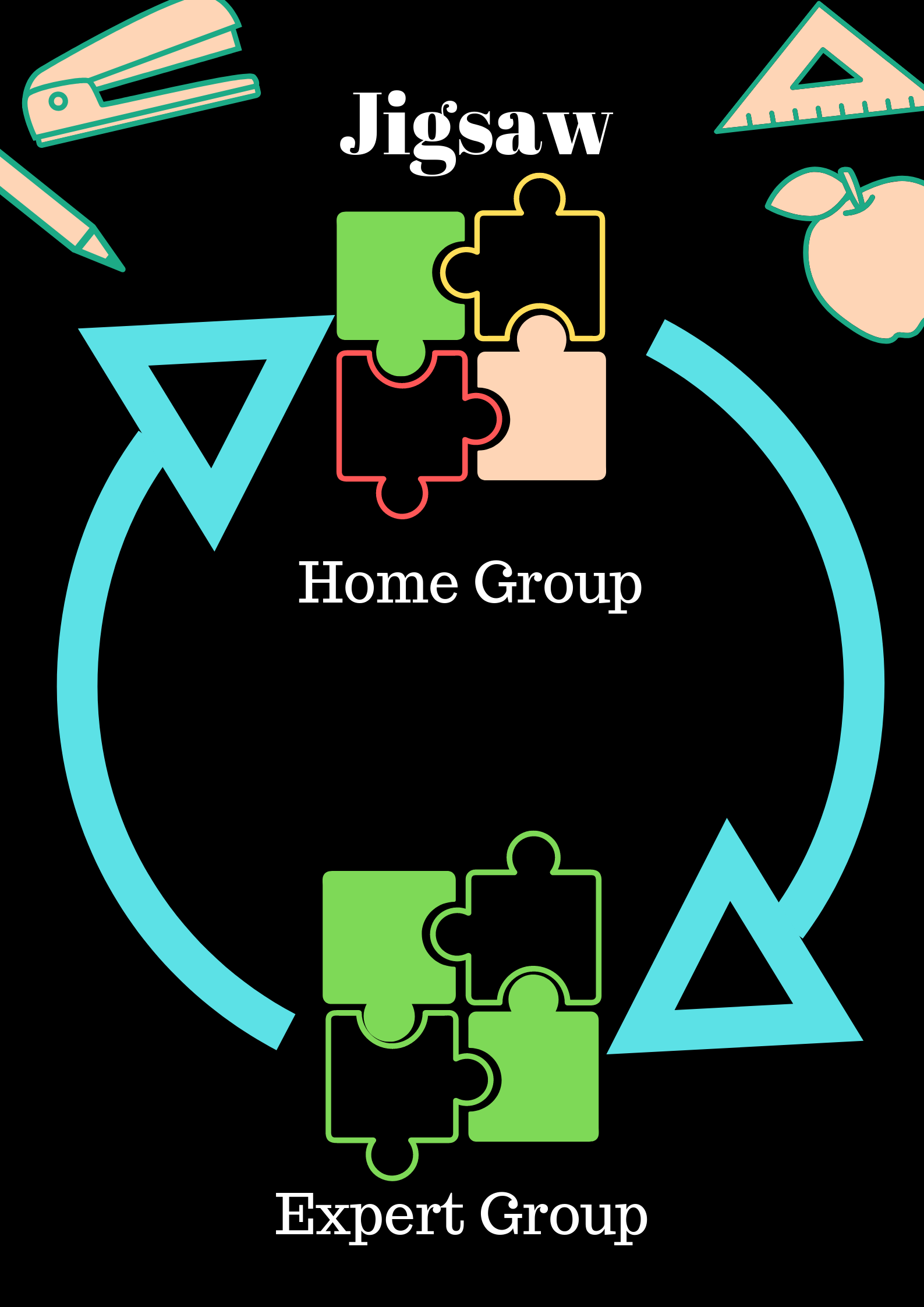
There are various activities that can be conducted to engage students’ team work and motivation. In cooperative learning, we can use Student Teams-Achievement Division (STAD) where a small groups of students with different levels of ability work together to accomplish a shared learning goal. In my case, I combine jigsaw activity with STAD. So, the instruction that I give for jigsaw activity would also include instruction for STAD.
Category: Teaching
Cooperative learning: Jigsaw activity
I have done jigsaw activity for my class for several semesters. At first, I just gave verbal instruction to the students on how to do the jigsaw activity. But later on, I realise that it is better for me to give the students written instruction that they can refer to. In this case, they can have a copy of the written instruction so that they refer to it when they want to conduct jigsaw activity in their class when they undergo Teaching Practicum (or after they graduate) for the undergraduate and for PG students who are teachers, they can use this activity in their class as well and they can share it with their colleagues at school through Latihan Dalam Perkhidmatan (LDP).
So, HERE is the written instruction that I give to students when I do Jigsaw activity in my class.
Domestic cats know their names
My cats, Robyn and Batman know their names. But Robyn rarely will reply back when I call her name. Batman would always reply back by meowing loudly. I miss him badly. Every time I come back home, without fail (unless he is asleep inside the house), the moment he saw my car, he would run and start to meowing to welcome me back. Such moment would be something that I miss now since he went missing. Robyn is such a princess. She would only meow when I pet her. Not when I call her name. A research which has been published in Nature found that domestic cats know their names. Indeed
This is Robyn

This is Batman

Dunning-Kruger Effect: What is that?
A senior colleague and I were discussing about an issue relating how people overestimate their ability level. Meaning, sometimes we might find people who think they know a lot but in reality, they do not know much and they do not even realize it. Ironic, isn’t it? But this is the reality. Incompetent people think that they are amazing, genius (and the list goes on)
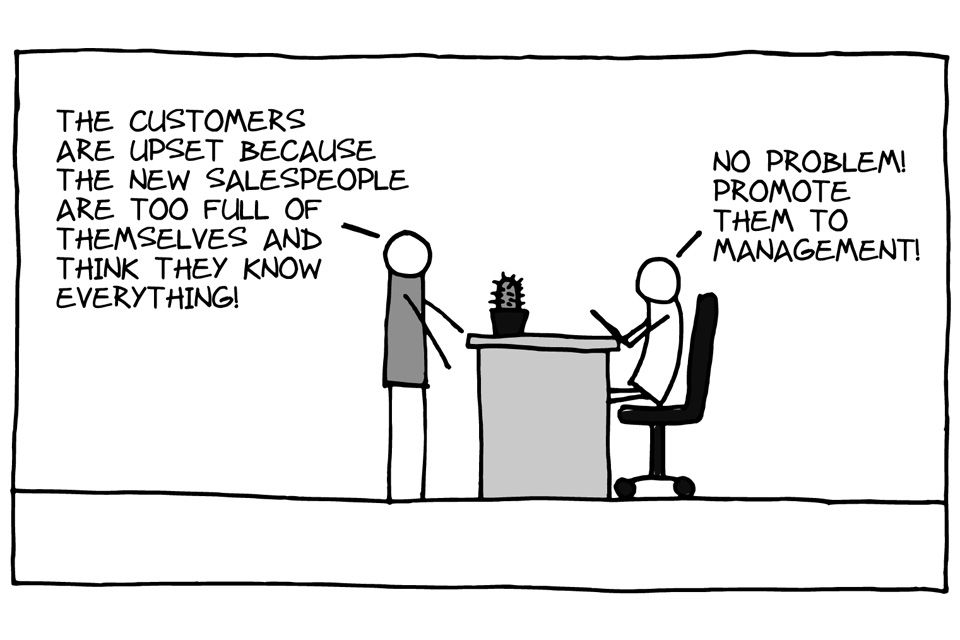
The cartoon strip is taken from The Business Times
This is dangerous in academia when you think that you know a lot and thus there is no need for you to learn or relearn something to upgrade what you already know. There is always new thing that we can learn from one another or through reading or doing research. Look at the diagram (taken from Marketcall),
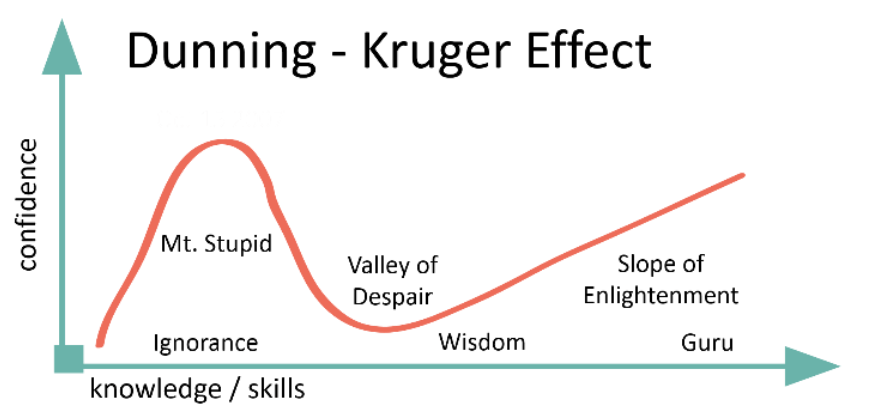
In psychology, it is called as Dunning-Kruger Effect,
“People tend to hold overly favorable views of their abilities in many social and intellectual domains. The authors suggest that this overestimation occurs, in part, because people who are unskilled in these domains suffer a dual burden: Not only do these people reach erroneous conclusions and make unfortunate choices, but their incompetence robs them of the metacognitive ability to realize it.” Excerpt from Justin Kruger and David Dunning (1999) article published in Journal of personality and social psychology.
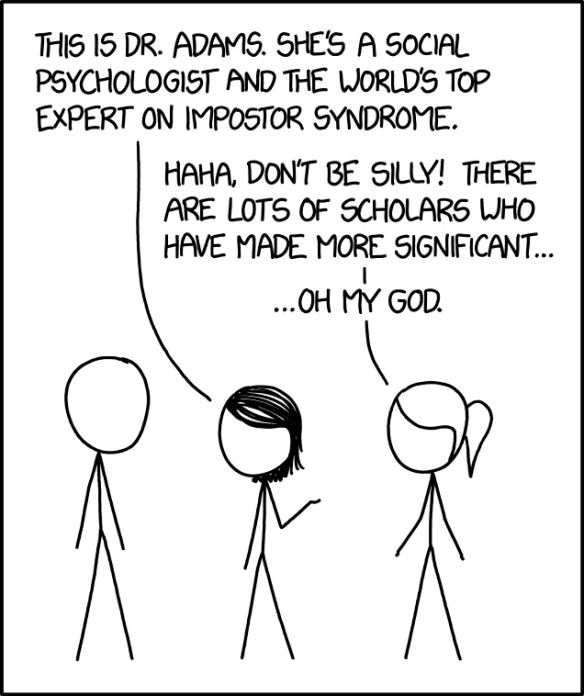
This is the opposite effect of Impostor syndrome.
The personality traits: Does it really define who we are?
When it comes to personality traits, most of the time, we are looking at how different individuals from others. But the differences are somewhat related to situation that individuals are dealing with. In this case, our traits are transcended from being characteristics that describe us as a person to how we react to certain situations based on what we have learned through cultural norms that are imposed on us or how we impose those cultural experiences on ourselves. Thus, there would be traits that seem to be out of place, as if we are out of character. But we have to look closely that we need to have a space or place to be ourselves. This is a time for us to recharge. This is what Brian Little said.
Conjunctions: Activity worksheet
When I did my Latihan Ikhtisas, there are many activity worksheets that I found from the internet (from various websites). One of the websites that I frequently visited is Busyteacher. One of the worksheets that I used when I taught conjunctions is this.
The art of story telling
I attended a workshop on using storytelling as a method in teaching and learning practice. The facilitators are PM Hayati and Ir Razali. I am not a good storyteller but I try to improve the art through crafting cases i.e. stories for my class discussion activities and assignments. Here is one of the notes that I got from the workshop,
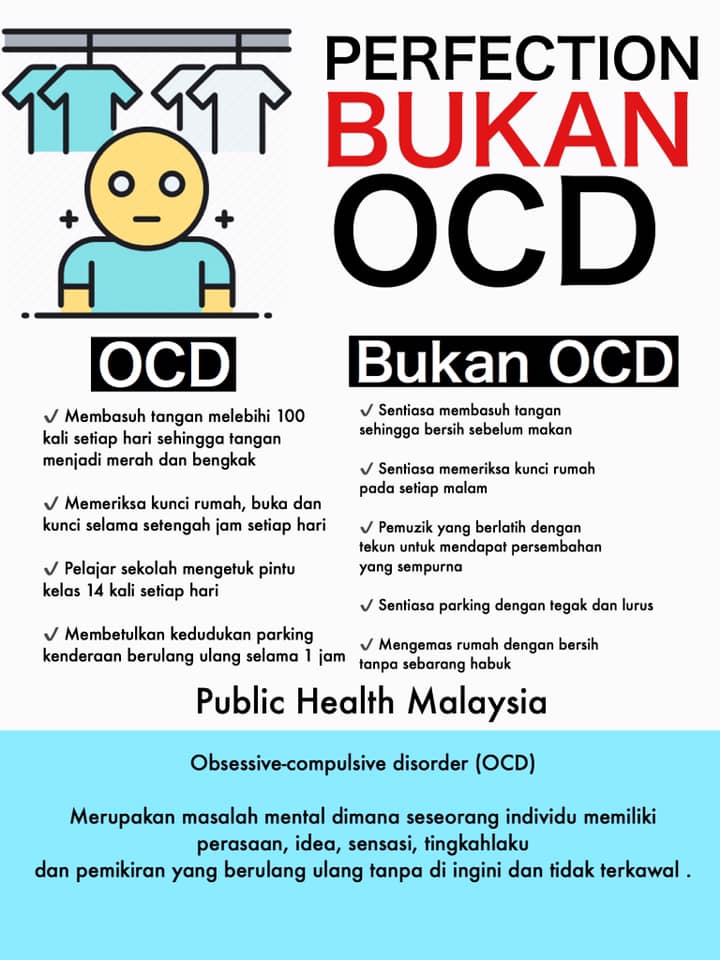
What is OCD? It is not perfectionism
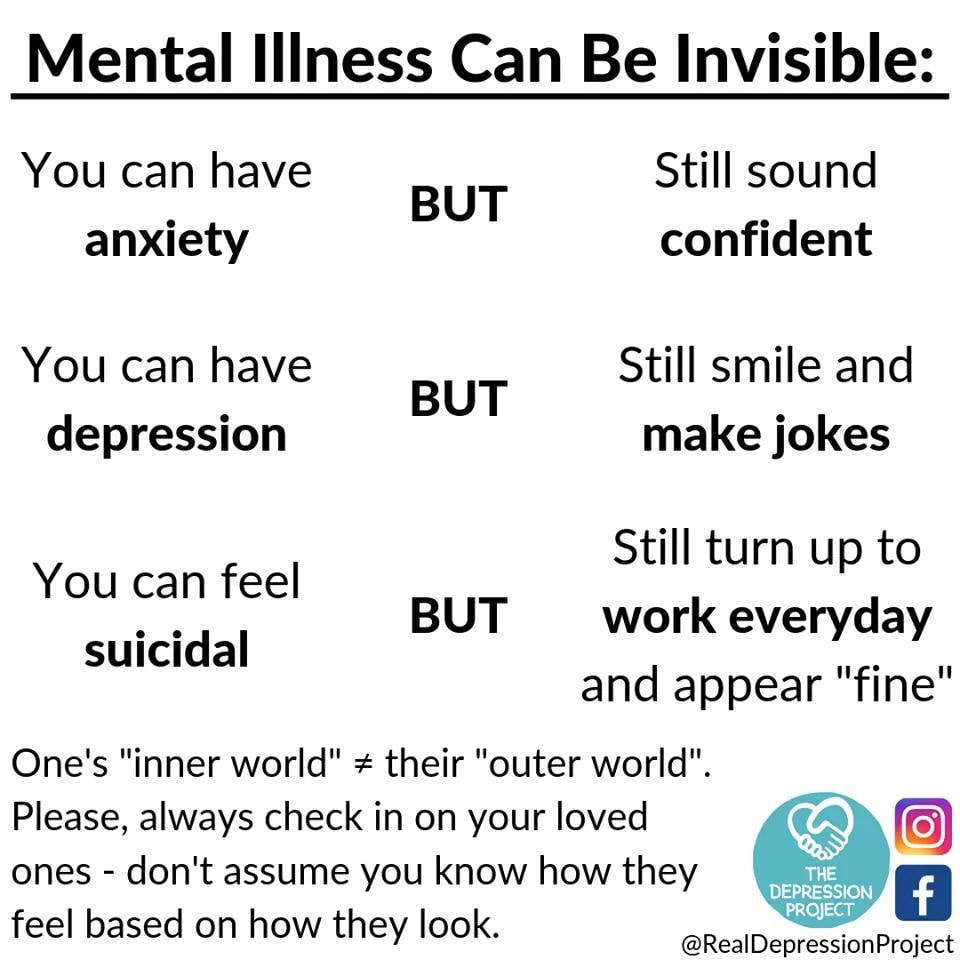
Mental illness does not mean that you are always looking sad and morose
Self-assess to know your mental health
Most of the time, we have the symptoms of psychological distress but unlike physical health like flu, fever and such, we overlook the psychological symptoms that indicate we are not ok. Perhaps, it is easier to “see” physical symptoms as compared to psychological symptoms. But, the thing when it comes to psychological symptoms, it can be manifested through physical expression. So, in this case, we can self-assess ourselves as a preliminary attempt to get help from professional people who are trained to help us with psychological distress.
I find useful website with various self-tests for FREE (only some of the tests are FREE such as mental health assessment, anger, attention span, mental speed, romantic personality, procrastination, blood pressure quiz, and menopause quiz ) .