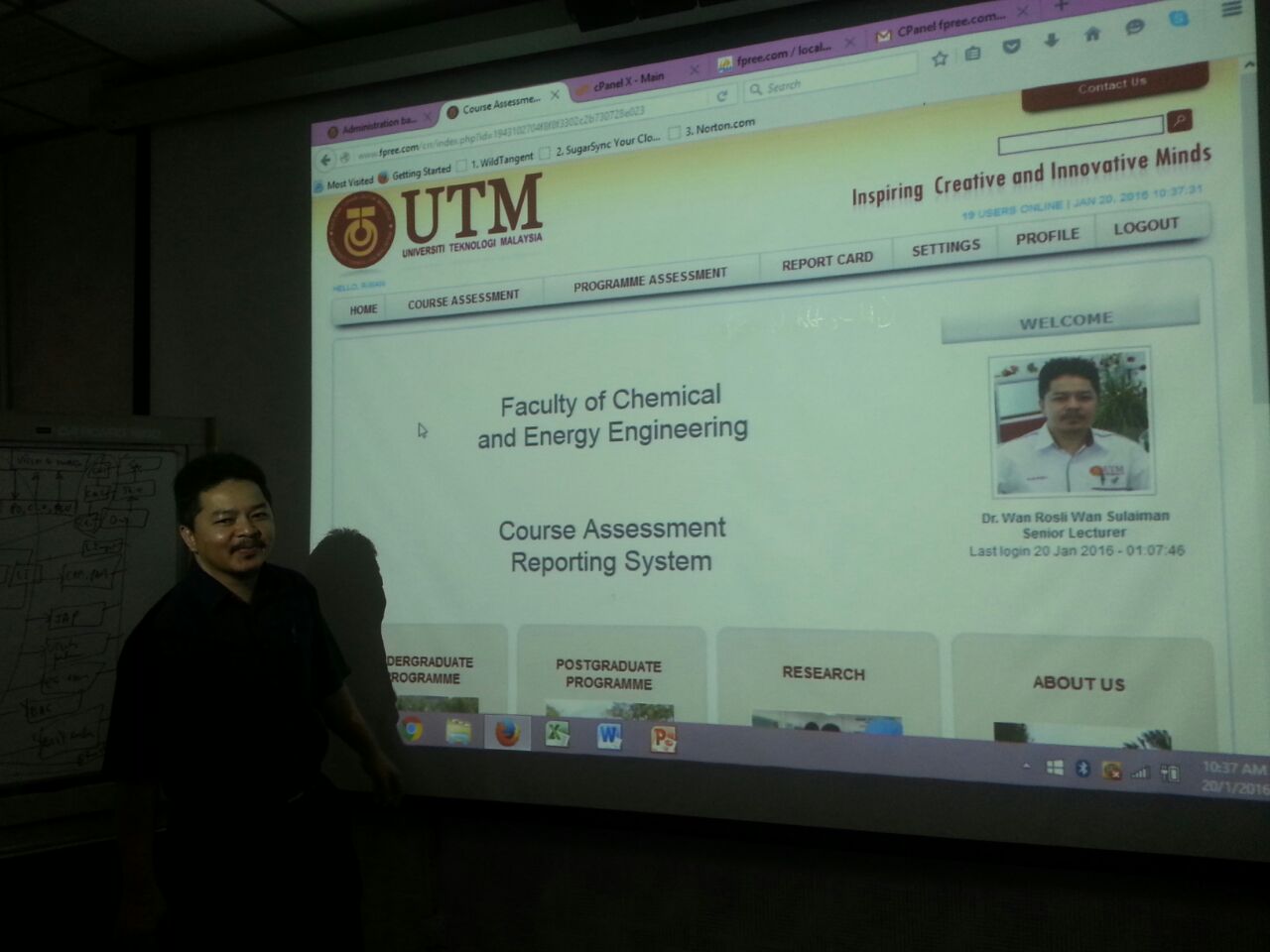
Today was one of those days where official responsibilities seemed to overlap endlessly. I began by presenting my CQI (Continuous Quality Improvement) and CRR (Course Review Report) for two courses I taught last semester: Occupational Safety in Energy System (METE1153) with 29 students, and Quality Standard (METL1153) with just 2 students. I must admit, I was fortunate to have my better half guide me through the technicalities, especially with the CQI documentation and the uploading process. With the constant stream of administrative duties at RMC, some procedural details tend to slip my mind.
Before and after this task, I turned my attention to preparing for my session on Contract Research Double Tax Deduction grant opportunities. This presentation will be delivered during the IBD Wellness Day 2025 at the Institute of Bioproduct Development (IBD), UTM. Events like these are important platforms to connect research with societal impact, demonstrating how academia supports industry and the economy at large.


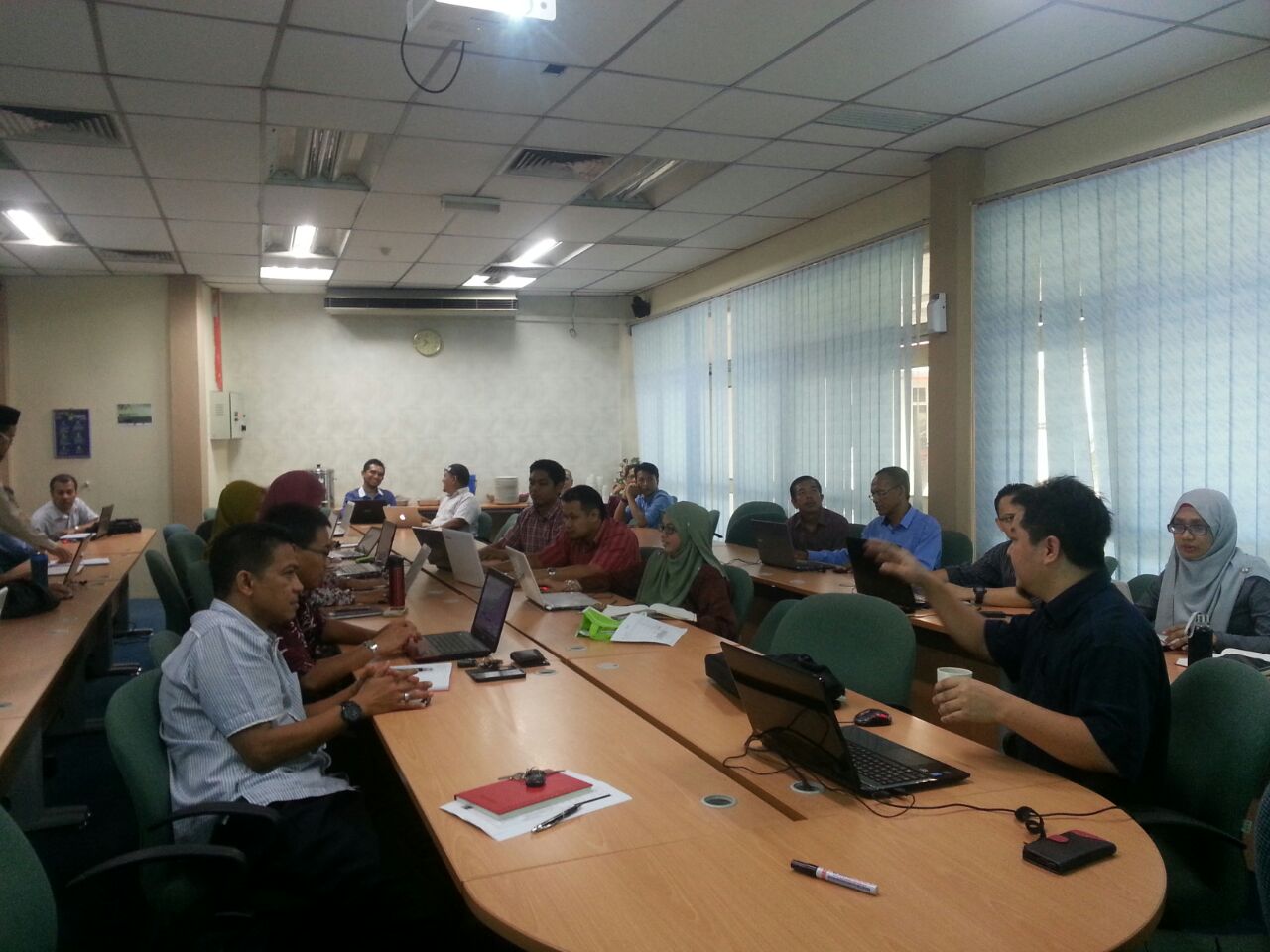
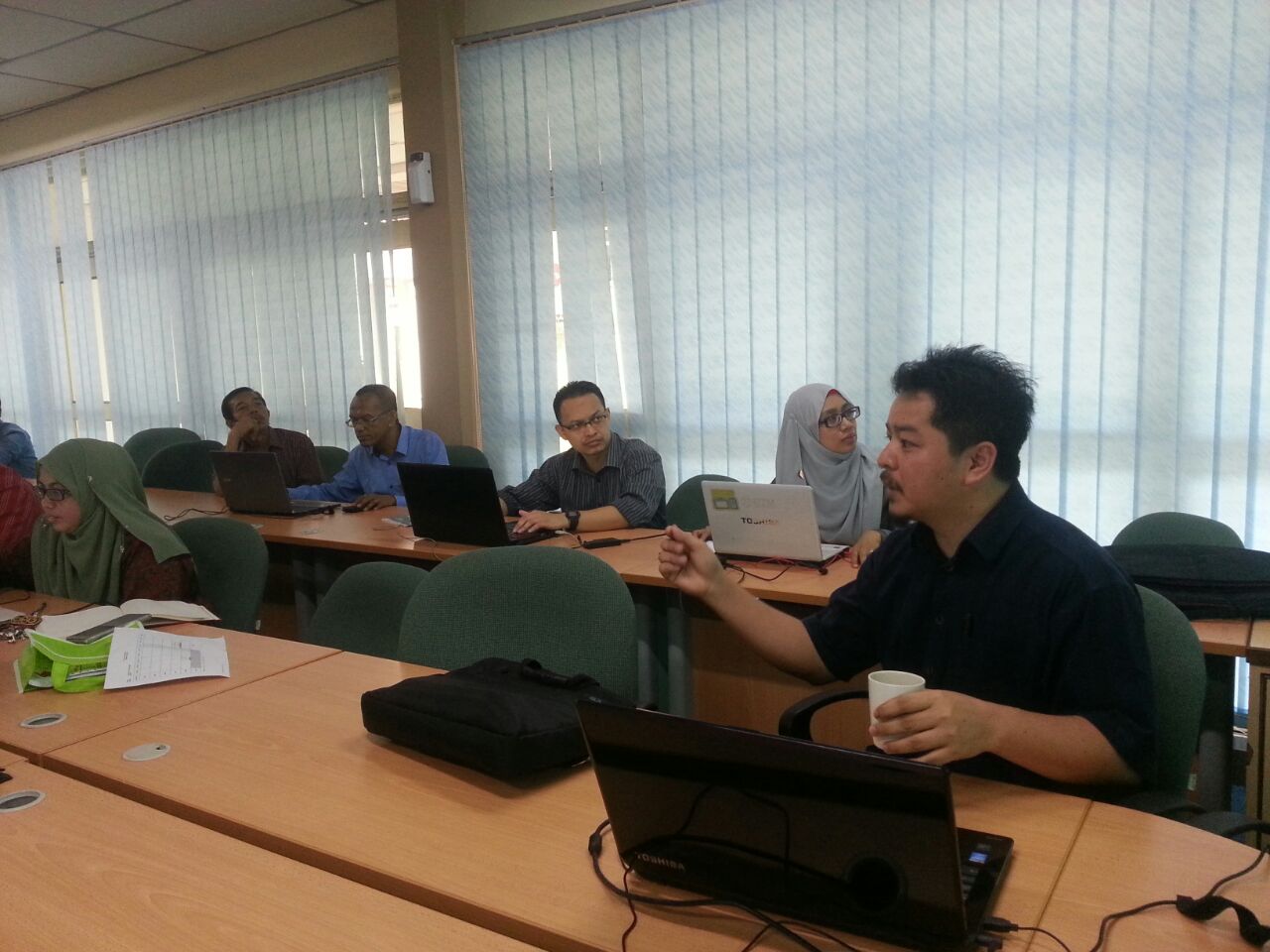
In between these two commitments, I also worked on my slides for a 2:30 PM meeting, which I chaired, focusing on preparations for the upcoming two-day visit by Jabatan Audit Negara (JAN) officers in September. The session brought together staff from RMC’s Governance and Finance divisions, alongside my own team. It was encouraging to see the collaborative energy, everyone understood the stakes and contributed to ensuring a solid plan ahead.
Reflecting on today through a social theory lens, I see strong elements of role theory at play. In one moment, I was performing my role as an educator, ensuring accountability through CQI and CRR. In the next, I stepped into my role as a UTM research administrator, strategizing for grant opportunities and audits. Each role carries different expectations, norms, and pressures, yet they coexist within the same individual. Navigating these multiple roles can be demanding, but it also highlights the adaptability required in academic life.
At the same time, today’s teamwork resonates with structural functionalism, the idea that each part of the system must function well to maintain stability. From colleagues assisting in audit preparation to my spouse guiding me in academic reporting, every contribution ensured the larger “system” of my workday remained intact.
By 5:00 PM, I switched gears completely and joined a game of volleyball at the Arena, at UTM Stadium area. It was a refreshing way to loosen up after a packed day, a small attempt to balance work and life. But of course, in true academic fashion, balance is never absolute, just before playing, I had a short discussion with my postdoc right there at the volleyball court. Work and life don’t always separate neatly, but sometimes, that’s where the most genuine collaborations and conversations happen.
In the evening, after Isya’, my day was far from over. I devoted nearly three hours, stretching close to midnight, to prepare and finalize my slides for the NALI Educator Award 2025. It was a race against time, but I managed to submit them just before the deadline. Alhamdulillah, the task was completed. At that point, all that remained was to leave the outcome to Allah, tawakal, trusting that I had given my best effort.

This experience reminded me that dedication and discipline are seen as virtues that shape not only personal success but also institutional progress. Yet, my submission also resonates with the Islamic philosophy of balance: while we strive relentlessly with our intellectual and physical energy (ikhtiar), the final results are ultimately in God’s hands (tawakal).
In a way, this balance reflects the paradox of academic life: we are always caught between deadlines, expectations, and accountability, while at the same time needing to cultivate humility and acceptance. Just as Giddens’ structuration theory suggests, human agency operates within enabling and constraining structures, in this case, tight deadlines, institutional requirements, and our own inner drive to contribute meaningfully.
Closing the day on that note gave me a sense of calm after the turbulence of endless CQI presentations, talk at IBD, meetings, rushing deadlines etc. It was a reminder that even in the busiest of schedules, the act of surrender, acknowledging what lies beyond our control, is what makes the academic journey sustainable and meaningful.
Though tiring, days like this remind me that academia is not just about individual performance but about interdependence, the network of support, collaboration, and shared responsibility that sustains us all.
#20242025 Day 059
#Thursday