Moodle docs
Printable version for latest moodle update can get from here https://docs.moodle.org/
Five-Star Certificate for UTM eLearning. Persijilan lima-bintang dalam Anugerah Pengajaran dan Pembelajaran.
Hi everyone, a five-star certificate for UTM elearning is valuable. There are differences between ODL and regular elearning criteria to get five stars. Please refer to the table below.
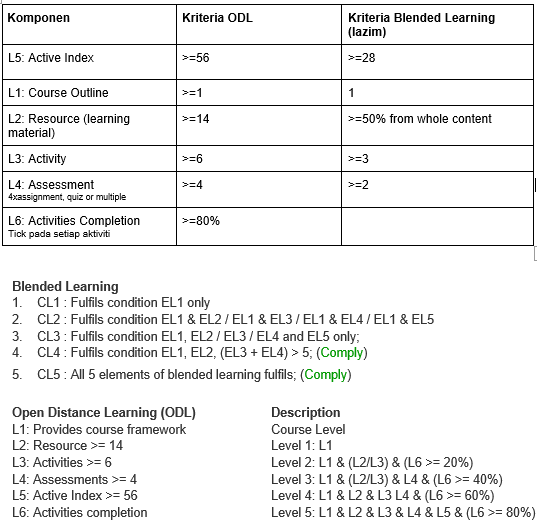
Especially for ODL, giving more content to the students is good for them – it is sort of like having reliable sources from the lecturers. It enhances flexibility, allowing them to access materials anytime and learn at their own pace, which is especially beneficial for working professionals or those with other commitments.
Try to add more kahoot self-play, or any other interactive multimedia, recorded lectures, and additional reading materials, students can engage with content in different ways, improving understanding and retention. Moreover, elearning is the prime platform for ODL students to interact with us and with each other. This way also encourages peer discussions, self-assessment, and continuous progress tracking, making learning more engaging and effective.
To encourage more content and lively elearning, eLPPT gives 0.2/100 marks for each of the five-star elearning certificates in the Anugerah tab of eLPPT (version 2025).
Gaya hidup sihat part 3 – Diet pemalas Tengku Asmadiy
Nasihat ringkat beliau ialah kebali kepada bahan semulajadi dan ubah sikit-sikit gaya hidup kita. Buat benda yang kita suka dan enjoy. Set matlamat kecil untuk 3 bulan.
Namun ada perkara yang kita boleh buang terus daripada hidup iaitu 3P:
- Process food
- Pewarna
- Pengawet
Beberapa masalah koman rakyat Malaysia:
A. Gemuk air
Simple litmus test; goyang tangan dan lemak bergoyang sama but it is easy to eliminate water. Diantara tips yang boleh diamalkan:
- Amalkan teh hijau. Satu sachet teh hijau minum selepas sarapan dan makan tengahari. Jangan ambil selepas dinner kerana ianya bersifat diuretik maka menganggu tidur.
- Increase water intake. Simple litmus test – urin clear (tidak kuning) then boleh reduce pengambilan air.
- Kurangkan nasi dalam seminggu. Pengurangan karbohidrat dengan jaga portion (segenggam sendiri).
- Makan banyak ulam – ulam raja, selom, kacang botol (go back to nature of mother ?)
- Jangan makan ikut emosi. Pecahkan mentaliti antara emosi dan makan. E.g. Instead of gaduh dgn bos pergi makan, gaduh dengan bos pergi jogging.
B. Gula (masalah utama rakyat Malaysia)
- 5-10gm sehari utk sedentary.
- Gula termasuk nasi, roti canai, teh tarik
- Bila buang gula – perubahan paling utama ialah perubahan tenaga.
- Diantaran tips buang gula dpd hidup ialah:
- Banyakkan minum air manis
- Tukar gula putih kepada madu, kurma dan manisan dalam buag.
- buat teh tarik dpd santan or susu lowfat + kayu manis + serbuk buah pelaga (cardammon) = chai massala
- Masak sendiri – simple. Makan luar tiada kawalan msg, garam dan gula.
- Makanan bergoreng ok – cuma minyak kat luar asyik recycle – tal baik untuk kesihatan.
- 50% adalah sayur dan buah-buahan
- 30% adalah protein. Telur bukan kolestrol? – konsep asas kolesterol ialah gula daripada karbohidrat yang tidak digunakan.
- Minum minyak olive sesudu + vco sesudu pada waktu pagi (amalan pemain chelsea)
- Ulaman pahit – blend peria katak
- Eliminate 4P
- Check ingredients dalam semua makanan. Yang paling penting tengok kandungan gula. E.g. pilihan antara yoghurt berperisa vs yoghurt plain then blend sendiri. Sedikit usaha bagi beza yang banyak gulanya.
- Make sure go back to natural.
- Reduce kuah – disitu ada msg, gula, garam dan minyak. E.g. rebus ayam for sup.
C. Gemuk Apple – bahagian perut
Tips untuk kuruskan perut (membakar lemak visceral fat)
- Makan healthy lemak – olive, vco dan minyak ikan.
- VCO untuk stabil hormon
- Cuka (teen, kurma, apple) – kuantiti potassium dalam buah teen, avocado dan pisang. Kesan kurang potassium – selalu mengantuk dan cramp
- Cuka + madu + air = minum pagi.
- Cuka satu sudu + air 1 liter = minum sebagai pengganti isotonik
D. Cravings for food
- Kacang panggang, baby carrot, tomato cherry.
- Minum dua gelas air dahulu setiap kali cravings – then evaluate back betul ke cravings lagi?
- Makan buah to give you more fibre before eat what you want – then evaluate back?
- Eat what you want – after eat evaluate back – berbaloi ke?
- Substantiate tepung gandum dengan tepung wholemeal.
Q&A
1. Ambil Makanan high antioksida – adalah untuk melawan semula toksid dalam pemakanan yang diambil.
2. Diet ikut darah? – tidak terbukti secara saintifik.
3.Chia seed is superfood sebagai serat. (From mexico, thailand and china). Overnite oat is very good for brekpes. Buah letak kemudian. Else, blender everything and terus minum.
4. Menyusu badan – please makan double benda yang sihat.
5. Turun10 kilo then statik ? Fat loss (kilo) inch loss. Then increase tense in your diet program – puasa, increase intensity and volume dalam senaman.
6. Jangan berlapar – makan kacang kuda dan biji barley masa senggang.
7. Alternatif for brekpes – Staffey peanut butter + roti wholemeal purple (rendah GI) or blender things. Glisemik indeks rendah – means lambat lapar.
8. Stock always in hand – apple hijau, celery, ?, tomatoes, ulam-ulaman and yang penting blender.
9. Alternative for tuna – rebus ikan tongkol bersama perahan lemon dan mayonis.
10. Kekal istiqamah – mesti ada matlamat yang jelas. Paling penting, dekatkan diri dengan Allah. Bila kita disiplin awal waktu – kita akan rasa istiqamah. E.g. bangun pagi terus buka alquran baca satu surah then lepas solat subuh jangan tidur. Disiplin dengan Allah maka akan jadik disiplin dalam kehidupan dan apa yang kita buat.
Gaya hidup sihat part 3 – senam santai di pejabat 15 minit
Coach Ezani (Majlis Sukan Negara)
Langkah 1: Tentu dan jelaskan objektif (set apa yang kita mahukan)
- Dari gemuk ke kurus? set from xx kg to yy kg
- Triceps menggeleber? – then pemilihan senaman kena fokus pada triceps
- Perut buncit – then pemilihan senaman dan pemakanan fokus pada perut
Langkah 2: Bina satu program (4-6 minggu)
- Pemilihan exercise ikut objektif.
- 15-20 minit sekali senaman
- Persediaan sebelum bersenam 2x seminggu
- Buat sikit sikit dah tambah
- Selang sehari utk aktiviti kardiovaskular.
- Selang hari supaya tidak memberi tekanan pada otot badan.
- Jangan buat terlalu ekstrem dan jangan salah pilih jenis senaman.
- Pastikan simpan rekod sepanjang senaman tersebut
- Dalam program sekurang-kurangnya perlu ada:
- Warm up – 5 minit
- Teknik Senaman – 10 minit
- Warm down – 5 minit
Pilihan warm up:
- General & specific Warm up – berlari setempat, stretching
- Step side, cross step, salsa
- jog – fast and slow
- triceps and biceps
- ankle jangan lupa
Pilihan teknik senaman dalam pejabat:
- Body weight exercise/Upper body
- Shoulder press pakai botol air instead of dumbell
- Dippy – pakai kerusi then tambah intensity. Volume – berapa kali. Tambah tension fleksibel bila kita rasa dah senang nak buat. Tambah tension sangat penting utk dapat changes.
- Reverse lunges (better to make sure we are in correct way)
- Plank – straight meniarap and tegak. Akan rasa vibration di perut setelah lima saat (ada video) – 2 minit sufficient.
- Crunches (ensure belakang flat semut tak boleh lalu)
- Lower body – kecilkan peha? – Quarter squad
- Core exercise – Senaman perut, perut tepi dan belakang.
- Jalan laju
- Kardio exercise – untuk jantung. E.g kayuh basikal, jogging
- Body weight exercise – guna berat badan sendiri. E.g. squat, push up,
Options:
- Sakit lutut? – guna senaman isometrik – sandar dinding, guna kerusi (squat dpd kerusi).
- Slipdisc? – bila tulang tidak kuat, please support with the strong muscle. Simple tips – duduk melentik supaya tulang belakang dalam keadaan normal. Beli supporter back (baring straight naik badan tegak aje tak payah gerak)
Warm down
- Digalakkan warm down secara duduk
- Bernafas – bekerja tahan nafas
- Tambah muscle?
- 800-1200 kcal – makan kena kerapB -Brekpes teatime.
- Biceps curl – dumbell shoulder front raise, shoulder press or lateral raise or combine all.
- Pemilihan pemakanan seimbang dan betul
Gaya Hidup Sihat – Shamsul Debat Part 1
Hidup umpama dam ular.
Hidup kita umpama cawan – jangan benarkan orang lain mengisi cawan kita – pastikan apa yang mengisi cawan kita.
Kurangkan 4 benda putih – nasi, gula, tepung, susu
Setiap kali melihat ujian orang lain – sentiasa berdoa semoga kita dijauhkan daripada dugaan sedemikian
rumah dia besar, rumah aku? Kereta dia besar, kereta aku? Bini dia besar, bini aku?
Perempuan bukan cerewet tapi sebenarnya teliti.
Jem tahap siput pun boleh babai.
Shamsul Debat -SD (9.00 pagi, 23 Ogos, Bilik Seminar Menara Razak). Pa beliau- 018 66156619. Facebook – syamsul amri ismail official
Makanan kegemaran SD – ikan semilang dan air sirap.
Kenapa dipanggil shamsul debat – rupanya beliau memang juara debat. List pencapaian berdebat panjang berjela.

Stress –
homeostasis (proses perubahan badan untuk mengekalkan keseimbangan dalaman supaya teratur bagi proses fisiologi)
Tekanan menyebabkan homeostasis terganggu. Jika Success – homeostasis tercapai tetapi gagal jika tekanan berterusan. Kesannya terjadi masalah psikologi, emosi, fizikal, agresif, memusnahkan diri.
E.g. kes anak nakal dalam keretapi yang kematian ibu. Nabi muhammad saw marah bila Abu Bakar tidak dapat menahan sabar.
Beri nilai positif kepada setiap pancaindera fizikal:
Mata- jaga penampilan, hidung -wangi, perut – pemakanan, telinga – perkataan yang baik. Akhirnya nanti hati positif.
Tanda tekanan
- Fizikal – telinga merah, lemah tenaga, sakit rahang, sentiasa lapar, sakit tengkuk, masalah seks, insomnia, terlebih tidur.
- Mental – nangis, marah, kepala angin, mimpi ngeri, putus asa.
- Psikometrik – hipertensi, gastrik. Jantung, pelahap, hentak kaki, lupa, ponteng, lewat, menarik rambut, ketuk jari, gigit jari, nyanyuk, addicted rokok dan alkohol.
- Psikiatri- bimbang, angin, hipokondria (kebimbangan abnormal berkenaan kesihatan diri) kehidupan sosial dan emosi.

Perempuan more on otak kiri – details, now and multitasking. Clerks, PA, nurse suitable for ladies.
Lelaki more on otak kanan – overview, one task at one time.S
Sebab stress:
- Penyesuaian – tidak serasi, berselisih pendapat
- Kekecewaan -gagal ujian, bercinta
- Bebanan –
- Pengurangan
- Tandanervous:
1. Tangan berpeluh
2. Kerdipan mata laju – according to degupan jantung
3. Menguap – serius?
Cara mengatasi stress
- Rancang masa – especially waktu peribadi
- Bersenamsecara konsisten
- Teknik tenang diri – relaks, senamrobik
- Kurangkan makan lemak
- Belajar let go
- Cari diri sendiri dan bernafas
- Regangkan badan
- Manjakan diri
- Makanan berkhasiat
- Tambah aktiviti keluarg
- Wujudkan kumpulan sosial
- Kurangkan4 benda putih – nasi, gula, tepung, susu
- Ingat mati kerana Allah
- Elak tangguh kerja
- Berdoa
- Tingkat pengurusan masa
- Baiki dan ubah persekitaran
- Tidur yang cukup
- Ceria
- Sentiasa bersyukur – always look at the brighter side
eLearning: How to embed active learning tools into eLearning?
Today, I learn a few digital application for eLearning extension. Some are good and easy to use.
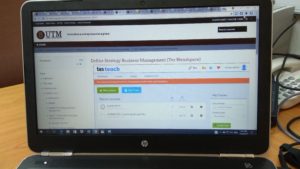
- tes teach blend lesson – simple and what I like the most is the overview tes can gave us. You can search the content, drag drop and organize your content within one page. Wow! impressive – so me.
- Canvas – Azizul Azizan said this is more complicated but the comprehensive one.
- edmodo – being use by Dr Hafiza Abas, ask her if you want to learn more about it.
- padlets – ok this one has been introduced by PM Dr Norzairah in the early semester. Simple and suit me too – you can see everything within one view.
Find more Active Learning using Interactive Tools here https://people.utm.my/suraya/2017/07/24/116/
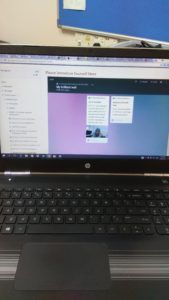
The most interesting part is – all of the application above can be embedded into UTM’s eLearning and counted as your CL1 (at least 7 learning sources). Using add URL – Make sure to tick and change the settings appearance from automatic to embed. The example is like the picture below: