Had the Dashboard Monitoring meeting to be embedded in Radis in the morning with I3P project team. After lunch JKPD meeting was held after missing the meeting in November and December 2025.
Day 28 – UTM RMC Strategic Planning
Posted on January 28, 2026 ·
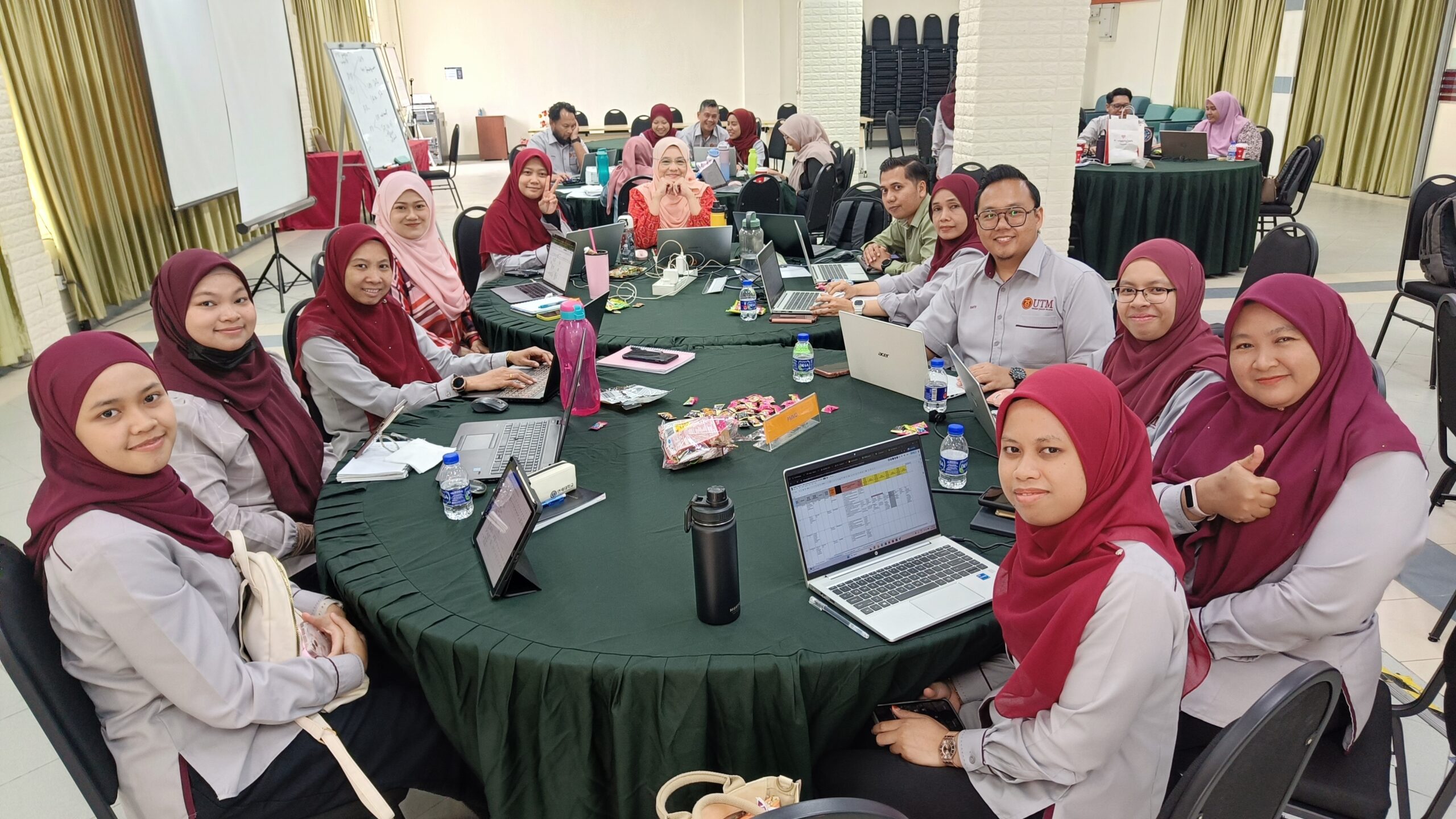
RMC Strategic Planning Workshop 2026 was held as follows:
Date: 28 January 2026
Venue: Main Hall, CTLD, UTM Johor Bahru
Day 26 – Winding Down Meeting with PACD and Project Leader at AMTEC
Posted on January 26, 2026 ·
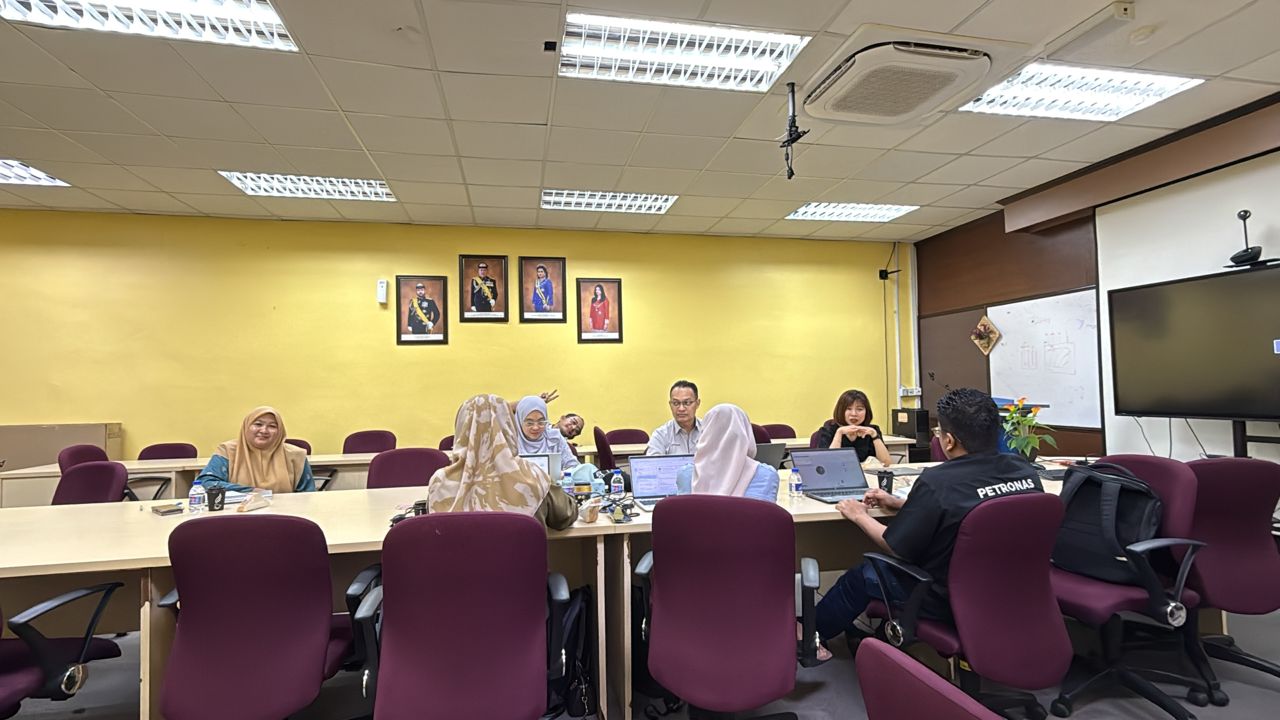
After last week’s online meeting with PACD team with me and the Director of UTM RMC, we had a meeting from 9am to 1pm with PACD team to discuss on the project progress and also financial commitment.
Day 25 – Completed Catatan Kembara Agung Draft and Sending for Review
Posted on January 25, 2026 ·
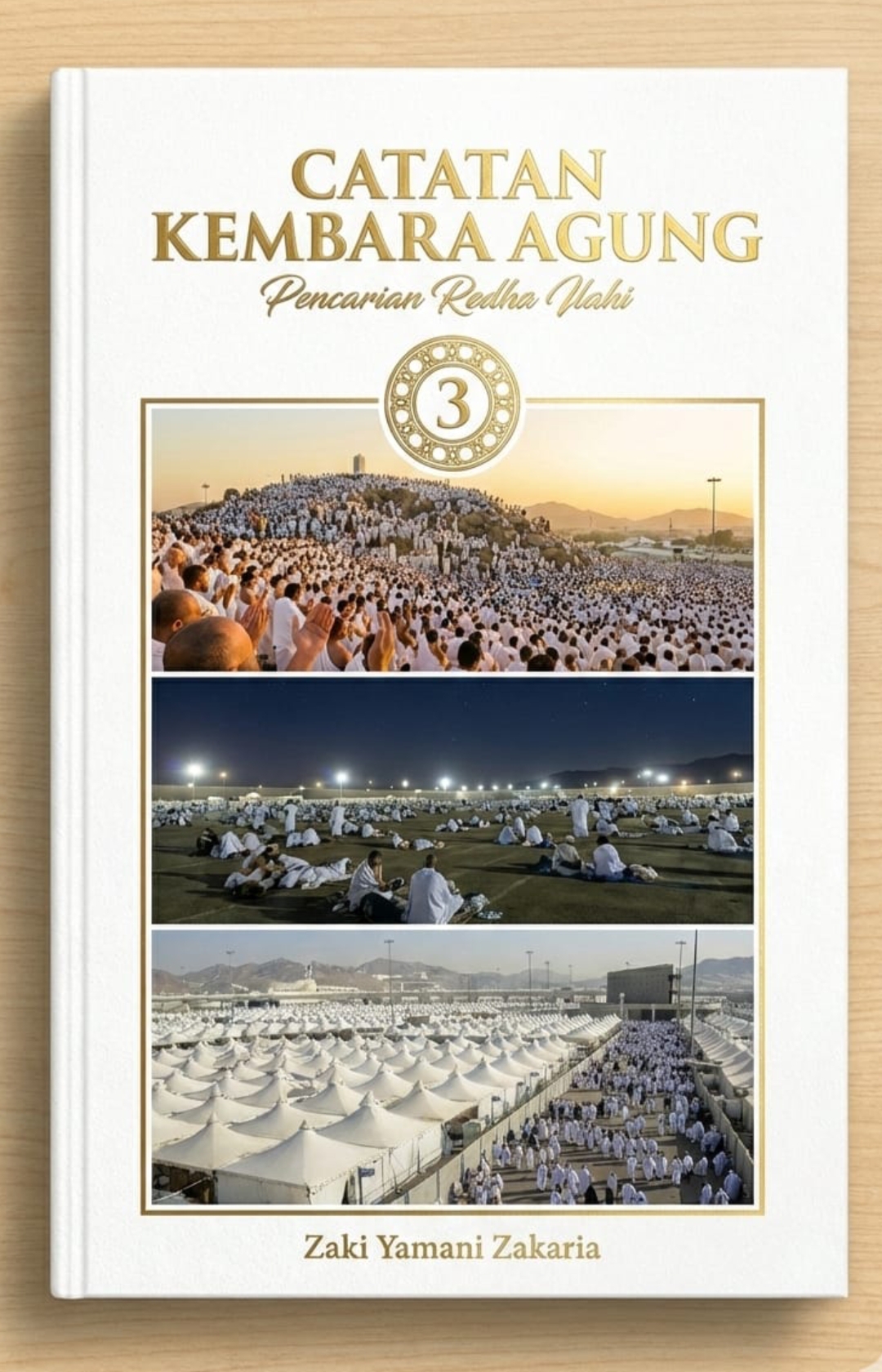
After a real super focus since Friday, I finally managed to complete the CKA draft of up to 80% or 168 pages. It was a personal achievement considering I was battling to complete this draft since August 2024.
I shared a copy with my wife and few friends for getting their comments and feedback.
Day 23 – PDF Fund Presentation at UTM ICC
Posted on January 23, 2026 ·
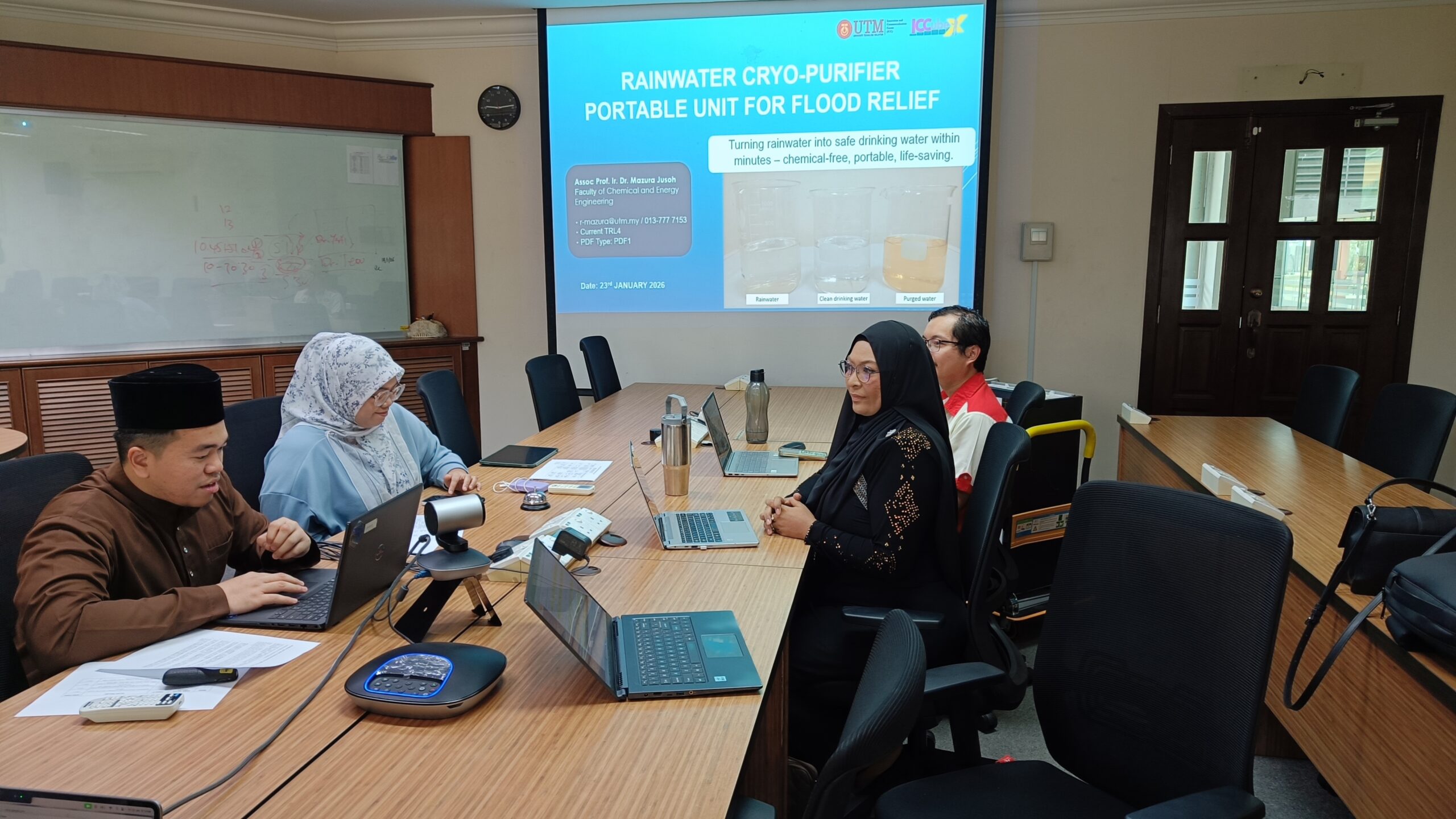
We had a presentation for the rain water purification project for disaster under the Prototype Development Fund (PDF) that was trusted to UTM ICC at 9.15am. PM Dr. Mazura is the project head while Ir. How and myself are the team member. There were 3 panels that include Dr. Ma Kalthum and another 2 person from NADMA and Sirim. It was an interesting session.
Day 22 – Brought my father to HSA for Appointment
Posted on January 22, 2026 ·
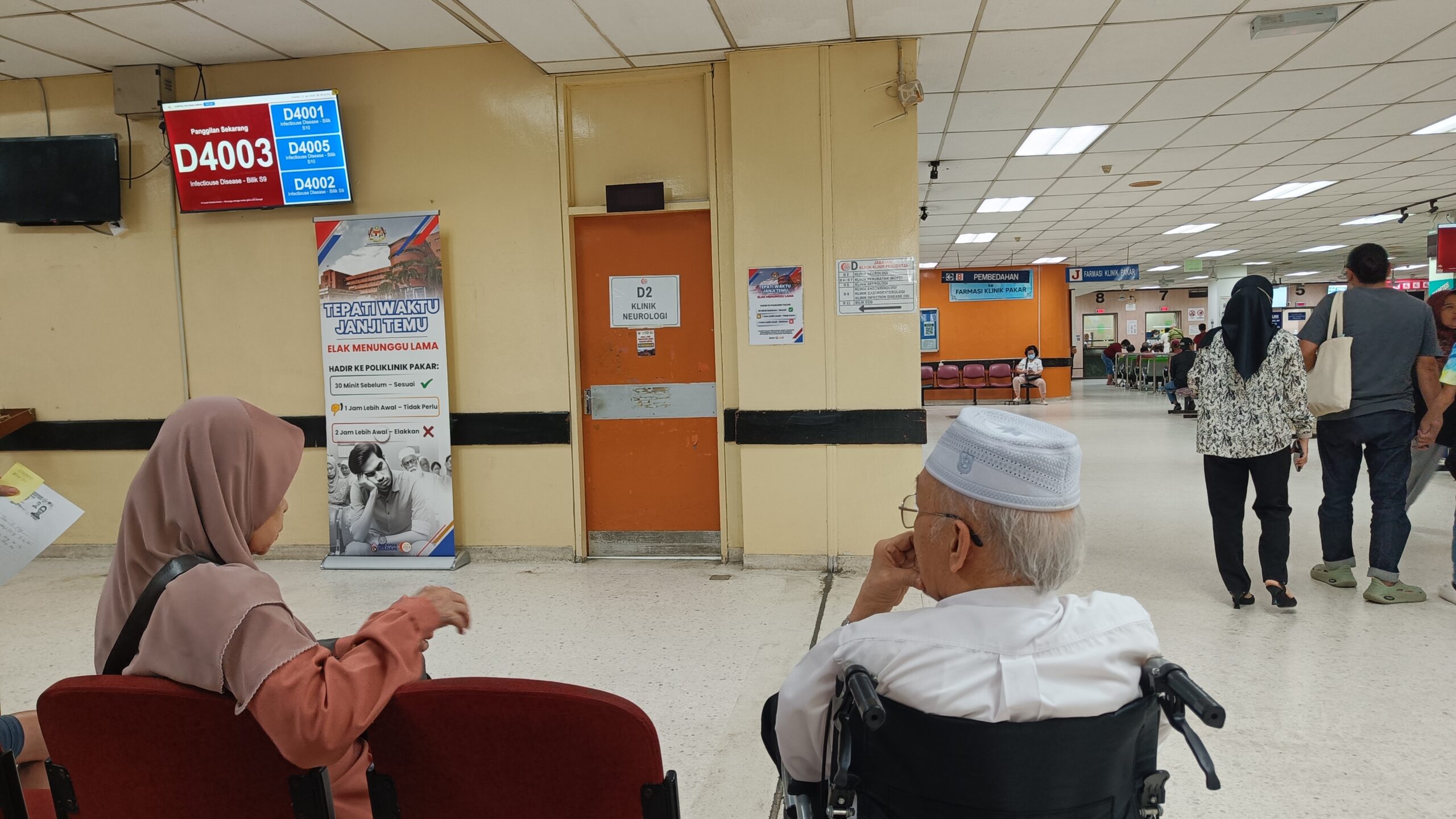
I took a leave today which was planned since early January 2026, to bring my father for his neuro appointment. Alhamdulillah everything went well. A new thing is the que system is now using app.
Driving UTM’s Research Mission Through eJournal Management and Academic Commitments
Posted on September 18, 2025 ·
Management Meeting of UTM eJournal No. 1/2025
This afternoon, I attended the UTM eJournal Management Meeting No. 1/2025, held at the Meeting Room of the Office of the Deputy Vice-Chancellor (Academic & International), Sultan Ibrahim Chancellery Building (BCSI), UTM Johor Bahru. The meeting began at 2.30 p.m. and was chaired by Assoc. Prof. Dr. Siti Rahmah Bt. Awang, Director of UTM Press.
As the Chief Editor for the ASEAN Journal of Engineering Education (AJEE), which is published under Penerbit UTM, I joined fellow editors and committee members to discuss matters related to the strategic direction, quality assurance, and operational management of UTM eJournals. The meeting also revisited the minutes from the 2024 session and deliberated on action items to strengthen UTM’s academic publishing ecosystem.
The importance of this meeting cannot be overstated. As a research university, UTM places strong emphasis on knowledge dissemination and impact through scholarly publications. The UTM eJournals serve not only as platforms for academic exchange but also as benchmarks for quality, visibility, and global engagement. Effective management ensures that these journals uphold international publishing standards, attract high-quality manuscripts, and contribute significantly to UTM’s reputation and standing in the global academic community.
A Side Note on Today’s Tasks
Besides the meeting, today was also filled with several key responsibilities related to teaching, research management, and academic service:
-
✅ I made substantial progress in preparing the final exam paper and answers for Occupational Safety in Energy System (METE1153). The paper is about 90% complete, with the exam scheduled for next week.
-
✅ I invigilated an online test for a student who missed the METE1153 test conducted two weeks ago, ensuring fairness and academic integrity.
-
✅ I responded to the Laporan Perkara Berbangkit (LPB) for the upcoming Management Committee on Research Grants (JKPD) meeting, scheduled for Monday.
-
✅ At 11.30 a.m., I joined a Pra-JKPD meeting with the Director and Registrar of RMC to finalize preparations ahead of the main session.
-
✅ I requested the preparation of the project monitoring report to be tabled at both the JKP and JKPD meetings.
-
✅ I also took some time to watch the Vice-Chancellor’s speech, Amanat NC 2025, streamed live via Facebook, which provided valuable insights into UTM’s direction and strategic priorities for the year.
Reflection
It was a productive day that balanced editorial responsibilities, academic commitments, and research management duties. Being part of the UTM eJournal Management Meeting as Chief Editor of AJEE further reinforced my appreciation of how crucial collaborative effort is in sustaining UTM’s publishing excellence. At the same time, attending to exam preparation, student assessment, and research governance matters, while keeping abreast with the Vice-Chancellor’s vision for UTM, reminded me of the multifaceted nature of academic life, where teaching, research, service, and leadership converge.
A Day of Endless Tasks: Between PRGS at the Ministry, PhD Students, and End Reports
Posted on September 2, 2025 ·

Today tested both my stamina and patience. As early as 5 a.m., I began my journey to the Ministry of Higher Education (MOHE), Putrajaya, to attend the Pembentangan Permohonan Skim Geran Penyelidikan Pembangunan Prototaip (PRGS) Tahun 2025. This is an important milestone for UTM, with 15 researchers invited to pitch their proposals at the ministry.
The PRGS sessions are scheduled from 2–4 September 2025 (Tuesday–Thursday), 9.00 a.m. to 6.00 p.m., at Jabatan Pendidikan Tinggi, Putrajaya. I arrived around 9.15 a.m. and although the first session was planned for 10.30 a.m., it was eventually delayed. That was only the beginning of what became a super hectic, tightly packed day.
From morning until evening, I had to attend 10 pitching sessions, spread across Level 5, 7, and 8. In the rush, I had no time to eat or even to perform prayers in between. Thankfully, as a musafir (traveler), I was able to pray later at my hotel after checking in.
Check out this FB post, another photo after PRGS pitching from PM Dr. Roswaniwara and team.

Why is PRGS so important? Unlike fundamental research grants, PRGS focuses on bridging the gap between research and commercialization. It helps transform promising prototypes into viable products that can benefit industries and society. For UTM researchers, securing PRGS means turning ideas into innovations that bring real-world impact.
But my responsibilities didn’t end when the pitching sessions were over. After a short rest at the hotel, I turned back to other official tasks. I arranged the pre-viva PhD session for my engineering education student, set for tomorrow morning at 8.30 a.m. At the same time, I checked on his progress in publication, and Alhamdulillah, both of his papers were accepted today, though revisions are still needed.

After Isya, my night shifted into yet another demanding phase. I sat down to settle over 50 End Reports requiring my endorsement. This is the part I dislike, not because I don’t value the work, but because I wish I wasn’t always doing it so late. The reality is that audits and endless administrative demands keep pushing these tasks down the line, and eventually, they pile up.
As I reflect on today, I realize how academic life in research management is often about navigating multiple layers of responsibility, supporting researchers in winning grants, mentoring students, ensuring compliance, and somehow finding time to complete my own scholarly commitments. It is a cycle of service, sacrifice, and silent resilience.
Tomorrow awaits, with more pitching sessions, student matters, and administrative duties. For now, I rest, hoping to find the strength to continue this journey with patience and purpose.
#20242025 Day 064
#Tuesday
A Day of Governance and Grants: JKP JTNCPI, JKP RMC, Grant Briefings, and Audit in Motion
Posted on August 29, 2025 ·

Today unfolded as one of those days where the boundaries between leadership, scholarship, and administration seemed to blur into one continuous flow of responsibility.
The morning began at Dewan Senat Ainuddin Wahid, Canseleri UTM, where I attended the MESYUARAT JAWATANKUASA PENGURUSAN JABATAN TIMBALAN NAIB CANSELOR (PENYELIDIKAN DAN INOVASI) BIL. 4/2025 at 9:00 AM. My role was as a member of the meeting and also (for today) to present a paper work outlining the requirements for academic staff traveling abroad to have complete insurance coverage. Our management is taking interim steps to support staff performing official research activities by covering insurance premium costs, while simultaneously encouraging researchers to include such costs in their research proposals. Arriving early allowed me to prepare for the presentation, and also to polish my NALI Educator Award 2025 slides, where I added two more reflecting my 2024 and 2025 scholarly engagements.
Right after Friday prayers, my pace quickened again as I rushed back to RMC for the JKP RMC Management Meeting at 2:15 PM. I was glad I had suggested an earlier start time; otherwise, the meeting would have drifted to 2:45 PM, losing valuable minutes. Here, I presented my Laporan Perkara Berbangkit (LPB), which focused on synthesizing a new document to streamline research expenditure. The proposal aims to reduce unnecessary bottlenecks, moving away from repeatedly asking sponsors for permission when research expenses don’t perfectly mirror proposals. In theory, this aligns with Weber’s critique of bureaucratic rigidity, where efficiency often gets lost in layers of rules. Our initiative is a small step toward more flexible governance in research management. Just wait for it to be finalized, perfected, and announced.
But I couldn’t stay long. By 3:00 PM, I had to be at the JTNCPI office, Bilik Mesyuarat Belian, for a Grant Briefing. As the sole RMC representative, I was there to provide my support and expertist. We commenced at 3.05pm via Webex (with nearly 400 people joined), listened to Prof. Farid, who spoke on research alliances, followed by Prof. Johari Surip and PM Dr. Sabrina Adam, who shared insights on community grants. I helped to respond several questions asked in Webex chat, and at times, explain verbally too. This multiplicity of roles, teaching, administering, advocating for researchers, reminded me of role theory in sociology, where individuals constantly juggle multiple, and sometimes conflicting, social expectations.
After the briefing, I returned to the JKP meeting, which stretched until 6:20 PM. By then, our discussions had shifted to Audit Lanjutan feedback requiring responses to Unit Audit Dalaman (UAD), UTM. Exhausting as it was, it also reinforced the principle of Durkheim’s functionalism: every piece of this process, however tedious, contributes to the larger stability and integrity of the institution.
And yet, even as the day’s formal agenda ended, my responsibilities did not. Hanging over the weekend is the continuing task of preparing documents for Jabatan Audit Negara’s Research University (RU) audit. In moments like these, I am reminded of work–life balance theories, which argue for clear separation between personal time and professional duties. But in practice, especially in academia and administration, that line is porous. The audit doesn’t wait for weekends, and responsibility stretches beyond the calendar.
As Merdeka season reminds us, freedom often comes with responsibility. Today’s string of meetings, presentations, and preparations may feel relentless, but they are all part of the collective endeavor to strengthen UTM’s role in research and education, an institutional “independence” built on accountability, teamwork, and vision.
#20242025 Day 060
#Friday
From Classroom to Community: CQI Reporting and IBD Wellness Day Presentation
Posted on August 28, 2025 ·

Today was one of those days where official responsibilities seemed to overlap endlessly. I began by presenting my CQI (Continuous Quality Improvement) and CRR (Course Review Report) for two courses I taught last semester: Occupational Safety in Energy System (METE1153) with 29 students, and Quality Standard (METL1153) with just 2 students. I must admit, I was fortunate to have my better half guide me through the technicalities, especially with the CQI documentation and the uploading process. With the constant stream of administrative duties at RMC, some procedural details tend to slip my mind.
Before and after this task, I turned my attention to preparing for my session on Contract Research Double Tax Deduction grant opportunities. This presentation will be delivered during the IBD Wellness Day 2025 at the Institute of Bioproduct Development (IBD), UTM. Events like these are important platforms to connect research with societal impact, demonstrating how academia supports industry and the economy at large.


In between these two commitments, I also worked on my slides for a 2:30 PM meeting, which I chaired, focusing on preparations for the upcoming two-day visit by Jabatan Audit Negara (JAN) officers in September. The session brought together staff from RMC’s Governance and Finance divisions, alongside my own team. It was encouraging to see the collaborative energy, everyone understood the stakes and contributed to ensuring a solid plan ahead.
Reflecting on today through a social theory lens, I see strong elements of role theory at play. In one moment, I was performing my role as an educator, ensuring accountability through CQI and CRR. In the next, I stepped into my role as a UTM research administrator, strategizing for grant opportunities and audits. Each role carries different expectations, norms, and pressures, yet they coexist within the same individual. Navigating these multiple roles can be demanding, but it also highlights the adaptability required in academic life.
At the same time, today’s teamwork resonates with structural functionalism, the idea that each part of the system must function well to maintain stability. From colleagues assisting in audit preparation to my spouse guiding me in academic reporting, every contribution ensured the larger “system” of my workday remained intact.
By 5:00 PM, I switched gears completely and joined a game of volleyball at the Arena, at UTM Stadium area. It was a refreshing way to loosen up after a packed day, a small attempt to balance work and life. But of course, in true academic fashion, balance is never absolute, just before playing, I had a short discussion with my postdoc right there at the volleyball court. Work and life don’t always separate neatly, but sometimes, that’s where the most genuine collaborations and conversations happen.
In the evening, after Isya’, my day was far from over. I devoted nearly three hours, stretching close to midnight, to prepare and finalize my slides for the NALI Educator Award 2025. It was a race against time, but I managed to submit them just before the deadline. Alhamdulillah, the task was completed. At that point, all that remained was to leave the outcome to Allah, tawakal, trusting that I had given my best effort.

This experience reminded me that dedication and discipline are seen as virtues that shape not only personal success but also institutional progress. Yet, my submission also resonates with the Islamic philosophy of balance: while we strive relentlessly with our intellectual and physical energy (ikhtiar), the final results are ultimately in God’s hands (tawakal).
In a way, this balance reflects the paradox of academic life: we are always caught between deadlines, expectations, and accountability, while at the same time needing to cultivate humility and acceptance. Just as Giddens’ structuration theory suggests, human agency operates within enabling and constraining structures, in this case, tight deadlines, institutional requirements, and our own inner drive to contribute meaningfully.
Closing the day on that note gave me a sense of calm after the turbulence of endless CQI presentations, talk at IBD, meetings, rushing deadlines etc. It was a reminder that even in the busiest of schedules, the act of surrender, acknowledging what lies beyond our control, is what makes the academic journey sustainable and meaningful.
Though tiring, days like this remind me that academia is not just about individual performance but about interdependence, the network of support, collaboration, and shared responsibility that sustains us all.
#20242025 Day 059
#Thursday